

It is late at night, and your child suddenly develops a high fever just as the house grows quiet. Even after trying the usual steps to keep them comfortable, they are still unsettled and clearly unwell. In moments like these, it is natural to feel worried and unsure about what to do next.
For many parents, knowing that a 24-hour paediatric clinic is available brings peace of mind. It means your child can be assessed by a medical professional at any hour, without having to wait until morning. Having timely access to care helps you make decisions with greater confidence when your child needs attention most.
What conditions can be treated at a 24-hour paediatric clinic?
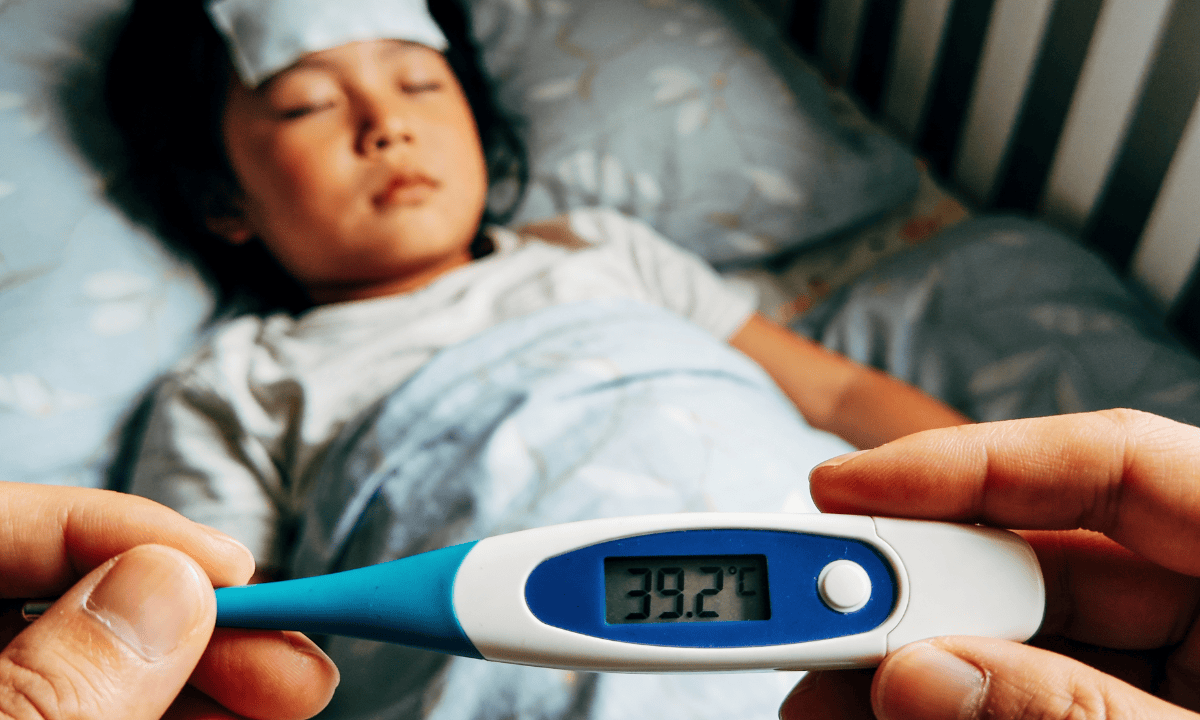
When your little one falls ill outside regular clinic hours, the uncertainty can feel overwhelming. A 24-hour paediatric clinic can help with many common childhood illnesses that feel too worrying to wait until morning.
These include:
High fever
Fever fits
Respiratory tract infections
Breathing discomfort
Asthma attacks
Vomiting or diarrhoea
Chest or abdominal pain
Allergic reactions
Minor injuries
Rather than spending a long night holding your child and worrying in silence, a 24-hour paediatric clinic offers both medical care for your child and reassurance for you. So your child can feel safe, and you can breathe a little easier as a parent.
When to go to A&E
Some situations need more than a 24-hour clinic can provide. These are emergencies where your child may need immediate treatment, advanced monitoring, or hospital-level care, and A&E is the safest place to go.
Head straight to A&E if your child has:
Severe breathing difficulty
Blue lips
Repeated seizures
Difficult waking up or loss of consciousness
Severe dehydration
Uncontrolled bleeding
A serious injury
A high fever with a stiff neck
Rapidly spreading rash
As a parent, it’s natural to hesitate and wonder if you’re overreacting. But choosing A&E in these moments isn’t about fear. It’s about safety, protection, and making sure your child gets the right level of care. And you’re never wrong for choosing the place that helps your child feel safe and helps you feel reassured.
Which clinics in Singapore operate 24/7 for children?
In Singapore, most overnight care for unwell children is provided through hospital-based services or 24-hour Urgent Care Centres (UCC). They stay open overnight and on public holidays, so you can get care for your child outside regular clinic hours.
Although they're not full emergency departments, they're well-equipped to assess sick kids when your regular paediatrician isn't available.
Here are some centres that operate 24/7 for children in Singapore:
Paediatric 24/7 clinics or centres | Location |
Thomson Medical 24-Hr Urgent Care Centre | 339 Thomson Road, Level 1, Thomson Medical Centre, Singapore 307677 |
Alexandra Hospital 24-Hr Urgent Care Centre | 378 Alexandra Rd, Singapore 159964 |
Mount Alvernia Hospital 24-Hr Urgent Care Centre | 820 Thomson Road, Singapore 574623 |
Mount Elizabeth Hospital 24-Hr Urgent Care Centre | 3 Mount Elizabeth, Singapore 228510 |
Unihealth 24‑Hr Clinic | 178 Toa Payoh Central, Singapore 310178 135 Jurong Gateway Rd, Singapore 600135 103 Yishun Ring Road, Singapore 76010 138 Tampines Street 11, Singapore 521138 88 Punggol Way, Punggol Coast Mall Singapore 829913 |

Can you walk in without an appointment?
If your child gets sick in the middle of the night, you can usually bring them straight to a 24-hour paediatric clinic without an appointment. Most are set up to take walk-ins at any time, including those rough early morning hours, so you don't have to waste time trying to call ahead or book online.
Phoning ahead can be useful if you want to check waiting times or what services they offer, but it's not required. The main thing is getting your child seen quickly when you're worried.
Will you see an experienced paediatrician or a GP?
Some 24-hour services have paediatricians on staff, while others are run by GPs or emergency doctors who have experience treating children.
Even if there's no paediatrician on duty overnight, the doctors working at these clinics are trained to spot serious illnesses in kids, provide initial treatment, and arrange a hospital referral if needed.
Loading...
Available tests and imaging scans
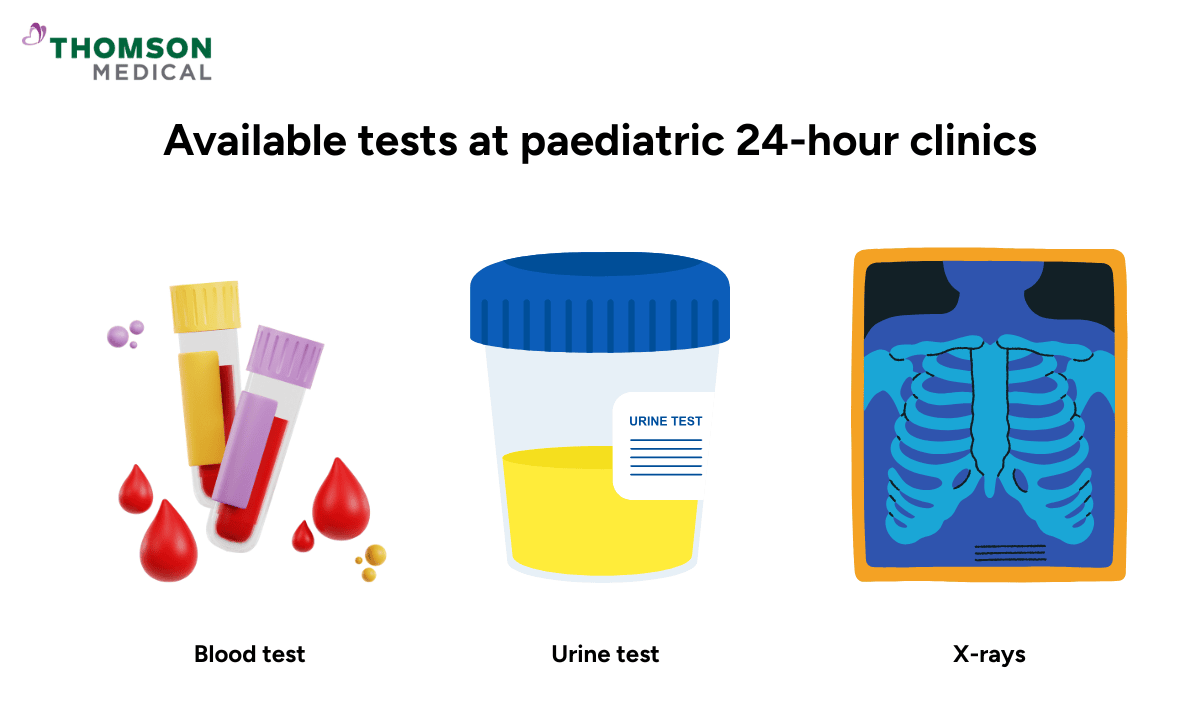
Many 24-hour paediatric clinics can do basic tests like blood work, urine samples, and X-rays, depending on the clinic. This means doctors can check what's going on with your child and start treatment right away, even in the middle of the night.
Many clinics have short-term observation areas where children are closely and safely monitored. Your child will be watched, reassessed, and cared for. And if they need longer monitoring or a higher level of care, the clinic will arrange a smooth transfer to the hospital so your child continues to receive the support and treatment they need, without delay.
Are 24-hour clinics more expensive than regular GP clinics?
Visits to 24-hour clinics usually cost more than daytime GP or paediatric appointments. That's because you're paying for after-hours staffing, on-site facilities, and the convenience of getting urgent care overnight.
That said, they're usually less expensive than an A&E visit for something that's not life-threatening. Most parents find it's a fair trade-off between getting timely care and managing costs.
How to prepare your child for a late-night visit
Late-night clinic visits can be tiring and unsettling for both you and your child, so keeping things as simple and comfortable as possible really helps.
Here are a few gentle ways to make your visit easier for both you and your child:
Dress your child in loose, easy-to-remove clothing:
This makes it easier for the doctor to check their temperature and examine their chest or tummy.
Pack nappies, wipes, and a change of clothes:
These things are helpful for your baby and toddler in case of spills or vomiting.
Have milk or snacks on hand:
Milk and snacks may keep your child comfortable and settled if they’re hungry.
Bring a favourite toy, blanket, or soft book:
Familiar items can help your child feel safe in an unfamiliar place.
Speak to them calmly:
If your child is old enough to understand, gently let them know the doctor is there to help them feel better.
In those moments, your calm presence, gentle voice, and familiar touch often matter more than anything else.
When nights feel long and uncertain, remember that you don’t have to carry it alone. Support, care, and reassurance are always within reach for your child and for you as a parent.

FAQ
What’s the difference between a 24-hour paediatric clinic and an A&E department?
A 24-hour paediatric clinic treats urgent but stable childhood illnesses, while A&E is for life-threatening emergencies that may require intensive monitoring or surgery.
Is my insurance accepted at 24-hour paediatric clinics?
Many clinics accept insurance plans, but coverage varies. It’s important to bring your insurance details so staff can help check your benefits.
Can a 24-hour clinic provide X-rays or lab tests for my child?
Many 24-hour clinics can perform basic lab tests and some imaging, such as X-rays, depending on the facility.
How long is the typical wait time at a 24-hour paediatric clinic?
Waiting times are usually shorter than A&E and often range from under an hour to a few hours, depending on demand and your child’s condition.
Do 24-hour clinics have observation rooms if my child needs monitoring?
Some clinics have short-term observation areas, but children who need prolonged or intensive monitoring are usually transferred to a hospital.
What should I bring to a 24-hour paediatric clinic?
Before heading to a 24-hour paediatric clinic, take a moment to gather a few essentials to make the visit smoother for both you and your child.
It’s helpful to bring the following things:
Your child’s identification
Their vaccination record
Any recent medical notes or discharge summaries
Medications or photos of the labels if your child is on regular medication
Nappies, wipes, a change of clothes
Milk or snacks, favourite toy
The information provided is intended for general guidance only and should not be considered medical advice. For personalised recommendations based on your medical conditions, request an appointment with Thomson Medical.
For more information, contact us:
Thomson Medical 24-Hour Urgent Care Centre (Novena)
- Call: 6350 8812
Notice:
The range of services, vaccinations, and tests may vary. Please contact us directly to enquire about the current availability.
Request an Appointment