

One of the best things you can do for your child's health is to keep them hydrated. But as many parents know, getting little ones to drink enough water isn’t always easy. Children may prefer sweet drinks, get distracted during play, or simply forget to sip water throughout the day.
Fortunately, there is good news. You can help your child develop healthy drinking habits that will become a natural part of his daily life with a little creativity and consistency.
Why is it important for a child to drink water?
Water plays a vital role in every child’s growth and development, as it supports many essential functions in his body, such as:
Carries nutrients:
Water helps transport vitamins, minerals, and nutrients to the cells.
Lubricates joints:
It keeps joints moving smoothly as your little one grows and becomes more active.
Aids digestion:
Staying hydrated helps prevent constipation and supports his healthy bowel movements.
Regulates temperature:
Water keeps his body cool, especially during hot, humid weather or after physical activity.
Simply put, water keeps your child energised, comfortable, and healthy.
8 simple and engaging ways to get your child to drink more water
Here are eight simple and engaging ways to encourage your little one to drink more water while making it an enjoyable habit for life.
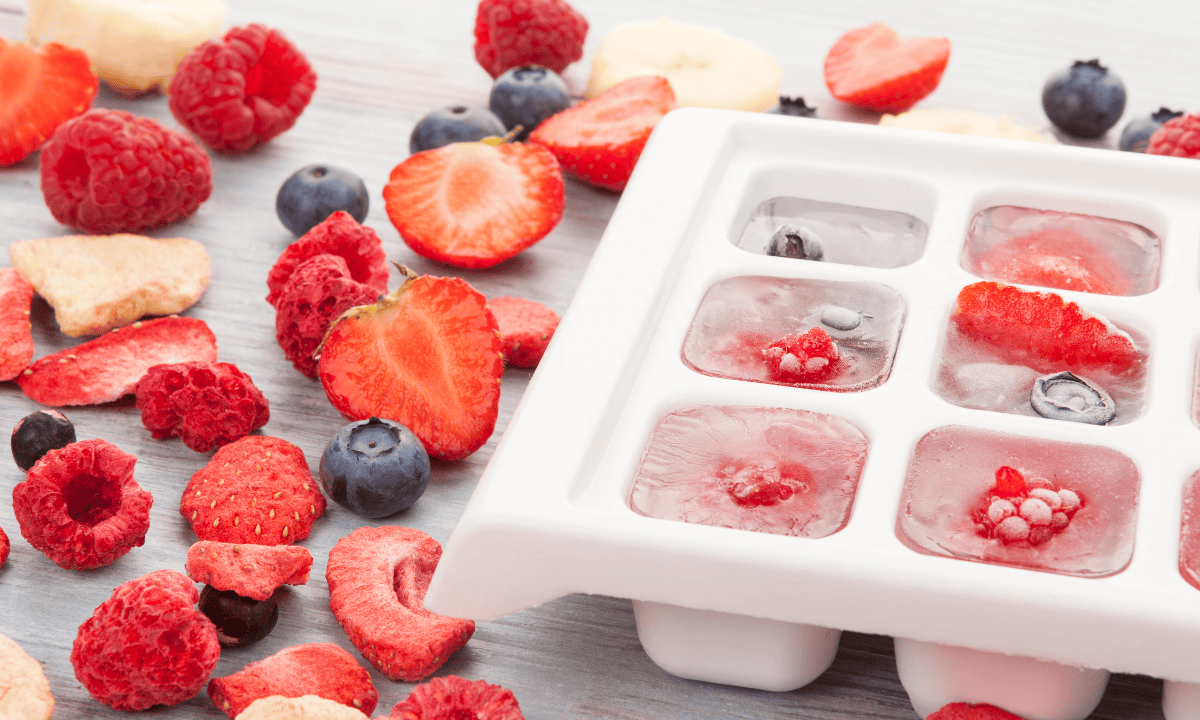
Fruit ice cubes
Let’s make hydration fun by adding a burst of fruity flavours! When you chop small pieces of fruit like blueberries or grapes and freeze them with water, you turn an ordinary glass of water into something colourful and exciting for your little one.
Fun cups and straws
A cup featuring your child’s favourite cartoon character or a funny straw can make drinking water feel like a treat. Let your child know that these special cups and straws are only for water, which creates a sense of novelty that encourages them to drink more.
Offer rewards
You may find it helpful to set small hydration goals and celebrate when your child meets them. For example, challenge your little one to finish a bottle of water and promise a reward like a trip to the playground when he succeeds.
Add natural flavour
Many kids find plain water unappealing. Infuse it with natural flavour by adding slices of cucumber, lemon, or berries. This makes it tastier without adding sugar or extra calories.
Keep water easily accessible
Children are more likely to drink water when it’s within reach. Let’s keep a spill-proof bottle nearby and encourage them to carry it around. This gives them a sense of independence and will make them more inclined to drink up throughout the day.
Limit other beverage options
You’re more likely to see your child choose water when sugary drinks aren’t readily available. By stocking the home with water and keeping fizzy drinks or fruit juices to a minimum, you gently guide them towards healthier choices.
Make it a game
You can turn drinking water into a fun, light-hearted challenge. For example, have a friendly competition to see who can finish their cup first. Kids love a little competition, and this playful approach will motivate them to drink more.
Be a role model
Kids learn by watching adults, so set a positive example by drinking more water yourself. When they see you staying hydrated, they’ll be more likely to do the same!
If you ever feel unsure about whether your child is drinking enough water, our paediatricians are ready to guide you with calm, practical advice tailored to your little one’s needs. Request an appointment with Thomson Medical today.
Our paediatricians in Singapore
Loading...
How much water does your child need?
Babies, toddlers, and older children all have different hydration needs depending on their age, level of activity, and the weather.
For babies, small amounts of water can be introduced from around six months of age, usually 120–240 ml a day. At this stage, breast milk or formula milks still provides the majority of their hydration.
As kids grow, their fluid needs naturally increase. Toddlers aged 1–3 years generally need around 4 cups of fluid per day, which includes both water and milk. Children aged 4–8 years usually require about 5 cups a day, while older children may need between 7 and 8 cups (about 1.6–2 litres).
Keep in mind that these are general guidelines. Your child may need a little more water on hot weather or humid days, during outdoor play, or when they’re active.
Watch for signs of dehydration
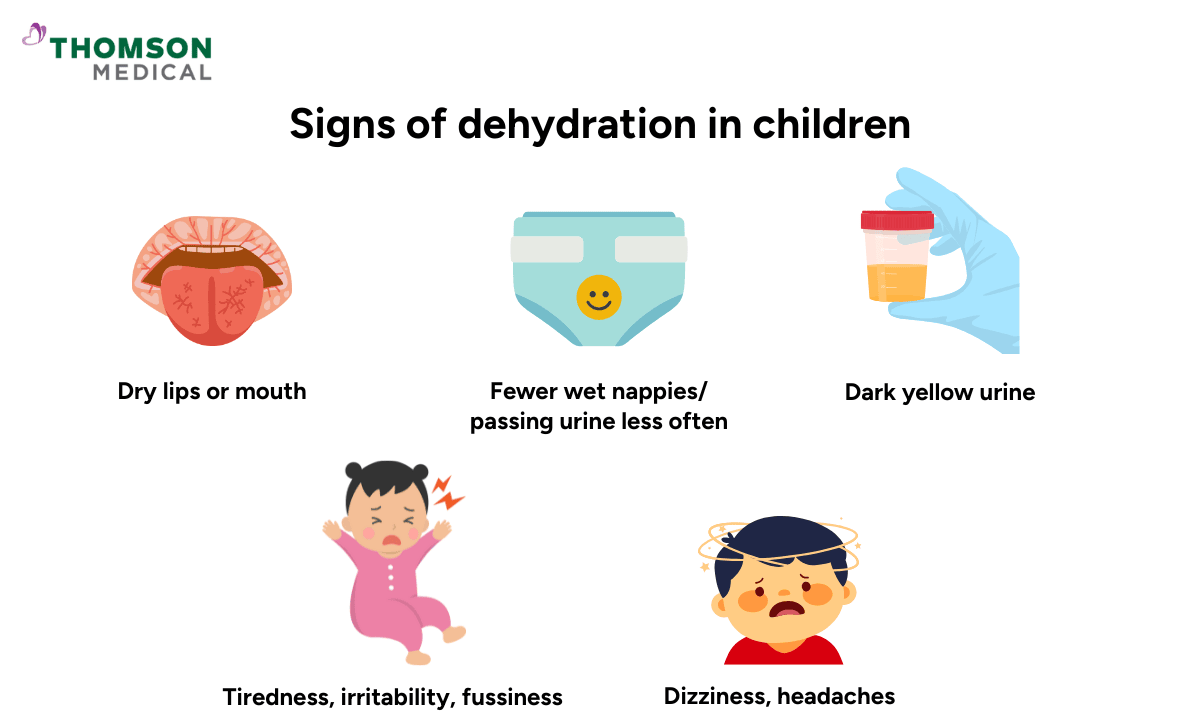
While you encourage your child to drink more water, it's also important to know when they might not be getting enough.
Signs of dehydration may include:
Dry lips or mouth
Fewer wet nappies, or passing urine less often
Dark yellow urine
Tiredness, irritability, or fussiness
Dizziness or headaches
If you notice any of these signs, encourage your child to take small sips of water and continue to monitor him throughout the day. In case symptoms persist or your child seems unwell, it’s best to seek advice from a paediatrician to make sure he stays well hydrated.
If these signs worry you even just a little, schedule an appointment with our paediatrician at Thomson Medical for support. A timely check-up can give you clarity and keep your child safe and well.
FAQ
What can I do if my baby won't drink water?
Offer small sips throughout the day and try using different types of cups to see what your baby prefers. You can also add a tiny hint of a natural fruit flavour to make the taste more appealing. Be gentle and patient, as babies often require time to adjust to drinking water.
When should I worry about my baby not drinking?
If you notice fewer wet nappies than usual, dry lips, dark yellow urine, or if your baby seems unusually tired, irritable, or difficult to settle, it’s best to consult a paediatrician for guidance and reassurance.
Why do some babies hate water?
Water has no sweetness, so it can seem bland compared to the naturally sweet taste of breastmilk or formula. This difference makes some babies less eager to drink it at first.
What if my 9-month-old won’t drink water?
At 9 months, breast milk or formula still provides most of your baby’s hydration, so it’s usually not a major concern if they’re not drinking much water yet. Continue offering small sips during mealtimes or play, and allow your baby to explore water at their own pace.
How do I make my 17-month-old drink more water?
Toddlers often respond well to fun and routine. You can use colourful cups, fruit-infused water, or simple drinking games to make hydration enjoyable. Keeping a water bottle within easy reach throughout the day can also encourage your little one to get more water.
Is it better for a baby to drink from a straw or sippy cup?
Your child’s paediatrician may recommend a straw cup, as it supports oral and speech development and helps your little one strengthen his mouth muscles. But sippy cups can still be useful, especially when you’re out and about, as they help prevent spills.
The information provided is intended for general guidance only and should not be considered medical advice. For personalised recommendations and advice based on your unique situation, please consult a specialist at Thomson Medical. Request an appointment with Thomson Medical today.