

Living with overly large breasts isn't just a minor inconvenience. It often means constant shoulder pain, angry red marks from bra straps, or a back that aches by the end of each day.
Even if you've learned to work around it – choosing certain clothes, avoiding certain activities, managing the discomfort as best you can – the discomfort is still there, affecting your daily life. Breast reduction surgery offers a way forward. It helps you find relief from these struggles and feel comfortable in your own body again.
If you're considering this surgery, understanding what the procedure involves, what results you can expect, and how much it costs in Singapore can help you make an informed decision about whether it's right for you.
What is breast reduction surgery?
Those living with overly large breasts will know how much discomfort it can add to your daily routine. Breast reduction surgery (also called reduction mammoplasty) is a surgical procedure that can help you deal with this discomfort.
This procedure removes excess breast tissue, fat, and skin to create smaller, lighter breasts that better suit your body. What makes it different from other breast procedures is that this isn’t just cosmetic surgery. Though the results look natural, the real goal is relief – from pain, physical limitations, or daily discomforts that affect your quality of life.
During the surgery, your surgeon carefully:
Removes the excess tissue
Reshapes your breasts
Repositions your nipples
Breast reduction can offer more comfort in your own skin. You can exercise without discomfort, sleep on your stomach again, or go through your day without the heavy, pulling sensation.
Benefits of breast reduction surgery
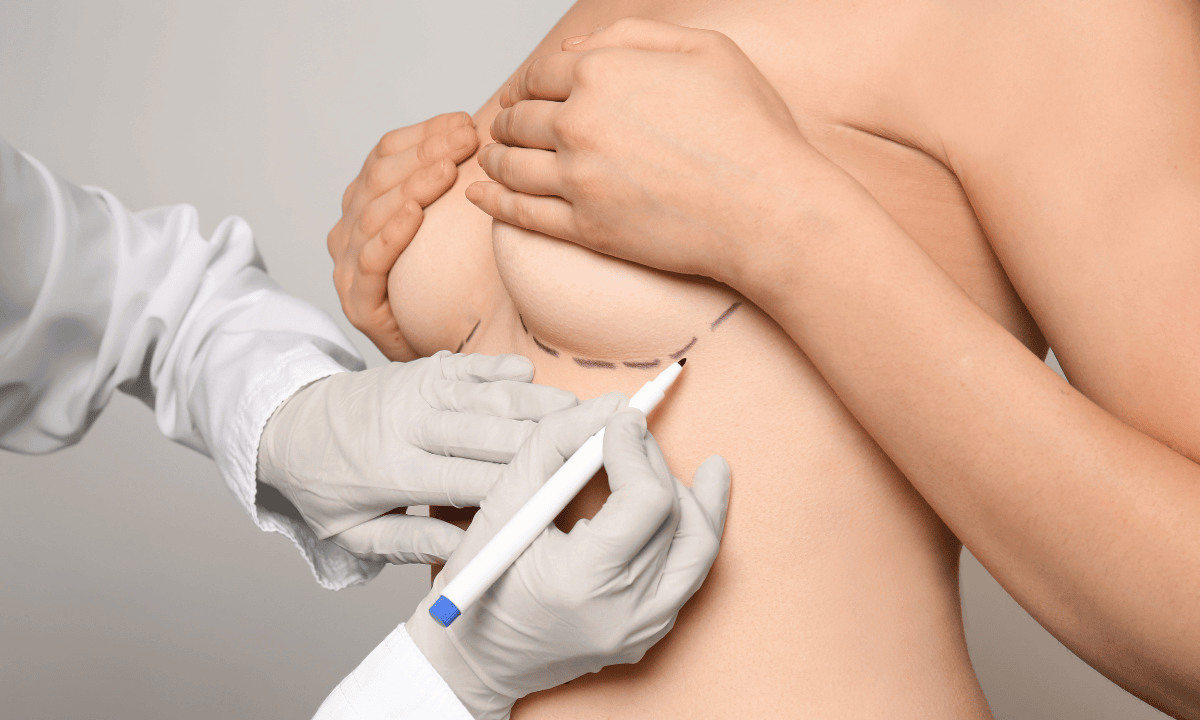
Living with overly large breasts affects your daily life in ways that others might not fully understand. Even if you've learned to manage the discomfort and work around the limitations, they never truly go away. It's completely natural to wonder: can breast reduction really make a difference?
Breast reduction can help:
Relieve physical pain:
Your back pain can improve. You can also sleep on your stomach again or exercise without wearing multiple sports bras.
Your posture often improves naturally when you’re not compensating for the weight on your chest.
Feel more confident:
Shopping for clothes is easier, and now you can wear what you always want.
You can resume the physical activities you gave up.
Most importantly, you feel more comfortable in your own body. The self-consciousness fades, and you no longer have to think about your breasts, adjust your clothes, or worry about how others look at you.
These benefits help you understand what breast reduction could mean for your daily life. However, every woman's experience is different, so results can vary from person to person. Your surgeon will discuss realistic expectations specific to your situation.
When you know what's possible, you can better decide whether breast reduction aligns with what you're hoping for and whether it's the right choice for your body.
If you're wondering whether breast reduction could bring you the relief you've been hoping for, schedule an appointment with Thomson Breast Centre. Our specialists will help you understand what results you can realistically expect, so you can decide if this procedure is right for you.
Our breast specialists in Singapore
Loading...
Breast reduction procedure: What to expect
You may feel curious about what actually happens during breast reduction surgery. How long does it take? Will it be painful?
Having clarity on what to expect can ease a lot of that anxiety. When you understand each step, the surgery feels less like an unknown and more like something you can prepare for with confidence.
Before the surgery
Your journey starts with a consultation. Your surgeon will check your breast size, discuss your goals, and understand what troubles you most.
During the consultation, they’ll also measure your breast dimensions and chest wall and take photos of your breasts from different angles for medical records. If you have any questions or concerns about the surgery, this is your chance to bring them up.
Don’t be shy about sharing your desired breast size with your surgeon. Let your doctor know whether you want to go as small as possible or if you prefer a moderate reduction. This helps them plan the right approach for your body and makes sure the results match what you’re looking for.
During the surgery
Breast reduction surgery usually takes between two and four hours under general anaesthesia. You’ll be asleep and won’t feel anything.
Your surgeon makes carefully planned incisions to access the breast tissue. The exact pattern depends on your breast size and shape. Still, the goal is always the same: remove tissue while creating a natural and lifted appearance.
Your surgeon gently removes excess breast tissue, fat, and skin. Your nipple and areola (the darker area around your nipple) are repositioned higher on your breast to match your new shape. Then the remaining tissue is reshaped to create smaller, lighter, and more balanced breasts.
You’ll wake up in recovery with surgical dressings and a support bra. You may stay in the hospital for one or two nights so your surgeon can monitor you closely and make sure your recovery is going smoothly.
Recovery timeline
After the surgery, your body needs time and care to heal well. Yes, there will be some discomfort and limitations at first, but with each passing week, you’ll feel more comfortable in your body.
Here is what to expect during your recovery and how to support your body:
The first few days
You’ll feel tired and sore. Don’t worry, your doctor will prescribe pain medication to help you manage the discomfort. At the same time, you may have drainage tubes for a day or two to prevent fluid buildup.
Rest is very important now. Your body is healing, so listen to it. You may need someone to help you at home for at least the first few days.
The first few weeks
Swelling and bruising are expected. At first, your breasts may not look as small as you expected because of swelling. The true result will be revealed after several weeks when your swelling goes away.
You’ll wear a surgical support bra continuously for about six weeks. Your surgeon will give you instructions about caring for your incisions and when you can shower.
During this time, you can return to light activities after about a week. Still, you should avoid exercise, heavy lifting, or raising your arms above your head.
Getting back to normal
Normally, you can get back to work within two to three weeks. If you do physical work, you may need more time.
After about four to six weeks, you can gradually resume exercise. It’s best to start gently first and then build up over time. To be sure it suits your conditions, your surgeon will guide you on timing.
You’ll see the final results around six months to a year after surgery, when all swelling has completely resolved and your breasts settle into their new shape. It may feel like a long wait, but it's worth it. The physical relief, the comfort, the freedom to move without pain – these can improve your daily life and make a real difference in how you feel.
What are the risks of breast reduction surgery?
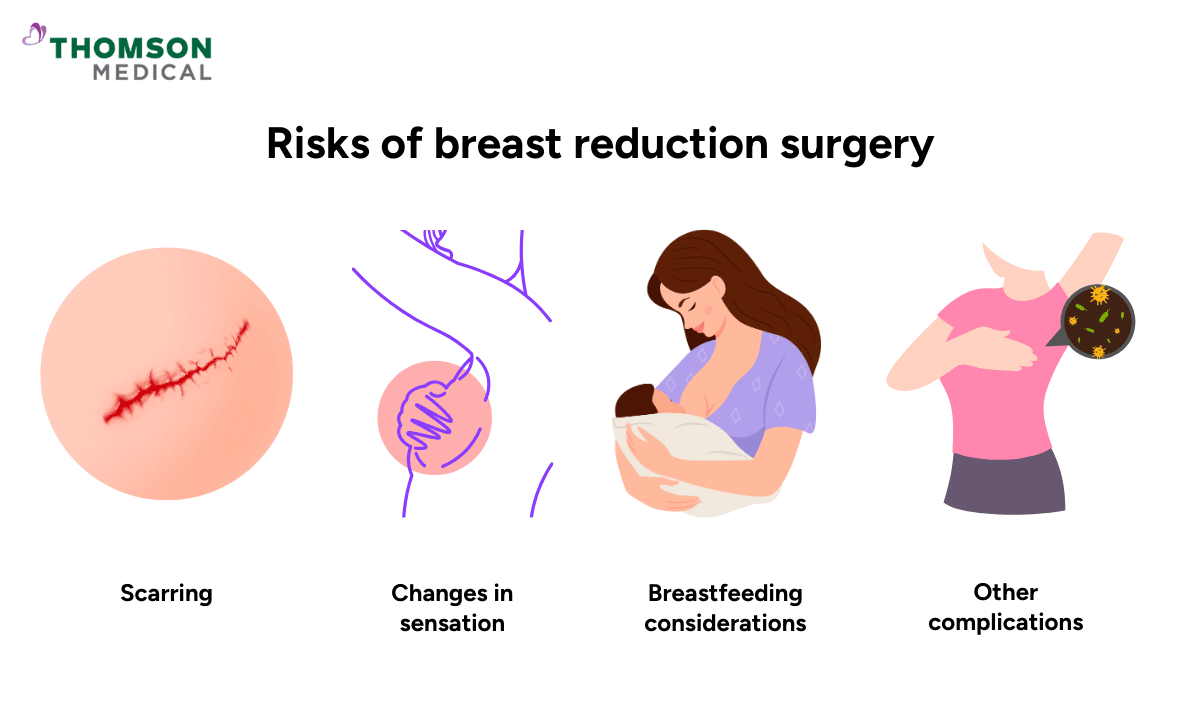
Like any other surgery, breast reduction carries potential risks that you should be aware of. But understanding them doesn’t have to feel overwhelming. When you have the full picture of both benefits and risks, you can decide whether it’s the right choice for you.
The risks include:
Scarring:
Breast reduction leaves scars around your areola, down to the breast crease, and along the crease.
They will fade significantly over time and become thin, pale lines within one to two years.
Changes in sensation:
You may experience temporary or permanent changes in nipple sensation. It may feel more sensitive, less sensitive, or numb.
This is a normal part of healing as your nerves adjust after surgery. Most sensation returns within a few months, though everyone experiences it differently.
Breastfeeding considerations:
Breast reduction can affect your ability to breastfeed, though many women do breastfeed successfully after the surgery.
If you plan to have children and want to breastfeed, discuss this with your surgeon beforehand.
Other potential complications:
There’s a small risk of infection, bleeding, or wound-healing problems, but these are uncommon. If they occur, your surgeon will help you manage them.
In rare cases, you may need additional surgery to refine results.
Knowing these risks doesn't mean they'll happen to you. It means you know what's normal during recovery and what needs attention. With clarity, you can plan ahead and take steps to support your healing.
Your surgeon will walk through all of these risks with you during your consultation, and they'll answer every question you have. Surgery is a big decision, and it's okay to take your time weighing everything.
If you want to discuss these risks in more detail or understand how they apply to your case, schedule an appointment with Thomson Breast Centre. Our specialists will give you personalised answers and help you decide whether the potential benefits outweigh the considerations for you.
Cost of breast reduction surgery in Singapore
Breast reduction in Singapore typically ranges from SGD 15,000 to SGD 25,000.
The exact cost depends on some factors, including:
Your surgeon's experience
How complex your case is
How much reduction you need
Whether you're combining it with other procedures
This usually covers everything you need, from surgeon fees, anaesthesia, and facility charges to initial follow-ups.
Surgeries like breast reduction are a significant investment, and it deserves careful consideration. Take time to think about how much the physical discomfort has been impacting your daily life and your overall well-being, and what your life may look like with or without the surgery.
These are personal questions only you can answer. If you need help thinking through them, your surgeon can give you realistic expectations about outcomes and help you decide if breast reduction aligns with what you're hoping for.
Please note that these costs are based on 2026 rates and may vary over time.
FAQ
What is the best age for a breast reduction?
Most surgeons recommend waiting until your breasts have fully developed, usually by 18. But there's no upper age limit. Many women have successful breast reductions in their 40s, 50s, or even 60s. The best age is when the burden of large breasts starts affecting your life significantly.
Is breast reduction a high-risk surgery?
It's generally safe when performed by an experienced surgeon. Like all surgeries, it carries some risks, but serious complications are uncommon.
Who is suitable for breast reduction?
You may be a good candidate if you experience:
Chronic pain in your back, neck, or shoulders
Skin irritation under your breasts
Difficulty exercising or finding clothes that fit
Emotional distress related to your breast size
What is the recovery time to expect?
You may return to desk jobs within two to three weeks and resume exercise after six weeks. Full recovery takes several months as swelling subsides, but everyone has a different recovery journey, though.
Will breast reduction leave scars?
Yes. Breast reduction leaves permanent scars. However, these typically fade significantly over the first year or two and become much less noticeable.
Will my breasts stay smaller permanently?
Yes, results are long-lasting. However, significant weight gain, pregnancy, or ageing can affect your breast size over time.
The information provided is intended for general guidance only and should not be considered medical advice. For personalised recommendations and advice based on your unique situation, please consult a specialist at Thomson Medical. Request an appointment with Thomson Medical today.