

Finding out you have a nasal polyp can stir up some anxiety. You're not just worried about the blocked nose or the lost sense of smell.
You may be wondering, "Could this be something more serious?"
For most people, the answer is no. Nasal polyps are harmless growths, and nasal cancer is usually uncommon. But knowing why they form, which symptoms deserve a closer look, and what the diagnostic process actually involves can help you move from fear to clarity and ensure that you know exactly when to act and what to expect.
What are nasal polyps?
Nasal polyps are soft, painless growths that develop from the lining of your nose or sinuses. They form as a result of chronic inflammation, often linked to long-standing sinus problems, allergies, or conditions such as asthma.
They tend to be:
Pale or greyish
Teardrop-shaped
Found on both sides of the nose
Generally, nasal polyps don’t threaten your health, but the symptoms they cause can affect your daily life in ways that are worth addressing.
Symptoms of nasal polyps
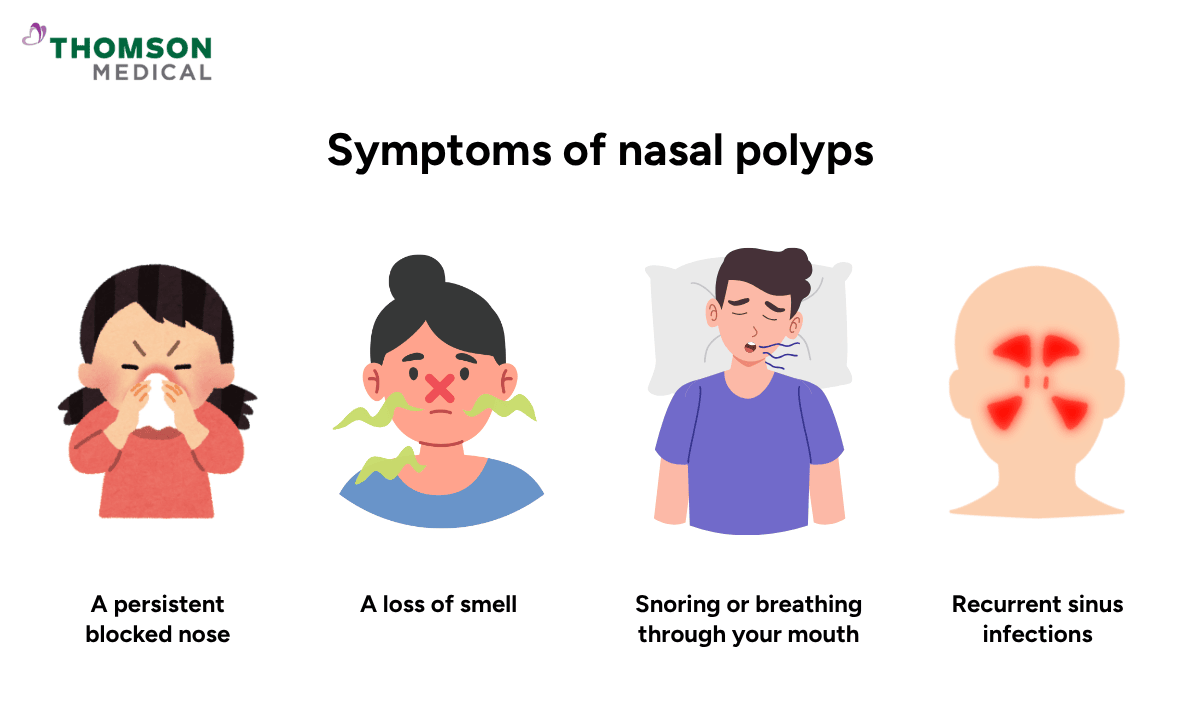
Not everyone with nasal polyps will notice them straight away. This is because small polyps usually cause no symptoms at all. You may not even know they’re there until your doctor spots them during a routine check.
As they grow larger or when there are multiple polyps, symptoms start to appear. These symptoms can feel like a cold or a sinus infection that keeps coming back.
You may notice:
A persistent blocked or stuffy nose that doesn't seem to clear
A reduced or lost sense of smell
A runny nose or postnasal drip (that feeling of mucus dripping down the back of your throat)
Facial pressure or a sense of fullness across your face
Snoring or breathing through your mouth, especially at night
Recurrent sinus infections
Headaches, though these tend to be less common
If any of these sound familiar, especially if they’ve been going on for weeks or months, it’s worth seeing your doctor. They can help identify whether nasal polyps are the cause and guide you towards the right next steps for relief.
Can nasal polyps be cancerous?
In most cases, no.
Most nasal polyps are benign. Nasal and sinus cancers are uncommon, and typical nasal polyps don’t turn into cancer. They’re also not considered a pre-cancerous condition.
That said, there are certain signs that your doctor may want to look into further:
A mass on only one side of the nose
Frequent or unexplained nosebleeds
Pain, facial numbness, or swelling
Any changes to your vision
A growth that appears to be expanding quickly or has started to ulcerate
These features aren’t typical of normal nasal polyps. If any of them are present, your doctor may recommend further investigation to rule out anything more serious and give you peace of mind.
If you've been experiencing any of the red-flag symptoms, schedule an appointment with Thomson Medical. Our specialists will assess your condition, explain what's happening, and recommend the most appropriate next steps.
Our ENT specialist at Thomson Medical
Loading...
How are nasal polyps diagnosed?
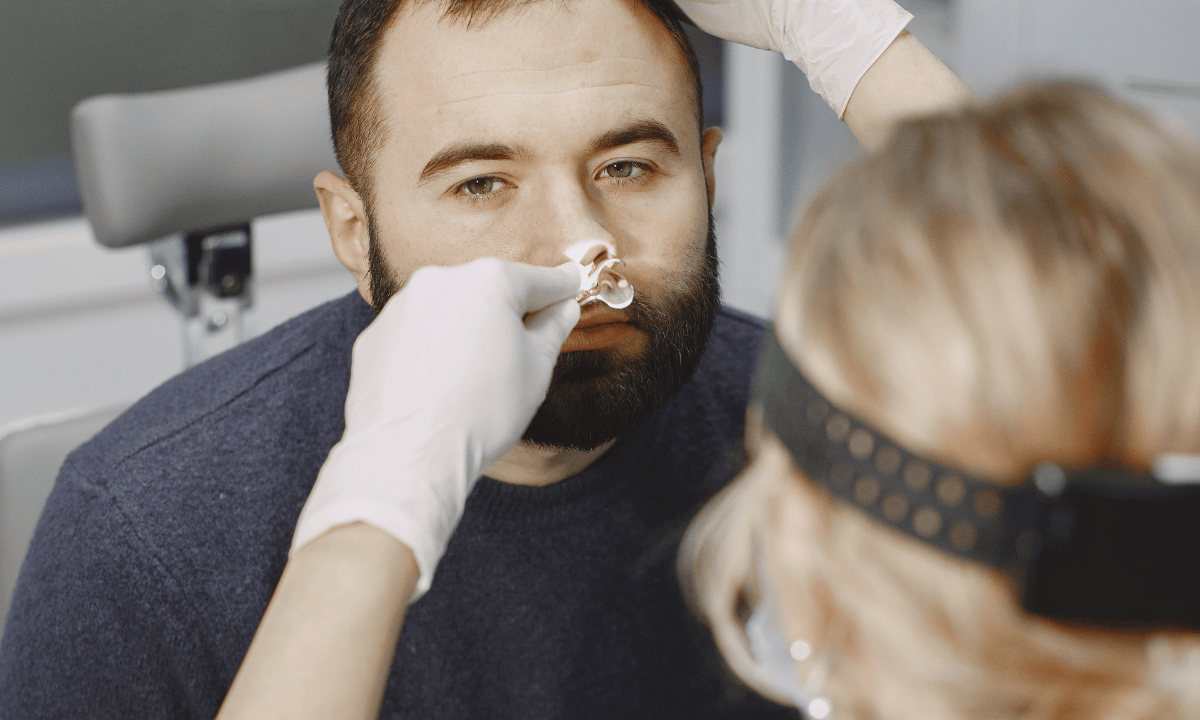
Finding out whether you have nasal polyps doesn't usually take long. Your doctor will take you through a few straightforward steps to understand what’s behind your symptoms.
Physical examination
Your doctor will use a nasal endoscope, which is a thin, flexible tube with a tiny camera and light on the end, to look inside your nose. This gives a clear view of your nasal passages and sinuses.
During the appointment, your doctor will also ask about your medical history, such as your history of allergies, asthma, or recurring sinus infections, to better understand your condition.
In many cases, this visual examination alone is enough to confirm whether you have typical, benign polyps.
Imaging tests
If your doctor needs a clearer picture of the size, location, and extent of the polyps, or if something looks unusual, they may order imaging tests.
One of the following tests may be recommended:
It takes detailed cross-sectional images of your sinuses and is especially helpful if surgery is considered, as it gives the surgeon a clear map to work with.
This imaging test is usually needed in less common cases where there’s concern about tissue involvement beyond the sinuses.
For routine nasal polyps, a CT scan is all that’s needed.
Nasal biopsy
A biopsy, where a small tissue sample is taken for lab testing, isn’t something that everyone needs. If your nasal polyps appear on both sides of the nose and look normal on examination, a biopsy is usually unnecessary.
It may be recommended if:
The growth is only on one side of the nose
There's unexplained bleeding or pain
Imaging shows something that needs a closer look
More information is needed to rule out anything serious
If a biopsy is needed, it’s natural to feel nervous. It’s done under local anaesthetic, which means the examined area will be numb. The procedure takes only a few minutes, and most people only feel mild pressure rather than sharp pain.
How to treat nasal polyps
Knowing you have nasal polyps can feel unsettling, and wondering what happens next is completely normal. There are effective treatment options available, and your doctor will work with you to find the right approach.
Treatment will depend on whether your polyps are confirmed benign or whether the investigation has raised any concern.
Treatment for benign nasal polyps
The first-line approach is medical. The goal is to reduce the inflammation that’s causing the polyps to form.
Your doctor may suggest:
Steroid nasal sprays:
This is the most common starting point. Used daily, they can shrink polyps and help prevent them from coming back.
Saline nasal rinses:
Rinsing your nose with saline helps keep the nasal passages clear and reduces irritation.
Oral steroids:
Your doctor may prescribe a short course for more severe cases to bring things under control quickly.
Allergy treatment:
If an underlying allergy is contributing to the inflammation, addressing it is part of the plan.
If medication alone isn't enough, surgery may be recommended, especially when:
Nasal blockage remains severe despite treatment
Sinus infections keep coming back
The sense of smell is significantly affected
Polyps return quickly, even with good medical management
The most common procedure is endoscopic sinus surgery (FESS). It’s minimally invasive and usually performed as a day procedure, which means you can go home the same day.
During the procedure, your doctor gently inserts a small camera and instruments through your nostril to remove the polyps. It's worth knowing that surgery removes the polyps but doesn't prevent new ones from forming, so steroid sprays are still needed.
Treatment if a cancerous growth is found
This is uncommon, but if a biopsy confirms that a growth is cancerous, treatment will be more involved.
Your doctor may recommend a combination of surgery to remove the tumour, followed by radiation therapy. In some cases, chemotherapy may also be added, depending on the tumour type and stage.
Throughout this process, your doctor will guide you through every step and make sure you’re supported along the way.
When to see a doctor
Nasal polyps are common, and many people manage mild symptoms on their own. But there are times when it's worth getting professional guidance.
Consider seeing your doctor if you notice:
Nasal blockage that has lasted more than 10-12 weeks
A noticeable loss of smell
Recurring sinus infections
Symptoms on only one side of the nose
Symptoms that aren't improving despite using nasal sprays
Living with a blocked nose or recurring sinus issues can be uncomfortable, but it doesn't have to stay that way. Getting checked early means you'll have answers sooner and a clear plan to start feeling better.
If you've been managing nasal symptoms for weeks without improvement, or if something just doesn't feel right, schedule an appointment with Thomson Medical. Our ENT specialists will take a thorough look, answer your questions, and help you understand exactly what you're dealing with.
FAQ
How can you tell if a nasal polyp is cancerous?
You can't tell from symptoms alone, but there are warning signs that require further investigation.
A growth on only one side of the nose
Repeated unexplained nosebleeds
Facial pain or numbness
Rapid growth
Typical benign polyps are soft, painless, and bilateral.
How do doctors test for cancerous nasal polyps?
Your doctor may use:
Nasal endoscopy
CT scans or MRI
Biopsy (only if suspicious)
Most patients with typical polyps don't need all three.
Is a nose biopsy painful?
Generally, no. It's done under local anaesthetic, takes only a few minutes, and most patients describe it as mildly uncomfortable, not painful.
How long do nasal biopsy results take?
Typically 3 to 7 working days. If additional tests are needed, it can sometimes take up to two weeks. Your doctor will let you know what to expect beforehand.
Can nasal polyps grow back after removal?
Yes, they can. Surgery removes the polyps but doesn't fix the underlying inflammation that caused them. That's why ongoing steroid nasal sprays are usually continued after surgery, and follow-up with your doctor remains important.
Is it worth getting nasal polyps removed?
It depends on how much they're affecting your quality of life.
Surgery is worth considering if:
You can't breathe properly
You've lost your sense of smell
You're getting frequent sinus infections
Medications aren't helping anymore
If your symptoms are mild and well-controlled with medication, that may be all you need for now.
The information provided is intended for general guidance only and should not be considered medical advice. For personalised recommendations and tailored advice based on your unique situations, request an appointment with Thomson Medical today.
For more information, contact us:
Thomson Medical Concierge
- 8.30am - 5.30pm
- WhatsApp: 9147 2051
Need help finding the right specialist or booking for a group?
Our Medical Concierge is here to help you. Simply fill in our form, and we'll check and connect you with the right specialist promptly.
Notice:
The range of services may vary between Thomson clinic locations. Please contact your preferred branch directly to enquire about the current availability.
Get In Touch