

Being told you have an ovarian cyst can leave you feeling unsure about what comes next. Many women facing this situation may wonder if there are ways to support their body naturally without rushing straight to medical intervention.
While some lifestyle changes can support ovarian health and ease symptoms, it is important to understand what natural approaches can realistically do. Gaining clarity can help you feel more confident and supported as you decide on the next steps for your care.
What are ovarian cysts?
Ovarian cysts are fluid-filled sacs that develop on or inside an ovary. They are most frequently found during your reproductive years, often appearing as a normal part of your menstrual cycle.
While many are benign cysts, they come in several forms:
Functional ovarian cysts:
These are the most common type.
Include follicular cysts (which form when your follicle doesn't release an egg) and corpus luteum cysts (which form after an egg is released).
Endometriomas:
Often referred to as chocolate cysts.
These are linked to endometriosis and may be associated with ongoing pelvic pain or discomfort.
Dermoid cysts:
These develop from ovarian cells and can sound worrying but are usually non-cancerous.
Polycystic ovary syndrome (PCOS):
PCOS is a hormonal condition where many small cysts form, often affecting your periods and hormonal balance.
Finding out you have a cyst can feel worrying or overwhelming, and it is natural to have concerns about your health and treatment options. Understanding the specific type of cyst you have allows you and your care team to decide your next steps with greater confidence.
What causes ovarian cysts?
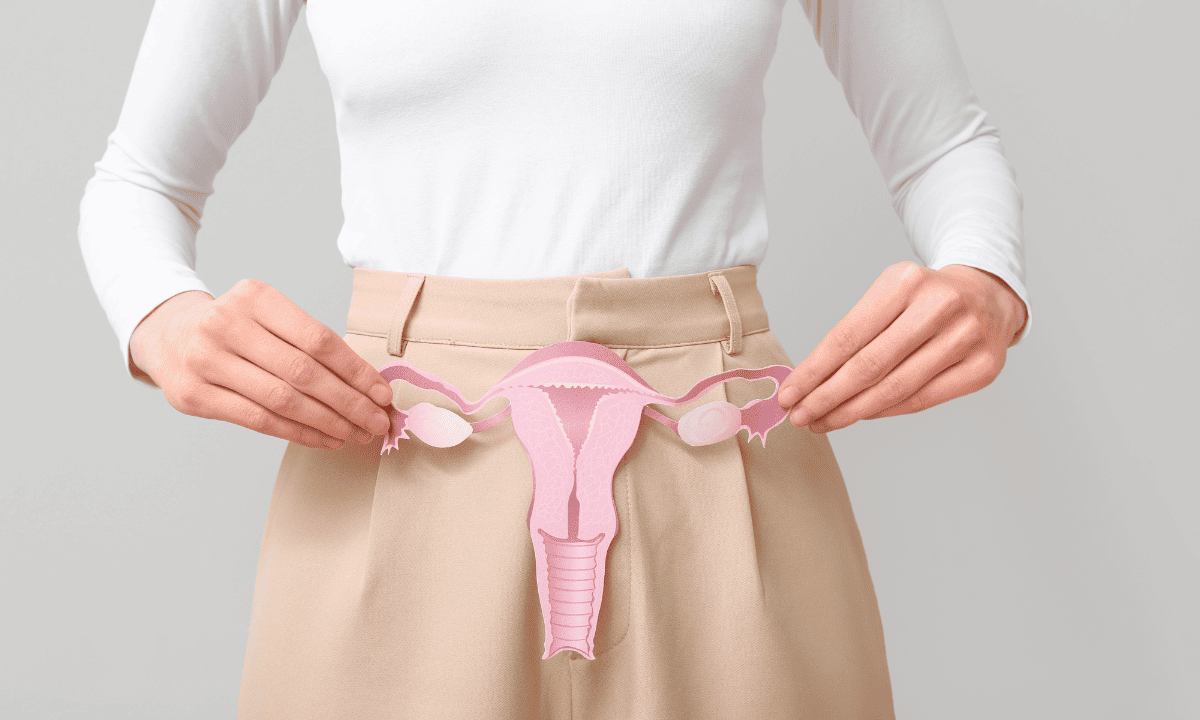
Your ovaries work within a delicate system called the hypothalamic-pituitary-ovarian axis, the communication network between your brain and ovaries that controls hormones and ovulation.
When this system is balanced, your menstrual cycle usually runs smoothly.
However, if the balance is disrupted, cysts can sometimes develop due to:
Irregular ovulation or changes in luteinising hormone levels, where your body may not release an egg as expected or sends mixed hormonal signals
Underlying conditions such as PCOS or endometriosis
Natural hormonal shifts during pregnancy
External influences, including fertility medications or thyroid-related issues
In many cases, ovarian cysts are not caused by your own actions but rather by subtle hormonal shifts within your body, which is why understanding the underlying cause can help guide the right next steps for your care.
If you are concerned about your hormonal balance, you can schedule a consultation with Thomson Medical for an accurate diagnosis and a treatment plan that prioritises your long-term health.
Can ovarian cysts resolve naturally?
It is a common question: "Can ovarian cysts go away on their own?"
The answer depends largely on the type of cyst you have. Functional ovarian cysts are the most likely to resolve on their own over several weeks or months, often without the need for medical treatment.
Although natural approaches cannot treat every type of ovarian cyst, especially larger or more complex ones, they may still play a valuable role by:
Reducing uncomfortable symptoms such as pelvic pressure
Supporting your body’s natural hormonal balance
Making the functional cysts resolve faster
Preventing future recurrence by addressing the root cause
However, if a cyst is large, persistent, or suspected to be malignant, it’s important to seek professional care immediately. Your doctor can assess what’s happening, explain your options clearly, and guide you towards the safest and most appropriate treatment for you.
Our gynaecological oncology specialist
Loading...
How to treat ovarian cysts at home
If you are experiencing mild discomfort or have been advised to try watchful waiting by your doctor, here are a few steps you can take to help support your recovery.
Dietary changes
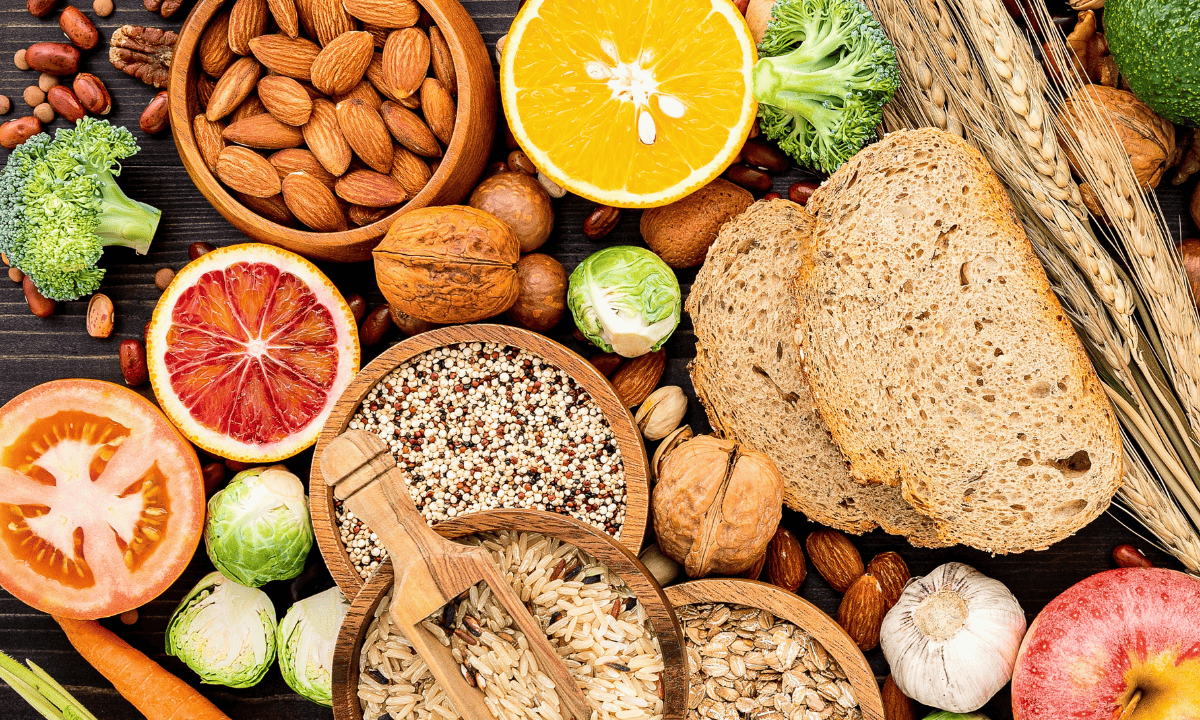
What you eat plays a powerful role in how your hormones function. A balanced diet may help stabilise oestrogen and insulin levels, creating a more supportive environment for your ovarian health.
Fibre-rich foods:
Leafy greens, fruits, and whole grains can help your body clear excess hormones more efficiently.
Anti-inflammatory foods:
Foods such as salmon and flaxseeds, which are rich in omega-3 fatty acids, may help calm inflammation.
Lean proteins:
Fish, legumes, and poultry can support hormone balance without overloading your system.
Magnesium-rich foods:
Almonds and spinach can help relax your muscles and ease pelvic discomfort.
Even small, consistent changes to your diet can support a more balanced hormonal environment, helping your ovaries function better over time.
Herbal remedies and soothing teas
Herbs have been used for generations to support reproductive health. If you are seeking a gentler alternative to modern supplements, they may be a more natural place to start.
Ginger tea:
You can drink ginger tea to help calm pelvic inflammation and ease discomfort.
Chamomile tea:
A warm cup of chamomile tea can help you relax, especially when cramping or tension sets in.
Vitex (chasteberry):
When your cycle feels out of sync, this may help support your progesterone balance over time.
Other herbs:
If you are looking for gentle hormone support, herbs like maca root, dong quai, or dandelion root can be great options.
Don’t forget to consult a healthcare provider before starting herbal remedies, especially if you are on medication or trying to conceive.
Heat therapy and the Epsom salt bath
Managing physical discomfort at home often means helping your body relax and easing tension where it hurts most.
Apply a heat application (such as a heating pad) for 15 to 20 minutes to relax your pelvic muscles and reduce discomfort.
Soak in warm water with Epsom salt to help ease muscle tension and soothe aches.
Practise relaxation techniques like deep breathing to calm stress that may affect your cycle.
By practising these simple activities, you can keep these symptoms under control and go about your day while allowing your body to heal.
When to see a doctor
Choosing a natural approach can feel exciting, but listening to your body is just as important.
If something feels suddenly worse, it is important to seek medical care without delay, especially if you experience:
Severe or sudden pelvic pain, which may signal a ruptured ovarian cyst
Pain accompanied by fever or vomiting
Rapid abdominal swelling or sudden heavy bleeding
Intense pelvic pain with nausea, which can be a sign of ovarian torsion (twisting)
Your doctor may recommend blood tests or an ultrasound to assess what is happening. In some cases, you may be required to take hormonal birth control, such as oral contraceptives, to help manage your condition.
Your care team will make sure you clearly understand why the options are recommended and feel reassured about the care you are receiving.
FAQ
Can ovarian cysts go away naturally?
Yes, many functional ovarian cysts resolve on their own as your hormones rebalance. If your cyst is linked to your menstrual cycle and you are not experiencing severe symptoms, your doctor may recommend watchful waiting over immediate treatment.
How long does it take for an ovarian cyst to shrink naturally?
In many cases, functional cysts shrink or disappear within one to three menstrual cycles. Regular follow-up scans can help you and your doctor track progress and confirm that healing is happening safely.
What foods can help support ovarian cyst healing?
A diet rich in fibre, vegetables, and anti-inflammatory foods supports hormonal balance and your overall ovarian health. Focusing on whole foods can help your body process excess hormones more efficiently.
Can exercise help get rid of ovarian cysts?
Exercise does not directly dissolve ovarian cysts, but gentle, regular movement supports circulation and stress regulation. This creates a healthier hormonal environment that may help the cysts resolve faster.
Is apple cider vinegar effective for ovarian cysts?
There is no strong scientific evidence that apple cider vinegar shrinks ovarian cysts. While some women use it for general metabolic or digestive support, it should not replace medical guidance or monitoring.
Should I avoid certain activities if I have an ovarian cyst?
If your cyst is small and symptom-free, most daily activities are safe. However, intense exercise or sudden twisting movements may worsen pain, so it is wise to listen to your body and follow your doctor’s advice.
Can stress make ovarian cysts worse?
Chronic stress can disrupt hormonal signals that regulate ovulation and the menstrual cycle. Managing stress through rest, gentle movement, or relaxation techniques may support your body’s natural healing process.
The information provided is intended for general guidance only and should not be considered medical advice. For personalised recommendations and tailored advice based on your unique situations, please consult a specialist at Thomson Medical. Request an appointment with Thomson Medical today.
For more information, contact us:
Thomson Specialists (Women's Health)
Thomson Women's Clinic (TWC)
- Novena:
6592 6686 (Call), 8611 8986 (WA) - Bukit Batok:
6569 0668 (Call), 8686 3525 (WA) - Choa Chu Kang:
6893 1227 (Call), 8282 1796 (WA) - Jurong:
6262 8588 (Call), 6262 8588 (WA) - Katong (female doctor):
6970 2272 (Call), 8611 9020 (WA) - Punggol:
6243 6843 (Call), 8811 0328 (WA) - Sembawang: 6753 5228
- Sengkang: 6388 8125
- Serangoon (female doctor): 6382 3313
- Tampines: 6857 6266
- Tiong Bahru: 6276 1525
Notice
The range of services may vary between TWC/TS locations. Please contact your preferred branch directly to enquire about the current availability.
Request an Appointment