

Finding out you have colon polyps can feel unsettling. In such situations, it's natural to start looking for gentler or more natural ways to manage them. You may have come across advice about diet, supplements, or home remedies that claim to help.
While these approaches can support your overall colon health, they do not replace actual medical treatment. Understanding the difference can help you make informed decisions without unnecessary worry.
What are colon polyps?
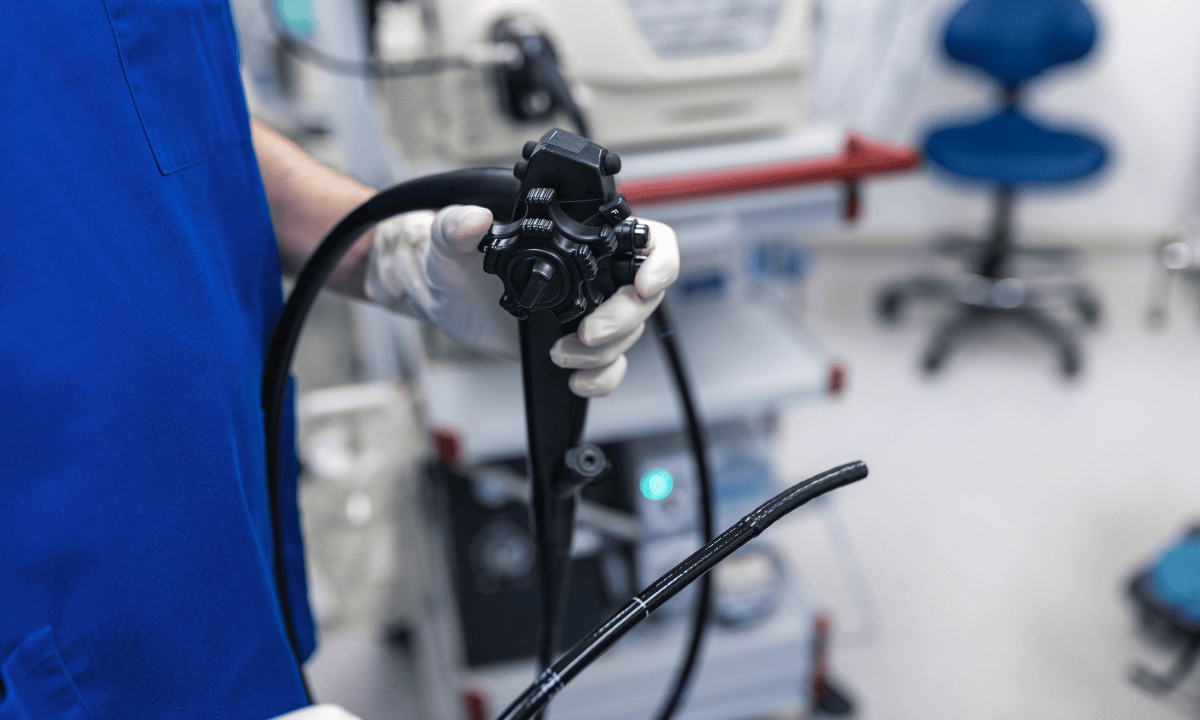
Colon polyps are small growths that form on the inner lining of the colon (large bowel). Some are flat, while others may appear as small bumps or mushroom-shaped growths.
Most colon polyps are benign, and many people who have them never experience any problems. That said, certain types, particularly adenomatous polyps (adenomas), can slowly turn into colorectal cancer over time if left untreated. This is why finding and removing them early matters.
For many people, colon polyps cause no noticeable symptoms, especially when they're small. They are often found incidentally during routine screening.
When symptoms do occur, they may include:
Rectal bleeding or blood in the stool
Persistent constipation or diarrhoea
Unexplained abdominal discomfort
Iron deficiency anaemia
Your doctor will usually recommend a colonoscopy, which lets them look directly at your colon lining. If a polyp is found during the procedure, it can often be removed at the same time and sent to the laboratory for testing.
Can colon polyps be treated naturally?
It is understandable to look for natural ways to manage colon polyps. However, current evidence shows that diet and supplements cannot remove existing polyps.
Once a polyp forms, it won't dissolve or disappear with diet or supplements. It may stay the same size or gradually grow over time.
The most effective way to treat polyps is through removal during a colonoscopy (polypectomy). This allows your doctor to detect and remove them in the same procedure.
Early removal is important, as it helps prevent certain types of polyps from developing into colorectal cancer.
However, a healthy diet and lifestyle still matter. They help create a healthier gut environment and may lower your chances of developing new polyps in the future.
Not sure what your colon polyp diagnosis means or what to do next? Request an appointment at Thomson Medical to speak with a doctor who can help you understand your options and next steps more clearly.
Our gastroenterologist
Loading...
Good foods for colon polyps
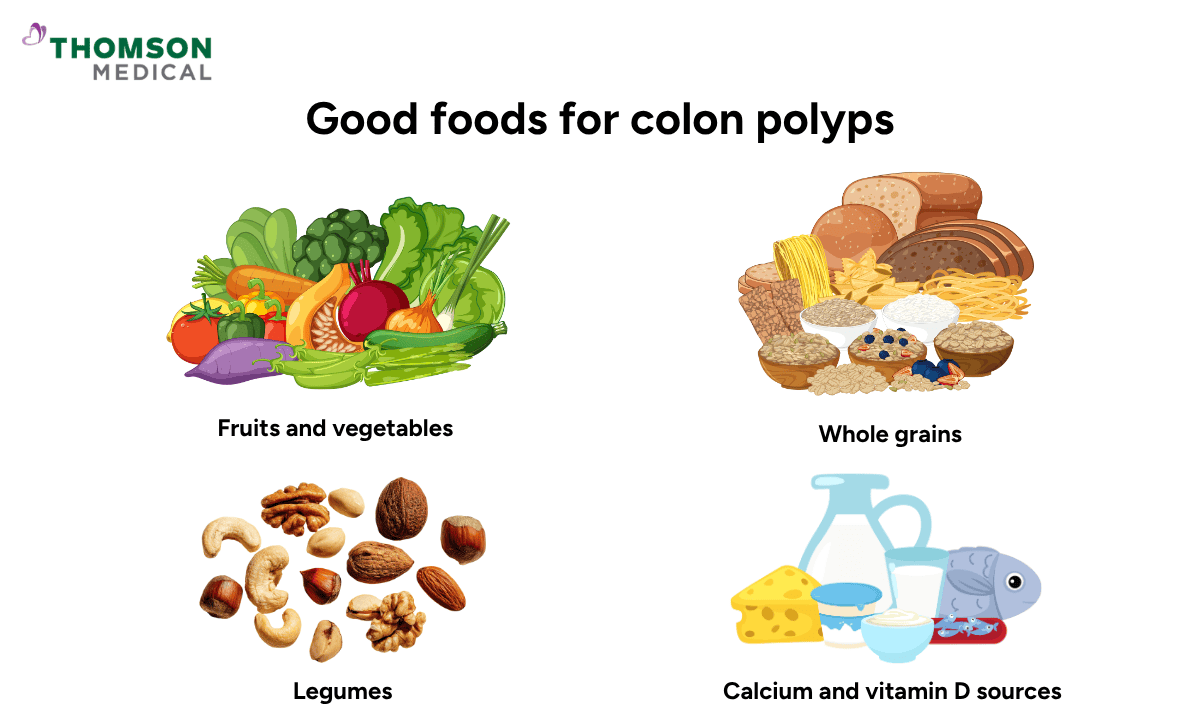
While a healthy diet can't remove existing colon polyps, it helps keep your bowel movements regular, supports beneficial gut bacteria, and reduces how long potentially harmful substances stay in contact with your colon lining.
Over time, these effects can help lower the risk of abnormal growths, including polyps.
Foods worth including:
Fruits and vegetables rich in fibre and antioxidants
Whole grains like oats, brown rice, and whole wheat
Legumes such as beans and lentils
Calcium-rich foods like dairy or leafy greens
Vitamin D sources such as fatty fish and fortified foods
These foods support gut health, reduce inflammation, and help maintain regular bowel movements, all of which contribute to a healthier colon.
Foods to limit
Certain dietary patterns are linked to a higher risk of colon polyps. They can increase inflammation, disrupt the balance of gut bacteria, and expose the colon lining to harmful substances over time.
It may be helpful to limit:
Processed meats such as sausages and bacon
Red meat such as beef, pork, or lamb
Junk food, which tends to be highly processed or sugary foods
A balanced, nutrient-rich diet may reduce your risk of developing colon polyps and contribute to preventing colorectal cancer, cardiovascular disease, and other chronic conditions such as diabetes.
Lifestyle for healthy colon
Beyond diet, your daily habits also play an important role in your colon health. Rather than strict changes, focusing on small, consistent habits often works better over time.
Maintain a healthy weight
Keeping your weight within a healthy range helps regulate metabolism and reduces inflammation in the body. Rather than strict dieting, it often works better to focus on regular, balanced meals, be mindful of portion sizes, and stay physically active.
Stay physically active
Regular movement helps stimulate bowel activity, improve circulation, and support your metabolic health.
Aiming for around 150 minutes of moderate activity per week, such as walking, cycling, or swimming, is a good starting point. Choosing activities you enjoy makes it easier to keep going.
Limit alcohol intake
Keeping alcohol within recommended limits supports your digestive health and general wellbeing. You might start by setting alcohol-free days during the week, reducing portion sizes, or choosing lower alcohol options.
Quit smoking
Stopping smoking supports healthier cell function and reduces your exposure to harmful substances that can affect your digestive system.
Quitting can feel challenging, but support is available, including counselling, nicotine replacement, or structured programmes.
You don’t have to change everything at once – even small, steady steps over time can lead to meaningful improvements.
Supplements for colon health
Alongside a balanced diet, certain nutrients may help support a healthier gut environment and digestive function.
You may consider including:
Calcium: helps regulate cell growth in your colon and may lower your risk of polyp progression.
Vitamin D: supports immune function and helps control abnormal cell changes.
Folate (Vitamin B9): may protect against abnormal growth
Probiotics: help maintain a healthy balance of gut bacteria and reduce inflammation in the digestive tract.
That said, it helps to think of supplements as supportive, not curative. They work best when combined with a healthy diet and lifestyle, rather than used on their own.
Before starting any supplement, it’s a good idea to check with your doctor to make sure it’s appropriate for you.
Due for screening or thinking about checking your colon health? Schedule an appointment at Thomson Medical to receive personalised screening plans based on your age, symptoms, and risk factors.
FAQ
Can colon polyps go away on their own without treatment?
No, colon polyps don’t go away on their own. In most cases, they either remain stable or slowly grow over time. Because some types of polyps can develop into cancer, they are usually removed once detected to reduce this risk.
What foods help shrink colon polyps?
There are currently no foods proven to shrink or eliminate existing colon polyps. However, a healthy diet, especially one rich in fibre, fruits, vegetables, and whole grains, can help reduce your risk of developing new polyps and support overall colon health.
Does apple cider vinegar help with colon polyps?
There is no scientific evidence to support the use of apple cider vinegar for treating or shrinking colon polyps. Regular consumption in large amounts may irritate the stomach or oesophagus, so it isn’t recommended as a treatment.
Can probiotics help prevent colon polyps?
Probiotics may help support your gut health by improving the balance of beneficial bacteria and reducing inflammation in the digestive tract. While this may contribute to a healthier colon environment, probiotics don’t remove existing polyps and should be seen as a supportive measure rather than a treatment.
How long does it take to shrink colon polyps naturally?
There is no natural timeline for shrinking colon polyps because they don’t shrink or disappear on their own. Medical removal remains the only effective way to treat existing polyps.
Can fasting or detox diets remove colon polyps?
No, fasting or detox diets don’t remove colon polyps. These methods can’t clean the colon lining, and extreme dietary restrictions may even be harmful.
Do I still need a colonoscopy if I’m eating healthy?
Yes, even if you maintain a healthy diet and lifestyle, screening is still important. Colonoscopy allows doctors to detect and remove polyps early, before they have a chance to develop into cancer.
Screening is especially recommended if you:
Are over 45
Have abnormal symptoms
Have had polyps before
Have a family history of colorectal cancer
The information provided is intended for general guidance only and should not be considered medical advice. For personalised recommendations and advice based on your unique situation, please consult a specialist at Thomson Medical. Request an appointment with Thomson Medical today.
For more information, contact us:
Thomson Medical Concierge
- 8.30am - 5.30pm
- WhatsApp: 9147 2051
Need help finding the right specialist or booking for a group?
Our Medical Concierge is here to help you. Simply fill in our form, and we'll check and connect you with the right specialist promptly.
Notice:
The range of services may vary between Thomson clinic locations. Please contact your preferred branch directly to enquire about the current availability.
Get In Touch