

For many, a “stuffy nose” is seen as a minor, temporary inconvenience. It could be caused by infections such as a cold, the flu, or a seasonal allergy. However, when nasal blockage becomes a permanent feature in your daily life, it may significantly impact your sleep, energy levels, and overall well-being. Learn how otolaryngologists (ear, nose and throat (ENT) specialist) at Thomson Medical provide patients with access to specialised care for respiratory conditions.
Is It Just a Cold or Is It Something More?
Persistent nasal obstruction, the feeling that you cannot breathe clearly through one or both nostrils, often has structural roots. Unlike experiencing temporary swelling due to the common cold, structural issues might not go away with time. A common cause for persistent nasal obstruction includes a deviated nasal septum and/or enlargement of the nasal turbinates. In some cases, turbinate enlargement may occur as a compensatory response to septal deviation. Yes, that does sound very technical but read on for the details.
What is a Nasal Turbinate?
Nasal turbinates are structures inside the nose that help filter, warm, and humidify the air you breathe.; chronic swelling or enlargement of the nasal turbinates may cause obstruction to your airways, restricting airflow. This condition is commonly caused by allergies, or in some cases, through structural issues like a deviated septum.
What is a Deviated Nasal Septum?
A deviated nasal septum is a common condition where the thin wall of cartilage and bone between your nostrils is crooked or off-center, which may restrict nasal airflow. In some cases, causing breathing difficulties, nasal congestion, snoring, or chronic sinusitis.
The Hidden Impact: Snoring and Sleep Health
Snoring can be related to nasal obstruction, but is more commonly caused by partial airway narrowing in the throat during sleep. Chronic obstruction of your nasal passage often forces many to resort to breathing through their mouths, which is a contributing factor of loud snoring and disrupted sleep patterns. Over time, poor sleep quality can lead to daytime fatigue and decrease productivity, affecting your quality of life.
For more personalised information about nasal obstruction and snoring, consider consulting an ENT specialist for advice specific to the symptoms you’re experiencing.
Our ENT Surgeon
Loading...
A Lifelong Concern: Who Is Affected?
Nasal obstruction and respiratory discomfort is not limited to any single age group. From early childhood through senior years, the cause of a stuffy nose varies.
Infant and Toddlers
In young children, persistent congestion or noisy breathing is often linked to enlarged tonsils or adenoids rather than structural bone issues. If a child frequently breathes through their mouth or has restless sleep, it is advisable to seek a professional assessment to ensure their growth and development aren’t impacted.
Pregnant Mothers
During pregnancy, women may experience “pregnancy rhinitis”, a common nasal congestion can occur at any stage of pregnancy, but is more commonly noticed in the later trimesters. Due to hormonal changes and increased blood volume, it may cause the nasal passages to swell, at times leading to sneezing, a runny nose or even snoring while pregnant. While often temporary, managing these symptoms helps maintain sleep quality.
Adulthood
This is the stage where structural issues like a deviated nasal septum or turbinate hypertrophy (enlargement of nasal turbinate) become most apparent. Commonly observed in men, searching for how to stop snoring naturally leads to the discovery that the cause is due to a physical blockage that may require medical or surgical intervention rather than lifestyle changes alone.
Whereas in women, nasal obstruction may be misattributed to chronic allergies or a “permanent cold” and the underlying structural issue can sometimes go undiagnosed. In that case, looking to improve airflow is essential for women’s long-term health, as breathing through the mouth while asleep may lead to daytime fatigue and disrupted sleep patterns.
Seniors
As we age, the tissues in the nasal passage and throat may lose elasticity, and the nasal tip may droop, further restricting nasal airflow. Maintaining good airflow and sleep quality is important for overall health, including cardiovascular and cognitive well-being.
For personalised advice or to address concerns about nasal obstruction, consider consulting an ENT specialist.
Diagnosis and Management
A consultation with an ENT specialist in Singapore typically begins with a thorough clinical evaluation. This may include a nasal endoscopy; a commonly performed, minimally invasive in-clinic procedure where a thin, flexible tube with a camera is inserted into your nasal passage which allows the specialist to view the internal structures of your nose with precision.
Through this assessment, an ENT specialist can accurately determine if a structural issue is the underlying cause of your symptoms and prescribe the appropriate treatment plan to help relieve symptoms.
Initial management usually involves conservative medical therapies, such as:
- Intranasal corticosteroids (nasal sprays)
- Decongestants
- Antihistamines
When Should You Consider Surgical Intervention?
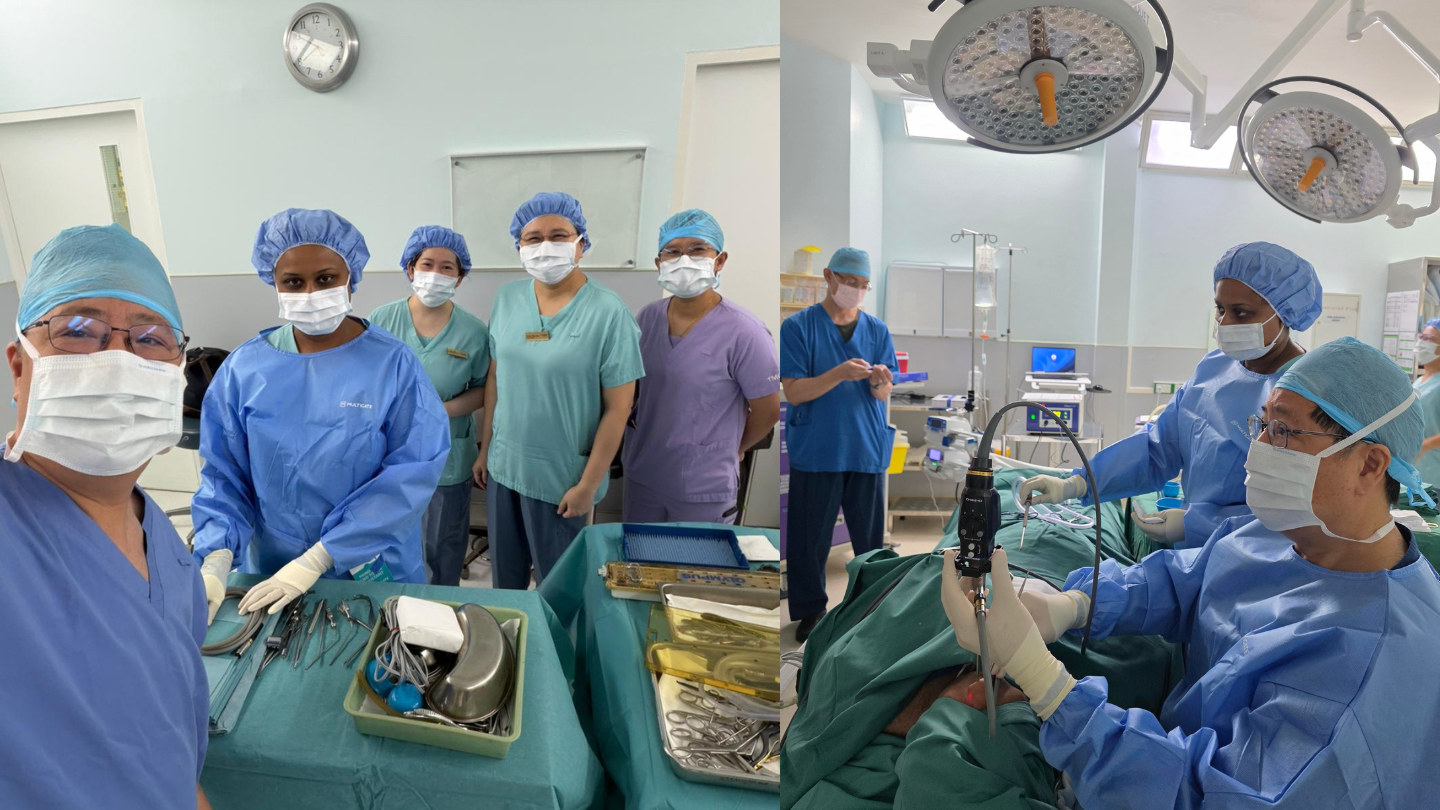
Dr Leong Jern-Lin performing a septoplasty and inferior tubinoplasty for a patient suffering from nasal congestion in a day surgery setting
When conservative medical management does not provide adequate relief, functional surgery may be considered to restore proper breathing.
- Septoplasty: A surgical procedure to straighten and reposition the deviated nasal septum, opening up the airway.
- Inferior Turbinoplasty: A procedure to reduce the size of enlarged turbinates to further relieve obstructions.
These procedures are often performed together under general anesthesia. Unlike cosmetic surgery, these are functional treatments aimed at improving your respiratory health and sleep quality.
How a Day Surgery Reduces Downtime
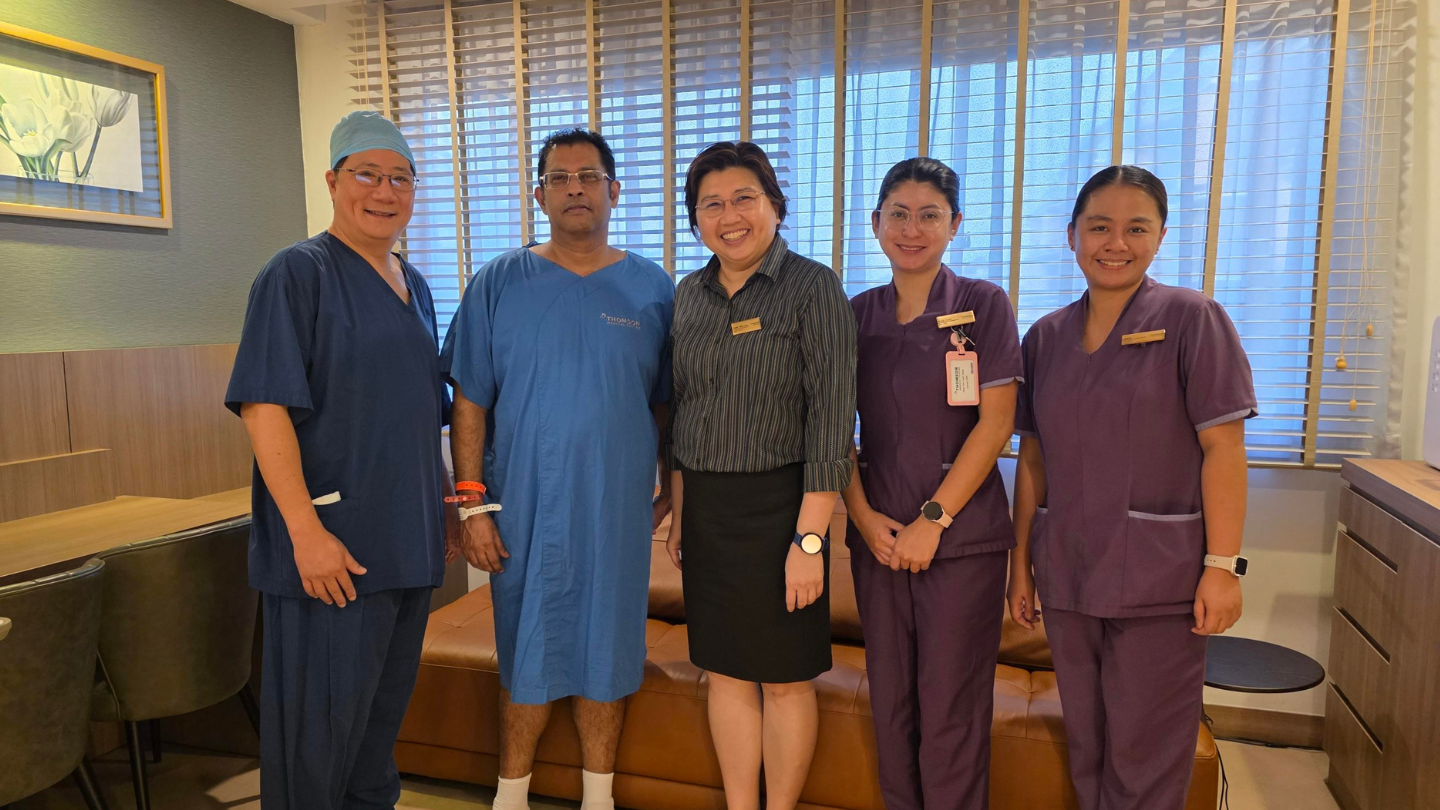
ENT Surgeon, Dr Leong Jern-Lin, assisted by our Thomson Angels on a septoplasty and inferior tubinoplasty day surgery.
At Thomson Medical, we understand your concerns around downtime and recovery. Many corrective nasal procedures are now performed as day surgery. This means you can have your procedure in the morning and return to the comfort of your own home the same evening to recover at home.
Find out more from your ENT specialist.
FAQ
Why do I have persistent stuffy nose even when I'm not sick?
While a common cold or allergies cause temporary nasal obstruction, a persistent stuffy nose is often due to structural issues. This could be a deviated nasal septum (a crooked wall between the nostrils) or hypertrophy of the inferior turbinates (enlarged structures inside the nose). These conditions restrict nasal airflow and typically do not resolve with standard cold medications.
Is snoring dangerous?
While snoring itself is a common symptom of restricted airflow, it can sometimes be a sign of a more serious condition like obstructive sleep apnea (OSA). It is important to identify the cause of snoring, as chronic sleep disruption may impact heart health and daytime energy levels. If you experience gasping for breath during sleep or excessive daytime fatigue, a clinical evaluation is recommended.
What are the most common reasons for snoring?
Reason for snoring may vary by individuals but are generally caused by the vibration of tissues in the throat and nose when breathing is partially obstructed. Common factors include structural blockages (like a deviated septum), nasal congestion, anatomy of the mouth/throat, or lifestyle factors such as weight and sleeping position.
Are there effective medicines for snoring?
Medication may be helpful when snoring is related to nasal inflammation (e.g. allergies).Your otolaryngology specialist may prescribe intranasal corticosteroids or antihistamines to reduce swelling in the nasal passages. However, if the cause is structural (such as a bone or cartilage deformity), medical therapy may only provide partial relief, and functional surgery may be discussed.
How do I know if I need surgery to stop snoring?
Surgery to stop snoring or improve breathing is usually considered when conservative treatments, like nasal sprays and lifestyle changes, have not provided adequate relief. Procedures such as septoplasty or inferior turbinoplasty aim to physically open the airway. A nasal endoscopy is typically performed during a consultation to determine if a structural blockage is the primary cause of your symptoms.
Is snoring always a sign of sleep apnea?
While most people with sleep apnea snore, not everyone who snores has sleep apnea. Snoring is the sound of obstructed breathing, whereas sleep apnea involves actual pauses in breathing. A specialist can help differentiate between "primary snoring" and sleep apnea through a clinical review or a sleep study.
Why is my toddler snoring, and when should I worry?
Occasional snoring during a cold is normal, but persistent snoring, mouth breathing, or restless sleep in children may be linked to enlarged tonsils or adenoids. An ENT assessment can help ensure your child's airway is clear for healthy growth.
Can I stop snoring naturally?
Many search for ways to improve their sleep quality through lifestyle changes, which can include sleeping on your side, avoiding alcohol before bed, or managing weight. While these lifestyle adjustments can help, they may not resolve snoring caused by physical obstructions. If natural methods don't work, a specialist can provide transparent cost estimates for diagnostic or corrective options.
Will I need to stay in the hospital overnight for nasal surgery?
Depending on the severity of your condition, nasal procedures can be performed as day surgery. This allows you to have your procedure and return home on the same day, allowing you to recover in a familiar environment.
The information provided is intended for general guidance only and should not be considered medical advice. For personalised recommendations and tailored advice consult with a specialist at Thomson Medical today.
For more information, contact us:
Thomson Medical Concierge
- 8.30am - 5.30pm
- WhatsApp: 9147 2051
Need help finding the right specialist or booking for a group?
Our Medical Concierge is here to help you. Simply fill in our form, and we'll check and connect you with the right specialist promptly.
Notice:
The range of services may vary between Thomson clinic locations. Please contact your preferred branch directly to enquire about the current availability.
Get In TouchDr Leong Jern-Lin
Otorhinolaryngology (ENT)
English, Mandarin, Malay, Bahasa Indonesia and 3 others
AIA, Singlife, Prudential x TMC
