

If you're breastfeeding and your nipples are cracked, bleeding, or sore, this can feel overwhelming. You might be wondering what you did wrong, whether it's safe to keep breastfeeding, or how much longer you can handle this kind of pain.
Cracked nipples aren't a sign that you're messing up. In fact, it's a relatively common issue for breastfeeding mums, especially if this is your first baby.
The good news is there are ways to ease the pain, help your nipples heal, and keep breastfeeding without the same problems happening again. Let's explore why cracked nipples happen and how to heal and continue breastfeeding more comfortably.
What are cracked nipples, and why do they hurt so much?
When your nipples crack, also known as nipple fissures, it can be alarming.
You might notice:
Splits or cuts in the skin
Scabbing or bleeding during or after feeds
Sharp, stinging, or burning pain
If this happens, it's easy to start worrying if you're doing something wrong as a mother. But cracked and sore nipples aren't a sign you've failed. They're an injury that happens when the skin on your nipples rubs against something repeatedly or gets too much pressure.
Cracks usually build up over time, most often because of how your baby is latching or how you're positioned. It’s common in those early weeks when you're feeding all the time and you and your baby are both still learning a new skill – breastfeeding.
Your nipples hurt this much because there are a lot of nerve endings there, and damaged skin takes time to heal, especially when you're still feeding. The pain is your body telling you it needs some care, not telling you you're a bad mother.
Can you continue breastfeeding with cracked nipples?

When your nipples are cracked, you may feel deeply torn. You want to keep breastfeeding your baby, but you may be wondering how long this pain will last and whether continuing to feed will only make the cracks worse.
In many cases, you can continue breastfeeding with cracked and sore nipples as long as steps are taken to protect the healing process and prevent further damage. The focus isn’t on enduring pain but on supporting your body so it can recover.
Continuing to breastfeed may be appropriate when:
Pain improves after latch adjustment
Bleeding is mild and decreasing
There are no signs of infection
If pain remains intense or worsens, it’s okay to pause, adjust your approach, or seek help. Protecting your body is part of caring for your baby.
When pumping might help for a bit
Many mothers feel guilty when they think about taking a break from breastfeeding directly, even just for a little while. You might worry that stopping feeds at the breast means you're letting your baby down or giving up too early.
Here's what's important to know: expressing milk by hand or with a breast pump doesn't mean you're stopping breastfeeding. Pumping lets you keep your milk supply going while your nipples get a chance to heal, so your body can recover instead of getting hurt more.
During this time, your baby is still getting all the good things from your breast milk, including the nutrition and the antibodies. You can still hold your baby close, do skin-to-skin, and comfort them while feeding. That closeness matters just as much as how the milk gets to them.
When should you seek help?
As you’re trying to keep breastfeeding while caring for cracked nipples, it’s also natural to wonder whether what you’re experiencing is still within a safe range or whether it’s time to get extra help.
Consider reaching out to a breastfeeding specialist or lactation consultant if you notice:
Redness, warmth, or swelling around your nipple or breast that's getting worse
Yellow discharge, pus, or a bad smell
Fever, chills, or feeling like you have the flu
Pain that's getting worse instead of slowly getting better
Burning or stabbing pain that doesn't improve when you adjust the latch
These are signs your body might need extra help, treatment, or a different feeding approach to prevent an infection from developing or things from worsening. Getting help early can make wound healing faster and less stressful.
Our lactation consultant can check your nipples, watch a full feed, and help you adjust the latch or position before the cracks get worse. Request an appointment with Thomson ParentCraft Centre to learn more.
Our ParentCraft trainers
Loading...
Quick relief for cracked nipples
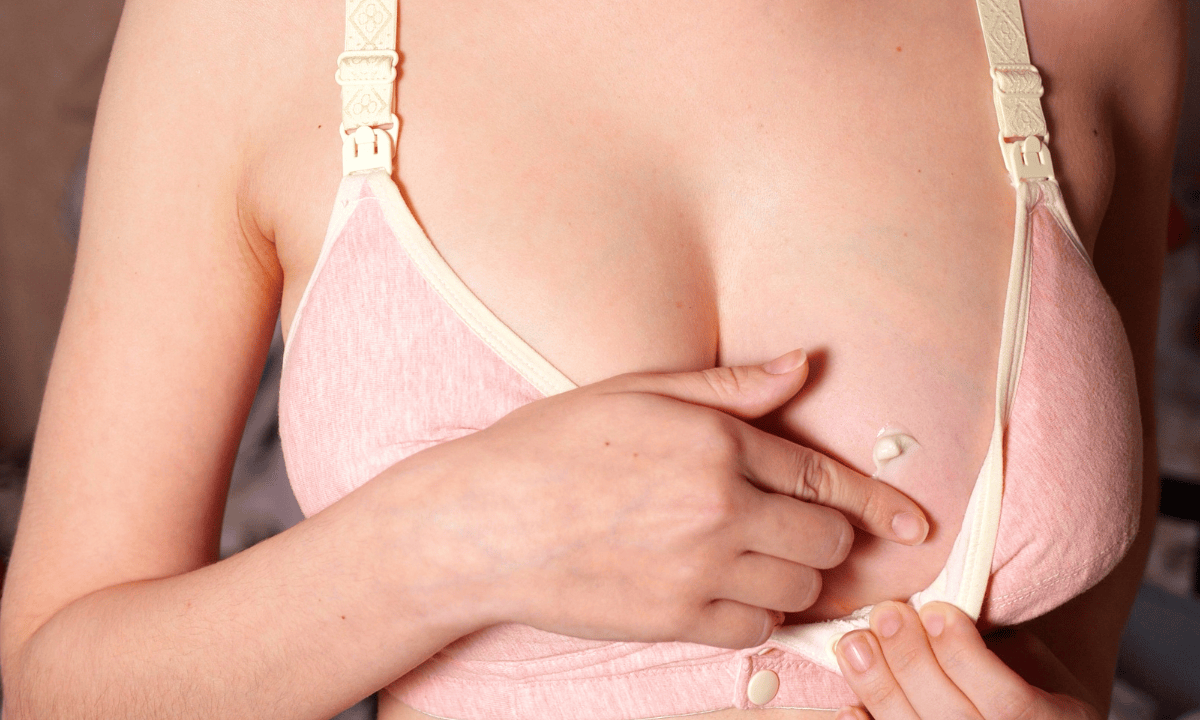
Cracked nipples won't heal in a few hours, and the pain won't go away overnight. But the steps below can stop things from getting worse, help you heal, and keep the cracks from becoming an ongoing problem.
Products that help heal nipples
When your nipples are cracked or sore, some products can act like a barrier that protects the damaged skin while it heals.
Here's what might help:
Medical-grade lanolin or nipple balm:
These keep moisture in, cut down on rubbing, and protect your skin between feeds.
A few drops of your breast milk after feeds:
Rubbing a few drops on your nipple and areola can help it heal, as breast milk has natural healing and antibacterial properties.
Soft, non-stick breast pads or breast shells:
These keep your nipples dry and protected without sticking to the healing skin.
Warm compresses:
Using warm compresses can soothe nipple pain and promote healing.
These products can help you heal and soothe nipple soreness. But here's the thing: they work best when you also fix how your baby is latching and how you're positioned. Creams alone won't stop the cracks from coming back if you haven't sorted out what's causing them.
Between-feeding care routine
Wound healing doesn’t only happen during feeds. In many ways, it happens between them when your nipples are finally given time to rest.
Here's what can help during those times:
Let your nipples air-dry when you can, instead of covering them right away
Don't use soap on them, and avoid scrubbing or washing them too much
Keep them clean and dry, but don't touch them constantly
Healing takes time as your body adjusts to feeding your baby. Giving yourself space to recover while focusing on positioning and a deeper latch can support wound healing and help protect your nipples in the long run.
Helping your baby latch correctly (to prevent cracks from returning)
You might notice that your nipples keep cracking in the same spot. This usually isn't random – it means that the same part of your nipple is getting pressure over and over during feeds.
When your baby gets a shallow latch, the same areas of your nipple take friction and pressure at every feed. That stops them from healing and lets the cracks open back up.
Signs of a deep latch
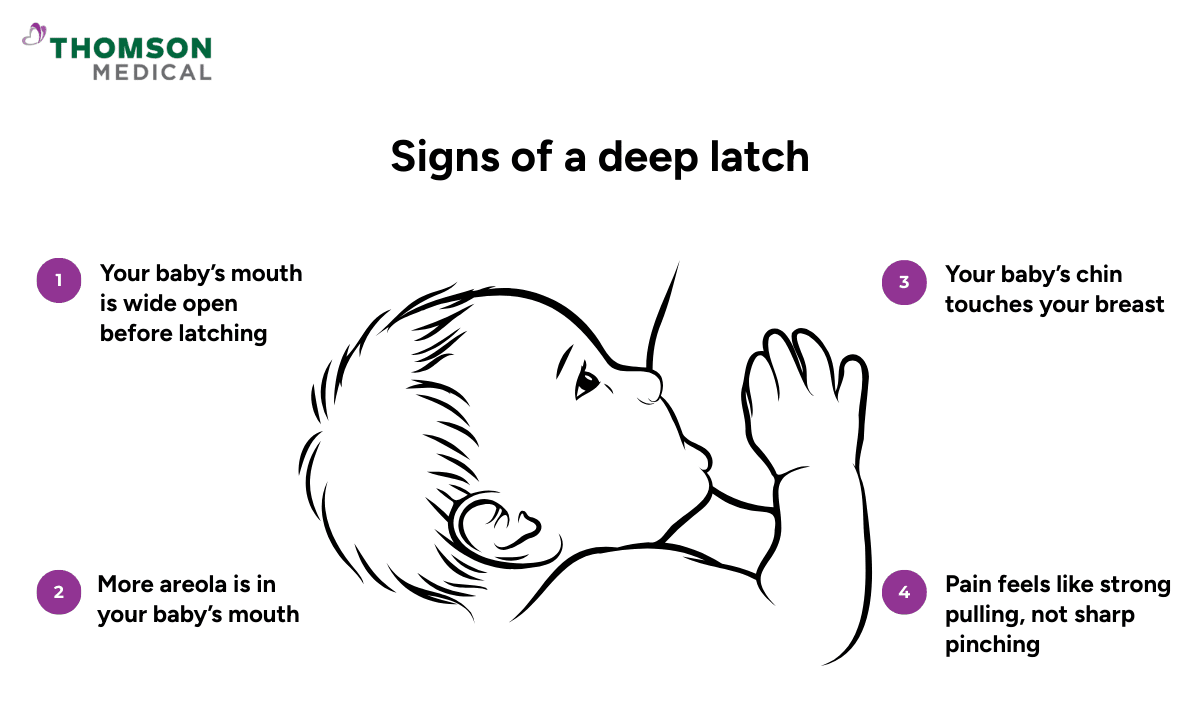
A deep latch is one where your baby attaches deeply to your breast tissue rather than pulling on the nipple alone.
When your baby gets a deep latch, you may notice:
Your baby’s mouth is wide open before latching
More areola is in your baby’s mouth below the nipple than above
Your baby’s chin touches your breast
Pain feels like strong pulling, not sharp pinching
A deep latch helps your nipples heal by taking pressure off the sore spots and makes it less likely the cracks will come back. It also helps your baby get the breast milk to flow better, swallow less air, and spit up less.
This is why you hear so much about getting a deep latch in antenatal classes, and your lactation consultant works with you on it carefully, step by step.
Steps to help you get a better latch
Getting a deep latch might sound hard at first, but it's usually simpler than it seems.
Here's what to try:
Bring your baby to your breast
Line up your baby's head, neck, and body so they're straight
Wait until their mouth opens wide before you latch them on
If it doesn't feel right, gently unlatch and try again
Latching is not something you or your baby are expected to get perfect straight away. It's something you're both learning together, one feed at a time.
When breastfeeding hurts, it’s natural to wonder whether this journey is right for you. But nipple pain doesn’t define your ability or your commitment. With patience, gentle support, and time for your body to heal, many mothers find their way forward that feels kinder and more comfortable for both them and their baby.
If you’d like extra guidance, request an appointment with Thomson ParentCraft Centre. Our experienced lactation consultants can work closely with you and your baby, helping both of you learn how to coordinate and achieve a deeper, more comfortable latch together.
FAQ
Can I use a nipple shield for cracked nipples?
A nipple shield may help some mothers temporarily, but it should be used with guidance to ensure your baby transfers milk well and to avoid masking latch issues.
Do hydrogel dressings heal cracked nipples?
Hydrogel dressings can soothe nipple soreness and protect healing skin, but they work best alongside latch correction rather than as a stand-alone solution.
Is pumping better for cracked and sore nipples?
Pumping can be helpful as a short break from direct breastfeeding to allow healing, but excessive or incorrect pumping can also irritate your nipples.
What are signs of a bad latch?
Signs of an incorrect latch may include:
Ongoing sharp nipple pain
Nipples that look flattened or creased after feeds
Clicking sounds during feeds
Frequent slipping off your breast
How long will it take cracked nipples to heal?
Once the latch is adjusted, many mothers see improvement within 3–5 days, with noticeable healing over 1–2 weeks.
Can pumping too much damage nipples?
Yes, high suction, incorrect flange size, or very frequent pumping can cause friction and contribute to nipple pain or damage.
The information provided is intended for general guidance only and should not be considered medical advice. For personalised recommendations based on your medical conditions, request an appointment with Thomson Medical.
For more information, contact us:
Thomson ParentCraft Centre
Thomson Breast Centre
Request an Appointment