

Muscle tension that won't go away, back pain that keeps coming back, stress that sits in your neck and shoulders – these are the kinds of discomforts that don't always respond to the usual remedies.
Cupping therapy offers a different approach by placing specially designed cups on your skin that gently draw blood flow toward the areas where you're holding tightness, encouraging your muscles to soften. Learning how this ancient practice supports your body's own healing rhythm can help you understand whether it might bring the relief you've been searching for.
What is cupping therapy?
Cupping therapy is a treatment where special cups are placed on your skin to create gentle suction. The suction draws your skin slightly upward, bringing fresh blood flow to the area and encouraging your body's natural healing process.
While cupping has roots in Traditional Chinese Medicine (TCM) stretching back thousands of years, it's also found its place in modern wellness. Many women find it helpful for easing stubborn muscle tension, managing stress in your shoulders, or simply creating space for rest in a busy week.
How does cupping work?
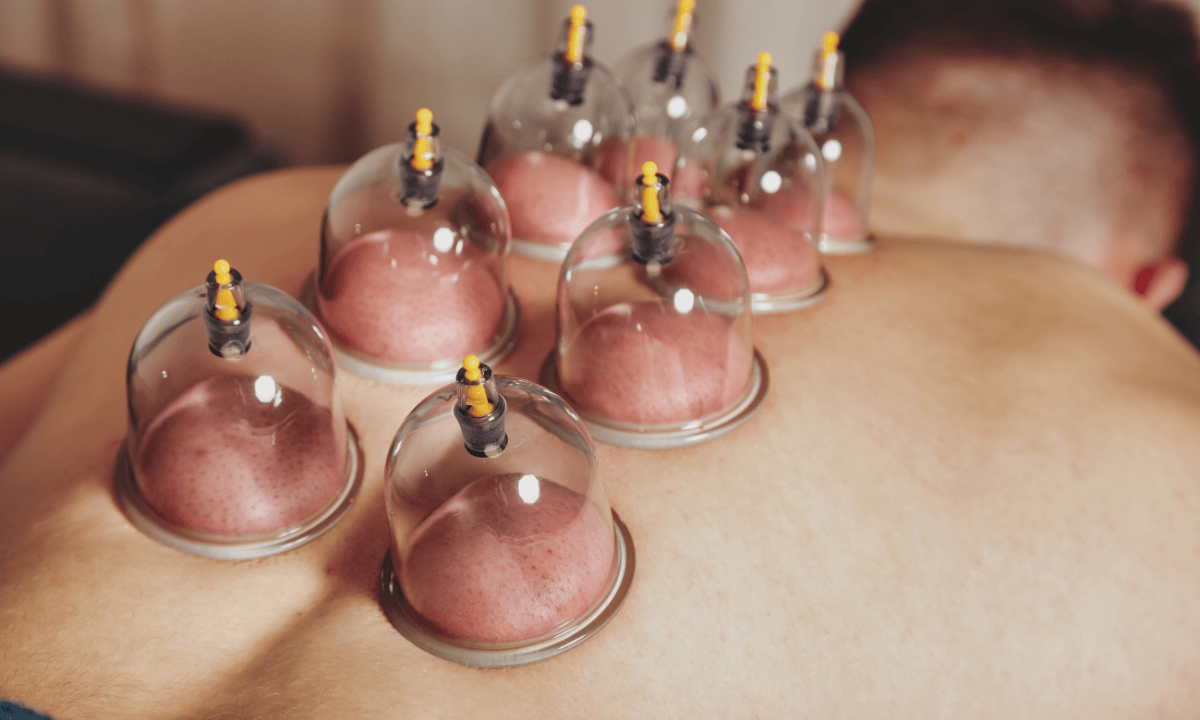
When you come in for a session, your physician places cups – usually made from glass, bamboo, or silicone – on areas where you're holding tension or discomfort. The cups create a vacuum effect, either through gentle heat or a manual pump, which creates negative pressure that lifts your skin and underlying tissues upward into the cup.
This suction increases local blood flow and microcirculation to the treated area, allowing more oxygen and nutrients to reach the tissues whilst supporting the removal of metabolic waste.
The mechanical stimulation signals your nervous system to relax tight or overactive muscles, reducing pain and stiffness, and activates your body's natural healing and repair processes. Most would describe the sensation as similar to a firm massage or a steady pulling feeling.
Our physician in Singapore
Loading...
Types of cupping therapy
Your TCM physician will choose different cupping techniques based on what your body needs and their training approach. Each method offers something different, and understanding them can help you know what to expect during your session.
Dry cupping
This is the most common form of cupping you'll encounter. Your physician places cups on your skin and creates suction, leaving them in place for 5 to 15 minutes. The cups stay still throughout the session, working on specific areas where you're holding tension. If you're new to cupping, this gentler method is usually where you'll start.
Moving or sliding cupping
Your physician applies oil to your skin before placing the cups, then gently glides them across your body rather than leaving them stationary. This creates a massage-like effect that's particularly helpful for releasing tension across larger areas like your back or thighs.
Fire cupping vs modern cupping
Fire cupping is the traditional approach where a flame is briefly placed inside the cup to create a vacuum before it's placed on your skin. As the air cools, suction forms naturally. While this technique is still used, many practitioners now use modern cupping sets with hand pumps or mechanical devices that create suction without heat.
Both approaches are effective, though modern cupping gives your therapist more precise control over the suction level and may feel more comfortable for you.
If you're unsure which type of cupping would work for your needs, schedule an appointment with Thomson Chinese Medicine. Our physicians can help to address your concerns and explain which approach would be suitable for your condition.
Benefits of cupping therapy
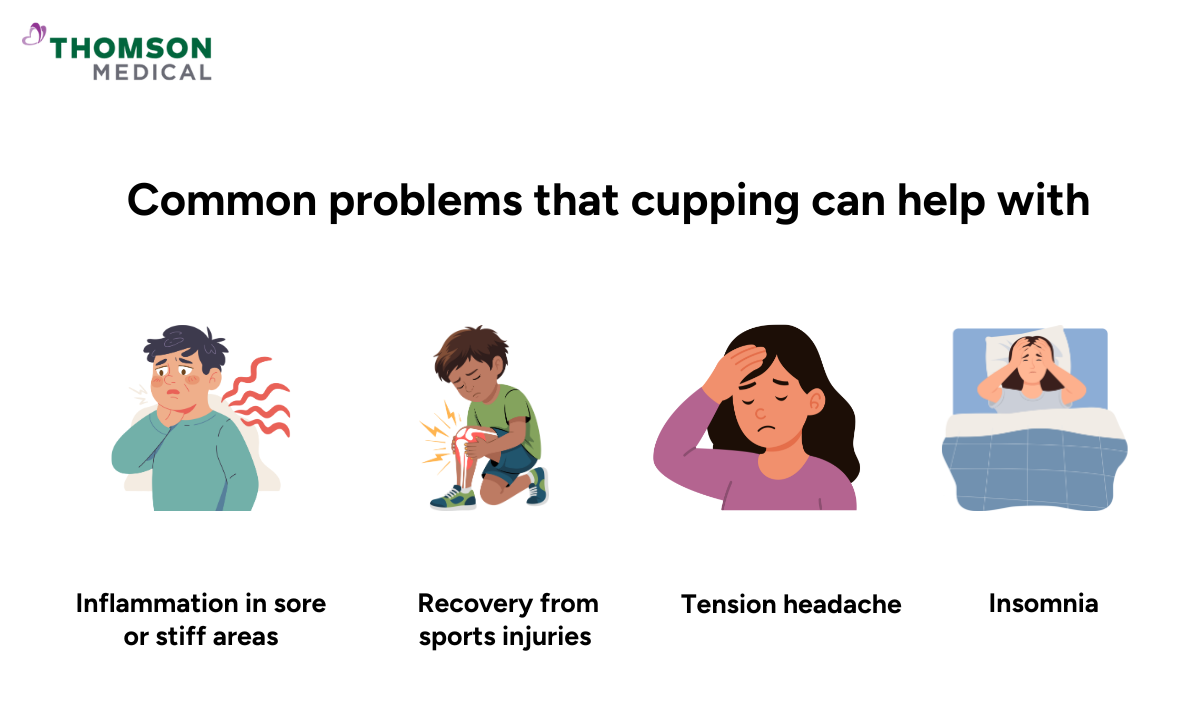
Many women explore cupping therapy when they're looking for relief from persistent physical discomfort. While everyone's experience is different, there are some benefits that women commonly notice.
Cupping may help ease muscle pain and tension, particularly in your back, neck, and shoulders. The increased blood flow to treated areas can support your body's recovery after exercise or injury. Some women find relief from ongoing concerns like back and knee pain or arthritis-related discomfort, though how much it helps can vary.
Women also turn to cupping for support with:
Improving circulation throughout your body
Reducing inflammation in sore or stiff areas
Supporting recovery from sports injuries
Easing tension headaches
Promoting relaxation and better sleep quality
Some physician also use cupping to address respiratory issues like coughs or congestion. If you're thinking about cupping for a specific health concern, it's worth having a conversation with your doctor first to see if it's right for you.
What to expect during a cupping session
If you've never tried cupping before, knowing what happens during a session can help ease any worry. Your first session usually begins with a conversation about what's been troubling you and what you're hoping to achieve. This helps your therapist tailor the treatment to what your body needs.
During the session, you'll lie down comfortably while your therapist applies the cups to targeted areas. You'll feel a pulling sensation as the suction takes effect, similar to a deep tissue massage. It might feel a bit unusual at first, but it shouldn't hurt. If you do feel sharp pain or significant discomfort, let your therapist know so they can adjust the suction.
The cups stay in place for 5 to 15 minutes. Afterwards, you'll see those characteristic circular marks on your skin where the cups were placed. These marks are completely normal – they show where blood flow has increased and usually fade within a week or two.
Your therapist may suggest drinking plenty of water after your session and taking it easy with exercise for the rest of the day. Most sessions last 30 to 60 minutes, giving you time to relax and let your body respond to the treatment.
If you're curious about trying cupping but still have questions about what to expect or whether it's right for you, schedule an appointment with Thomson Chinese Medicine. Our physicians can walk you through the process and help you feel comfortable before your first session.
FAQ
Does cupping hurt?
Cupping shouldn't be painful. Most people describe the sensation as a firm pull or tight pressure, similar to a deep tissue massage. You might feel slight discomfort initially as your skin adjusts to the suction, but this feeling usually subsides quickly.
How long do cupping marks last?
The circular marks normally fade within 5 to 14 days, depending on your skin type and the intensity of the treatment. Darker marks don't necessarily mean better results – they simply indicate more blood was drawn to the surface. The marks are painless and will gradually lighten from dark purple to yellow before disappearing.
How many cupping sessions do I need to see results?
This varies based on your condition and treatment goals. Some people feel relief after one session, while chronic issues may require multiple treatments over several weeks. Your therapist can recommend a treatment plan during your consultation.
Usually, starting with 3 to 6 sessions spaced a week apart helps determine if cupping is effective for you.
Are there any side effects of cupping therapy?
Side effects are generally mild and may include temporary skin discolouration, slight soreness, or dizziness immediately after treatment. Some people experience mild itching as the marks fade. These effects are temporary and resolve on their own.
Can I do cupping if I'm on blood thinners?
You should avoid cupping therapy if you're taking blood-thinning medications like warfarin or aspirin, as this increases your risk of bruising and bleeding. Always inform your therapist about all medications you're taking, and consult your doctor before starting cupping therapy.
Is cupping therapy safe?
When performed by a trained professional, cupping is generally safe for most people. However, you should avoid cupping if you're pregnant or have skin conditions, bleeding disorders, or open wounds. Always disclose your medical history to your therapist and consult your doctor if you have concerns about whether cupping is suitable for you.
The information provided is intended for general guidance only and should not be considered medical advice. For personalised recommendations and advice based on your conditions, schedule an appointment with Thomson Chinese Medicine today.
Physician Jun Negoro
Traditional Chinese Medicine
Thomson Chinese Medicine (TCM Paragon Medical Centre) and 1 other
English, Mandarin
Alliance MediNet
