

Pelvic pain at times can be frustrating, especially when you are unsure what is causing it. You may have heard about terms like "endometriosis" and "ovarian cysts" and may wonder how they differ or are they the cause of your symptoms.
While both conditions can cause pelvic discomfort, they develop in different ways and require different approaches to treatment. Understanding these differences can help you better interpret your symptoms and decide when to seek further medical advice.
What is endometriosis?
Endometriosis is a condition where tissue similar to the lining of your uterus grows in other places within your abdomen or pelvic area. This tissue may appear on your intestines, fallopian tubes, or ovaries. When this happens, it leads to inflammation and fibrosis that can cause intense pain and discomfort.
This condition most commonly affects women between 25 and 40 years old. In some cases, it may also develop during the teenage years.
Fortunately, endometriosis is treatable. Many women with this condition lead fulfilling lives with the right care plan.
What is an ovarian cyst?
An ovarian cyst is a solid or fluid-filled sac within or on your ovary. These cysts are very common. In fact, many women develop them at some point in their lives.
The good news is that ovarian cysts are usually harmless and can disappear on their own.
Types of ovarian cysts
Not all ovarian cysts are the same.
There are five main types of ovarian cysts, including:
Functional cyst (simple cyst):
This is the most common type of ovarian cyst. Fortunately, it is not disease-related. It occurs naturally as part of your ovulation and can go away on its own.
Cystadenoma:
This benign cyst forms on the surface of your ovary. It may be filled with thin, watery fluid or thicker mucous material.
Dermoid cyst:
Also known as a teratoma, this type consists of cells that can develop into various body tissues, sometimes including hair, skin, or teeth.
Endometrioma:
This is a subtype of endometriosis, in which tissue similar to the lining of the uterus attaches to the ovary and forms a cyst, called an endometrioma.
Ovarian cancer:
This type is made up of cancerous cells within the ovary. However, this type is quite rare. Most ovarian cysts are non-cancerous, especially if you're still having regular periods.
Most ovarian cysts don't require any treatment at all. If your doctor finds a cyst during a routine check-up, they'll usually just monitor it to make sure it resolves on its own.
Key differences between endometriosis and ovarian cysts

Both endometriosis and ovarian cysts affect your reproductive organs, but they behave differently. Here’s how they differ from each other:
Endometriosis | Ovarian cyst | |
Nature of disease | Chronic disease causing tissue growth | Fluid-filled sac in the ovaries |
Causes | Hormonal or genetic factors | Menstrual cycle or underlying condition |
Contents | Thick, dark, old blood (chocolate cyst) | Clear fluid, blood, or tissues |
Pattern | Deeply embedded and rarely resolves on its own | Many resolve on their own |
Impact on fertility | Can cause infertility | Depends on the type. Some may affect fertility |
Endometriosis tends to be a chronic condition that needs ongoing management, while ovarian cysts are usually just temporary visitors that leave without intervention.
If you're reading this and feeling uncertain about which condition might be affecting you, that's completely normal. Your doctor can help figure out what's going on and guide you towards effective treatment.
If you're wondering if you might have either of these conditions, schedule an appointment with Thomson Medical for further evaluation.
Our gynaecological oncology specialist
Loading...
Causes and risk factors comparison
So what actually causes endometriosis and ovarian cysts? Knowing the reason behind them can help you better understand what’s happening in your body.
Endometriosis
The main causes of endometriosis are hormonal and genetic factors. It means if your mother or sister has endometriosis, you may have a higher chance of developing it too.
However, having a family history doesn’t guarantee you’ll get endometriosis. It’s just one factor in a bigger picture. Researchers are still working to fully understand all the factors that contribute to this condition.
Ovarian cysts
Ovarian cysts, on the other hand, usually develop as a natural part of your menstrual cycle. Most of them will resolve on their own after a few months.
In less common cases, cysts may form due to conditions such as:
Endometriosis
Pelvic infections
Developing an ovarian cyst doesn’t mean something is wrong with your body. It’s just a normal part of your reproductive system’s monthly cycle.
Can endometriosis cause ovarian cysts?
Yes, endometriosis can lead to a specific type of ovarian cyst known as an ovarian endometrioma.
It happens when tissue similar to your uterine lining forms on or within your ovary. This tissue thickens and bleeds during each menstrual cycle. However, because this blood has nowhere to go, it becomes trapped and leads to inflammation and the formation of an endometrioma.
If you've been diagnosed with endometriosis and your doctor has also found a cyst on your ovary, they'll check whether it's an endometrioma. Knowing this connection allows you and your doctor to develop a care plan that’s effective for your specific situation.
Symptoms comparison
Endometriosis and ovarian cysts can sometimes feel similar. However, the symptoms they cause often present in different ways. Recognising these differences can help you describe your experience more clearly to your doctor.
Endometriosis
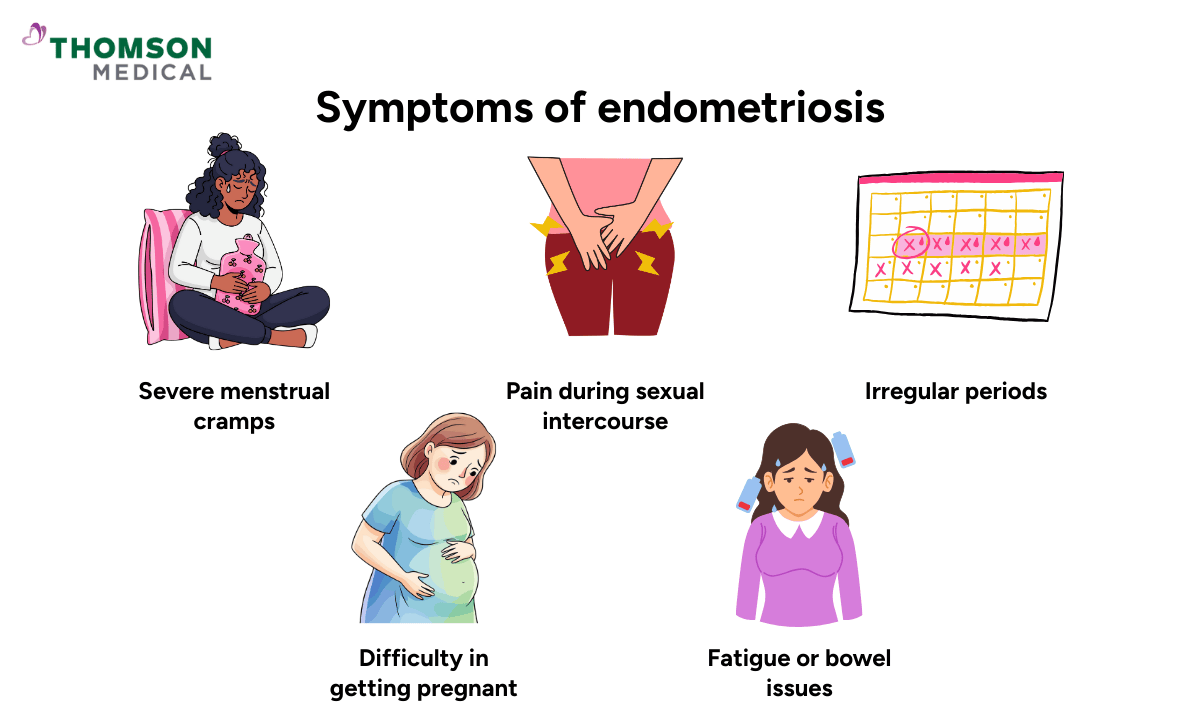
The main symptom of endometriosis is severe menstrual cramps that can disrupt your daily life.
Beyond this, you may also experience:
Pain during sexual intercourse (dyspareunia)
Irregular periods
Infertility or difficulty in getting pregnant
Chronic fatigue or bowel issues
It’s natural to feel worried if these symptoms sound familiar. Your doctor can help you understand your symptoms and explore options that suit your unique situation.
Ovarian cysts
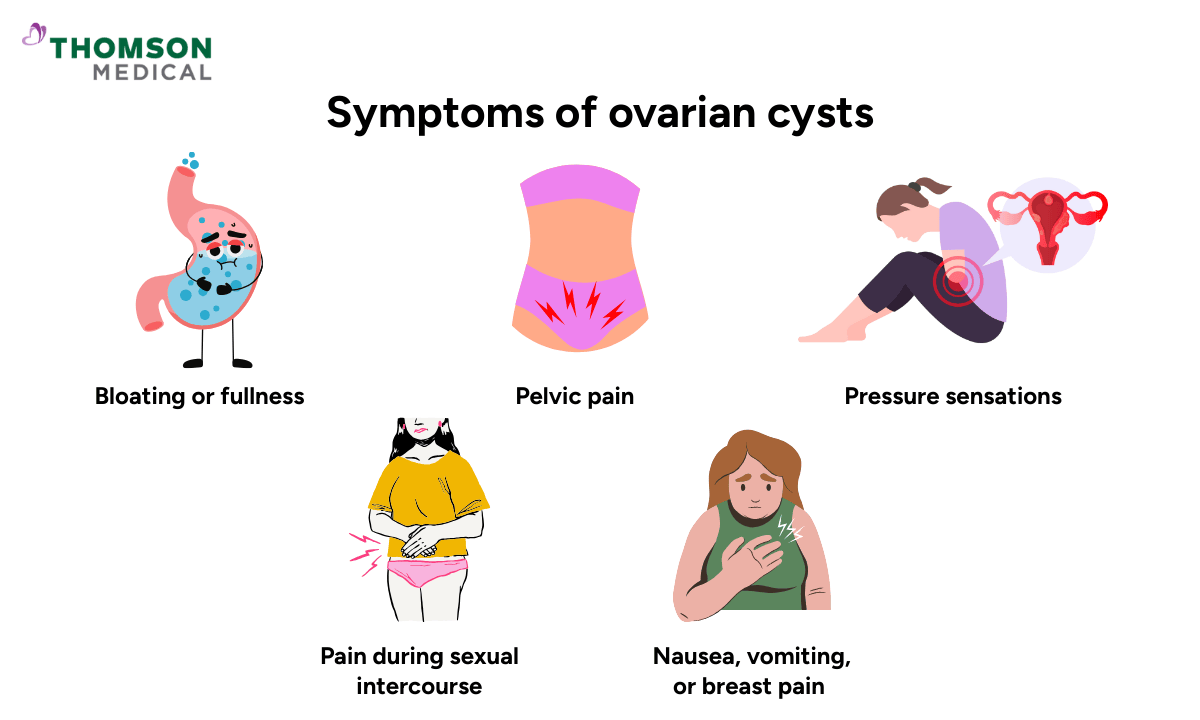
Ovarian cysts usually show no symptoms. In fact, many cysts are only discovered during routine check-ups for unrelated reasons.
When symptoms do appear, you may notice:
Bloating or fullness in the abdomen
Pelvic pain when the cyst ruptures or twists
Pressure sensations when the cyst becomes larger and presses on neighbouring structures
Pain during sexual intercourse
Nausea, vomiting, or breast pain
However, unlike endometriosis, these symptoms are usually temporary rather than chronic.
Endometriosis symptoms tend to follow your menstrual cycle and persist over time. Ovarian cyst symptoms, in contrast, are often more sudden and may come and go as the cyst changes or resolves.
If you're experiencing any of these symptoms, noting when they occur and how you feel can help your doctor better understand your experience and make an accurate diagnosis.
Diagnosis comparison
Getting the right diagnosis is the first step towards feeling better. To figure out what’s happening in your body, your doctor will use several tools.
Endometriosis
For endometriosis, your doctor may recommend:
Ultrasound:
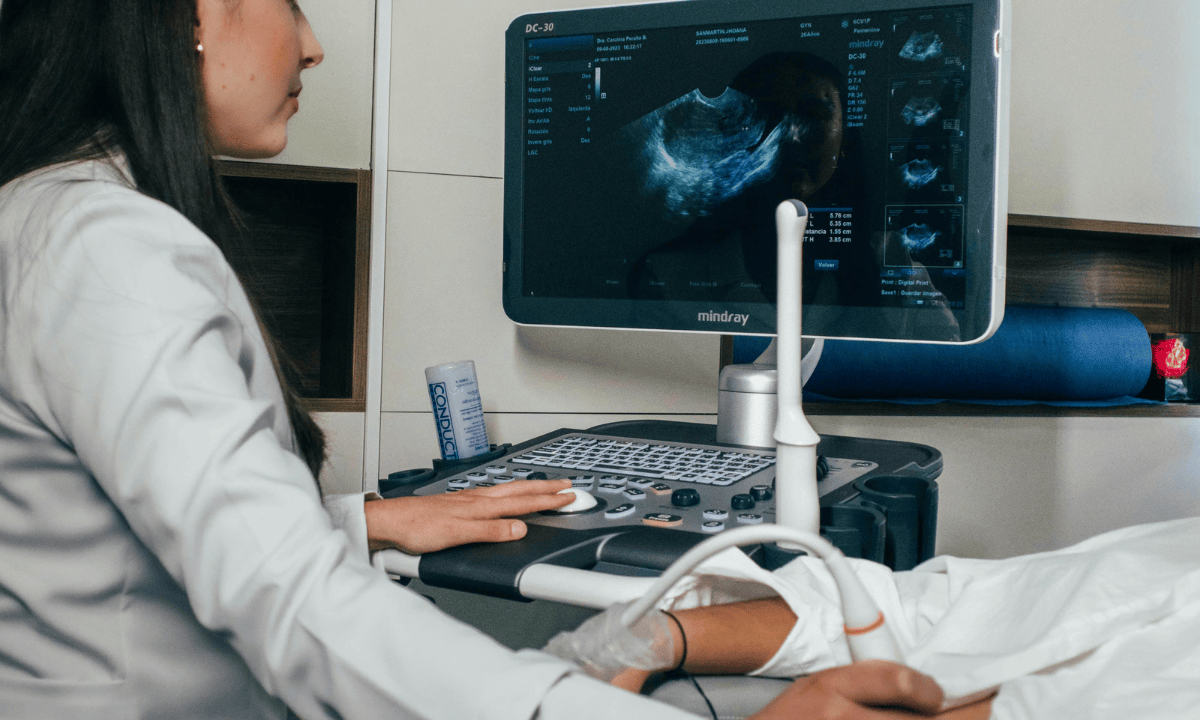
This imaging test helps look for the ovarian endometriomas or infiltrating endometriosis nodules that may affect other organs, such as your bladder, bowel, or other pelvic structures.
Laparoscopy:
Ultrasound can't always detect all types of endometriosis, especially the smaller patches. That’s why your doctor may recommend a laparoscopy.
During the procedure, your doctor will insert a small camera through a tiny incision to assess the severity of endometriosis.
It may sound scary, but laparoscopy is considered the gold standard for diagnosis. If your doctor finds endometriosis during the procedure, they can remove it right away, so you won't need a second surgery.
Ovarian cysts
For ovarian cysts, diagnosis is usually more straightforward. You’ll be recommended:
Ultrasound:
This test gives your doctor a clear picture of your ovaries. It helps your doctor identify the size, location, character, and type of cyst you have.
Blood tests:
In some cases, your doctor might also order blood tests to check hormonal levels or tumour markers.
It’s natural to feel anxious about the diagnostic process. Your doctor will explain each step and what they're looking for. Knowing what to expect can help ease your worries and prepare you better for the next steps.
Treatment comparison
Endometriosis
For endometriosis, your treatment plan will combine different approaches tailored to your symptoms and whether you want to have children in the future.
Here’s what they may recommend:
Hormonal therapies:
These medications are often the first line of treatment. They help regulate your menstrual cycle and can reduce pain and inflammation.
Laparoscopic surgery:
Your doctor may recommend laparoscopic surgery to remove the endometrial tissue. This can provide relief from symptoms and improve your chances of conception if you're trying to get pregnant.
Assisted reproductive technologies:
If you’re facing fertility challenges due to endometriosis, assisted reproductive technologies such as in vitro fertilisation (IVF) can be highly successful.
Having endometriosis doesn't mean you can't have children. In fact, many women with this condition go on to have healthy pregnancies with the right support.
Ovarian cysts
For ovarian cysts, your doctor will suggest treatment based on your cyst's size and your symptoms:
Watchful waiting:
If you have small, asymptomatic ovarian cysts, your doctor will likely suggest monitoring the cysts with follow-up ultrasounds.
Hormonal treatment:
If you're experiencing symptoms or if the cyst is larger, your doctor may prescribe hormonal treatment such as contraceptive pills to help prevent new cysts from forming.
Surgical treatment:
Your doctor will only recommend surgery for large cysts or those causing significant symptoms. This procedure is usually straightforward, and many women recover quickly.
It’s important to note that the treatment plan will be personalised for your unique situation. Your doctor will consider different factors, including your symptoms, age, fertility goals, and personal preferences, when recommending treatment options.
Don't be afraid to ask questions or express your concerns. Open communication with your doctor helps ensure your treatment plan aligns with what matters most to you.
If you have concerns about your ovarian health, schedule an appointment with Thomson Medical to get the personalised care you deserve.
FAQ
Can I have both conditions at the same time?
Yes, it's possible to have endometriosis and ovarian cysts at the same time. In fact, this is more common than you might think. If you have endometriosis, you may develop ovarian endometriomas, which are a type of ovarian cyst caused by endometriosis.
Your doctor will assess your specific situation and develop a treatment plan that addresses both issues. Some treatments, such as hormonal therapies, can actually help manage both conditions at once.
Can endometriosis be misdiagnosed as ovarian cysts?
Yes, this can happen because they share similar symptoms, such as:
Pain during menstruation
Pain during sexual intercourse
Fatigue
Abdominal bloating
However, ovarian cysts usually resolve within a few menstrual cycles, while endometriosis persists and often recurs over time. If you've been diagnosed with an ovarian cyst but your symptoms continue or worsen over months, your doctor may investigate further for endometriosis.
Can endometriosis be cancerous?
Endometriosis is not a precancerous condition, and it does not cause cancer. However, women with endometriosis may have a slightly higher chance of getting epithelial ovarian cancer compared to the general population.
Therefore, it is important to have regular check-ups with your doctor and to report any new or changing symptoms.
Can I live a long life with endometriosis?
Yes, most women with endometriosis can live a long and fulfilling life. Endometriosis itself is not considered a fatal disease. With proper management and treatment, you can keep symptoms under control and maintain a good quality of life.
When should I start worrying about an ovarian cyst?
You should seek medical advice if you have these symptoms:
Persistent severe pelvic or abdominal pain
Nausea or vomiting
Dizziness
Difficulty breathing
These symptoms may indicate ovarian cyst rupture or torsion, which warrants immediate medical attention.
What percentage of ovarian cysts turn cancerous?
Most ovarian cysts are benign (non-cancerous), and the risk of malignancy is very low. For simple, fluid-filled cysts, the risk of cancer is less than 1%.
With complex cysts – those with solid parts, septations, or nodules – the risk can reach 10% or more.
The information provided is intended for general guidance only and should not be considered medical advice. For personalised recommendations and advice based on your unique situation, please consult a specialist at Thomson Medical. Request an appointment with Thomson Medical today.
For more information, contact us:
Thomson Specialists (Women's Health)
Thomson Women's Clinic (TWC)
- Novena:
6592 6686 (Call), 8611 8986 (WA) - Bukit Batok:
6569 0668 (Call), 8686 3525 (WA) - Choa Chu Kang:
6893 1227 (Call), 8282 1796 (WA) - Jurong:
6262 8588 (Call), 6262 8588 (WA) - Katong (female doctor):
6970 2272 (Call), 8611 9020 (WA) - Punggol:
6243 6843 (Call), 8811 0328 (WA) - Sembawang: 6753 5228
- Sengkang: 6388 8125
- Serangoon (female doctor): 6382 3313
- Tampines: 6857 6266
- Tiong Bahru: 6276 1525
Notice
The range of services may vary between TWC/TS locations. Please contact your preferred branch directly to enquire about the current availability.
Request an Appointment