

Fibroids may change the shape of the abdomen without changing much on the scales. Large fibroids take up space in the pelvis and may make the lower abdomen look and feel fuller, but they’re tissue rather than fat, and even sizeable ones usually account for a smaller amount of weight.
So if your clothes fit differently while the number hasn’t moved much, fibroids may be part of the picture. Here’s how fibroids affect abdominal size, what they do and don’t explain about weight, and which changes are worth mentioning to your doctor.
What are uterine fibroids?
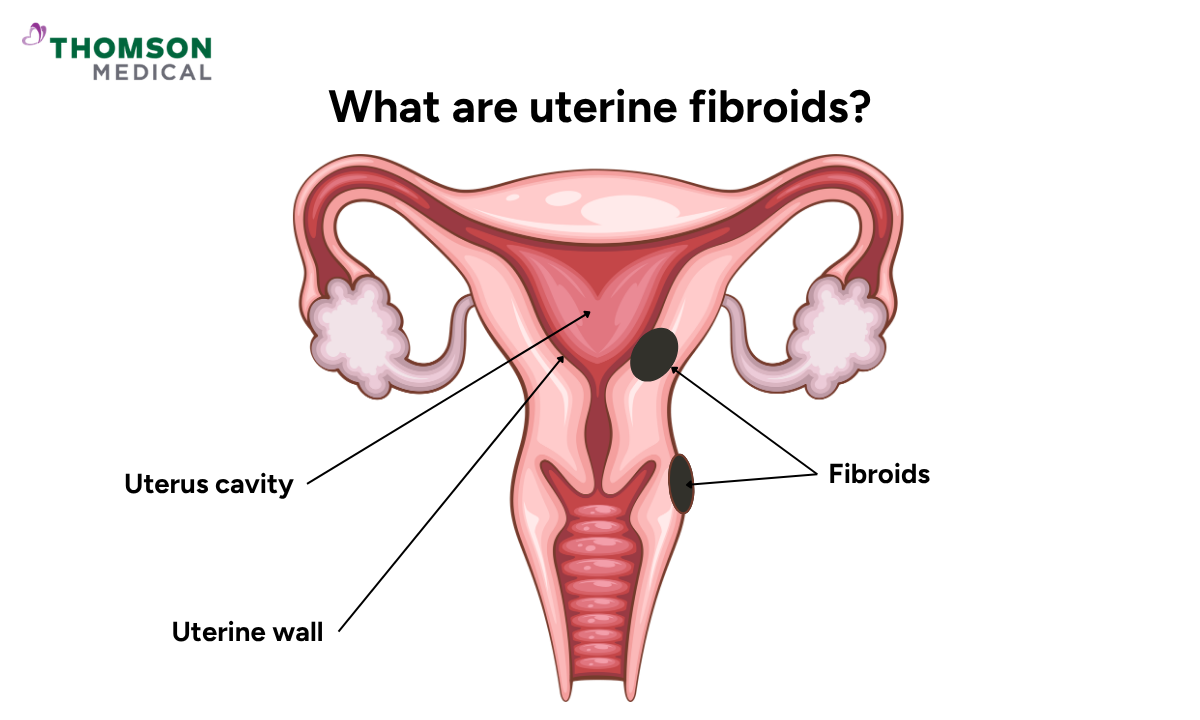
Uterine fibroids are benign (non-cancerous) growths that develop in or around the uterus. They grow from the smooth muscle tissue of the uterine wall and may vary widely in size and number. Some are barely detectable and cause no symptoms at all, while others grow large enough to visibly change the shape of your abdomen.
Fibroids are strongly influenced by hormones, particularly oestrogen and progesterone. This is why they are most common in women of reproductive age.
Do fibroids make you gain weight?
Unlike excess calorie intake, metabolic disorders or hormonal imbalances, they do not directly cause an increase in body fat. They also do not slow your metabolism or cause an increased appetite.
However, they could indirectly contribute to weight changes, particularly when they grow large and add to your overall body weight. Larger fibroids may sometimes become substantial in size and contribute to visible abdominal enlargement.
These changes often develop gradually and may be mistaken for weight gain. Symptoms such as pain, fatigue, and heavy menstrual bleeding may also make regular exercise more challenging, which may lead to weight gain over time. Hormones such as oestrogen could influence fibroid growth, so their size may fluctuate as hormone levels change.
If you've noticed changes such as bloating, a feeling of heaviness, or a change in how your clothes fit, and you're unsure whether fibroids may be involved, speaking with a doctor may help clarify what's going on. Request an appointment with Thomson Medical for a diagnosis.
Other reasons you might be gaining weight
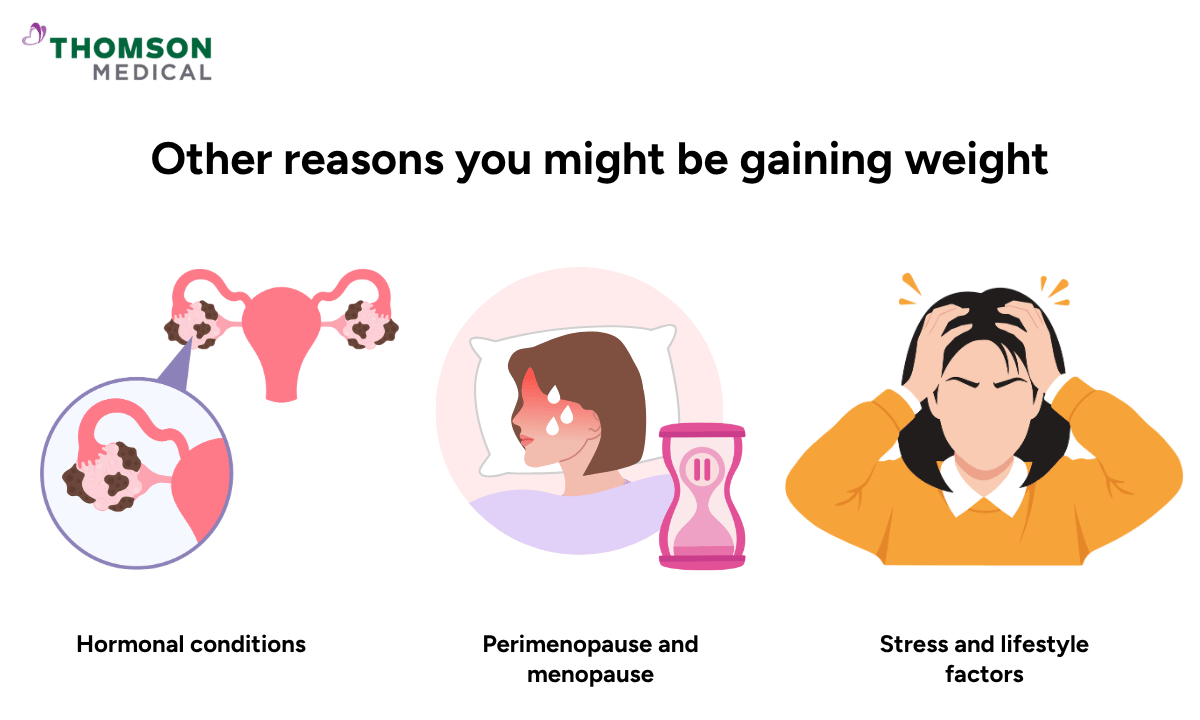
Fibroids are not always the reason behind weight changes. Several other health and lifestyle factors may also affect your weight, energy levels, and body shape.
Hormonal conditions
Certain hormonal imbalances may contribute to weight gain and changes around the abdomen. For example:
Polyendocrine metabolic ovarian syndrome (PMOS), formerly known as polycystic ovary syndrome (PCOS), may cause insulin resistance, irregular periods, and weight gain around the abdomen.
Hypothyroidism (an underactive thyroid) slows your metabolism and could lead to weight gain, fatigue, and fluid retention.
Perimenopause and menopause
Hormonal changes during perimenopause and menopause may also affect how your body stores weight. You may notice:
A slower metabolism
Fluctuating oestrogen levels
More weight settling around the abdomen
These changes often happen gradually and may overlap with fibroid symptoms.
Stress and lifestyle factors
Everyday habits may affect weight more significantly than you may realise. Persistent stress raises cortisol, a hormone that drives fat storage around the abdomen. When poor sleep, emotional eating, and low activity combine, they could make it much harder to maintain a healthy weight over time.
If heavy periods are leaving you exhausted or low in iron, that fatigue could make staying active harder. Over time, this may make it harder to maintain a healthy weight.
Our O&G specialists
Loading...
How doctors diagnose uterine fibroids
If you have been experiencing fibroid symptoms, your doctor may recommend further assessment to check for fibroids and rule out other possible causes. Your doctor will usually start with a physical examination of your abdomen and pelvis.
Your doctor may then recommend imaging tests such as:
Pelvic ultrasound, usually the first test used to detect fibroids, assess their size, and determine how many are present.
A pelvic MRI scan provides a more detailed view of your uterus and surrounding structures, particularly when treatment planning is needed.
Once fibroids are confirmed, your doctor will discuss management options based on your symptoms, the size and location of the fibroids, and your personal circumstances.
How to manage your weight when you have fibroids
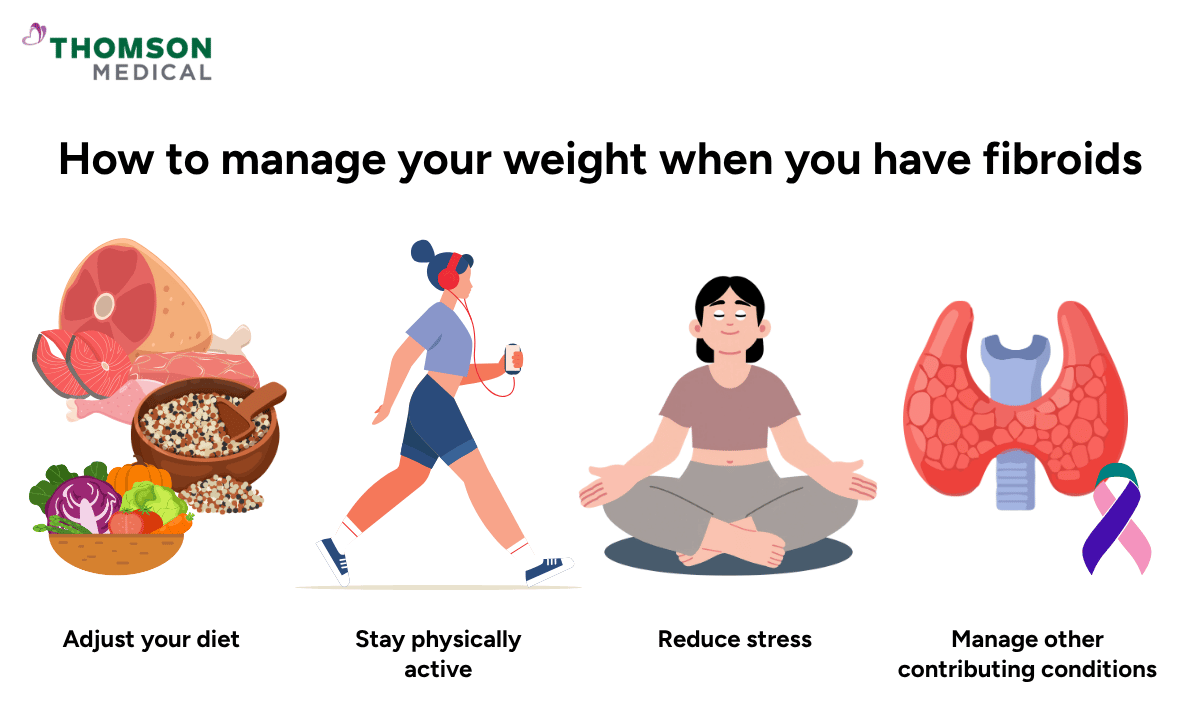
Managing your weight when you have fibroids often involves looking at your overall health, not just the fibroids themselves. Small, consistent habits may support your energy levels and hormone balance over time.
Adjust your diet
A balanced diet supports weight management and your overall health. This includes:
Fruits and vegetables
Whole grains
Lean proteins
Healthy fats
Reducing processed foods and added sugars helps limit inflammation and supports hormonal balance.
Stay physically active
Regular movement may support both your physical health and your mood. Low-impact activities are often easier to maintain, including:
Walking
Swimming
Yoga
Light strength training
Reduce stress
Ongoing stress could affect sleep, eating habits, and hormone regulation. Mindfulness, relaxation techniques, and consistent sleep habits may help ease stress and improve your sleep.
Manage other contributing conditions
Conditions such as PMOS, thyroid disease, or anaemia may also affect weight and energy levels. Treating these conditions appropriately may help you feel better and manage your symptoms more effectively.
If you are experiencing ongoing swelling in your abdomen, unexplained weight changes, or symptoms that are affecting your daily life, request an appointment at Thomson Medical. A specialist could assess whether fibroids or another condition may be the cause of weight gain and discuss your options.
FAQ
Do fibroids make it hard to lose weight?
Fibroids themselves do not directly prevent weight loss. However, symptoms such as pelvic pain, fatigue, bloating, or heavy bleeding can reduce your physical activity, which may make weight management more difficult.
Will my belly get flatter after uterine fibroid removal?
If the swelling was mainly caused by a large fibroid size, some women may notice a flatter abdomen after treatment or removal. The overall appearance also depends on factors such as body fat, muscle tone, swelling, and skin elasticity.
Does losing weight help prevent fibroids?
Weight loss does not remove existing fibroids, but maintaining a healthy weight may help support hormone balance, which could help ease some symptoms.
Can hormones affect my body weight?
Yes, hormones can indirectly affect body weight. Hormonal fluctuations may contribute to bloating, fluid retention, and changes in appetite. In some women, hormonal birth control or hormone therapy may also cause temporary water retention or mild weight changes.
Symptoms such as heavy bleeding, pelvic discomfort, and fatigue can also make it harder to keep up a regular exercise routine and healthy habits.
The information provided is intended for general guidance only and should not be considered medical advice. For personalised recommendations and tailored advice based on your unique conditions, request an appointment with Thomson Medical.
For more information, contact us:
Thomson Specialists (Women's Health)
Thomson Women's Clinic (TWC)
- Novena:
6592 6686 (Call), 8611 8986 (WA) - Bukit Batok:
6569 0668 (Call), 8686 3525 (WA) - Choa Chu Kang:
6893 1227 (Call), 8282 1796 (WA) Jurong:
6262 8588 (Call), 6262 8588 (WA)- Katong (female doctor):
6970 2272 (Call), 8611 9020 (WA) - Punggol:
6243 6843 (Call), 8811 0328 (WA) - Sembawang: 6753 5228
- Sengkang: 6388 8125
- Serangoon (female doctor): 6382 3313
- Tampines: 6857 6266
- Tiong Bahru: 6276 1525