

Acupuncture has been practised for centuries as a safe and natural therapy to restore balance, ease pain, and improve overall well-being. Today, more people are turning to it not only for stress relief and relaxation but also as part of managing long-term health problems.
In fact, many patients have found that acupuncture in chronic pain management – such as arthritis, migraines, or back pain – provides gentle yet lasting relief when other treatments fall short. But for those who have never tried it, one common question often arises, does acupuncture hurt?
Does acupuncture hurt?
Feeling anxious about needles is completely normal. If you’ve never experienced acupuncture before, it’s easy to assume it might be painful.
The reality is quite different. The needles are extremely thin, and most patients describe the sensation as mild tingling, light pressure, or gentle warmth rather than pain. In fact, many find the experience surprisingly relaxing.
Thus the short answer is no, acupuncture does not hurt as much as you think.
The acupuncture needle is thinner than you think
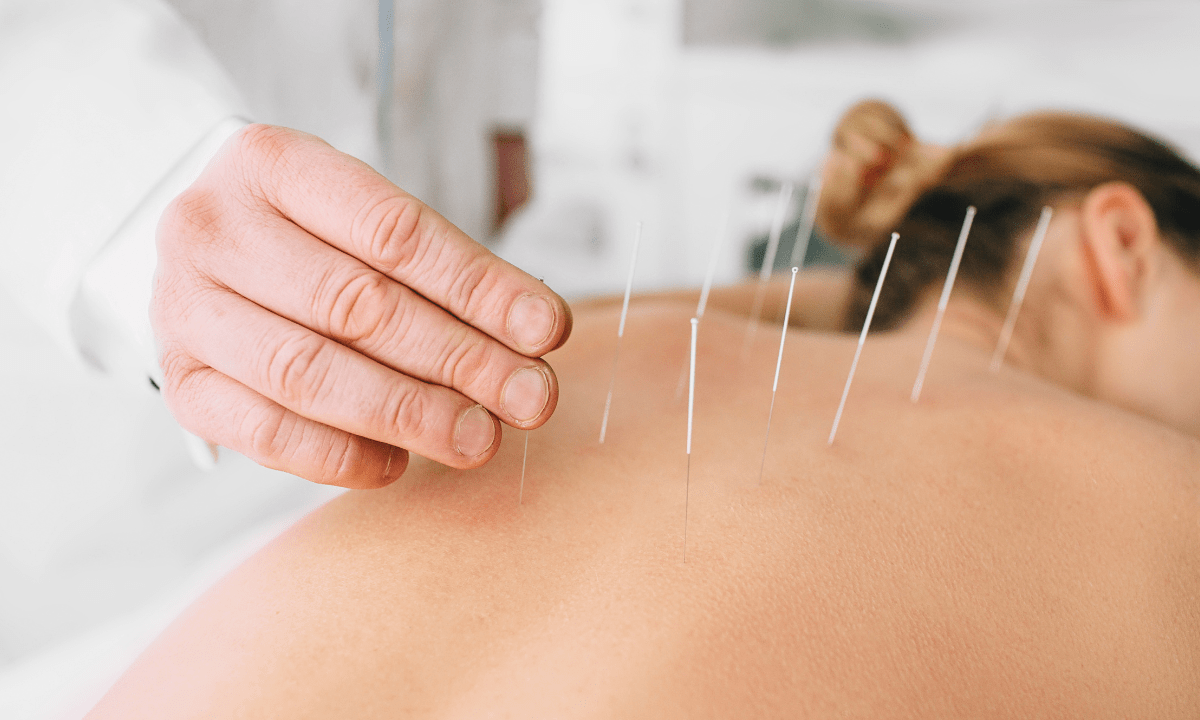
One of the primary fears surrounding acupuncture is the belief that the needles used are large and intimidating. However, this couldn’t be further from the truth.
Acupuncture needles are incredibly thin, around 0.2 millimetres in diameter – just about two times the thickness of a human hair. To put it into perspective, you could fit about 20-30 acupuncture needles into the hollow of a typical injection needle.
These needles are designed to be minimally invasive, ensuring a gentle insertion process to stimulate the body's natural healing processes.
Made from stainless steel, these needles are both durable and sterile. After a single use, they are safely disposed of, ensuring hygiene and peace of mind for patients.
The sensation, De-Qi and beyond
Contrary to the expected sharp pain, the sensation experienced during acupuncture is often described as a unique feeling known as De-Qi (得气)
According to Traditional Chinese Medicine (TCM), De-Qi is characterised by a mild ache, tingling, or warmth around the needle insertion site. This sensation is indicative of the therapeutic effect taking place, signalling that the body's energy flow, or Qi, is being influenced in a beneficial way.
Most people feel little to no pain when the needles are inserted. Instead, they might experience a slight tingling sensation or a mild ache, which is often followed by a sense of relaxation and well-being. While some sensitive points or areas might feel more tender, most patients find the experience soothing, and some even fall asleep during the session.
Physicians at Thomson Chinese Medicine are trained to ensure minimal discomfort by using gentle techniques and adjusting needle placement to ensure a gentle and therapeutic experience. Schedule an appointment today to experience acupuncture in a calm and supportive setting.
Our acupuncturists in Singapore
Loading...
Techniques of acupuncture
During your acupuncture session, your practitioner may gently adjust the depth or manipulate the needles to optimise treatment. This manipulation can produce sensations like:
Nerve sensation:
Sometimes, the needle might touch a nerve, causing a brief shooting sensation.
This is usually harmless and quickly disappears.
Trigger point release:
Acupuncture can sometimes target trigger points, which can cause a muscle to involuntarily contract.
This might feel odd initially but can be beneficial in releasing muscle tension.
Warmth or heaviness:
Many patients describe feeling a sense of warmth or heaviness around the needles, which is considered a positive sign.
All sensations are all normal responses indicating the treatment's effectiveness.
By manipulating the needles during the session, it enhances their therapeutic effects. This manipulation stimulates the nervous system, increases Qi circulation, and triggers the release of endorphins – natural painkillers that promote a sense of well-being.
3 tips for a comfortable acupuncture experience
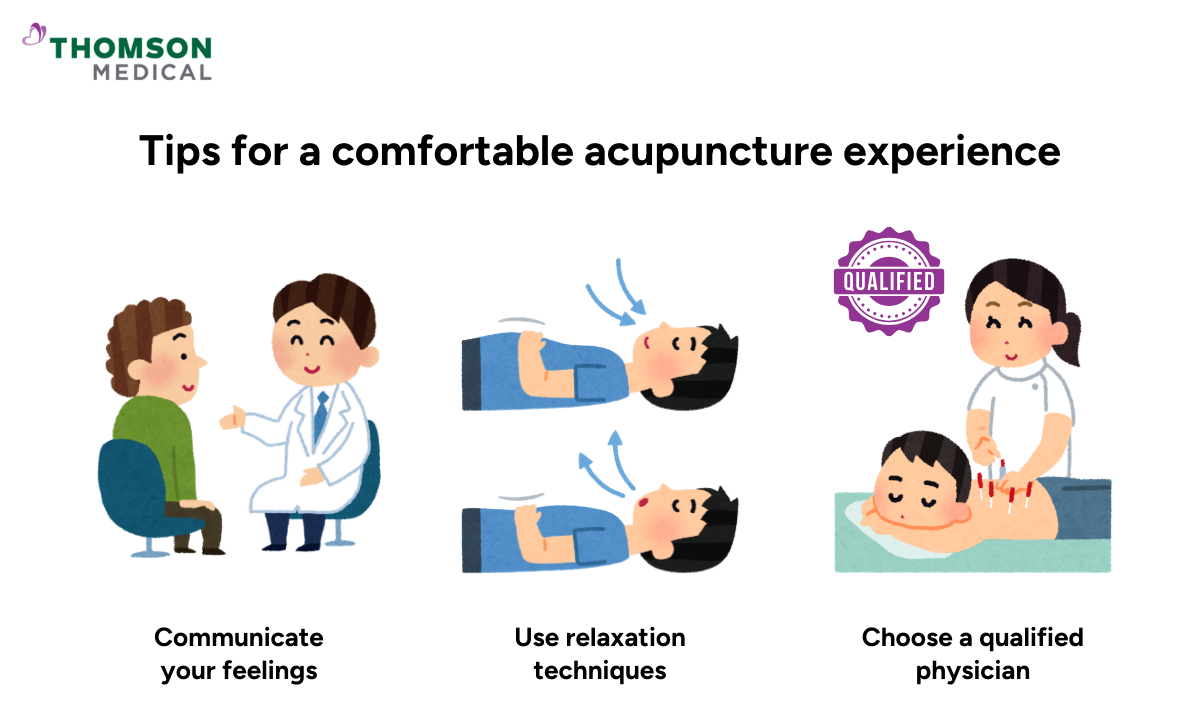
A little preparation and the right mindset can make your acupuncture session even more comfortable and reassuring, especially if it’s your first time.
Communicate your feelings:
Your physician is there to ensure your comfort. If you feel any discomfort, don’t hesitate to let them know.
Relaxation techniques:
Deep breathing and relaxation can help minimise any discomfort.
Choose a licensed acupuncturist:
It’s best to choose a physician who is registered with the TCM Practitioners Board.
Experience it for yourself
Don’t let the fear of needles deter you from experiencing the profound benefits of acupuncture. With its ability to manage pain, reduce inflammation, and promote overall well-being, acupuncture offers a holistic approach to healing that is far less intimidating than it might seem.
Whether you seek relief from musculoskeletal pain, stress-related ailments, fertility issues or chronic conditions, acupuncture can be a gentle yet powerful ally on your journey to health and vitality. Schedule an appointment with our physicians at Thomson Chinese Medicine for a personalised assessment and care plan that may include acupuncture as part of your treatment.
FAQ
Does acupuncture hurt the first time?
Most first-time patients feel only mild tingling or pressure rather than pain, and many find the experience surprisingly relaxing.
Where is the most painful place to get acupuncture?
Some sensitive areas, such as the hands, feet, or tight muscle spots, may feel slightly more tender, but discomfort is usually brief and manageable.
Do people cry during acupuncture?
Some people may become emotional during acupuncture, and that’s completely okay. As the body relaxes, emotional release can happen, and everyone’s response to treatment is different.
Does acupuncture hurt the next day?
You may feel mild soreness or heaviness in treated areas, like post-exercise muscle ache, which usually fades within a day.
How does acupuncture work to relieve pain?
Acupuncture stimulates the nervous system, improves circulation, and triggers the release of endorphins, helping reduce pain and inflammation.
Is 20 minutes of acupuncture enough?
Yes, a 20-minute session is often sufficient to achieve therapeutic effects, though the ideal duration depends on your condition and treatment plan.
The information provided is intended for general guidance only and should not be considered medical advice. For personalised recommendations and advice based on your unique situation, schedule an appointment with Thomson Chinese Medicine today.
Physician Jun Negoro
Traditional Chinese Medicine
Thomson Chinese Medicine (TCM Paragon Medical Centre) and 1 other
English, Mandarin
Alliance MediNet
