

Weight gain is a common concern during in vitro fertilisation (IVF), and it’s a change many notice partway through a cycle. Most of it comes down to fluid retention and bloating from hormone medication used for ovarian stimulation, rather thana lasting change in body weight.
Here’s how IVF may affect your weight, what’s typical during a cycle, and which signs are worth raising with your doctor.
What is IVF?
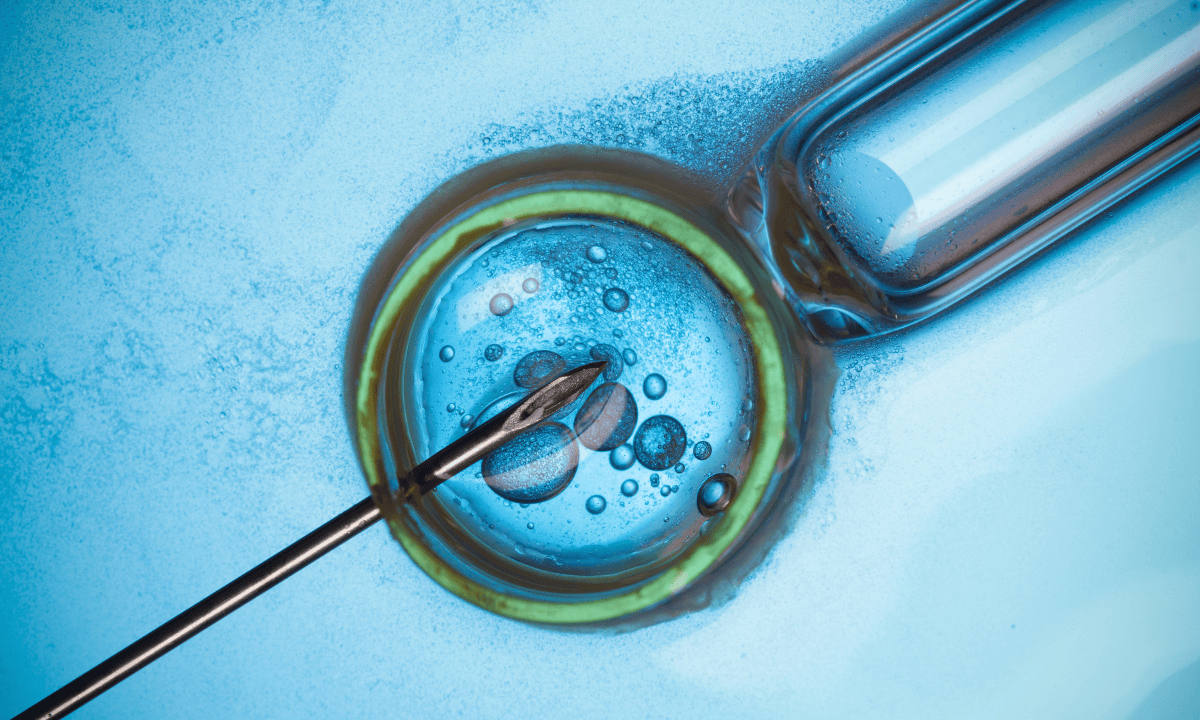
IVF is an assisted reproductive technology (ART) method that may help couples to achieve pregnancy when conception has not occurred naturally or when other fertility treatments have been deemed unsuitable by your doctor.
During the process, eggs are collected from the ovaries and fertilised with sperm in a laboratory to form embryos (early stages of development after an egg has been fertilised). A suitable embryo is then transferred into the uterus (womb), where it may implant and develop into a pregnancy.
Does IVF cause weight gain?
IVF treatment does not usually result in permanent weight gain or a lasting increase in body fat. However, there are a few factors that may contribute to temporary changes in body weight during treatment, causing some women to notice a temporary increase in their body weight.
Nevertheless, a change in weight does not necessarily indicate an increase in body fat, given that weight naturally fluctuates over short periods.
If you are concerned about weight changes during IVF and whether they may be related to your treatment, speak with an O&G doctor for medical advice based on your individual circumstances. Schedule an appointment with Thomson Medical.
Our fertility doctors in Singapore
Loading...
Why does weight gain happen during IVF treatment?
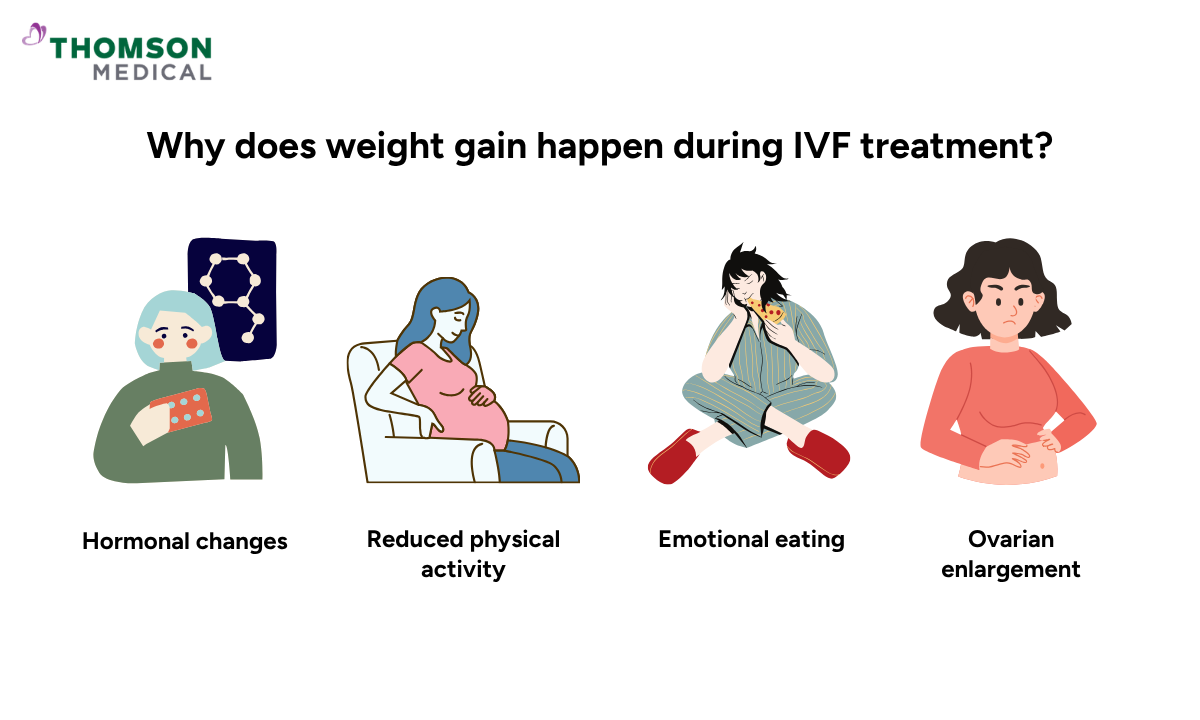
Several factors may contribute to temporary weight changes during IVF medications, such as:
Hormonal changes:
During ovarian stimulation (medication used to encourage several follicles to develop), rising oestrogen levels may cause your body to hold on to extra water (fluid retention). This may lead to temporary weight gain, bloating, and a feeling of fullness.
Other hormones, such as progesterone used after embryo transfer, may also affect appetite, causing some women to feel hungrier or experience stronger food cravings.
Reduced physical activity:
During certain stages of IVF, particularly when your ovaries are enlarged during stimulation and after the egg retrieval procedure, you may need to limit strenuous physical exercise.
This temporary reduction in physical activity, together with changes in appetite, may contribute to changes in body weight.
Changes in eating habits:
When you feel stressed or overwhelmed during IVF treatment, you may change your eating habits, such as eating more comfort foods.
This is sometimes known as emotional eating (eating in response to emotions rather than physical hunger) and may contribute to body weight gain.
Ovarian enlargement:
As several follicles develop during ovarian stimulation, your ovaries become larger and may cause abdominal discomfort, bloating, or a feeling of heaviness.
This may make you feel as though you have gained weight, although it does not necessarily reflect an increase in body fat.
When should weight gain be a concern during IVF treatment?
You should seek immediate medical attention if you gain around 1 kilogram within 24 hours or several kilograms over a few days. Particularly during ovarian stimulation or in the days after the egg retrieval procedure.
This could be due to a possible cause of ovarian hyperstimulation syndrome (OHSS), which is a complication of fertility treatment where the ovaries respond too strongly to IVF medications (egg stimulation medicines). This condition may cause fluid to leak from the blood vessels into the abdomen, leading to bloating, a swollen abdomen, and a rapid increase in body weight.
OHSS may range from mild to severe, with most cases being mild and improving with monitoring and supportive care. However, severe cases may require hospital treatment.
Seek urgent medical attention at A&E if you experience rapid weight gain alongside any of the following:
Worsening bloating
Abdominal pain
Nausea or vomiting
Reduced urination
A noticeably swollen abdomen
Difficulty breathing
Chest pain
Rapid heartbeat
How to manage weight changes during IVF treatment?
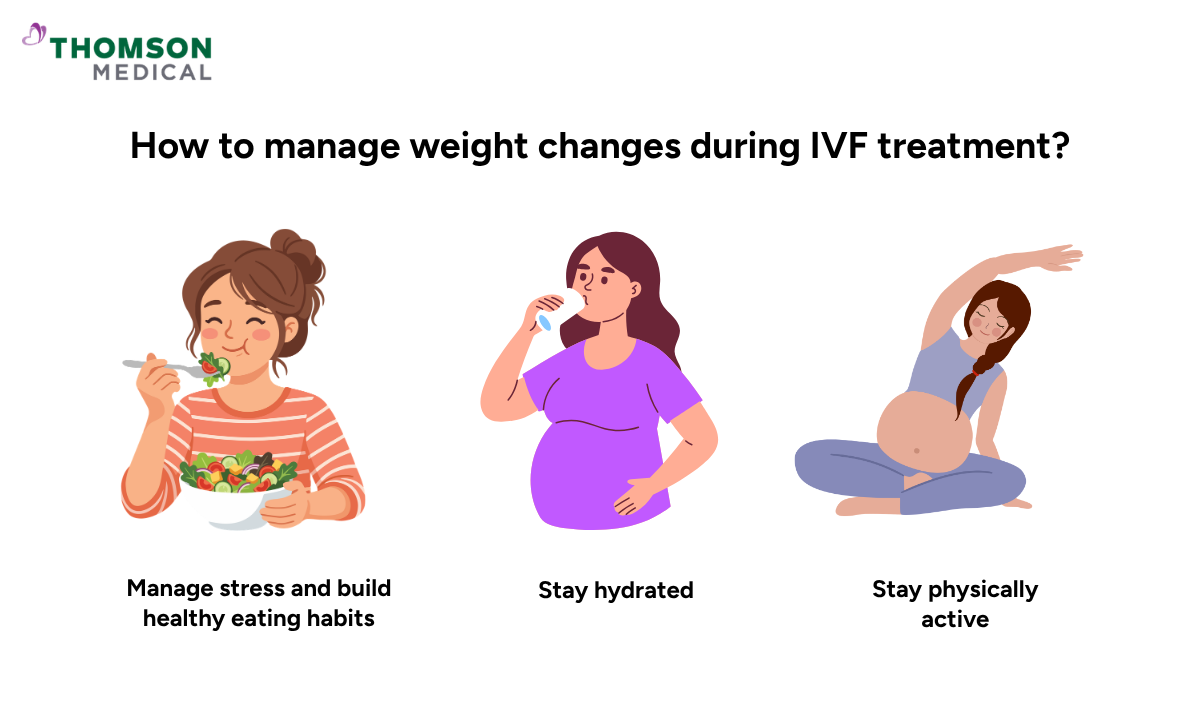
To help manage body weight changes and support your overall health throughout IVF treatment, here are some tips you could try:
Manage stress and build healthy eating habits:
You may feel emotionally drained and stressed after an egg retrieval or embryo implantation, which may affect your appetite and eating habits.
If you find yourself engaging in emotional eating, recognising your triggers could help you make more mindful choices.
Choose foods that provide balanced nutrition and fibre to help you feel fuller for longer, while limiting your intake of highly processed foods, fried foods, and foods high in added sugar.
Stay hydrated:
Drink enough water throughout the day to maintain good hydration and support normal digestion.
Stay physically active:
Do light to moderate activities such as walking or swimming, which may help you stay active during IVF treatment.
However, you may need to reduce or avoid strenuous exercise when your ovaries are enlarged during controlled ovarian stimulation or after egg retrieval.
This is because heavy exercise could increase the risk of ovarian torsion, which occurs when an ovary twists around the tissues supporting it.
FAQ
Does the type of IVF cycle affect weight gain?
Yes, the type of IVF treatment you receive may affect how much your weight changes during treatment. For instance, natural-cycle IVF uses little or no ovarian stimulation medication, so fluid retention and bloating may be less noticeable.
In contrast, stimulated IVF involves taking fertility medicines to encourage the development of several follicles, which may lead to increased hormone levels and temporary fluid retention. As a result, women undergoing stimulated IVF may experience a slight, temporary increase in weight.
Can weight gain affect IVF outcome?
A small, temporary increase in weight during an IVF cycle is not generally expected to affect the outcome of IVF treatment. However, your body weight and overall health before starting IVF may be more relevant to the outcome.
Factors such as obesity, diabetes, high blood pressure, and other health conditions may have a higher influence on fertility, pregnancy, and the risks associated with IVF treatment.
What is the normal weight gain during IVF?
There is no single amount of weight gain that is considered “normal” during IVF, as every woman may respond differently to treatment. But the average weight gain is around 600 g to 2.2 kg, which is mainly due to water retention or bloating.
This small increase is more likely to reflect temporary fluid retention, enlarged ovaries, and changes associated with developing follicles, rather than an increase in body fat levels.
How long does IVF weight gain last?
The small amount of weight gained during controlled ovarian stimulation is usually temporary and may settle within one to two weeks after the egg retrieval procedure. As hormone levels return to normal, your body gradually releases the extra fluid, and your ovaries return to their usual size.
If you experience weight changes after embryo transfer, progesterone may contribute to fluid retention or changes in appetite. However, if pregnancy occurs, some weight changes may continue as part of the normal changes that happen during early pregnancy.
The information provided is intended for general guidance only and should not be considered medical advice. For personalised advice based on your conditions, schedule a consultation with Thomson Medical.
Reference
Saar-Ryss, B., Shilo, M., Friger, M., Grin, L., Michailov, Y., Meltcer, S., Zaks, S., Rabinson, J., Lazer, T., Friedler, S. (2024). Is there any truth in the myth that IVF treatments involve weight gain?. Frontiers in reproductive health, 5, 1327110. https://doi.org/10.3389/frph.2023.1327110
For more information, contact us:
Thomson Fertility Centre
- Paragon: 6252 7766
- Novena: 6399 3758, 8811 0358 (WA)