
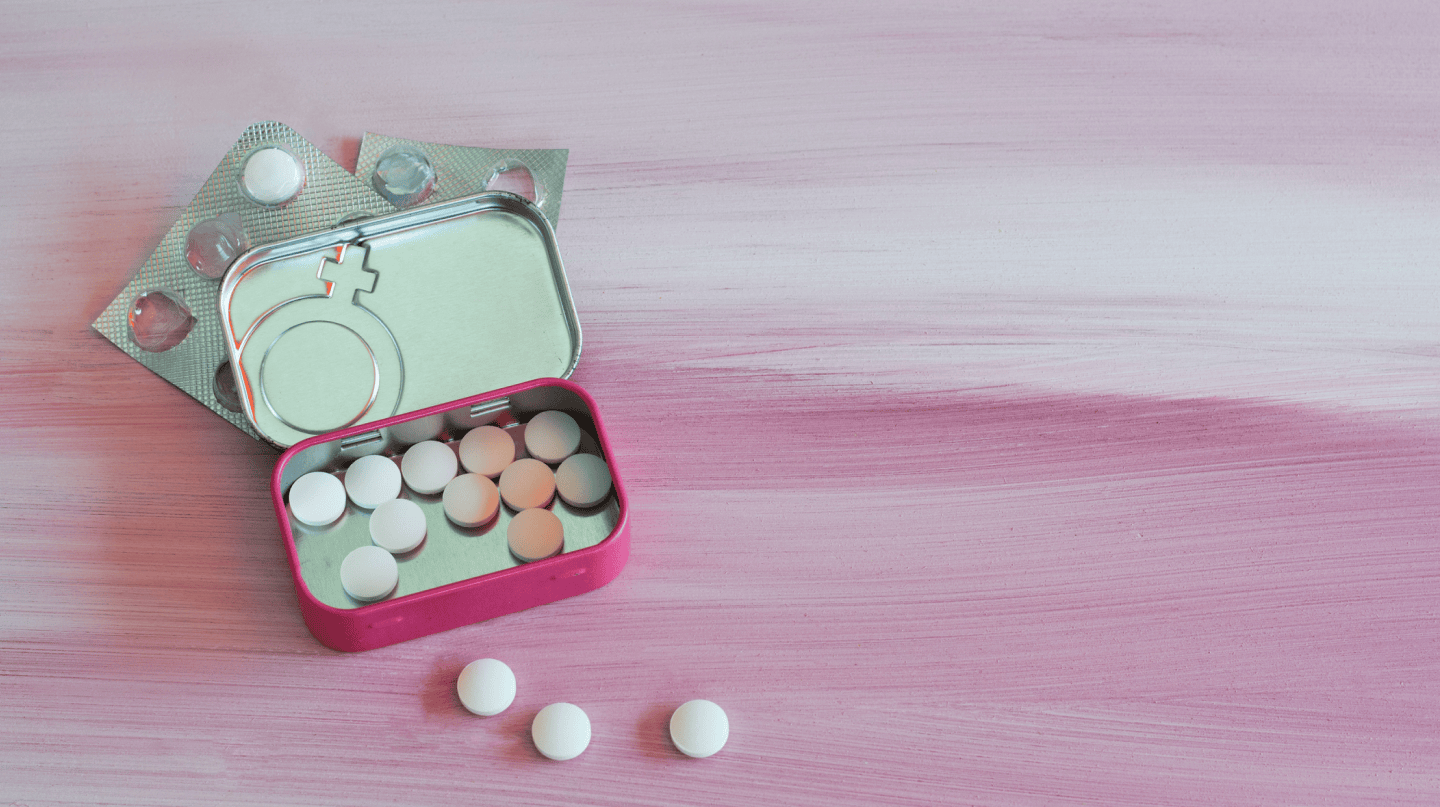
What is emergency contraception?
Emergency contraception (EC) refers to the methods of contraception that can be used to prevent pregnancy after unprotected sexual intercourse.
When should I take emergency contraception?
For optimal effectiveness, EC should be administered promptly after unprotected sexual intercourse, ideally within a 5-day window. It's important to note that EC is ineffective if pregnancy has already been established.
What are the types of emergency contraception available in the market?
There are two types of EC:
EC pills. There are three types of EC pills:
Ulipristal
Levonorgestrel pills (morning-after pill)
Combined EC pills.
How can I get morning-after pills in Singapore?

In Singapore, the "morning-after pill" is available only by prescription from a qualified doctor, including general practitioners. While most physicians can prescribe the pills, not all clinics stock them or have staff experienced in women's health issues. It's important to consult a doctor who can address your concerns without judgement.
Given the time-sensitive nature of morning-after pills (it's most effective when taken as soon as possible after unprotected intercourse), we recommend visiting a women's health clinic, such as Thomson Women's Clinic, which has 11 locations across Singapore.
Important: The woman requiring EC must consult the doctor herself. Partners cannot obtain the prescription on her behalf.
Our gynaecologists in Singapore
Loading...
How effective is emergency contraception?
The effectiveness of ulipristal is more than 85%, and it maintains a higher degree of effectiveness between 72 and 120 hours.3
Levonorgestrel can be taken as a single dose of 1.5 mg or two 0.75-mg doses taken at the same time or 12 hours apart within 72 hours of unprotected intercourse.3 There is decreased effectiveness as time passes after unprotected intercourse. The effectiveness ranges from 58% to 79%.
Combined EC pills are 56% to 86% effective, depending on the timeliness of use after unprotected intercourse; they are most effective when used within 72 hours and are less effective when used 72 to 120 hours after unprotected intercourse.3
A copper-bearing IUD is more than 99% effective in preventing pregnancy when inserted within 120 hours of unprotected intercourse. This is the most effective form of emergency contraception available.
Need more information on which type of contraception might suit you best? Request an appointment with Thomson Medical to get evaluated and receive advice on the best course of action based on your unique lifestyle.
Who needs emergency contraception?

EC is particularly relevant for:
Those forgetting to take several birth control pills in a row
Concerns about possible contraceptive failure
Those not using a birth control method during sexual intercourse and do not intend to get pregnant
Women who have been sexually assaulted
How to take emergency contraception?
IUD:
The copper IUD has to be inserted into the uterus by a certified and trained gynaecologist and can be removed during or after the next period.
EC pills:
Some can be bought over the counter without a prescription. Others require a prescription. For optimal effectiveness, it is recommended to take EC pills as soon as possible following unprotected sexual intercourse. Although they can be used up to 5 days after the event, their ability to prevent pregnancy decreases with time, making prompt use crucial.
What are the pros and cons of emergency contraception?
Pros
The EC pill is easy to take, accessible to most individuals, and readily available. It can be prescribed by any healthcare provider, and certain varieties are obtainable over the counter at an economical price.
It is considered safe, with no long-term side effects reported.
There are no adverse effects on infants born after an unsuccessful use of emergency contraception.
The emergency IUD offers a durable option for contraception. Once inserted, it can serve as a long-term, reversible contraceptive method for up to 5 years, depending on the type of IUD selected. This flexibility makes the emergency IUD a practical choice for those seeking immediate emergency contraception with the option for extended protection.
Cons
It’s not as effective as regular contraception. Taking it doesn’t guarantee that you won't get pregnant.
It doesn’t provide any protection against sexually transmitted infections, including HIV.
Taking the pill may cause some irregular bleeding or disrupt your periods, causing them to come earlier or later than expected. This is more likely to happen when it’s taken more than once.
The IUD needs to be inserted by a specially trained doctor, so it is not easily accessible. It can cause pain and discomfort during insertion, and there’s a small chance of developing an infection.
What are the side effects of emergency contraceptives?
EC pills have not been shown to cause any serious complications. Your next period may not occur at the expected time.
Other short-term side effects of EC pills can include the following:
Headache
Nausea and vomiting (especially if you are taking combined EC pills)
Breast tenderness
Abdominal pain
Dizziness
Fatigue
Irregular bleeding/spotting
With the copper IUD, menstrual pain and bleeding may increase in the first few months of use.
Where to get emergency contraception?
Emergency contraception is available at government health clinics, some general practitioner clinics, some genitourinary medicine (GUM) clinics, or hospital emergency departments.
Managing your contraception often requires a tailored approach based on your needs. Request an appointment with Thomson Medical to explore your available options and receive guidance aligned with your health and fertility goals.
FAQ
Is there anything that decreases the effectiveness of emergency contraception pills?
Being overweight or obese may decrease the effectiveness of EC pills. If you are overweight or obese, you may want to consider having a copper IUD inserted.
When can you start taking emergency contraception after giving birth?
Emergency contraception is not meant for long-term use after giving birth. However, you can use emergency contraceptive pills if you have sex without using contraception or if you think your contraception might have failed, provided it has been 21 days or more since the birth.
IUDs can be inserted within 10 minutes of placental separation or 4-6 weeks after giving birth.
Will emergency contraception delay my period?
Emergency contraception can sometimes affect your menstrual cycle. It's not uncommon for emergency contraception to cause changes in the timing of your next period. Your period might come earlier or later than usual, and you might experience spotting or irregular bleeding.
These changes are usually temporary and should be resolved within a month or two. If you're concerned about the timing of your period after taking emergency contraception, it's a good idea to consult a healthcare provider for personalised advice and guidance.
Does emergency contraception work during ovulation?
Emergency contraception can still be effective if taken during ovulation, but its effectiveness decreases the closer it is taken to ovulation.
Emergency contraception primarily works by preventing or delaying ovulation, which is the release of an egg from the ovary. If ovulation has already occurred, emergency contraception may be less effective, as it may not be able to prevent fertilisation or implantation of a fertilised egg.
However, emergency contraception can also make the uterine environment less conducive to implantation, which could potentially reduce the chance of pregnancy even if ovulation has already occurred. It's important to remember that emergency contraception is not 100% effective and should not be relied upon as a regular form of birth control.
Is the morning-after pill legal in Singapore?
Yes, birth control is fully legal in Singapore. It's widely available via prescriptions from GPs, gynaecologists, or polyclinics.
Can my boyfriend buy the morning-after pill for me?
No, your boyfriend cannot buy the morning-after pill (emergency contraception) for you in Singapore. It requires visiting a clinic or hospital with an obstetrics/gynaecology department yourself, and only women aged 16+ can receive it directly.
The information provided is intended for general guidance only and should not be considered medical advice. For personalised recommendations and tailored advice based on your unique situations, please consult a specialist at Thomson Medical. Request an appointment with Thomson Medical today.
References
American College of Obstetricians and Gynecologists 2021
World Health Organization
MICHELE C. BOSWORTH, MD, PATTI L. OLUSOLA, MD, AND SARAH B. LOW, MD. Am Fam Physician. 2014;89(7):545-550
For more information, contact us:
Thomson Specialists (Women's Health)
Thomson Women's Clinic (TWC)
- Novena:
6592 6686 (Call), 8611 8986 (WA) - Bukit Batok:
6569 0668 (Call), 8686 3525 (WA) - Choa Chu Kang:
6893 1227 (Call), 8282 1796 (WA) - Jurong:
6262 8588 (Call), 6262 8588 (WA) - Katong (female doctor):
6970 2272 (Call), 8611 9020 (WA) - Punggol:
6243 6843 (Call), 8811 0328 (WA) - Sembawang: 6753 5228
- Sengkang: 6388 8125
- Serangoon (female doctor): 6382 3313
- Tampines: 6857 6266
- Tiong Bahru: 6276 1525
Notice
The range of services may vary between TWC/TS locations. Please contact your preferred branch directly to enquire about the current availability.
Request an Appointment