

After an endometrial cancer diagnosis, food becomes complicated. You may be wondering whether your usual breakfast or a bowl of laksa is still fine and whether what you eat makes any difference to how treatment goes.
What matters more is eating enough to keep your strength up, which can be harder than it sounds when treatments may affect your appetite. Here’s what tends to help, what your care team watches for, and when to ask for a referral to a dietician.
Why diet matters for people with endometrial cancer
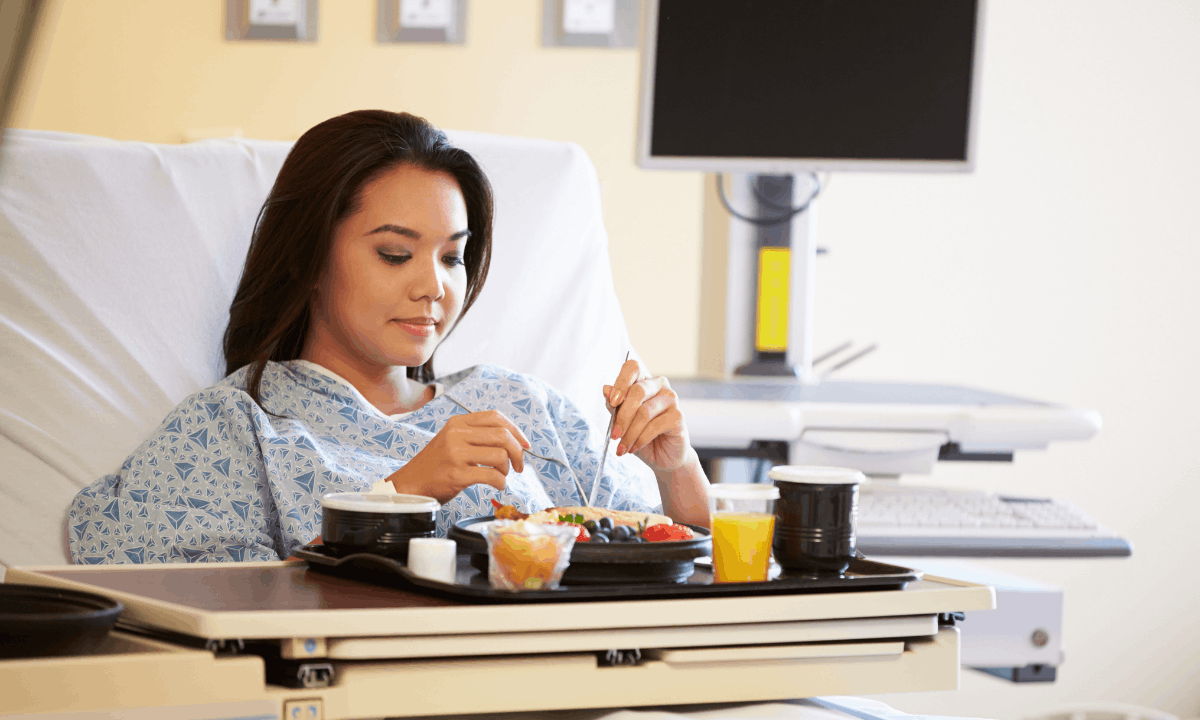
Women who are diagnosed with endometrial cancer usually have a treatment plan tailored to the stage and type of cancer, as well as their general health and treatment goals. Surgery is often the main treatment, although some women may also need radiotherapy, chemotherapy, or other types of treatment.
To support endometrial cancer management, it is recommended that you follow a healthy diet, as this may help you to:
Maintain strength by providing energy and protein to support your muscles. It could also reduce muscle and body weight loss, which may contribute to weakness and fatigue during endometrial cancer treatment.
Support recovery by providing the energy, protein, and nutrients your body needs to repair tissues. It also supports the immune function, which is important during recovery.
Manage several side effects from endometrial cancer treatment, especially those related to digestive issues.
While an appropriate dietary plan might help in several ways during endometrial cancer management, it cannot replace the actual cancer treatment.
How your diet may change before, during, and after treatment
Your diet may change before, during, and after endometrial cancer treatment, as the focus during each period is different.
Before treatment:
During this stage, your doctor may focus on addressing concerns such as a poor appetite, unintentional weight loss, diabetes, or bowel symptoms to ensure you are well nourished before treatment begins.
During treatment:
The priority is often to maintain your strength and nutritional status, prevent unintentional weight and muscle loss, and manage side effects that make eating or drinking difficult.
After treatment:
After the treatment, your doctor may shift the dietary focus towards regaining strength, managing any ongoing side effects, and supporting your long-term health.
To assess nutritional needs, treatment side effects, weight changes, and other health conditions, a dietitian usually helps tailor a diet plan for each period of the endometrial cancer treatment.
An endometrial diet may vary from woman to woman, as it is determined based on individual circumstances. To discuss the appropriate diet for you or someone close to you, consider a consultation with a doctor. Schedule an appointment with Thomson Medical.
What is the recommended diet for people with endometrial cancer?
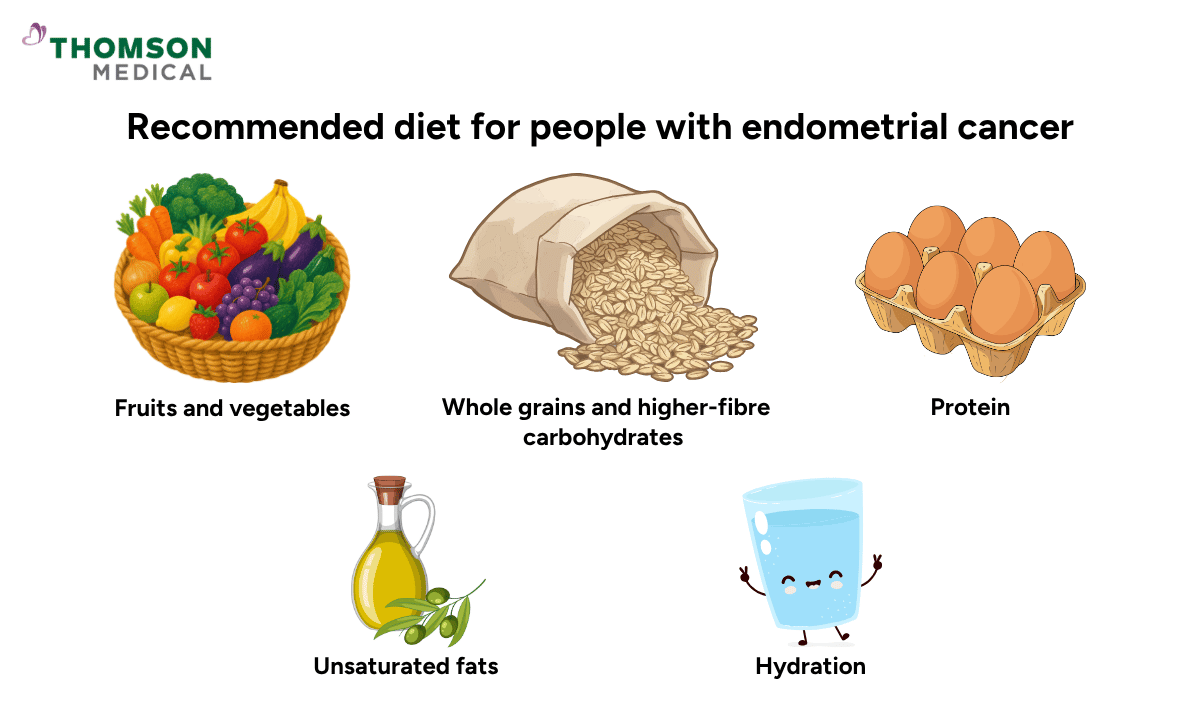
While there is no specific diet that is designed for women who experience endometrial cancer, it is generally recommended that you follow a balanced diet comprising a variety of foods to provide the necessary energy, protein, vitamins, and minerals.
To support nutrition and general health, here are some dietary suggestions you may try:
Filling more of your plate with fruits and vegetables
Fruit and vegetables provide fibre, vitamins, and minerals that support overall health. Their fibre content may also help maintain regular bowel movements. Additionally, choosing a variety of fruits and vegetables could help you get a wider range of nutrients.
Several vegetables that you may eat include:
Leafy vegetables, such as spinach and kailan
Broccoli
Carrots
Tomatoes
Meanwhile, eating a variety of fruits could also add more nutrition for your body. These fruit options include:
Papaya
Guava
Oranges
Berries
You may eat those vegetables and fruit fresh, frozen, and canned with no added sugar.
Choosing whole grains and higher-fibre carbohydrates
Eating higher-fibre carbohydrates, such as whole grains, could support regular bowel habits and steady energy levels. Your options for higher-fibre carbohydrates include:
Oats
Brown or mixed-grain rice
Wholemeal bread
Quinoa
Barley
Wholegrain noodles
However, your fibre intake may need to be adjusted temporarily if you have diarrhoea, bowel surgery, a bowel narrowing, or other digestive-related symptoms during treatment.
Eating enough protein
Protein helps in maintaining and repairing body tissues, which is usually needed to maintain weight, preserve muscle, and recover after surgery. You may include these protein sources in your diet:
Eggs
Poultry
Tofu
Tempeh
Beans
Lentils
Yoghurt, milk, or other dairy alternatives
Your doctor will advise on how much protein you need to take, so they will help ensure that you are eating enough protein.
Choosing unsaturated fats
Unsaturated fats could be a healthier choice for your heart, as they may help lower LDL cholesterol, or “bad” cholesterol. Unsaturated fats could be found in:
Plant oils, such as olive oil, canola oil, and sesame oil
Nuts
Seeds
Avocado
Oily fish, such as mackerel, sardines, and salmon
Eating foods with unsaturated fats is generally recommended for cardiovascular health, which may help to improve your overall wellbeing during and after treatment.
Other than the diet mentioned above, some endometrial cancer treatments, such as chemotherapy, could raise the risk of dehydration, so you need to stay hydrated.
Additionally, several digestive-related symptoms, such as vomiting and diarrhoea, may cause fluid loss, which could make you require drinking more than usual.
Our endometrial cancer specialists
Loading...
What foods and drinks to limit
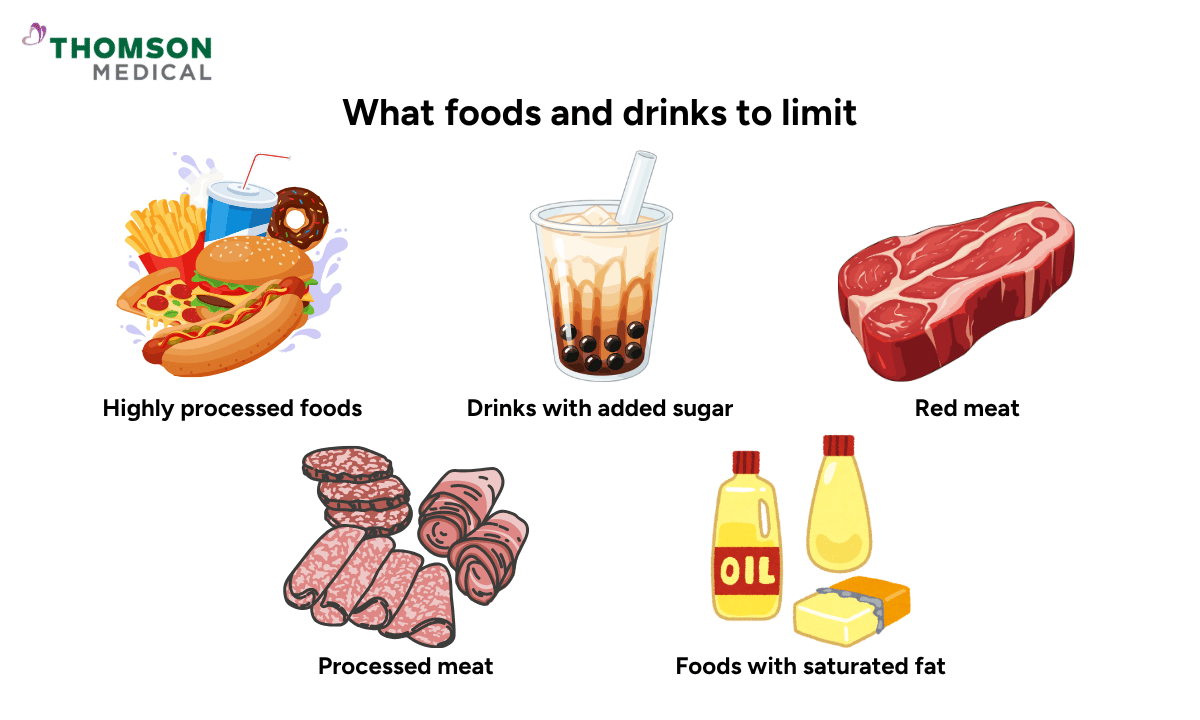
Although there is no specific list of foods that a woman with endometrial cancer must completely avoid, it may be helpful to limit certain foods and drinks as part of a balanced diet.
Here are several foods and drinks that are recommended to limit:
Highly processed foods: could be high in calories but may provide relatively few nutrients.
Drinks with added sugar: may add a large amount of sugar with little nutritional value and may contribute to weight gain when consumed regularly.
Red meat: the cancer-prevention guidance recommends no more than around 3 portions of red meat a week.
Processed meat, such as bacon and sausages: the cancer-prevention guidance recommends eating them only in very small amounts.
Foods with saturated fat: regularly eating foods high in saturated fat may contribute to weight gain and affect heart health.
Alcohol: may interact with some medicines or worsen certain treatment side effects.
When to see a doctor
If you or someone close to you has endometrial cancer and struggles with eating and drinking problems, seek medical help to prevent the problems from becoming more serious. Visit a doctor if you experience:
Poor appetite or difficulty eating for several days
Unexplained weight loss or difficulty maintaining weight
Nausea or vomiting that does not improve with prescribed medicine
Diarrhoea, constipation, mouth soreness or changes in taste that make it difficult to eat or drink
If you or someone you are caring for experiences persistent poor appetite, unexplained weight loss, or other conditions mentioned above, contact a doctor for further assessment. Schedule an appointment with Thomson Medical.
FAQ
Is there a diet that can lower the risk of endometrial cancer?
As of now, there is no specific diet that can lower the endometrial cancer risk. However, long-term healthy habits can help reduce risk. These habits include:
- Eating a balanced diet that supports a healthy weight
- Limiting high-calorie foods and drinks, which can lead to weight gain
- Being physically active without overexerting yourself
- Limiting alcohol and avoiding smoking
How can you eat enough when you have nausea or no appetite?
When nausea or a poor appetite makes eating difficult, try having smaller meals and snacks more often instead of three large meals. You can eat at the time of day when you feel able to, choose foods you tolerate well, and sip fluids regularly between meals. Additionally, taking anti-nausea medicine as prescribed may also help.
Can a diet reduce the chance of endometrial cancer recurrence?
There is no specific diet that can reduce the chance of endometrial cancer recurrence. However, a balanced diet may support your overall health and help with weight management after endometrial cancer is treated.
Can you drink coffee with milk if you have endometrial cancer?
You can drink coffee with milk in moderation if it does not worsen your symptoms and your doctor has not advised you to avoid caffeine. However, you may need to limit it temporarily if it causes or worsens nausea, diarrhoea, acid reflux, or sleep problems.
The information provided is intended for general guidance only and should not be considered medical advice. For personalised advice based on your conditions,schedule an appointment with Thomson Medical.
References
Clinton, S. K., Giovannucci, E. L., & Hursting, S. D. (2020). The World Cancer Research Fund/American Institute for Cancer Research Third Expert Report on Diet, Nutrition, Physical Activity, and Cancer: Impact and Future Directions. The Journal of nutrition, 150(4), 663–671. https://doi.org/10.1093/jn/nxz268
For more information, contact us:
Thomson Medical Concierge
- 8.30am - 5.30pm
- WhatsApp: 9147 2051
Need help finding the right specialist or booking for a group?
Our Medical Concierge is here to help you. Simply fill in our form, and we'll check and connect you with the right specialist promptly.
Notice:
The range of services may vary between Thomson clinic locations. Please contact your preferred branch directly to enquire about the current availability.
Get In Touch