

Once treatment for endometrial cancer is complete, the worry about recurrence rarely disappears entirely. It helps to know that most recurrences, when they happen, occur within the first three years, which is why follow-up appointments are closest together during that period and spaced out over time.
The likelihood of recurrence varies a great deal depending on the stage, type and grade of the original cancer. Here’s what’s known about endometrial cancer recurrence, the factors that may influence it, where it tends to occur, and the symptoms worth reporting between appointments.
What does an endometrial cancer recurrence rate mean?
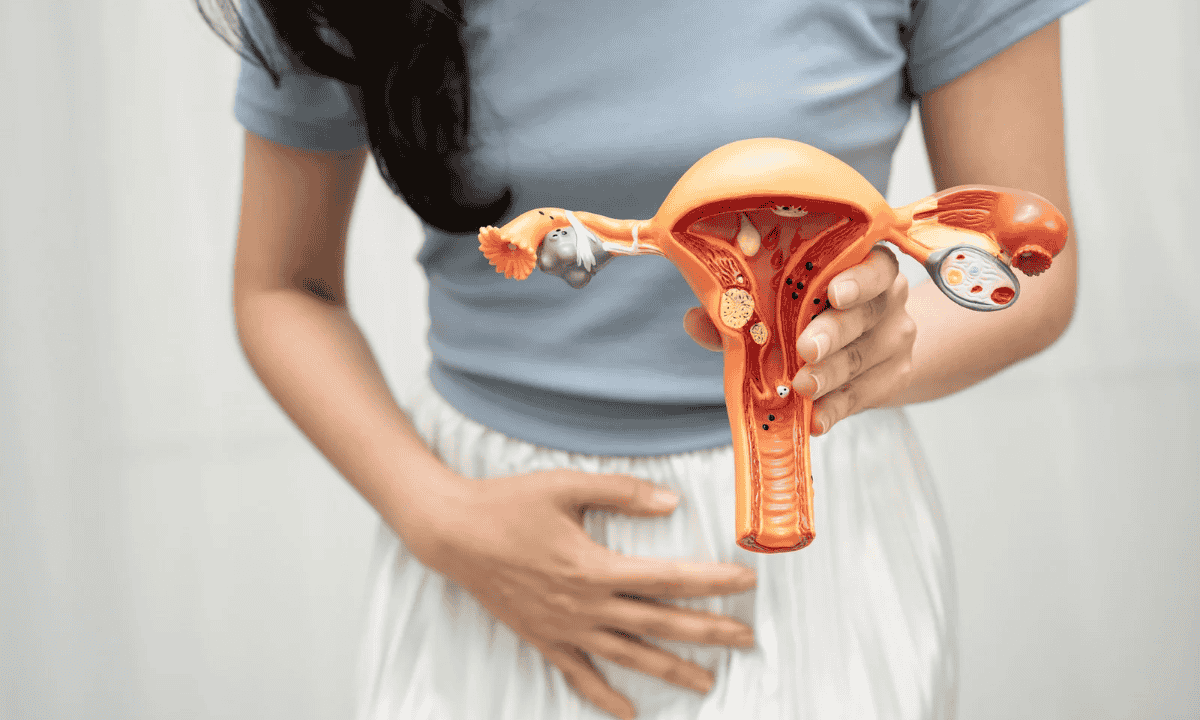
The endometrial cancer recurrence rate refers to the likelihood of the cancer returning after treatment has been completed. While some cases of endometrial cancer respond well to treatment, recurrence may still occur depending on several factors.
Endometrial cancer is most likely to recur within the first three years after the initial treatment. This is why regular follow-up appointments with your doctor are important during this period, as they allow your healthcare team to monitor your recovery and identify any signs of recurrence at an early stage.
What factors influence the recurrence rate of endometrial cancer?
The rate of endometrial cancer returning varies from woman to woman and depends on several factors, including characteristics of the cancer itself, individual health factors, and the type of treatment received.
Cancer-related factors
Certain features of endometrial cancer itself may affect the endometrial cancer recurrence rate. These include:
Cancer stage:
The stage of endometrial cancer indicates how far it has grown or spread at the time of diagnosis.
In general, cancer diagnosed at a more advanced stage may have a higher risk of recurrence than cancer that is confined to the uterus.
Cancer type:
Endometrial cancer can develop from different types of cells, and some types tend to behave more aggressively than others.
Type 1 endometrial cancer is commonly linked to higher oestrogen levels and is generally lower-grade and less aggressive. Although recurrence can still occur, these cancers are typically associated with a lower risk of recurrence.
Type 2 endometrial cancer is not driven by oestrogen and tends to be more aggressive. These cancers are more likely to grow and spread quickly, making them associated with a higher risk of recurrence.
Cancer size:
The size of the cancer may also affect the risk of recurrence, with larger tumours being associated with a higher risk in some people.
Depth of cancer invasion:
Endometrial cancer that grows deeper into the myometrium (the muscular layer of the uterus) may carry a higher risk of recurrence.
Generally, the deeper the invasion, the likelier it is that cancer cells may reach nearby tissues or spread elsewhere in the body.
Patient-related factors
Individual health factors can also influence the endometrial cancer recurrence rate.
Age:
Older age at diagnosis is associated with a higher risk of recurrence.
This is partly because endometrial cancer in older adults is more likely to present with high-risk characteristics, such as more aggressive tumour types or more advanced disease at diagnosis.
Obesity:
Obesity is a known risk factor for developing endometrial cancer, and it may also influence recurrence risk.
Excess body fat increases oestrogen production through a process called aromatisation, and this excess oestrogen can stimulate the growth of oestrogen-sensitive (type 1) endometrial cancers.
Hormonal factors:
Hormonal imbalance, particularly higher oestrogen levels relative to progesterone, can contribute to the development of other types of endometrial cancers.
Treatment-related factors
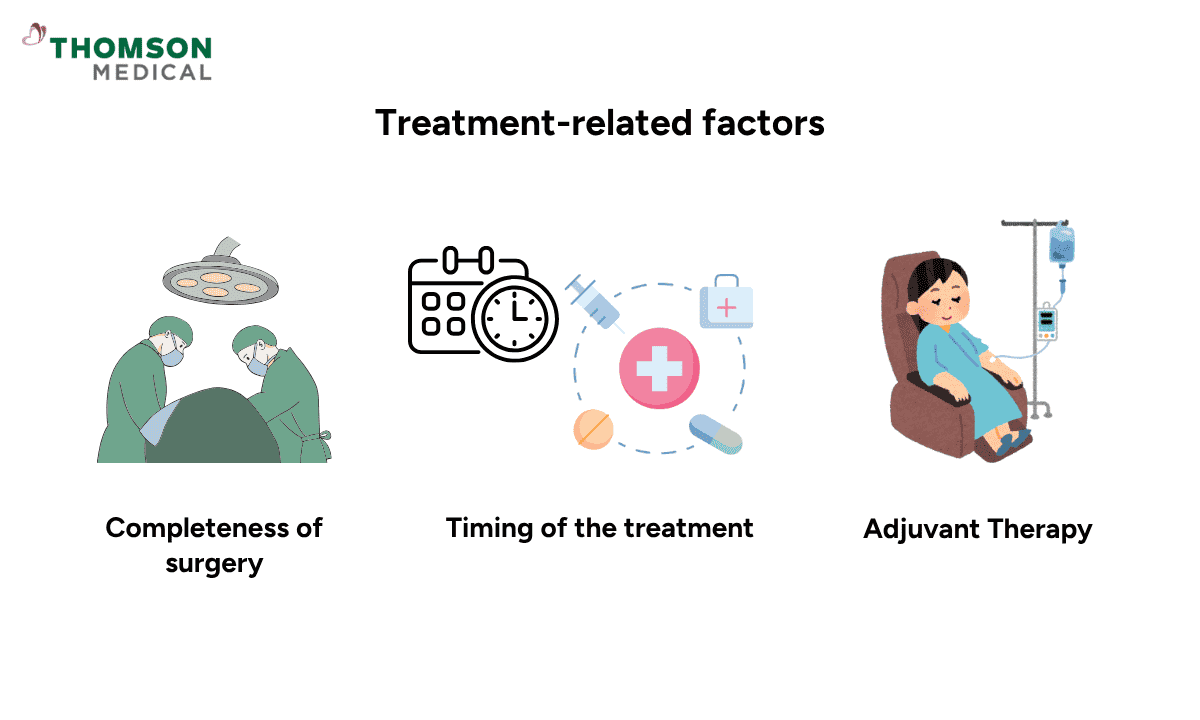
The type and effectiveness of treatment received is another factor that affects the endometrial cancer recurrence rate.
Completeness of surgery:
Surgery is often the main treatment for endometrial cancer. A common surgical approach includes removing the uterus (hysterectomy), along with removal of the fallopian tubes and ovaries (bilateral salpingo-oophorectomy), depending on the individual case.
Depending on the extent of the cancer, your doctor may recommend removing the fallopian tubes and ovaries during surgery. This is because cancer cells can sometimes be present even when these organs appear normal, and removing them may help reduce the risk of the cancer returning.
Timing of the treatment:
A delay between diagnosis and surgery may also affect recurrence risk. For example, a study in the USA found that women who waited six months or longer between biopsy and hysterectomy had a higher three-year recurrence rate than those who had surgery sooner.
Adjuvant therapy
After surgery, some patients may require additional treatment, known as adjuvant therapy. This may include radiotherapy, chemotherapy, hormonal therapy, or a combination of treatments.
For selected patients with high-risk endometrial cancer, doctors may recommend chemotherapy together with radiotherapy. This treatment aims to reduce the risk of the cancer returning by targeting cancer cells that may remain after surgery.
If you have concerns about your recurrence risk or would like to better understand your treatment and monitoring options, consult with a gynaecological oncologist for a diagnosis. Schedule an appointment with Thomson Women's Clinic & Cancer Surgery for guidance on your endometrial cancer care.
Our women's cancer specialist
Loading...
Where does endometrial cancer recur?
When endometrial cancer returns after treatment, it may recur in the same area where it first developed or in another part of the body. The location of recurrence depends on whether any cancer cells remained after treatment and how they have spread. Endometrial cancer recurrence is generally classified into two types:
Local recurrence:
This occurs when the cancer returns in or near its original location.
The most common sites of local recurrence are the vagina and pelvis, where the cancer first developed or where surrounding tissues are located.
Distant recurrence (metastatic recurrence)
This occurs when the cancer spreads to organs or tissues further away from the uterus.
Common sites of distant recurrence include distant lymph nodes (outside the pelvis), lungs, liver, bones, and, less commonly, other parts of the body.
Identifying where the cancer has recurred is an important step in determining the most appropriate treatment. Your doctor may recommend imaging scans, blood tests, or a biopsy to confirm the location and extent of the recurrence before discussing the available treatment options.
How is recurrent endometrial cancer diagnosed?
Unlike the initial diagnosis of endometrial cancer, which is typically confirmed with an endometrial biopsy of the uterine lining, diagnosing recurrent disease often requires a different approach. This is because many women have already undergone a hysterectomy as part of their initial treatment, so doctors rely more on physical examinations and imaging tests to detect signs of recurrence.
To identify the location of recurrence, your doctor may recommend one or more imaging tests, including:
Computed tomography (CT) scan:
A CT scan helps detect whether the cancer has returned in the pelvis, lymph nodes, lungs, liver, or other organs.
Magnetic resonance imaging (MRI):
MRI provides detailed images of the pelvis and surrounding soft tissues and is particularly useful for evaluating suspected local recurrence in the pelvis or vagina.
PET-CT Scan:
PET-CT scans combine metabolic and anatomical imaging to detect active cancer cells throughout the body.
It may be recommended when recurrence is suspected but not clearly identified on conventional imaging or when doctors need to assess whether the cancer has spread to distant sites.
Available treatments for recurrent endometrial cancer in Singapore
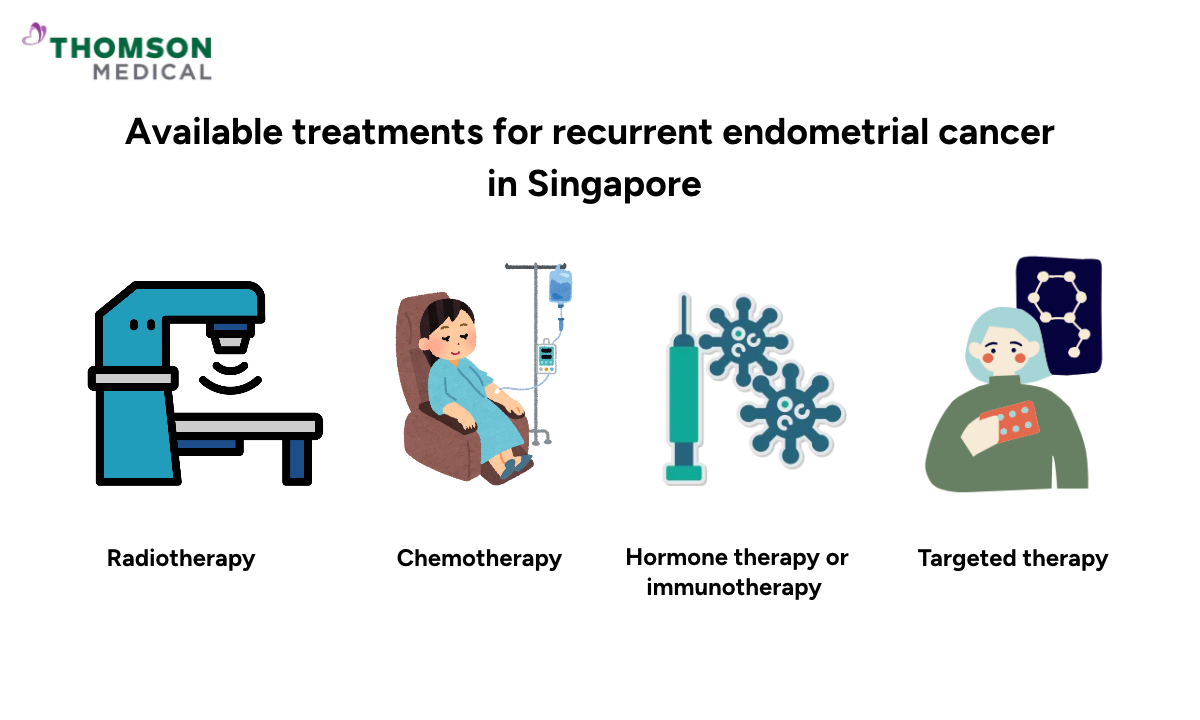
Treatment for recurrent endometrial cancer depends on several factors, including where the cancer has returned, whether it has spread to other parts of the body, the treatments you have previously received, and your overall health. After assessing your condition, your doctor will recommend the most appropriate treatment plan to help manage the recurrence.
Treatment options may include:
Radiotherapy:
Radiotherapy is a cancer treatment that utilises high‑energy radiation to destroy cancer cells, reduce the risk of the cancer recurring, or control cancer in specific areas such as the pelvis or vaginal vault (the upper part of the vagina that surrounds the cervix).
Chemotherapy:
Anti‑cancer medicines that travel through the bloodstream to destroy cancer cells that may have spread beyond the uterus or to treat higher‑risk or recurrent cases.
Hormone therapy:
Hormone therapy may be suitable for certain endometrial cancers that respond to hormones.
It can provide a temporary alternative to hysterectomy for women who wish to preserve their fertility.
Immunotherapy:
This treatment works by helping the immune system recognise and attack cancer cells. This treatment may be recommended for some patients with advanced, recurrent, or metastatic endometrial cancer.
Targeted therapy:
This treatment uses medicines that target specific genes that enable cancer cells to grow and survive.
These drugs are usually offered to selected patients with advanced or recurrent disease, often in combination with other cancer treatments
For higher or advanced stages of endometrial cancer, treatment is often more complex. It typically involves a combination of surgery, radiotherapy, chemotherapy, hormone therapy, or newer options such as immunotherapy or targeted therapy.
If you are unsure which treatment may be suitable for your condition, consult with a specialist to help you make a more informed decision about your care. Schedule an appointment with Thomson Women's Clinic & Cancer Surgery for a consultation with a gynaecological oncologist.
How to reduce the risk of endometrial cancer recurrence?
Although it is not always possible to prevent endometrial cancer from returning, there are several steps you can take to support your recovery and reduce the risk of recurrence.
Regular follow-up care
After completing treatment, your doctor will recommend a follow-up schedule based on your individual risk of recurrence. For women with early-stage, low-risk endometrial cancer who are not experiencing any symptoms, follow-up appointments are generally recommended as follows:
Years 1 to 2: every 3 to 6 months
Year 3: every 6 to 12 months
Years 4 to 5: once every 12 months
During these visits, your doctor may review your symptoms, perform a physical or pelvic examination where appropriate, and recommend additional tests if recurrence is suspected. Attending these appointments is important, even if you feel well, as some recurrences may be detected before noticeable symptoms develop.
Healthy lifestyle habits
In addition to regular medical follow-up, maintaining a healthy lifestyle may help support your overall wellbeing after cancer treatment. This includes:
Eating a balanced and nutritious diet
Maintaining a healthy weight
Being physically active with regular exercise
Avoiding smoking or quitting if you currently smoke
Managing other long-term health conditions, such as diabetes or high blood pressure, as advised by your doctor
FAQ
What are the symptoms of endometrial cancer recurrence?
Contact your doctor promptly if you experience symptoms such as
- Abnormal vaginal bleeding
- Unusual or unpleasant‑smelling vaginal discharge
- Persistent pelvic pain or pressure
- Pain during urination or sexual intercourse
- Unexplained weight loss, persistent tiredness, or loss of appetite
It is also important to remain aware of any new or unusual symptoms between follow-up appointments. Early assessment can help determine whether these symptoms are related to cancer recurrence or another medical condition and allow treatment to begin as soon as possible if needed.
What are the possible complications of endometrial cancer?
When diagnosed and treated at an early stage, endometrial cancer generally responds well to treatment. However, if left untreated or diagnosed at a more advanced stage, complications may occur, including:
- Spread of the cancer to nearby organs or distant metastasis to other parts of the body.
- Anaemia, which may develop due to prolonged or heavy vaginal bleeding.
Can endometrial cancer be treated if it has spread?
Endometrial cancer is still treatable when it has spread beyond the uterus, particularly if the spread is limited and can be managed with surgery, radiotherapy, or systemic treatments such as chemotherapy or hormone therapy.
However, metastatic cancer that has spread to distant organs can be more difficult, and treatment may focus on controlling the cancer, relieving symptoms, and maintaining your quality of life.
What is the difference between recurrent and metastatic uterine cancer?
Recurrent uterine cancer means the cancer has returned after treatment, either in the pelvis or elsewhere in the body, after a period when no cancer could be detected. Metastatic uterine cancer refers to cancer that has spread from the uterus to distant organs or tissues, such as the lungs, liver, bones, or brain.
Recurrent cancer can also be metastatic if it returns in a distant part of the body, and treatment will depend on where the cancer has spread and which treatments you have previously received.
The information provided is intended for general guidance only and should not be considered medical advice. For personalised recommendations and advice based on your individual circumstances, schedule an appointment with Thomson Medical.
Reference
Nwachukwu C, Baskovic M, Von Eyben R, Fujimoto D, Giaretta S, English D, Kidd E. (2021). Recurrence risk factors in stage IA grade 1 endometrial cancer. J Gynecol Oncol. Mar;32(2):e22. https://doi.org/10.3802/jgo.2021.32.e22
For more information, contact us:
Thomson Medical Concierge
- 8.30am - 5.30pm
- WhatsApp: 9147 2051
Need help finding the right specialist or booking for a group?
Our Medical Concierge is here to help you. Simply fill in our form, and we'll check and connect you with the right specialist promptly.
Notice:
The range of services may vary between Thomson clinic locations. Please contact your preferred branch directly to enquire about the current availability.
Get In Touch