

Endometrial cancer is treated in both the public and private sectors in Singapore, and the care pathway is broadly similar: surgery in most cases, sometimes followed by radiotherapy, chemotherapy or hormonal therapy depending on your stage and type.
What differs more is the costs and how it’s covered. Here’s what treatment for endometrial cancer involves, what it typically costs in Singapore, and how MediShield Life, MediSave and private insurance may apply.
Where to go for endometrial cancer treatment in Singapore?
When deciding to go for a treatment in Singapore, you will need to discuss your diagnosis results or warning symptoms of endometrial cancer with a gynaecological oncologist. They are specialists who focus on female reproductive cancers, including endometrial (uterine) cancer, and will usually oversee your treatment.
In Singapore, you can see a gynaecological oncologist and receive endometrial cancer treatment at:
Public hospitals
Public hospitals provide specialist cancer care within Singapore’s restructured healthcare system. Eligible Singaporean citizens and permanent residents may receive subsidised care for procedures related to endometrial cancer treatment. In this setting, the waiting times for consultations or treatment can vary depending on demand, appointment type, and clinical urgency.
Private hospitals
Private hospitals offer another option for endometrial cancer treatment, with greater flexibility in choosing your specialist and potentially faster access to consultations and treatment. However, treatment costs are generally higher, and the amount covered will depend on your insurance policy, benefit limits, and any co‑payments required.
What are the treatment options for endometrial cancer?
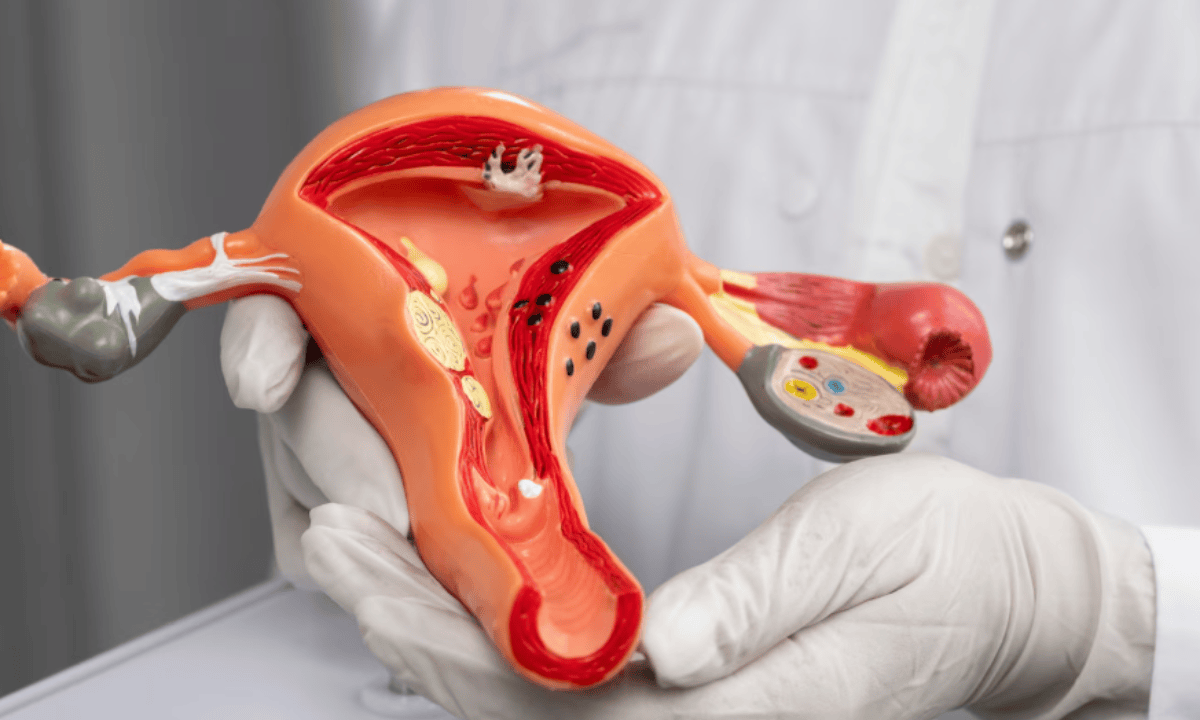
The most appropriate treatment for endometrial cancer depends on several factors, including the stage and grade of the cancer. Your gynaecological oncologist will assess your individual conditions and recommend a personalised treatment plan.
Surgical treatment
Hysterectomy is the main surgical treatment for endometrial cancer, especially when the cancer is diagnosed at an early stage and remains within the uterus (womb). The primary aims of surgery are to remove the cancer and to assess whether it has spread (metastasised) to nearby tissues or lymph nodes.
During the operation, your surgeon will carefully examine the abdominal and pelvic region, including the peritoneum (the membrane that lines the inside of the abdomen and pelvis), and other suspicious areas to check for cancer cells. If cancer is found outside the uterus, your doctor may recommend additional treatments such as radiotherapy or chemotherapy.
Common types of hysterectomy used in endometrial cancer treatment include:
Total hysterectomy:
During this procedure, the uterus and cervix are removed. This is the standard surgical procedure for most women who experience endometrial cancer.
Subtotal (supracervical) hysterectomy:
This procedure involves removing the upper part of the uterus while leaving the cervix in place.
This approach is generally not recommended as standard treatment for endometrial cancer because some uterine tissue is left behind, which may increase the risk of recurrent cancer.
Radical hysterectomy:
This procedure involves the removal of the uterus, cervix, upper part of the vagina, and surrounding tissues (parametrium).
Hysterectomy with bilateral salpingo-oophorectomy (BSO):
Removal of the uterus and cervix together with both ovaries and fallopian tubes.
Non-surgical treatment
Non-surgical treatments may be recommended in addition to surgery (as adjuvant therapy) or, in some situations, as an alternative when surgery is not suitable. The treatments are commonly used to control the cancer, slow its growth, and relieve symptoms.
Radiotherapy:
Radiotherapy is a cancer treatment that utilises high‑energy radiation to destroy cancer cells, reduce the risk of the cancer coming back, or control cancer in specific areas such as the pelvis or vaginal vault.
Chemotherapy:
Anti‑cancer medicines that travel through the bloodstream to destroy cancer cells that may have spread beyond the uterus or to treat higher‑risk or recurrent cases.
Hormone therapy:
Hormone therapy may be suitable for certain endometrial cancers that respond to hormones.
It can provide a temporary alternative to hysterectomy for women who wish to preserve their fertility.
Immunotherapy:
This treatment works by helping the immune system recognise and attack cancer cells. This treatment may be recommended for some patients with advanced, recurrent, or metastatic endometrial cancer.
Targeted therapy:
This treatment uses medicines that target specific genetic or molecular abnormalities that enable cancer cells to grow and survive.
These drugs are usually offered to selected patients with advanced or recurrent disease, often in combination with other treatments
For higher or advanced stages of endometrial cancer, treatment is often more complex. It typically involves a combination of surgery, radiotherapy, chemotherapy, hormone therapy, or newer options such as immunotherapy or targeted therapy.
If you are unsure which treatment may be suitable for your condition, consult with a specialist to help you make a more informed decision about your care. Schedule an appointment with Thomson Women's Clinic & Cancer Surgery for a consultation with our gynaecological oncologist.
Our endometrial cancer specialist
Loading...
How much does endometrial cancer treatment cost in Singapore?

The cost of endometrial cancer treatment in Singapore can vary significantly depending on the stage and type of cancer, the treatment required, and whether you receive care at a public or a private hospital.
Surgical treatment
The total cost of a hysterectomy for endometrial cancer and related procedures in Singapore typically includes anaesthesia, surgeons’ fees, hospital and operating theatre charges, and medications, as well as standard inpatient care for that admission.
Based on bill information from the Ministry of Health (MOH), such as SI825U, SI827U, and SI830U, typical inpatient bills for a total hysterectomy for a cancerous uterine condition for Singapore citizens in public hospitals are as follows:
For subsidised patients in B2 or C wards, the typical bill for a single surgical admission is roughly around SGD 2,600 to 8,500.
For B1 wards, which are 20% subsidised, and A-class (unsubsidised) wards, the typical bill is higher, ranging from approximately SGD 15,000 to 27,000.
In private hospitals, typical hysterectomy costs can range from around SGD 25,800 to about SGD 53,000 or more, depending on the specific procedure, its complexity, and the length of stay.
Non-surgical treatment
The cost of non-surgical treatment for endometrial cancer in Singapore varies depending on the type of treatment, number of treatment sessions or cycles, hospital setting, medications used, and your available subsidies or insurance coverage.
Hormone therapy: SGD 25 to 250 for a typical full course or ongoing management over several months
Chemotherapy: the cost is charged per cycle, and most patients need several cycles. In public it can cost from around SGD 300 to 3000, but in private it can reach up to SGD 14,000 per cycle on average
Targeted therapy: SGD 5,000 to 15,000 per cycle or month, depending on the specific medication and how long treatment continues.
Immunotherapy: the cost is charged per infusion, and how many infusions you need depends on your treatment plan. It can cost around SGD 8,000 to 10,000 per infusion in private-care settings
Please note that these are estimated costs based on the information available at the time of writing, and they may have changed since then. These costs may also vary depending on the required treatment, hospital, and location of care.
If you are considering treatment, please contact our medical concierge team at Thomson Medical, who can discuss your specific situation with you and provide personalised cost guidance.
What insurance options are available?
There are several national schemes and insurance plans in Singapore that can help offset the costs of both surgical and non‑surgical treatments for endometrial cancer. These include:
MediSave
MediSave can be used to help offset the cost of endometrial cancer treatment, which may include daily ward charges, treatment fees, investigations, and medicines. MediSave can be used up to SGD 1,130 per day for the first two days, then SGD 400 per day for subsequent days.
MediSave can also be used for selected outpatient cancer treatments, with monthly withdrawal caps tied to the cancer drug list (CDL) categories, as well as separate limits for cancer drug administration set out by MOH.
Integrated Shield Plans
You may use integrated shield plans (IPs), which are private insurance providers that sit on top of your national medical insurance (MediShield Life) and offer additional coverage beyond what is provided. However, you will still need to pay some money out of pocket as a co-payment.
As treatment costs and insurance coverage can vary, you should check your eligibility and level of coverage with your hospital, insurer, or financial counsellor before starting treatment. Withdrawal limits are reviewed periodically, so they may have changed since this article was written.
What results can you expect after endometrial cancer treatment?

Endometrial cancer is often very treatable, particularly when it is diagnosed at an early stage and remains confined to the uterine lining. Many women go on to live long, healthy lives after treatment. Outcomes are generally best for early detection of low‑risk cancers that are removed surgically.
Your doctor will tailor the treatment based on the stage of the cancer, tumour type, and your overall health to maximise the chance of cure. Regular follow‑up care after treatment helps detect any signs that the cancer might have returned and allows your doctor to manage side effects and support your quality of life over time.
How to manage your health after treatment?
Recovering after endometrial cancer treatment involves more than healing from surgery or completing your treatment. You can support your recovery and overall wellbeing by:
Following your post-surgery care instructions to support healing and reduce the risk of complications.
Attending regular follow-up appointments so your specialist can monitor your recovery and check for any signs of recurrence.
Reporting new or unusual symptoms promptly to your specialist for further assessment.
Staying physically active once your doctor confirms that it is safe for you to exercise.
Maintaining a healthy lifestyle by eating a balanced diet and following other healthy habits.
FAQ
Can you fully recover from endometrial cancer?
The duration of endometrial cancer treatment varies depending on the stage of cancer and the treatment plan. Surgical treatment, such as hysterectomy, often involves a hospital stay of a few days followed by around 4 to 8 weeks of recovery before you return to most usual activities. Non‑surgical treatments such as chemotherapy are usually given in cycles, often once every 3 to 4 weeks, and may take several cycles to complete.
Overall, the active treatment phase, whether surgery alone or combined with non-surgical treatments, commonly lasts for several months, while follow-up care typically continues for several years. Follow-up visits are usually more frequent during the first 2 to 3 years to monitor your recovery and check for any signs of cancer recurrence.
If I have endometrial cancer, can I still get pregnant?
Pregnancy is usually not possible after a hysterectomy because the surgical removal of the uterus prevents you from carrying a pregnancy. However, some younger women with very early-stage, low-grade endometrial cancer may be suitable for treatment that preserves fertility, with hormone therapy and close monitoring.
However, this approach is not suitable for everyone and should be carefully discussed with your gynaecological oncologist and fertility specialist.
What is the most common age for endometrial cancer?
Endometrial cancer is most commonly diagnosed in women between the ages of 55 and 64 years, with the average age at diagnosis being around 60 years. Although it predominantly affects women after menopause, it can occasionally occur in younger women, particularly those with inherited genetic conditions or certain hormonal and metabolic risk factors.
What are the possible complications of endometrial cancer?
When diagnosed and treated early, endometrial cancer often has a favourable outcome. However, if left untreated or diagnosed at a more advanced stage, complications may occur, including:
- Spread of the cancer (metastasis) to nearby organs or other parts of the body.
- Anaemia, which may develop due to prolonged or heavy abnormal vaginal bleeding.
The information provided is intended for general guidance only and should not be considered medical advice. For personalised recommendations and advice based on your individual circumstances, schedule an appointment with Thomson Medical.
For more information, contact us:
Thomson Medical Concierge
- 8.30am - 5.30pm
- WhatsApp: 9147 2051
Need help finding the right specialist or booking for a group?
Our Medical Concierge is here to help you. Simply fill in our form, and we'll check and connect you with the right specialist promptly.
Notice:
The range of services may vary between Thomson clinic locations. Please contact your preferred branch directly to enquire about the current availability.
Get In Touch