

When it comes to achieving naturally glowing and healthy skin, most of us know the basics, such as limiting sun exposure, avoiding smoking, and moisturising regularly. But an often overlooked part of skin health lies in our daily diet. Dr Tan Hiok Hee, a dermatologist (skin specialist) at the Thomson Specialist Skin Centre in Singapore, shares his skincare advice.
Why your diet matters for skin health
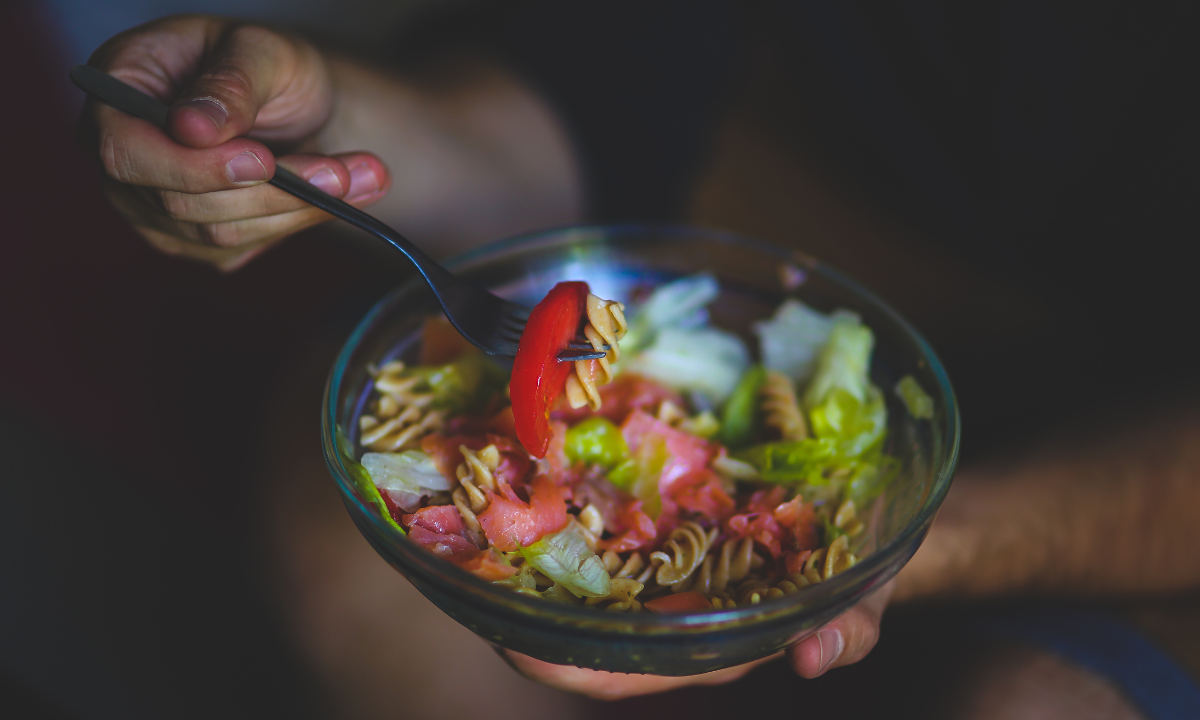
Your skin is a living organ. Just like your heart, brain and muscles, your skin relies on nutrients to repair, regenerate, and defend itself. Over time, a diet lacking in vitamins, minerals, antioxidants, or healthy fats can be seen in your skin.
Common signs of nutritional deficiencies include:
- Dull or tired-looking skin
- Dryness or flakiness
- Slow wound healing
- Increased sensitivity
- Premature fine lines
On the other hand, when your body gets the nutrients it needs, your skin becomes better at retaining moisture, protecting itself from irritants, and maintaining a healthy glow.
Eating a diet that supports your skin health doesn't need to be complicated or restrictive. It simply means choosing foods that support and nourish your skin. Here are the best foods to add to your diet for healthier skin.
Foods for healthy skin
Salmon
Salmon is rich in omega-3 fatty acids and high-quality protein, two nutrients essential for healthy skin. If your skin tends to look dull or feel dry, especially during busy or stressful weeks, adding salmon to your diet can help.
The combination of protein and healthy fats in salmon supports your skin's natural moisture barrier, helping to maintain firmness and elasticity.
- Skin benefits:
- Helps maintain a soft and flexible skin barrier
- Supports skin hydration and reduces dryness
- Supports the firmness and elasticity of your skin
- How to include salmon in your diet:
- Enjoy grilled salmon with vegetables for dinner
- Add smoked salmon to breakfast
- Choose salmon rice bowls or salads for lunch
Avocado

If your skin often feels dry or easily irritated, avocado can be a good choice to support your skin health. Its natural creaminess comes from healthy fats that help keep your skin feeling soft and moisturised from the inside.
It also contains vitamins E and C, two antioxidants that protect your skin from free radicals and help it produce collagen.
By regularly consuming avocados, you can help keep your skin soft, hydrated, and better protected against free radicals that can harm it.
- Skin benefits:
- Supports long-lasting moisture and softness
- Helps protect skin cells from everyday stress
- Contributes to a naturally healthy glow
- How to include avocado in your diet:
- Add slices to toast or grain bowls
- Mix diced avocado into salads or wraps
- Make homemade guacamole as a simple snack
To support your skin barrier and overall skin health, consider incorporating avocados into your diet. If you want personalised guidance on nutrition and skincare, schedule a consultation with Thomson Medical today.
Blueberries
Blueberries are tiny fruits with powerful benefits. They are packed with antioxidants, especially anthocyanins, which help protect your skin from damage caused by the sun and pollution.
They also contain vitamin C, which brightens the skin and aids healing, as well as fibre, which supports gut health. Eating blueberries regularly can help support skin health, keeping it smooth, bright, and youthful.
- Skin benefits:
- Promote a more even, radiant complexion
- Support your skin’s natural ability to repair itself
- Help reduce signs of daily stress, such as dullness
- How to include blueberries in your diet:
- Sprinkle blueberries over breakfast yoghurt or porridge
- Blend into smoothies for a naturally sweet flavour
- Enjoy as a refreshing snack during the day
Tomatoes
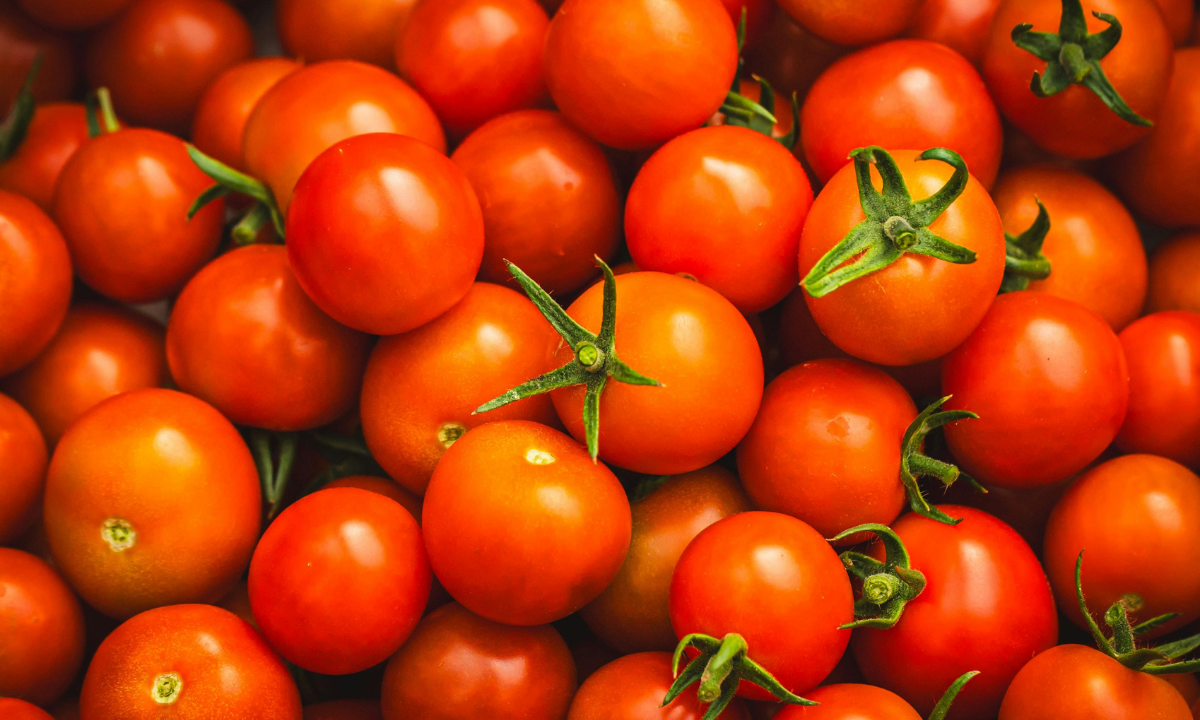
Tomatoes contain skin-loving plant pigments like lycopene and beta-carotene, which act like a quiet shield for your skin. These natural antioxidants, along with supportive nutrients such as vitamin C and vitamin A, help your skin appear smoother, more even and well balanced whether you enjoy tomatoes raw or cooked.
They are especially helpful if you spend a lot of time outdoors or in sunny climates.
- Skin benefits:
- Help your skin look brighter and more even-toned
- Support the skin in resisting early signs of ageing
- Maintain a fresh, healthy appearance
- How to include tomatoes in your diet:
- Add fresh tomatoes to salads and sandwiches
- Enjoy cherry tomatoes as a quick snack
- Cook tomatoes into pasta sauces or soups
Our skin specialist in Singapore
Loading...
Spinach
Spinach is a nutrient-rich leafy green that supports skin health in many ways. It contains vitamin A to help skin renewal, vitamin C for collagen, iron to carry oxygen to your skin cells; and folate to help tissue repair. These nutrients work together to keep your skin brighter, nourished, and more resistant to stress.
If your skin often looks tired or dull, spinach can provide a natural boost.
- Skin benefits:
- Supports firm, elastic and well-cushioned skin
- Helps maintain a smooth, refined skin texture
- Contributes to a naturally rested appearance
- How to include spinach in your diet:
- Add spinach to omelettes or stir-fries
- Use as the base for salads or grain bowls
- Blend a handful into smoothies
Sweet potatoes
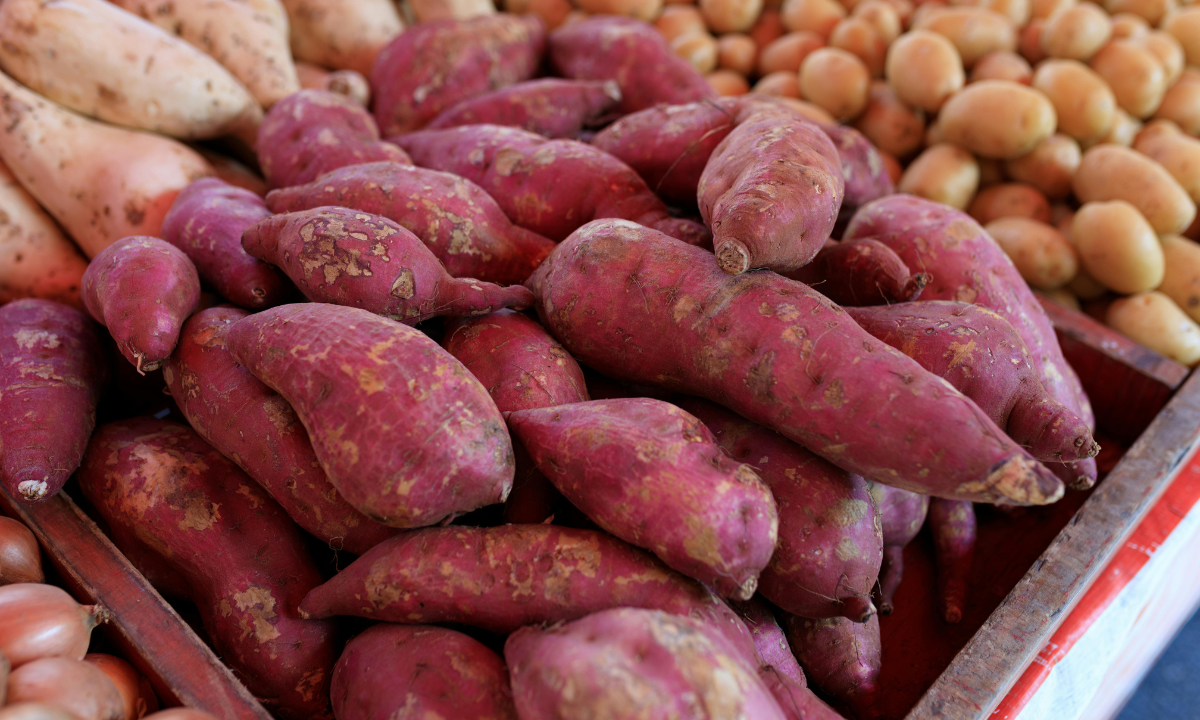
Sweet potatoes offer a warm, comforting form of nourishment that benefits the skin from the inside out. Their naturally vibrant colours come from beta-carotene and other carotenoid pigments, which support smoothness and radiance while helping protect the skin from everyday stress.
Regularly including sweet potatoes in your meals can also provide helpful nutrients like vitamin A, vitamin C, and fibre, making your skin healthier and less prone to dryness.
- Skin benefits:
- Support gentle and healthy skin cell renewal
- Enhance your complexion with a soft, warm glow
- Help keep flakiness and dryness under control
- How to include sweet potatoes in your diet:
- Roast sweet potato cubes as a side dish
- Add to grain bowls or salads
- Enjoy mashed sweet potatoes with dinner
Walnuts
Walnuts are one of the best nuts for your skin because they contain both omega 3 and omega 6 fatty acids. These help maintain a strong skin barrier and support smoother, calmer skin. Walnuts also contain vitamin E and zinc, which reduce inflammation and help your skin heal.
If you struggle with sensitive or acne-prone skin, walnuts may help reduce redness and irritation.
- Skin benefits:
- Support the skin barrier, helping it stay strong and less reactive
- Help maintain smooth and healthy skin
- Nourish your skin during dry or cold seasons
- How to include walnuts in your diet:
- Sprinkle on salads, yoghurt or porridge
- Snack on a small handful between meals
- Add crushed walnuts to baked goods
To learn more about supporting your skin’s health and nutrition with walnuts, schedule a consultation with Thomson Medical. Our specialist can provide personalised guidance to help your skin look and feel its best.
Red peppers
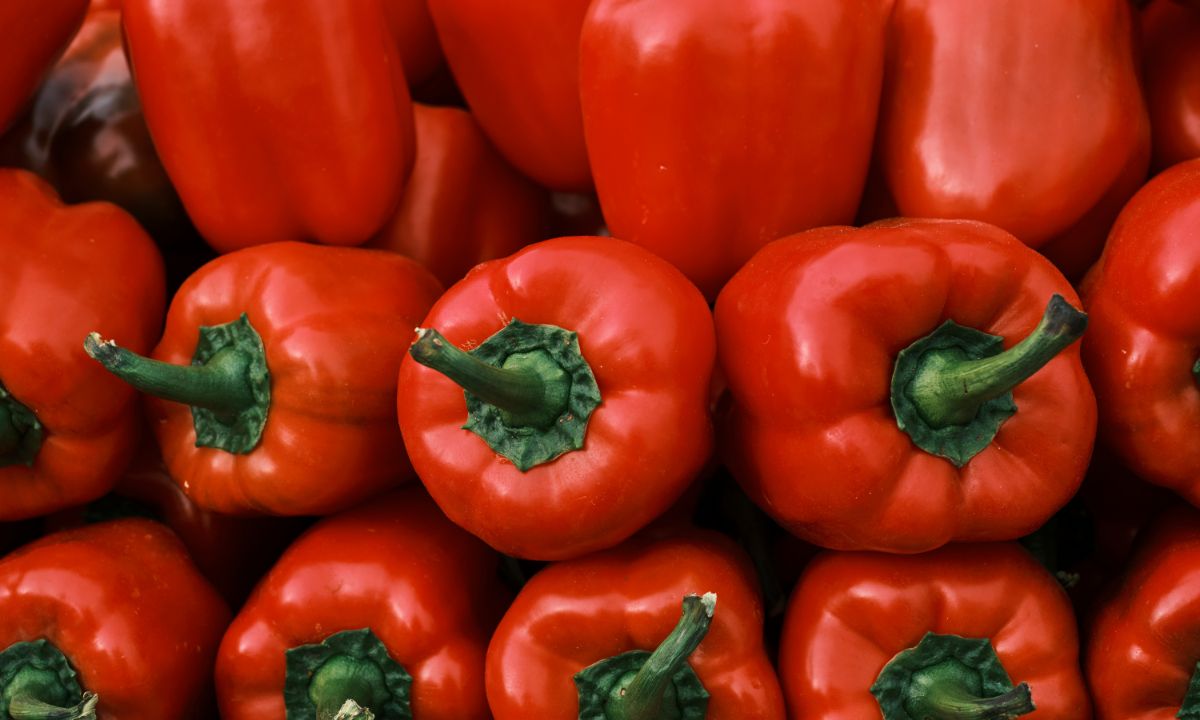
Red peppers add colour and crunch to your meals, as well as skin-loving nutrients. Their vibrant colour comes from carotenoid pigments, such as beta-carotene and capsanthin, which protect the skin and promote an even tone.
In addition to these carotenoids, the high levels of vitamins C and A, as well as antioxidants, found naturally in red peppers promote bright, refreshed-looking skin that feels firm and well-hydrated.
- Skin benefits:
- Promote a clear, naturally glowing appearance
- Support firmness and elasticity
- Help maintain a smooth, even texture
- How to include red peppers in your diet:
- Slice raw red peppers into salads or wraps
- Snack on red pepper sticks with hummus
- Roast and add to pasta, rice dishes or sandwiches
A proper diet, combined with good skincare, can increase your chances of having glowing skin, as well as lustrous hair and healthy-looking nails.
As with all things, moderation is necessary, and one should not go overboard or start on a new trendy diet without advice from a healthcare professional, particularly if you already have a pre-existing medical condition.
FAQ
Are fruits or vegetables better for glowing skin?
Both play valuable roles and work best together.
- Fruits:
- Offer antioxidants like vitamin C that brighten the skin and support collagen production.
- Vegetables:
- Provide vitamins A, E, and phytonutrients that strengthen the skin barrier.
A good rule of thumb is to include at least three colours on your plate each day. This naturally increases the range of nutrients your skin receives.
Can eating certain foods really improve my skin?
Yes. A balanced diet rich in vitamins, antioxidants, healthy fats, and minerals helps your skin repair itself, maintain moisture, and protect against environmental stressors.
Foods like oily fish, berries, or green veggies can support healthier, glowing skin over time.
Are supplements necessary if I eat a healthy diet?
Most nutrients for skin health can be obtained from a well-balanced diet. Supplements may be helpful for you if you have specific deficiencies or dietary restrictions, but it’s best to consult a doctor before starting any new supplement.
Which antioxidants are most effective for skin protection?
Antioxidants such as vitamin C, polyphenols and flavonoids help to neutralise the free radicals that damage skin cells. Consuming a variety of colourful fruits, vegetables, and green teas as part of a balanced diet is a natural way to obtain these protective compounds.
Can a poor diet cause skin problems like acne or dryness?
Yes. Diets low in essential nutrients, healthy fats, or antioxidants can lead to:
- Dryness
- Dullness
- Increased skin sensitivity
Ensuring your diet includes skin-friendly foods helps maintain hydration, strengthen your skin barrier, and reduce inflammation.
How long does it take to see results from a skin-friendly diet?
Skin renewal cycles typically take around 28-30 days, so you may notice subtle improvements in skin hydration, texture, and radiance within a month. For more visible changes, consistent habits over 2-3 months usually yield noticeable results.
The information provided is for general guidance only and should not be considered as medical advice. To receive personalised recommendations and advice on diet and skincare products that can support your skin's health, request an appointment with Thomson Specialist Skin Centre today.
Dr Tan Hiok Hee
Dermatology (Skin)
Thomson Specialist Skin Centre (Novena Specialist Center)
English, Mandarin
.png%3Fbranch%3Dprod&w=640&q=75)