

Food poisoning can leave you feeling miserable and drained, especially when nausea, vomiting, or diarrhoea comes on suddenly after a meal.
It happens when food or drinks are contaminated with harmful germs or toxins, and while most cases settle within a few days with rest and fluids, some situations do need medical attention.
If you are dealing with stomach cramps, repeated vomiting, or diarrhoea, it is natural to have questions: How long will this last? Is it something you can manage at home? Should you see a doctor?
Understanding what to look out for can help you decide the next steps with greater confidence.
What is food poisoning?
Food poisoning happens when you eat or drink something contaminated with harmful germs or toxins. Your digestive system reacts to protect you, causing uncomfortable symptoms like nausea, vomiting, and diarrhoea. While it feels miserable, most cases clear up on their own within a few days.
What causes food poisoning?
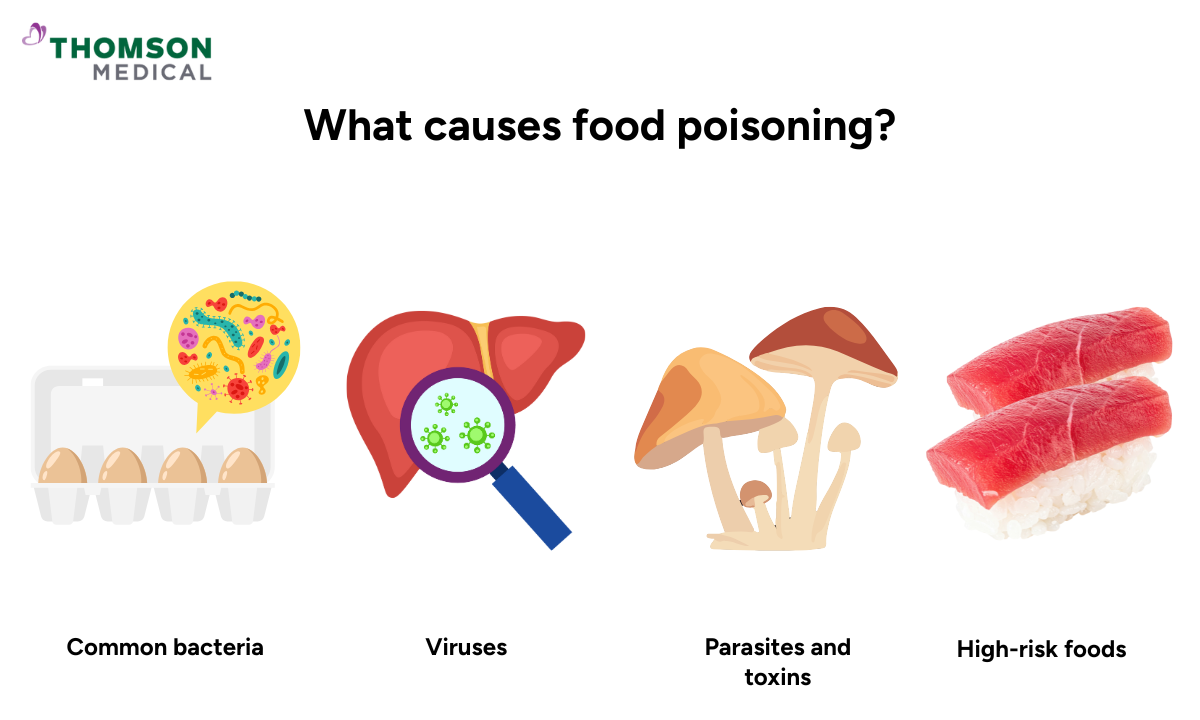
Understanding what's making you sick can help you know what to expect. Many different germs and toxins can contaminate your food.
High-risk foods
Knowing which foods pose the most risk can help you stay safer:
Animal products:
Raw fish (like sushi) and undercooked meat
Raw milk and unpasteurised dairy products
Raw eggs and foods containing them
Fresh produce:
Unwashed fruits and vegetables
Pre-prepared salads and sandwiches
Cross-contamination happens when raw foods touch ready-to-eat items. Poor food handling practices at restaurants or at home may increase your risk.
Common bacteria
Bacteria are the most frequent cause of food poisoning. Here are the main types:
Salmonella:
Lives in raw eggs, poultry and meat
Causes fever, diarrhoea and stomach cramps that start 6 to 72 hours after eating
E. coli:
Most strains cause mild illness that passes quickly. Some require closer monitoring.
In rare cases, certain types can damage your kidneys
Campylobacter:
Contaminates raw poultry and unpasteurised milk
One of the most common causes of diarrhoea worldwide
Listeria:
Grows even in cold temperatures, making refrigerated foods risky if contaminated
Pregnant women and people with weak immune systems should watch for symptoms more carefully
Bacterial food poisoning often develops within 6 to 72 hours after eating contaminated food. Most bacterial infections clear up on their own. You may need antibiotics or medical monitoring to prevent complications.
Viruses
Viruses spread easily and cause many outbreaks. The two main types for you to watch for:
Norovirus:
Highly contagious
Spreads through contaminated food, water, or surfaces
Symptoms start suddenly and include violent vomiting and diarrhoea
Hepatitis A:
Spreads through contaminated food and water
More common in areas with poor sanitation
Affects your liver and can make you ill for weeks
Viral food poisoning doesn't respond to antibiotics. It usually gets better on its own within a few days.
Parasites and toxins
Parasites take longer to cause symptoms and can be trickier to diagnose. Some common sources include:
Giardia:
Lives in contaminated water
Causes persistent diarrhoea and bloating
Toxoplasma:
Comes from undercooked meat and cat faeces
Needs particular attention during pregnancy
Natural toxins:
Certain tropical fish contain toxins that affect your nervous system
Mushroom toxins can be very serious
If your symptoms last more than a week or you've recently travelled abroad, parasites might be the cause. You'll need specific testing.
Recognising your symptoms when food poisoning strikes helps you understand what's happening in your body and when you might need extra support.

What are the common symptoms of food poisoning?
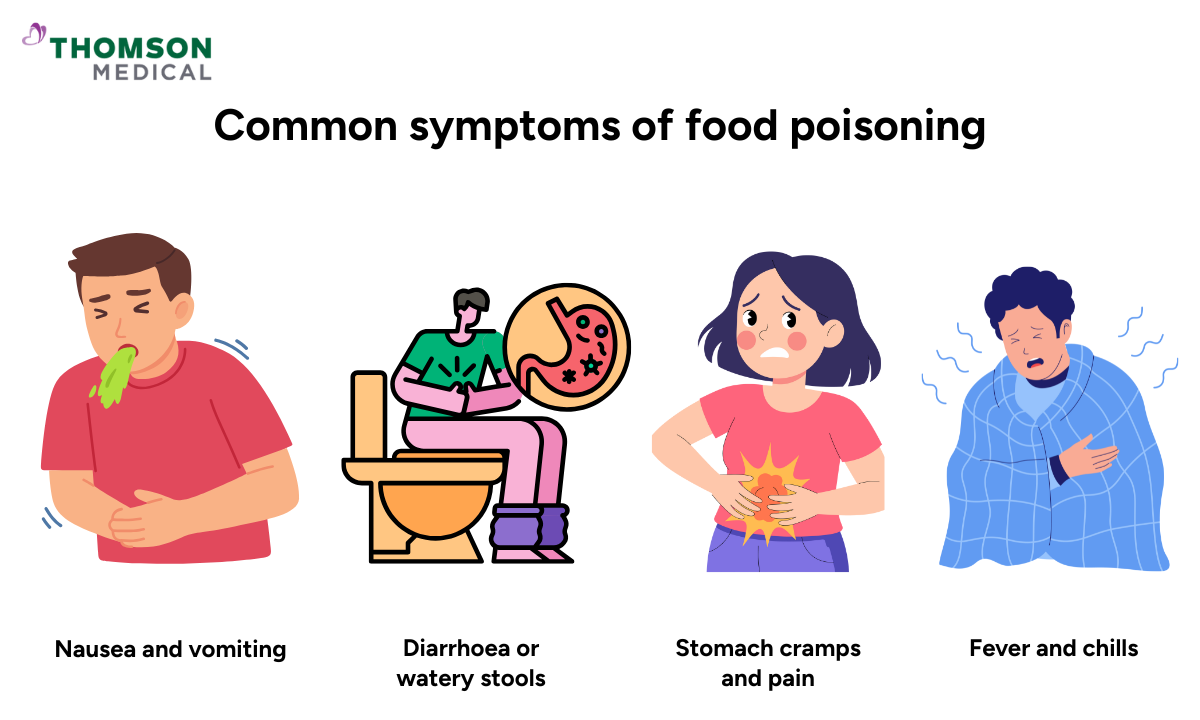
Your body reacts to contaminated food in recognisable ways. You'll often notice the first signs within hours of eating contaminated food, though sometimes they can take days to appear.
Symptoms of food poisoning include:
Nausea and vomiting
Diarrhoea or watery stools
Stomach cramps and pain
Fever and chills
Weakness and fatigue
Loss of appetite
Bloating and upset stomach
Most people feel quite unwell but start improving within 24 to 48 hours. Some germs make you sick within an hour, while others take several days.
The timing and pattern of your symptoms can help you and your doctor identify what's causing your illness, whether it's food poisoning, a stomach virus, or something else. This knowledge helps determine the best approach to your care and when you need medical attention.
Our urgent care centre specialist
Loading...
When do you need medical attention?
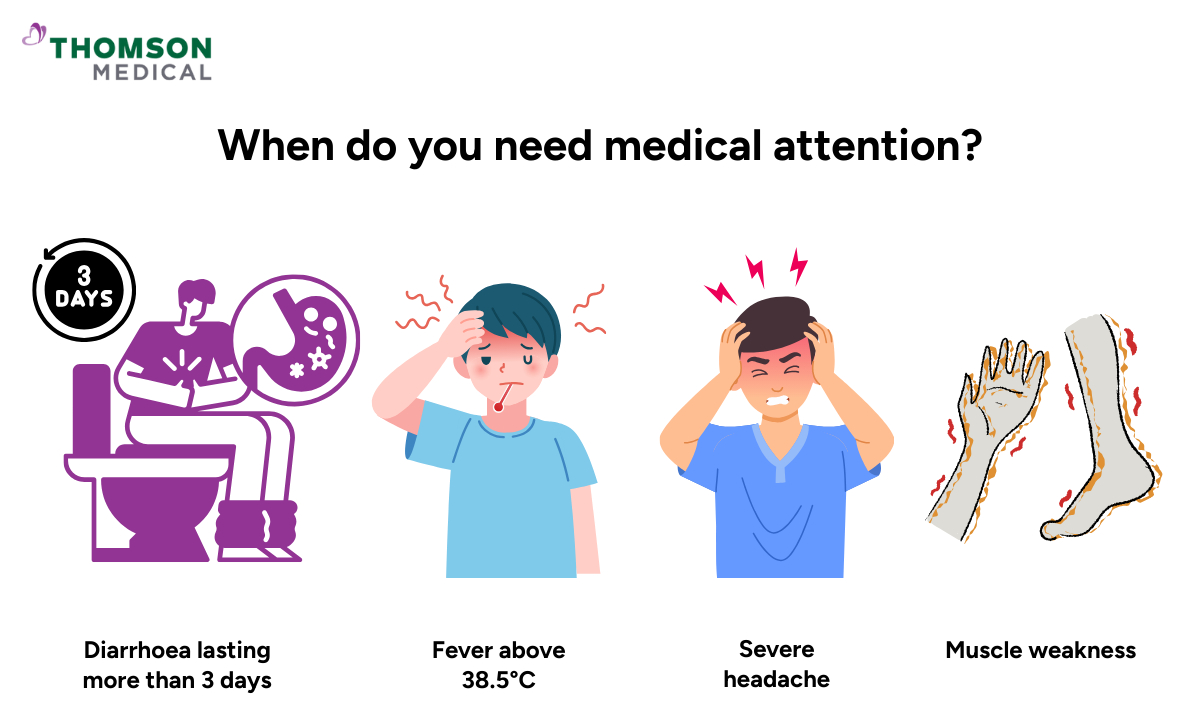
Most people recover at home without complications. Some warning signs mean you should seek help.
Watch for signs of severe dehydration
Dehydration can become serious quickly. When you're vomiting and experiencing diarrhoea, your body loses essential fluids and electrolytes faster than you can replace them. Without these, your organs can't function properly, and in severe cases, this can lead to kidney problems, shock, or other complications.
You may notice these warning signs:
Extreme thirst
Dark yellow or brown urine, or not urinating for several hours
Dizziness when standing
Dry mouth and cracked lips
Sunken eyes
Confusion or irritability
Rapid heartbeat
If you notice any of these dehydration symptoms alongside other concerning signs, it's important to seek medical attention promptly.
When to visit an Urgent Care Centre
Urgent Care Centres (UCCs) are ideal for food poisoning cases that need medical attention but aren't immediately life-threatening. They can provide IV fluids, assess your condition, and determine whether you need further care.
Contact your doctor or go to a UCC if you have:
Diarrhoea lasting more than 3 days
Bloody or black stools
Ongoing vomiting that stops you keeping fluids down
Fever above 38.5°C
Severe headache with neck stiffness
Blurred vision or muscle weakness
Symptoms that get worse instead of better
When to go to the emergency room
Emergency rooms are reserved for critical, potentially life-threatening situations that require immediate intervention.
Go to the emergency room immediately if you have:
Blood in your vomit or severe abdominal pain
Signs of severe dehydration and you can't drink
Loss of consciousness
Difficulty breathing or swallowing
Severe muscle weakness or paralysis
These emergency symptoms suggest complications that could be dangerous without immediate treatment. While most food poisoning resolves on its own, these warning signs mean your body needs urgent medical support.
It's completely normal to feel uncertain about whether your symptoms warrant medical attention. If you're pregnant, caring for a baby with food poisoning, older, or have a weakened immune system, contact your doctor sooner. Your body (or your baby's body) handles infections differently. Getting early advice gives you better outcomes.
How is food poisoning treated?
Your treatment depends on how severe your illness is. Most people recover with simple care at home.
Home care for mild cases
The basics of recovery are straightforward. Your main focus should be on staying hydrated and giving your digestive system time to recover.
Here's what helps most:
Take small sips of water, oral rehydration solutions, or clear broth
Once vomiting stops for a few hours, try bland foods
Toast, crackers, rice or bananas work well
Add other foods gradually as your stomach settles
Hospital treatment
More serious cases sometimes need extra support.
You might need hospital care for:
IV fluids when you can't drink enough
Severe dehydration needing close monitoring
Serious infections needing intensive treatment
Most hospital stays are short. You'll be able to return home once you're stable and keeping fluids down.
Food poisoning feels miserable while you're experiencing it, but most people make a full recovery within a few days. Your body is remarkably resilient and knows how to heal itself with the right support.
If you're uncertain about your symptoms, experiencing warning signs, or would simply like reassurance, reaching out for guidance is always the right choice when you're concerned about your health and have appropriate support for your individual situation.

FAQ
How do I know if I have food poisoning or a stomach virus?
The timing gives you clues. Food poisoning often starts within hours of eating something contaminated, while stomach viruses develop more gradually. If others who ate the same food are ill too, food poisoning is more likely. Both conditions cause similar symptoms and need the same basic care regardless.
How long does food poisoning last?
Most cases improve within 1 to 3 days. Some infections last up to a week. The duration depends on what caused your illness and how healthy you were beforehand.
What's the best thing to drink when you have food poisoning?
Oral rehydration solutions work best because they replace lost salts and minerals. You can buy them from pharmacies or make your own. Water alone doesn't replace electrolytes, but it's better than nothing. Sip small amounts frequently rather than drinking large quantities at once.
When should I go to the emergency room for food poisoning?
Go immediately if you have:
- Blood in your vomit
- Severe abdominal pain
- Signs of severe dehydration
- Difficulty breathing
- Muscle weakness or seizures
Pregnant women, babies, elderly adults, and people with weakened immune systems should seek help sooner if symptoms are concerning.
Can I take Imodium (loperamide) for food poisoning diarrhoea?
Not usually. Anti-diarrhoea medicines can trap harmful germs in your system and make things worse. Avoid them if you have bloody diarrhoea, a high fever, or severe stomach cramps. Your body needs to clear out the contamination. Speak with your pharmacist or doctor before taking any anti-diarrhoea medication.
Should I eat when I have food poisoning?
Wait until vomiting stops before trying food. Start with small amounts of bland foods like toast, crackers, or rice. Add other foods gradually as your stomach settles. Avoid fatty, spicy, or rich foods until you're fully recovered.
How do I know if I'm dehydrated from food poisoning?
Check your urine colour. Dark yellow or brown urine signals dehydration. Other signs include extreme thirst, dizziness when standing, dry mouth, reduced urination, and confusion. Severe dehydration may need medical treatment with IV fluids.
The information is intended for general guidance only and should not be considered medical advice. For personalised recommendations and advice based on your unique situation, please consult a specialist at Thomson Medical. Request an appointment with Thomson Medical today.
For more information, contact us:
Thomson Medical 24-Hour Urgent Care Centre (Novena)
- Call: 6350 8812
Notice:
The range of services, vaccinations, and tests may vary. Please contact us directly to enquire about the current availability.
Request an Appointment