

If you are considering in vitro fertilisation (IVF), it is natural to wonder whether the treatment is painful and what you may feel during the process. This concern is understandable, given that IVF involves several stages that may cause different levels of discomfort.
Knowing what happens during each stage, what may affect the level of pain, and how to manage discomfort could help you feel more prepared to start your fertility journey.
What is IVF?
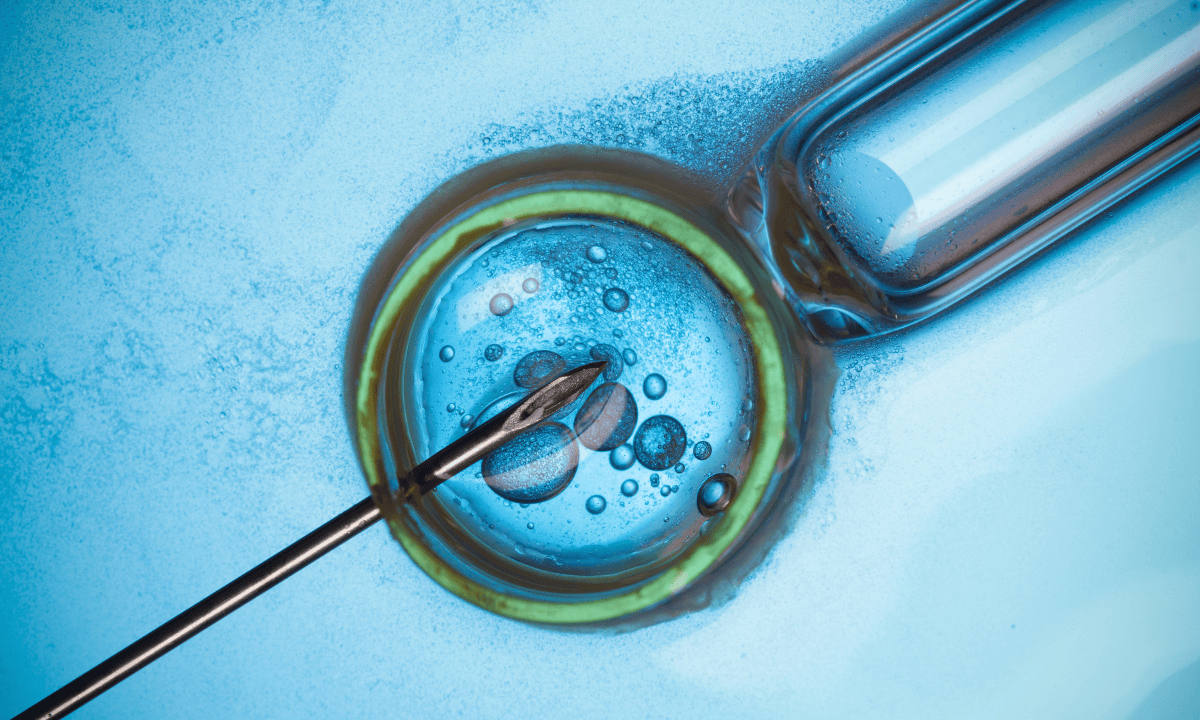
IVF is an assisted reproductive technology (ART) method that helps couples achieve pregnancy when conception has not occurred naturally or when other fertility treatments have been deemed unsuitable by your doctor.
During the process, eggs are collected from the ovaries and fertilised with sperm in a laboratory to form embryos (early stages of development after an egg has been fertilised). A suitable embryo is then transferred into the uterus (womb), where it may implant and develop into a pregnancy.
Is IVF a painful process?
During IVF, you may experience mild to moderate discomfort rather than significant pain. Though the level of discomfort may vary depending on the stages and cycles of the IVF process. The types of discomfort you may experience at each stage include:
Ovarian stimulation:
During ovarian stimulation, daily hormone injections are usually given for around 8 to 14 days to encourage the ovaries to develop multiple eggs.
The hormone injections may cause slight stinging, tenderness, or bruising at the injection site.
As the ovaries become enlarged, you may experience bloating, mild cramping, and pelvic tenderness, which could make daily activities or exercising uncomfortable.
Egg retrieval:
Egg retrieval is a minor surgical procedure that is usually performed under sedation, so you are unlikely to feel pain or discomfort during the procedure.
At this stage, your doctor uses transvaginal ultrasound to pass a thin needle through the vagina to collect the eggs from the ovaries.
After the procedure, you may experience mild to moderate cramping, pelvic soreness, bloating, or tiredness, which is similar to menstrual discomfort and improves within a few days.
Embryo transfer:
Embryo transfer is usually one of the least uncomfortable stages of IVF and may feel similar to a Pap smear, with anaesthesia generally not required.
A catheter (a thin, flexible tube) is used to place the embryo into the uterus, which may cause mild pressure or slight cramping.
You usually won't experience pain during this procedure, although some women may feel anxious, which may heighten awareness of minor sensations.
If you are concerned about pain or side effects during IVF, speaking with a fertility specialist could help you understand what is expected and when further assessment may be needed. Schedule an appointment with Thomson Fertility Singapore.
Our fertility doctors in Singapore
Loading...
What causes your pain during IVF?
The discomfort you experience during IVF may come from hormonal changes, enlarged ovaries, and the procedures involved above. Fertility medicines used during treatment could also increase hormone levels, which may cause bloating, fluid retention (when the body holds on to extra fluid), and breast tenderness.
As the ovaries respond to the fertility medications, multiple follicles (small fluid-filled sacs that contain developing eggs) grow, causing the ovaries to become larger. This may lead to pressure, heaviness, or mild cramping in the lower abdomen.
Other factors that could affect the level of pain
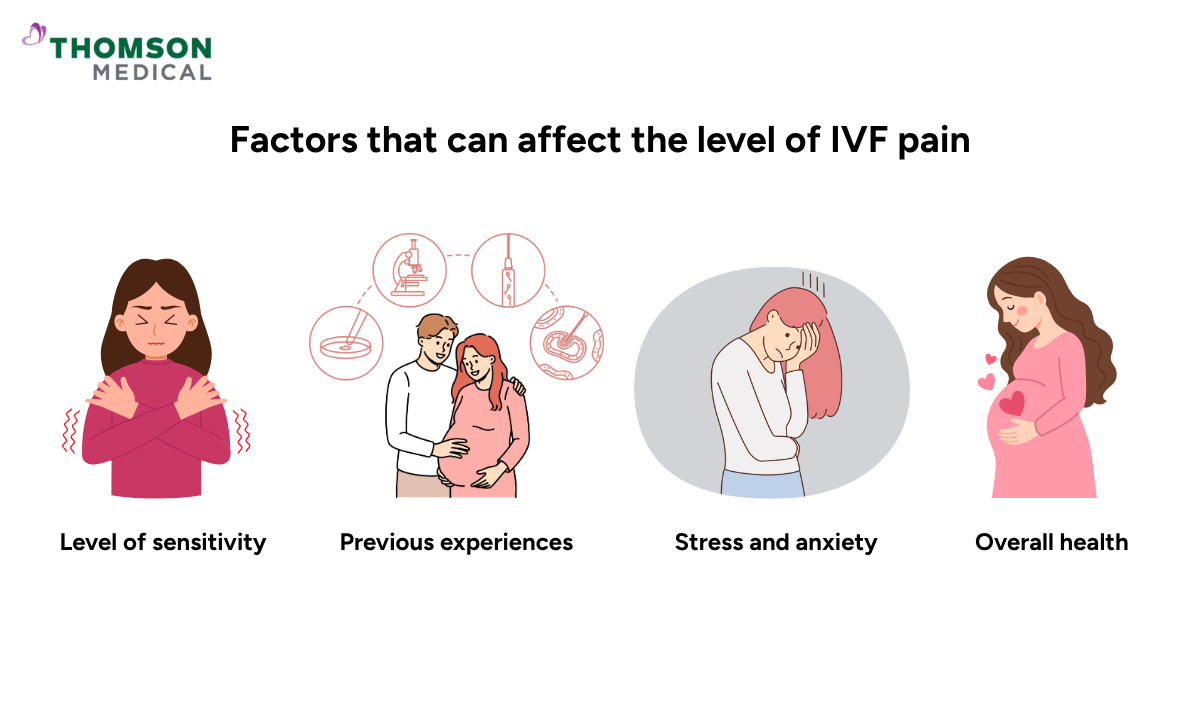
Several factors may influence how your body responds to IVF treatment and how much discomfort you experience, including:
Level of sensitivity:
Each woman responds differently to hormonal changes and medical procedures, so the level of discomfort may vary.
Previous experiences:
Previous pelvic procedures, medical treatments, or experiences with pain may influence how you perceive discomfort during IVF.
Stress and anxiety:
Emotional stress could increase your awareness of physical sensations and make discomfort feel more difficult to manage.
Overall health:
Your general health and how your body responds to fertility medications may also influence the symptoms you experience during treatment.
When to contact a doctor
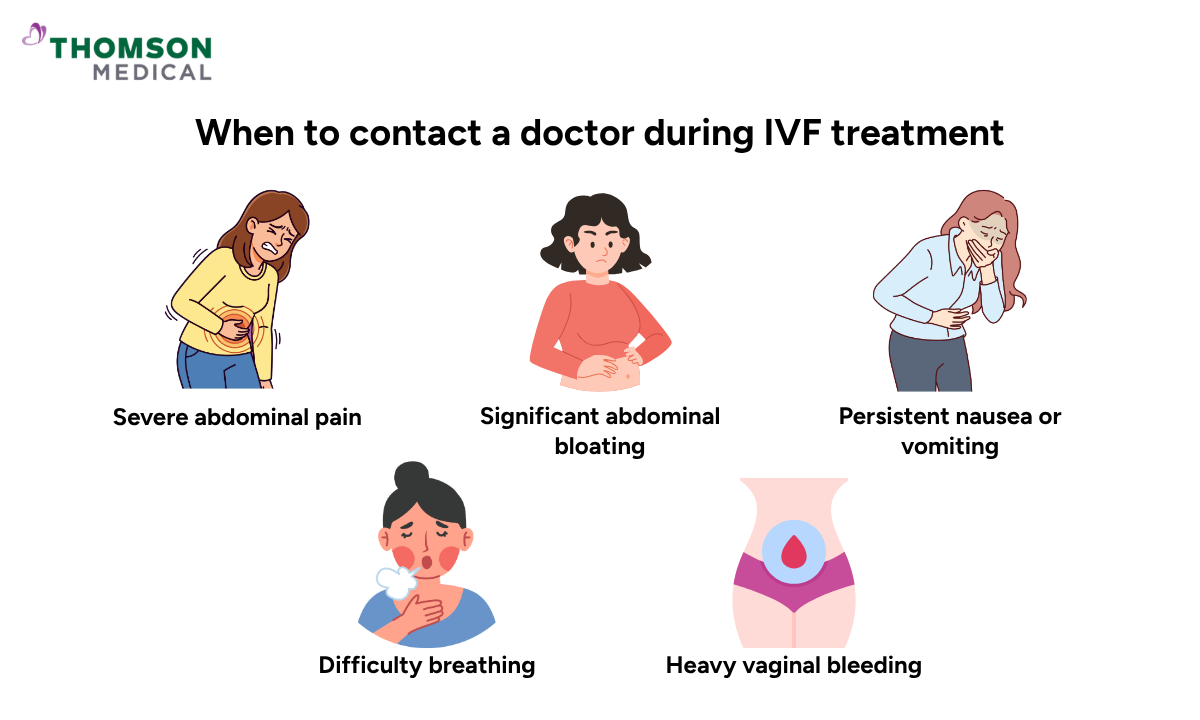
Some mild discomfort could be expected during IVF, but certain symptoms require prompt medical attention to support healthy embryo development. You may contact your obstetrician and gynaecologist (O&G) or fertility specialist if you experience:
Severe or worsening abdominal pain that does not improve with rest or recommended pain relief medication.
Rapid abdominal swelling or significant bloating that feels unusual or continues to worsen.
Persistent nausea or vomiting that makes it difficult to keep fluids down.
Difficulty breathing or chest discomfort, which should be assessed promptly.
Heavy vaginal bleeding or fever, especially if these symptoms occur with significant pain or feeling unwell.
Reduced urination (passing much less urine than usual), particularly when accompanied by increasing abdominal swelling or discomfort.
These symptoms could sometimes indicate ovarian hyperstimulation syndrome (OHSS), a complication where the ovaries respond too strongly to fertility medicines, which may range from mild to severe and may require medical treatment.
If you experience any of the symptoms mentioned above, it is recommended to seek medical advice from a doctor for an early assessment. Schedule an appointment with Thomson Fertility Singapore.
How to manage pain during IVF?
Many pains or discomforts during IVF treatment are commonly temporary and could often be managed with the right support and practical measures at home, including
Staying well hydrated: particularly during ovarian stimulation, to support your body's natural processes and help reduce symptoms such as bloating and headaches.
Eating a balanced diet and smaller, regular meals: which may help manage nausea, maintain energy levels, and reduce abdominal discomfort.
Getting adequate rest and prioritising sleep: as fatigue is a common side effect during IVF treatment.
Seeking emotional support and practising relaxation: may help you manage stress and emotional journeys during treatment.
It is also important to take pain relief medication as advised and to always check with your fertility specialist before taking any medication during the IVF process.
FAQ
How long should you rest after IVF?
Overall, you can return to your usual daily activities on the same day or the following day, although strenuous exercise may need to be avoided for a short period, depending on your doctor’s advice.
After egg retrieval, it is recommended to rest for the remainder of the day, as this minor surgical procedure can cause temporary cramping, soreness, or tiredness.
At what age does IVF have the best outcomes?
Age is one of the factors that can influence IVF outcomes, particularly because egg quantity and quality tend to decline with age. IVF generally has higher pregnancy rates in younger women, while outcomes tend to decrease as age increases, particularly after 35 and more noticeably after 40. But other factors such as ovarian reserve, overall health, and the cause of infertility also influence the outcome.
Is the IVF process more painful on the second or third time?
Having IVF for a second or third time does not necessarily mean the treatment will be more painful. The level of discomfort can differ between cycles depending on how the ovaries respond to the medicines, the number of follicles that develop, and the procedures involved. Some women may find later cycles easier because they know what to expect, while emotional stress can make the overall experience feel more challenging.
What is the hardest part of IVF?
The IVF experience can be physically and emotionally demanding, and what feels most difficult differs between women. Some may find the waiting period after embryo transfer particularly challenging because of the uncertainty while waiting for pregnancy test results. Others may find the repeated appointments or hormonal injection procedures more difficult to manage.
The information provided is intended for general guidance only and should not be considered medical advice. For personalised advice based on your unique conditions, schedule an appointment with Thomson Medical.
For more information, contact us:
Thomson Fertility Centre
- Paragon: 6252 7766
- Novena: 6399 3758, 8811 0358 (WA)