

When months pass without a positive pregnancy test, it's completely natural to feel anxious and wonder if something is wrong. You might find yourself questioning whether you should keep trying naturally or if it's time to consider medical help like intrauterine insemination (IUI). To help you decide which approach suits you best, let's take a look at the differences between natural conception and fertility treatment.
What is IUI?
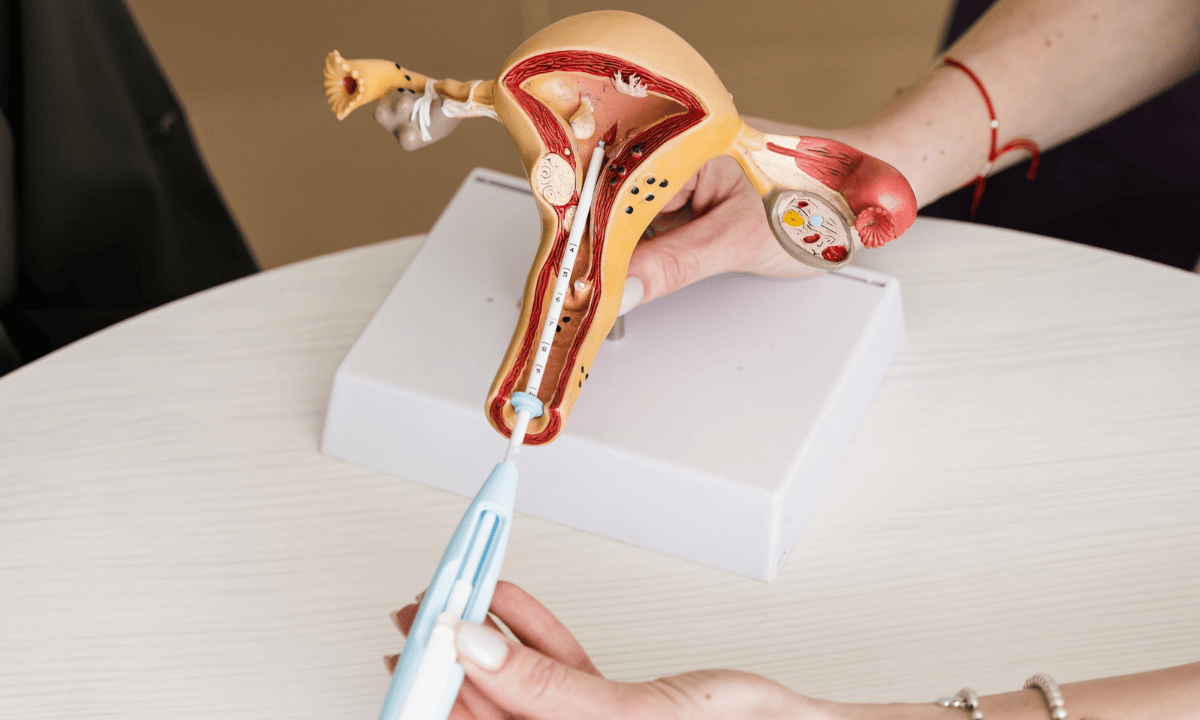
Intrauterine Insemination (IUI) is a type of fertility treatment where sperm is carefully prepared and placed directly into your uterus (womb) around the time of ovulation.
The process begins with collecting a sperm sample from your partner. The sample then goes through a process called sperm washing, which concentrates the healthiest sperm. Finally, this prepared sperm is gently inserted through your cervix (lower part of the womb) into your uterus using a thin and flexible tube called a catheter.
By placing sperm closer to the egg, IUI gives them a head start on their journey to fertilising the egg. The procedure can be done during your natural cycle, or your doctor may recommend combining it with medications to improve your chances.
What is natural conception?
Natural conception happens when pregnancy occurs without medical intervention. During sexual intercourse, sperm travels through your cervix, then moves into your fallopian tubes, where it may meet and fertilise an egg.
If fertilisation is successful, the resulting embryo travels down to your uterus and implants in the uterine lining, where it will continue to develop. For couples without fertility challenges, this process often happens within six to 12 months of well-timed intercourse.
How do IUI and natural conception differ?
To help you decide which option feels right for you, here's a comparison of the two approaches:
| Natural conception | IUI | |
|---|---|---|
Medical involvement | None required | Requires fertility clinic visits and monitoring |
Timing control | Depends on tracking your menstrual cycle | Precisely timed using ultrasound scans |
Sperm placement | Sperm travels through cervix naturally | Prepared sperm placed directly into uterus |
Cost | Free | Public hospitals charge around SGD 660-760, while private clinics range from about SGD 1,800-3,000 |
When should you try natural conception first?
If you're under 35, have regular menstrual cycles, and have no known fertility issues, trying naturally for up to a year is generally recommended. This gives you time to conceive without medical intervention while you track your fertile window and time intercourse accordingly.
Many healthy couples conceive within the first six months, though it can take up to a year and that's completely normal. During this time, focus on understanding your cycle and timing intercourse around ovulation.
However, if you're 35 or older, the recommended approach is adjusted. Fertility declines more rapidly after 35, so seeking help after six months rather than waiting a full year provides you more options and time to work with.
When should you consider IUI instead?
Your doctor may recommend IUI if natural conception hasn't been successful, especially when:
You have mild male factor issues, such as low sperm count or reduced sperm motility
You have irregular ovulation or polycystic ovary syndrome (PCOS)
You have unexplained infertility despite everything appearing normal
You have cervical mucus problems preventing sperm from reaching your uterus
If any of these challenges apply to you, request an appointment with Thomson Medical. Our fertility specialists can review your cycle patterns, assess sperm parameters, and help you determine whether IUI is the most effective next step toward conception.
Our fertility doctor in Singapore
Loading...
What are the advantages and limitations of each approach?
Both approaches offer distinct benefits and face certain constraints. Here's what to consider:
| Natural conception | IUI | |
|---|---|---|
Advantages |
|
|
Limitations |
|
|
What are the risks of IUI?
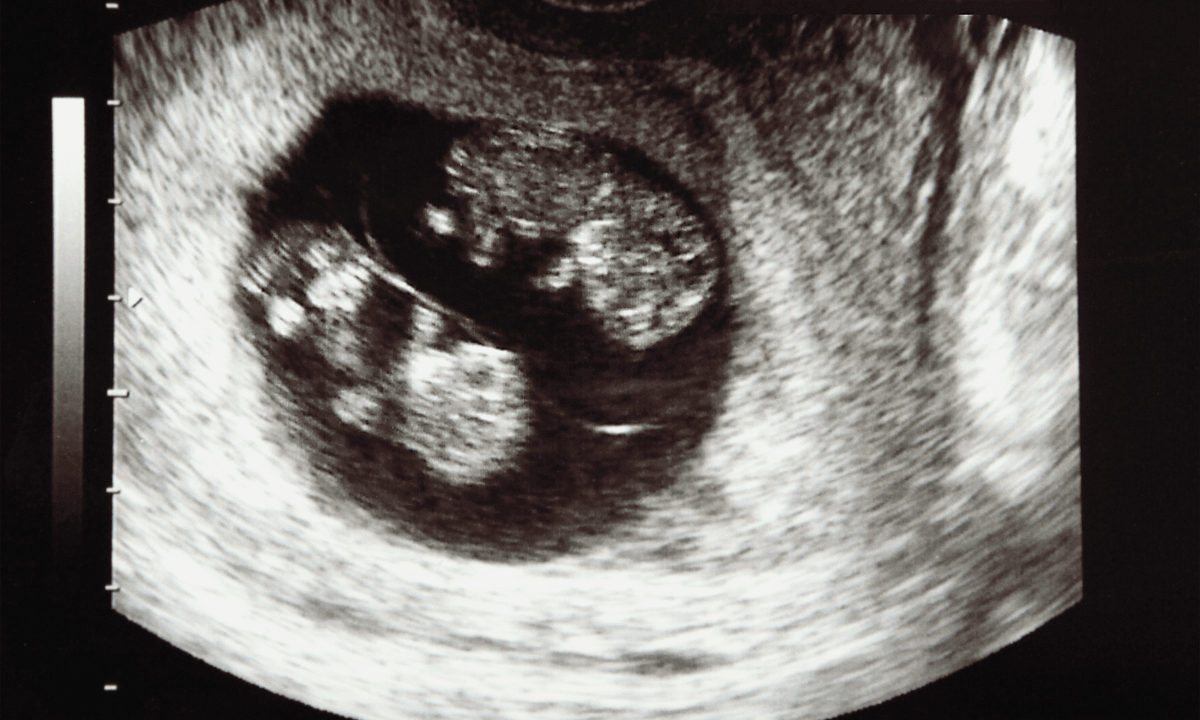
IUI is a safe procedure, and most women tolerate it very well. You may experience mild cramping or light spotting afterward, which is normal and resolves quickly.
The most common risk associated with IUI is multiple pregnancies. If you’re taking fertility medications, your ovaries might release more than one egg, which can increase the chance of having twins or more. While that may sound exciting, multiple pregnancies carry higher risks for both you and your babies, including premature birth and low birth weight. Your fertility specialist will monitor you closely to help minimise these risks.
Another rare complication is ovarian hyperstimulation syndrome (OHSS). This can happen if fertility medications overstimulate your ovaries, causing them to become swollen and sore. Careful monitoring during treatment helps prevent this condition from becoming a problem.
Infection risk after IUI is extremely uncommon, as fertility clinics follow strict sterility protocols during the procedure.
What to expect during the IUI procedure
The IUI procedure itself is straightforward and quick. The actual IUI takes just five to 10 minutes and doesn't require anaesthesia. Most women describe the sensation as similar to mild menstrual cramping. After the procedure, you’ll be asked to lie down for 10-15 minutes to help the sperm stay in the uterus and potentially increase pregnancy chances. You can then resume your normal activities the same day.
What are the success rates?
Understanding your chances of conception helps manage expectations realistically.
Natural conception by age:
In your 20s, the monthly chance of natural conception is roughly 20-25%.
Fertility begins to decline in your early 30s, with a more noticeable drop after age 35.
By age 35, the chance decreases to less than 15% and by age 40, it drops to about 5% or less per cycle.
IUI success rates:
In natural IUI cycles without stimulation, success rates are lower, typically around 4-10% per cycle.
When combined with ovarian stimulation using fertility medications, success rates increase to approximately 10-15% per cycle.
Success gradually declines with age. Women under 30 often have IUI success rates of around 10-20% per cycle, while for women over 40, they drop to around 5%.
Most fertility specialists recommend trying three to six cycles before considering more advanced treatments, like in vitro fertilisation (IVF), as most successful pregnancies happen within this window.
IUI vs natural conception: Which is right for you?
When choosing between IUI and natural conception, consider these key factors:
Your age
Your length of time trying to conceive
Your diagnosed fertility issues
Your emotional comfort with medical intervention
Your financial situation
If you’re unsure whether IUI or trying naturally is the best option for you, request an appointment with Thomson Medical. Our fertility specialists will assess your reproductive health, review your test results, and guide you toward the most suitable conception method tailored to your age, medical history, and fertility goals.
FAQ
Is IUI more successful than trying naturally?
The success of IUI compared to natural conception depends on your fertility status. For couples without fertility issues, natural conception and IUI (without stimulation) have success rates of 4-10% per cycle. When IUI is combined with ovarian stimulation using fertility medications, success rates generally improve to 10-15% per cycle.
It is important to understand that IUI doesn’t fix underlying fertility problems but rather helps by bypassing certain barriers. For example, in low sperm count, IUI concentrates sperm closer to the egg. In unexplained infertility, IUI improves chances but doesn’t treat the root cause. Therefore, for couples experiencing fertility challenges, especially mild to moderate, stimulated IUI can improve pregnancy chances over natural attempts.
Does IUI involve medications?
Not always. A natural IUI cycle is timed with your body's own ovulation and requires no medications at all. A stimulated cycle uses fertility medications to encourage egg development and precisely trigger ovulation. Medications may improve success rates, particularly if you have irregular cycles, though they do increase the risk of multiple pregnancy. Your doctor will recommend the approach that makes the most sense for your situation.
How many cycles of IUI should I try?
Most fertility specialists recommend trying three to four cycles of intrauterine insemination (IUI), as most successful pregnancies occur within this period. Some may continue up to six cycles, but if pregnancy hasn’t occurred, it doesn’t mean you won’t conceive. Exploring other treatment options, such as IVF, may improve your chances of conceiving.
Is natural conception still possible after failed IUI cycles?
Absolutely. Many couples do conceive naturally even after unsuccessful IUI attempts. While the results can feel discouraging, unsuccessful IUI cycles don't mean you can't conceive. Natural conception remains possible as long as you're still ovulating and your fallopian tubes are open. Many couples conceive naturally between treatment cycles or after taking a break from fertility treatments entirely.
Can stress affect conception?
Yes, chronic stress can impact fertility by disrupting your hormone balance and affecting your menstrual cycle. Managing stress through techniques like mindfulness, gentle exercise, or counselling can help regulate your cycle, improve the timing of ovulation, and create better conditions for conception.
However, if you've been trying for an extended period, don't assume stress is the only factor. It's important to see a fertility specialist who can check for other medical issues that might be affecting your ability to conceive.
Is IUI considered a high-risk pregnancy?
No, IUI itself doesn't make your pregnancy high-risk. Once you're pregnant, whether you conceived through IUI or naturally will not affect your pregnancy risk level. The main concern is the possibility of multiple pregnancies if fertility medications are used, but your fertility specialist will monitor you carefully throughout the process to minimise this risk.
The information provided is intended for general guidance only and should not be considered medical advice. For personalised recommendations and tailored advice based on your unique situations, please consult a specialist at Thomson Medical. Request an appointment with Thomson Medical today.
For more information, contact us:
Thomson Fertility
- Paragon: 6252 7766
- Novena: 6399 3758, 8811 0358 (WA)
Thomson Specialists (Women's Health)
Request an Appointment