

After in vitro fertilisation (IVF) brings your little one home, a question often surfaces somewhere along the way, “Could my next pregnancy happen naturally without going back into IVF?”
It’s a fair question, and the answer isn’t the same for everyone. Whether a natural pregnancy after IVF is possible depends on what led you to IVF in the first place, along with factors such as age and how much time has passed. Here’s what shapes the picture and what it may mean for your next steps.
Could you get a natural pregnancy after IVF?
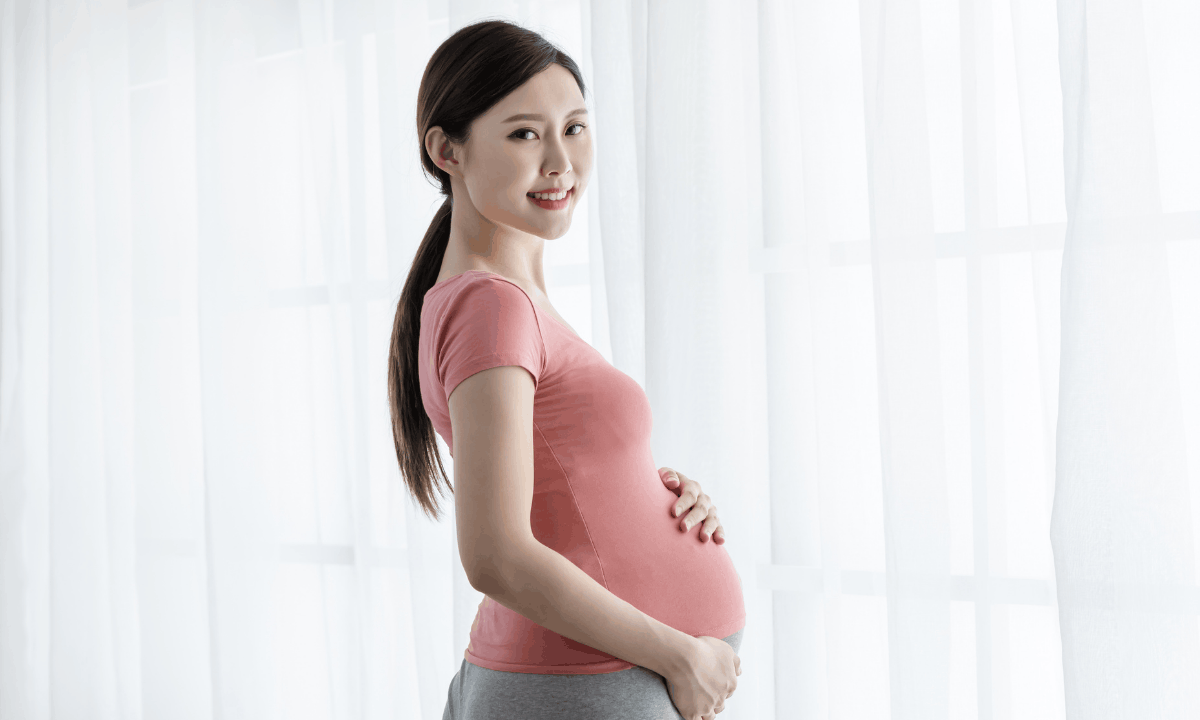
After having a baby through IVF, some women go on to conceive naturally, which is known as a spontaneous conception. Though the chances of this pregnancy vary, it is estimated that approximately 20% of women who had a baby through IVF or ICSI conceive naturally in a later pregnancy.
Natural pregnancy after IVF may still be possible for several reasons, including:
The underlying fertility issue may have resolved or been treated:
Some fertility issues may change over time or respond to treatment. For example, treating or removing uterine anatomical issues before or during IVF may make a natural pregnancy possible.
People with unexplained infertility may also conceive naturally, though the reasons are not always clear.
Lifestyle and health factors may have improved:
Having a healthy weight, stopping smoking, reducing alcohol intake, managing long-term health conditions, and improving nutrition may support your fertility and overall health before pregnancy.
Factors that could affect natural pregnancy after IVF
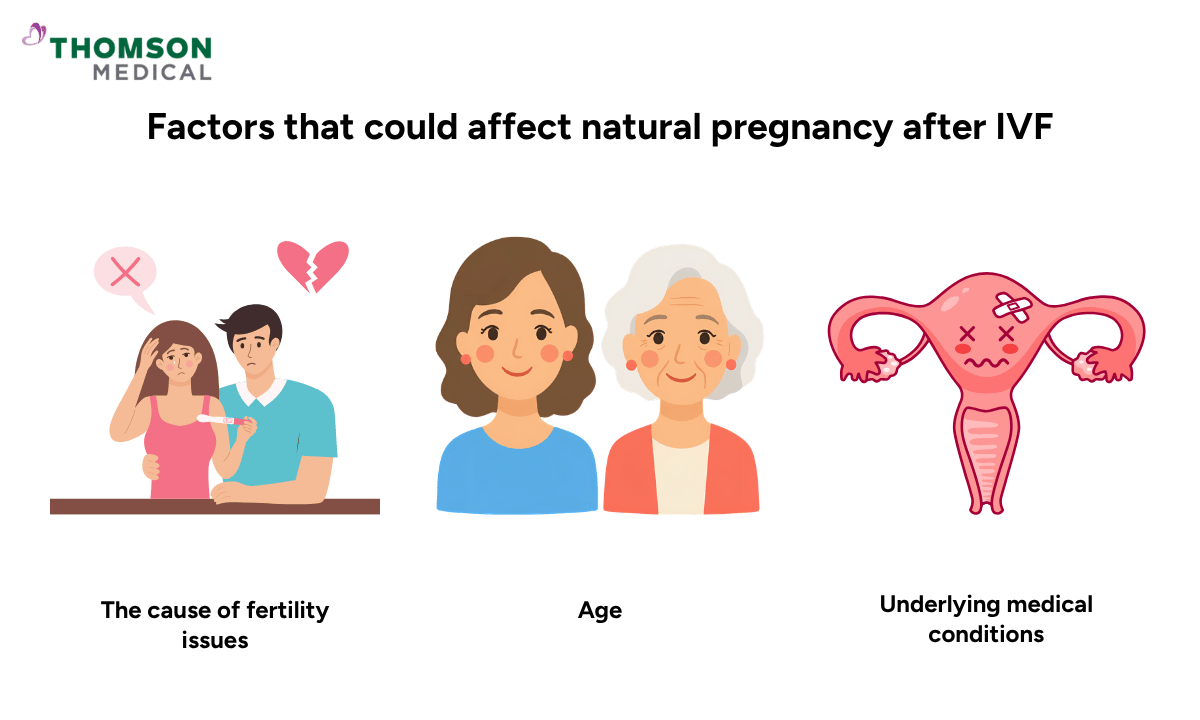
Your chances of conceiving naturally may also be affected by several factors. Here are some factors that may impact the likelihood of a natural pregnancy after IVF.
The cause of fertility issues
The cause of a fertility issue may affect the likelihood of a spontaneous pregnancy. This is because it determines whether the steps required for conception may happen naturally, from ovulation to fertilisation and implantation.
If a couple previously underwent IVF due to a temporary fertility issue, they may still be able to conceive naturally. However, if the cause of the fertility issue is more complex and tends to be permanent, such as absent fallopian tubes or severe male infertility, it is less likely that spontaneous conception will occur.
Age
Age could also affect the likelihood of a spontaneous pregnancy. As women get older, the number of eggs remaining in the ovaries decreases, and those eggs are more likely to have chromosome changes that could make it difficult for normal embryo development. This decline becomes more noticeable during the 30s and is generally faster from the mid-30s onwards.
Underlying medical conditions
Some health conditions may affect fertility and the likelihood of getting a spontaneous conception. These conditions include:
Polyendocrine metabolic ovarian syndrome (PMOS):
PMOS – formerly known as polycystic ovary syndrome (PCOS) – may cause irregular or absent ovulation and may affect fertility.
Some women with PMOS may have different periods or ovulation patterns, which could be related to the IVF hormone medications or other factors.
Mild endometriosis:
This condition is an early stage of endometriosis where small areas of tissue similar to the womb lining grow outside the womb.
It may affect fertility since it may cause inflammation in the pelvis, reduced egg quality, ovulation problems, and changes to tubal function.
Mild male factor fertility issues:
Mild sperm-related factors could include a low sperm count, reduced sperm movement, or abnormal sperm shape.
Once these issues have been addressed or improved, the chances of spontaneous conception may also increase.
If you are unsure about your chance of getting a natural pregnancy after having IVF treatment, consider a consultation with a fertility specialist who may assess your condition and discuss the chances of your spontaneous pregnancy. Schedule an appointment with Thomson Fertility Singapore.
Our fertility doctor in Singapore
Loading...
What to consider before trying to conceive naturally again
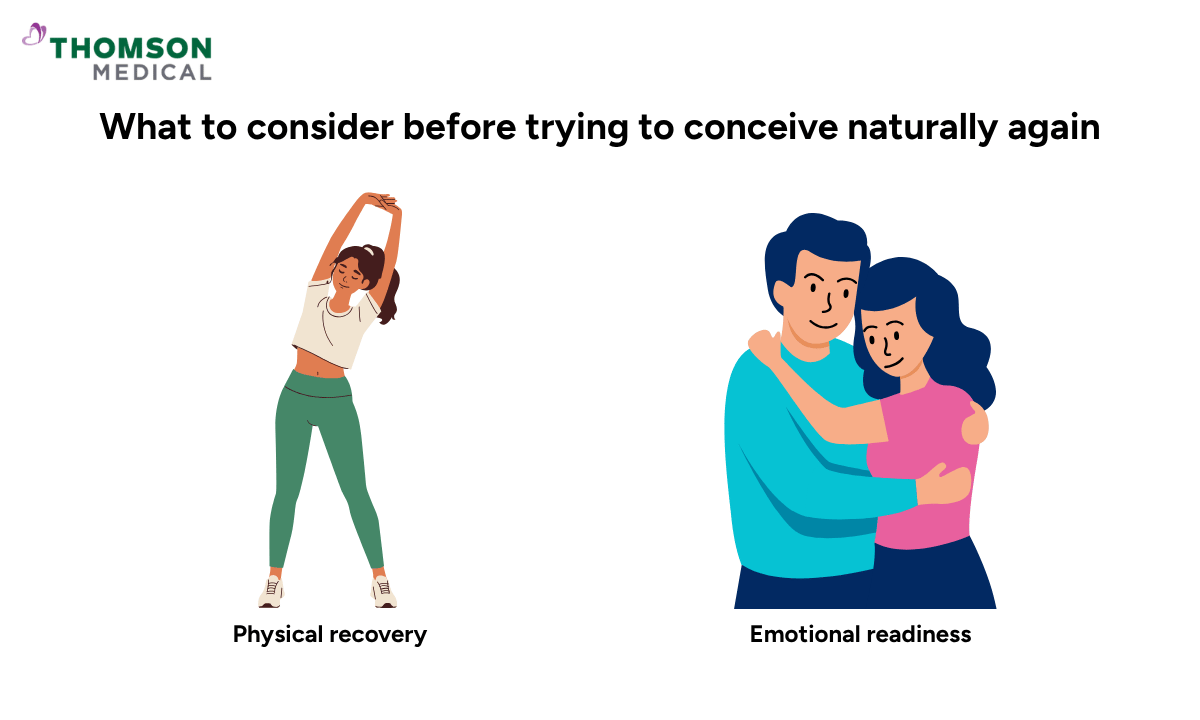
If you are considering trying to conceive naturally again after IVF, there are two aspects you need to consider. Firstly, it is recommended that you allow your body to recover from the hormone treatments and physical strain of the IVF process. Doctors usually recommend waiting one to two menstrual cycles before trying to conceive naturally.
Secondly, consider your emotional readiness, as IVF could be an emotionally challenging process. You may need to take some time to discuss with your partner whether you both feel ready to try again naturally.
Tips to conceive naturally after IVF
Although it may be difficult, conceiving naturally after IVF is still possible, and there are practical steps you could take to increase your chances. Here are some tips to help you conceive naturally after IVF:
Maintain a healthy body weight, as being underweight or overweight may affect ovulation.
Tracking your ovulation using ovulation predictor kits, follicular monitoring or basal body temperature tracking.
Have sexual intercourse every one to two days prior to your ovulation window to maximise your chances of conceiving.
Optimise your diet by eating foods such as leafy greens, nuts and seeds, whole grains, lean protein and antioxidant-rich fruits.
Avoid unhealthy foods and beverages containing excess sugar, ultra-processed foods, and trans fats.
Manage stress by meditating, practising deep breathing, getting enough sleep and seeking emotional support.
You and your partner could also support preconception health by avoiding smoking, limiting alcohol intake, and taking antioxidant supplements if advised by a doctor.
If you and your partner have been facing difficulties conceiving naturally after a previous IVF treatment and are unsure whether you should have another IVF, a consultation with a fertility specialist may help. Schedule an appointment with Thomson Fertility Singapore.
FAQ
Can you conceive naturally even if your previous IVF has not resulted in pregnancy?
Natural conception may still be possible after an IVF cycle that did not result in pregnancy. It is because that previous IVF cycle does not affect the outcome of a future natural conception. However, your individual likelihood depends on the reason IVF was recommended, your age, whether you ovulate, tubal health, and sperm factors.
Is it easier to get pregnant naturally after IVF?
While IVF can help conception by supporting fertilisation outside the body and transferring an embryo into the womb, this treatment does not usually make getting pregnant through natural conception easier afterwards. Whether you can conceive naturally after IVF will depend on factors that affect the possibility of natural pregnancy.
Does IVF affect your natural reproductive system?
IVF does not usually cause permanent changes to your natural reproductive system. This is because the medicines used during treatment are only for temporary ovarian stimulation.
Are you more fertile after an IVF treatment?
IVF does not make a woman more fertile afterwards because it does not address the underlying reasons for infertility, such as blocked fallopian tubes, changes in egg number or quality with age, irregular ovulation, conditions affecting the womb, or sperm-related factors.
The information provided is intended for general guidance only and should not be considered medical advice. For personalised advice based on your unique conditions, schedule an appointment with Thomson Medical.
References
Thwaites, A., Hall, J., Barrett, G., & Stephenson, J. (2023). How common is natural conception in women who have had a livebirth via assisted reproductive technology? Systematic review and meta-analysis. Human reproduction (Oxford, England), 38(8), 1590–1600. https://doi.org/10.1093/humrep/dead121
For more information, contact us:
Thomson Fertility Centre
- Paragon: 6252 7766
- Novena: 6399 3758, 8811 0358 (WA)