

When an injury causes joint pain, it can be difficult to know where to seek care. You may be in pain, struggling to move, and unsure whether the injury requires immediate attention.
Orthopaedic care at the urgent care centre is designed for these in-between situations. It offers timely assessment for injuries such as sprains, suspected fractures, and joint pain, helping you get the right care without unnecessary delays or uncertainty.
When do you need urgent care for orthopaedic injuries?
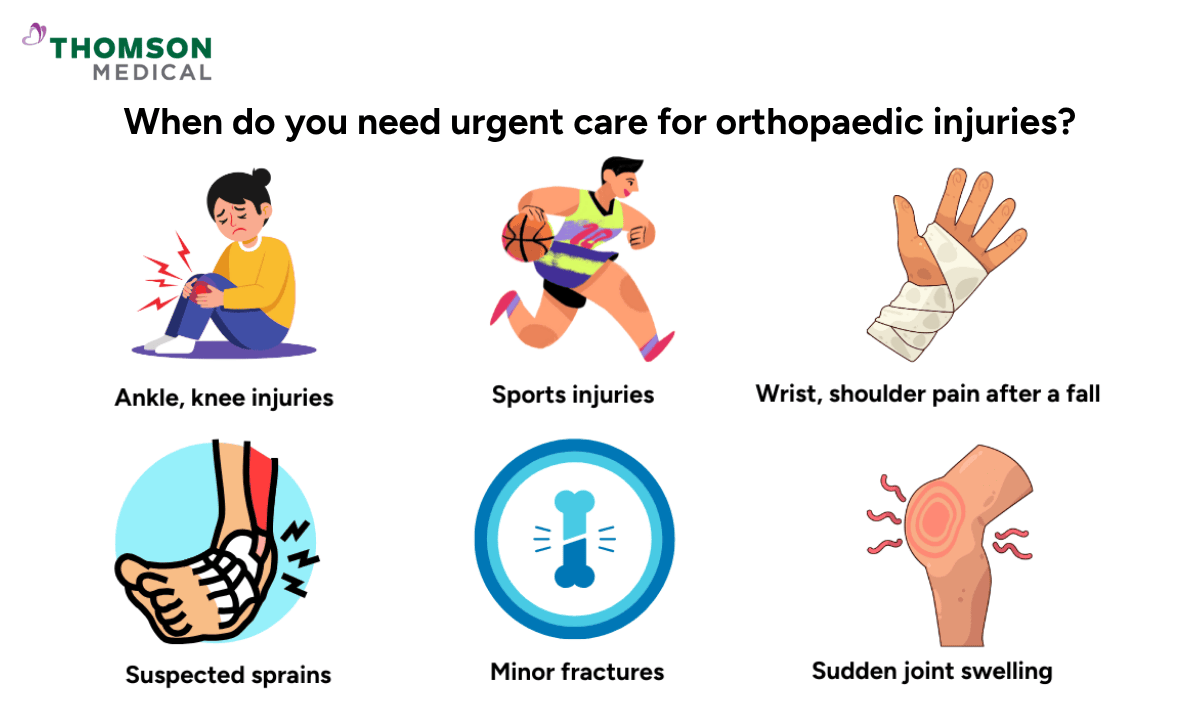
Orthopaedic urgent care is for injuries to bones, joints, muscles, and ligaments that can't wait days but aren't quite emergency-level.
It may include:
Ankle and knee injuries
Wrist or shoulder pain after a fall
Suspected sprains
Minor fractures
Sudden joint swelling
If you're dealing with pain, swelling, bruising, or trouble moving after an injury, but you're not in immediate danger, urgent care is usually a good starting point. You'll get assessed and treated the same day without sitting in an emergency department for hours.

Signs your injury needs emergency room care instead
Some injuries may be too severe for urgent care.
It’s best to head straight to the emergency room if you have:
An obvious bone protruding through the skin
A visible deformity
Severe bleeding
Complete inability to move or feel the limb
High-impact accidents such as car crashes or falls from height
Severe pain that is rapidly worsening, numbness, loss of circulation
Signs of infection like fever with a red, hot joint
Urgent care centres are designed to manage stable conditions. They are not equipped for major emergencies or conditions that may require immediate surgery, intensive monitoring, or emergency operating facilities. That’s why these situations are best treated in A&E.
When to schedule a regular orthopaedic appointment
A regular orthopaedic appointment is often the best option when you have:
A mild injury that is getting better, or has been bothering you for weeks without suddenly getting worse
Chronic joint pain
Long-standing back or shoulder issues
Follow-ups for conditions you've already been diagnosed with
Think of orthopaedic urgent care as the place for new injuries or ones that have suddenly taken a turn for the worse, not for ongoing problems that can wait for a scheduled visit.
Our urgent care specialist
Loading...
How quickly can you be seen without an appointment?
Most Urgent Care Centres (UCCs) in Singapore take walk-ins, and you'll usually wait much less time than you would at a hospital emergency department. It’s often somewhere under an hour, depending on how busy they are and how your injury stacks up against others waiting.
They use a triage system, so more severe injuries get seen first. It’s important to let the staff know if your pain or condition gets worse while you're waiting. They can reassess you and move you up in the queue.
Does urgent care have X-rays, CT scans, or MRIs on-site?
Orthopaedic urgent care centres usually have X-ray facilities right there, so your doctor can quickly check for fractures or bone injuries. That's one of the big advantages over regular clinics.
CT scans and MRI scans usually aren't available on-site, though. If you need one of those, the urgent care doctor can arrange a referral to a hospital or imaging centre and walk you through what to do next.
Available orthopaedic treatment at the urgent care centre
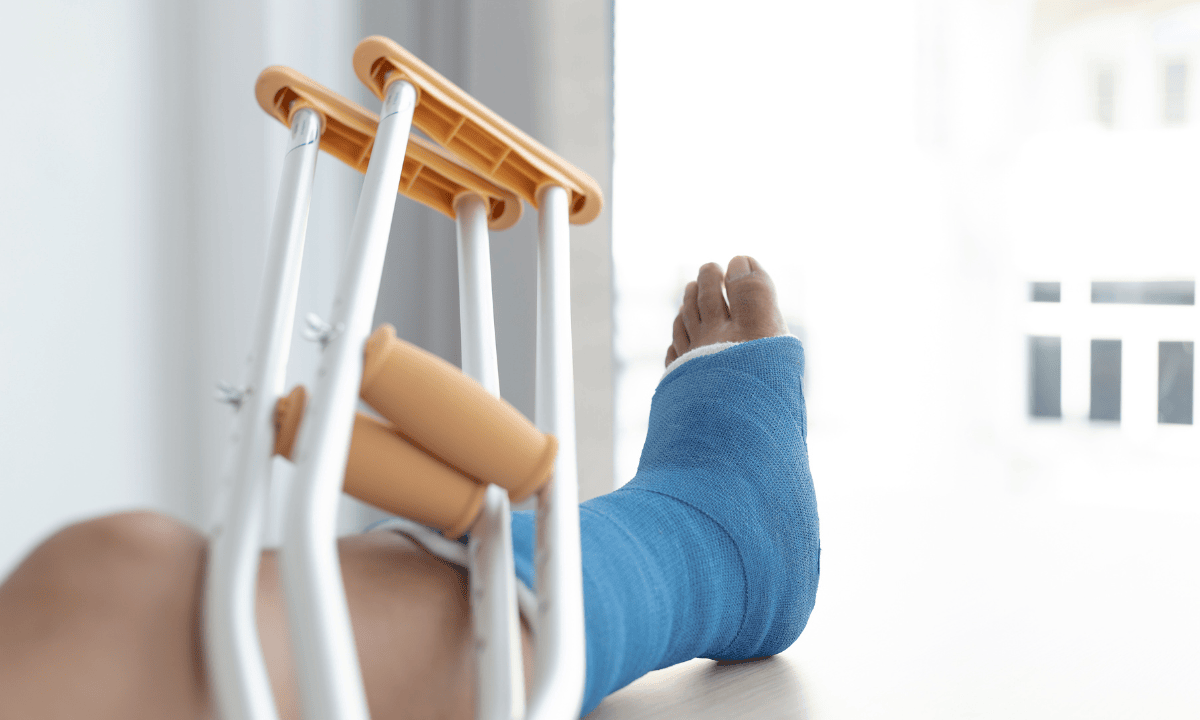
Casting, splinting, and bracing are available at most orthopaedic UCCs for fractures and soft tissue injuries. They'll often do temporary immobilisation during your visit to ease the pain and stop things from getting worse.
If you need a more complex cast or surgical intervention, they can stabilise the injury and get you referred to an orthopaedic specialist right away.
What should you bring to orthopaedic urgent care?
A few key items can make your visit smoother and save you some time, such as:
Your ID
Your insurance details
Any previous imaging reports or medical letters about the injury
A brace, support, or walking aid (if you’ve been using it)
A list or photos of regular medications
Remember to wear loose, comfortable clothing that gives easy access to the injured area, especially in case they need to examine or scan your knee, ankle, shoulder, or wrist.
If the injury occurred during sports or work, be ready to explain how it happened and when the symptoms started. This information helps the doctor make an accurate assessment and figure out the right treatment or referral.
An injury can feel overwhelming, especially when you’re in pain and unsure where to turn. With orthopaedic urgent care, support is closer than you think, and with timely, appropriate care, most bone and joint injuries heal well.

FAQ
Can orthopaedic urgent care diagnose fractures?
Yes, orthopaedic urgent care can diagnose many fractures using on-site X-rays and clinical examination.
What imaging equipment is available at orthopaedic urgent care?
Most centres have on-site X-ray facilities. CT scans and MRI scans are usually arranged through hospital referral if needed.
Will I see an actual orthopaedic specialist or a general doctor?
This depends on the centre. You may be seen by an orthopaedic-trained doctor, an emergency physician, or a general doctor experienced in musculoskeletal injuries.
What should I do while waiting to go to orthopaedic urgent care?
Rest the injured area, avoid putting weight on it, and apply ice if possible. Do not force movement or exercise.
What if orthopaedic urgent care can’t treat my injury?
The doctor can stabilise your injury and arrange a referral to a hospital or orthopaedic specialist for further care.
Can I go to orthopaedic urgent care for chronic pain or only new injuries?
Orthopaedic urgent care is best for new or suddenly worsening injuries. Long-standing or chronic pain is usually better managed through a scheduled orthopaedic appointment.
The information provided is intended for general guidance only and should not be considered medical advice. For personalised recommendations based on your medical conditions, request an appointment with Thomson Medical.
For more information, contact us:
Thomson Medical 24-Hour Urgent Care Centre (Novena)
- Call: 6350 8812
Notice:
The range of services, vaccinations, and tests may vary. Please contact us directly to enquire about the current availability.
Request an Appointment