

After going for a number two and seeing blood in the toilet can be frightening, especially when there are no symptoms beforehand. If you have experienced this type of bleeding, it is commonly referred to as rectal bleeding and can be caused by a number of factors.
Knowing more about this condition and when to see a doctor may help you decide your next steps.
What is rectal bleeding?
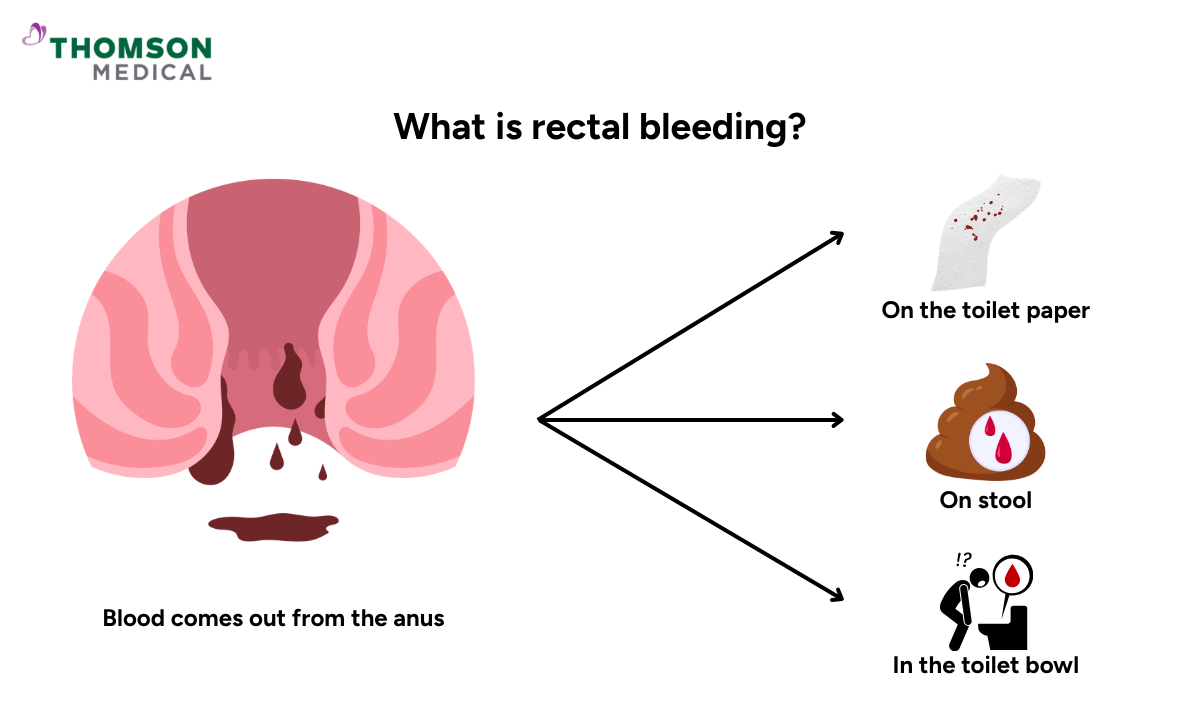
Rectal bleeding refers to any blood that comes out through the anus, though the source of bleeding can arise from elsewhere in the digestive tract. You may notice blood in the stool, on the toilet paper after wiping, or in the toilet bowl.
The blood may appear in different colours, which can tell you a lot about where it's coming from; these include:
Bright-red blood:
This colour usually means the bleeding occurred in the lower part of the digestive tract, such as the rectum or the lower portion of the colon.
Dark-red or maroon blood:
If your stool has dark-red or maroon blood, it usually means there's been bleeding higher up in your large intestine or maybe even in your small intestine. It’s a sign the blood has been inside a bit longer before coming out.
Black or tar-like stool:
This colour often indicates bleeding in the stomach or upper small intestine, where the blood has been digested.
The colour and amount of blood can vary depending on where the bleeding is coming from in the digestive system.
What may cause rectal bleeding?
Rectal bleeding can have several possible causes. Some are common and may arise from the anus or lower bowel, while others may involve other parts of the digestive system.
Common causes
There are some common conditions that may lead to rectal bleeding. These include:
Haemorrhoids:
Haemorrhoids are swollen blood vessels in or around the anus, which can cause bright-red bleeding during or after a bowel movement.
Anal fissures:
Anal fissures are small tears in the lining of the anus, which can lead to pain and a small amount of bright-red bleeding, especially when passing a hard stool.
Diverticular disease:
It is a condition in which small pouches form in the wall of the large bowel, which can sometimes bleed.
Inflammation or infection of the bowel:
Conditions such as inflammatory bowel disease, including Crohn’s disease and ulcerative colitis, may cause bleeding from the bowel.
Some bowel infections – such as those caused by Salmonella or certain types of Escherichia coli (E. coli) – may also lead to bleeding.
Other causes
Rectal bleeding may sometimes be linked to other bowel or digestive conditions, such as:
Bowel polyps:
These are growths in the lining of the bowel that are mostly non-cancerous but may cause bleeding if they bleed into the bowel.
Colorectal cancer:
Rectal bleeding can be a symptom of colorectal cancer, especially when it occurs with a persistent change in bowel habits, unexplained weight loss, abdominal pain, or unexplained tiredness.
Abnormal blood vessels in the bowel:
Sometimes, small blood vessels in the bowel wall become enlarged or fragile. This is known as angiodysplasia. These vessels may leak blood slowly, which can lead to rectal bleeding.
Ischaemic colitis:
Ischaemic colitis occurs when blood flow to part of the large bowel is reduced. This condition can cause abdominal pain and rectal bleeding.
Radiation-related inflammation:
People who have received radiation treatment to the pelvic area may develop inflammation of the rectum, which can cause bleeding.
Other than the conditions mentioned above, there are other less common conditions, such as injury, ulcers, or infections affecting the rectum, that can also cause rectal bleeding.
If you’ve been noticing blood from your anus or on your stool, it is recommended to see a doctor to examine what causes it. Schedule an appointment with Thomson Medical.
Our rectal bleeding specialists
Loading...
How do doctors diagnose the causes of rectal bleeding?
Doctors may use more than one assessment or test to find the cause of rectal bleeding. They may perform a medical history assessment along with a physical examination to:
Assess the urgency of rectal bleeding
Look for possible sources of the bleeding
Decide which examinations or tests may be needed
Other than those assessments, your doctor may perform more tests that are appropriate for your condition. These include:
Proctoscopy or anoscopy:
During this examination, your doctor will insert a small, tube-like device with a light into the anus to examine the anal canal and lower rectum.
This examination can help identify possible sources of bleeding in the anal canal or lower rectum.
Blood tests:
A blood test can check for anaemia and assess the effects of blood loss. Depending on the suspected cause, your doctor may also order tests to check for inflammation, infection, or problems with blood clotting.
Stool tests:
You may be asked to provide a stool sample for laboratory testing. The stool test can check for infection, inflammation, or blood that is not visible to the eye.
Colonoscopy:
During a colonoscopy, a doctor passes a flexible tube with a camera through the anus to examine the rectum and large bowel.
This procedure can help identify inflammation, polyps, and other bowel abnormalities that may cause bleeding.
Some tests, such as blood and stool tests, can provide useful information about blood loss, inflammation, or infection, but they may not identify the exact source of bleeding on their own.
The doctor will interpret the test results alongside your symptoms, medical history and physical examination. They may recommend further tests if needed.
When to see a doctor
While blood in your faeces doesn't always mean you have a serious condition, you should seek immediate medical attention if you experience any of the following:
Heavy bleeding during defecation
Severe abdominal pain alongside dark, tarry stools
Prolonged bleeding during defecation along with changes in the frequency or consistency of bowel movements for more than 3 weeks
Blood in stools accompanied by a fever, vomiting, dizziness, chills, fainting, or weakness
You can arrange a doctor’s appointment if the bleeding lasts more than a day or two, keeps returning, or comes with other concerning symptoms or conditions, such as:
A persistent change in bowel habits, such as constipation, diarrhoea, or narrower stools
Abdominal pain
Unexplained weight loss
Reduced appetite
Ongoing tiredness
A family history of colorectal cancer, bowel polyps, or inflammatory bowel disease
What are the treatment options for rectal bleeding?
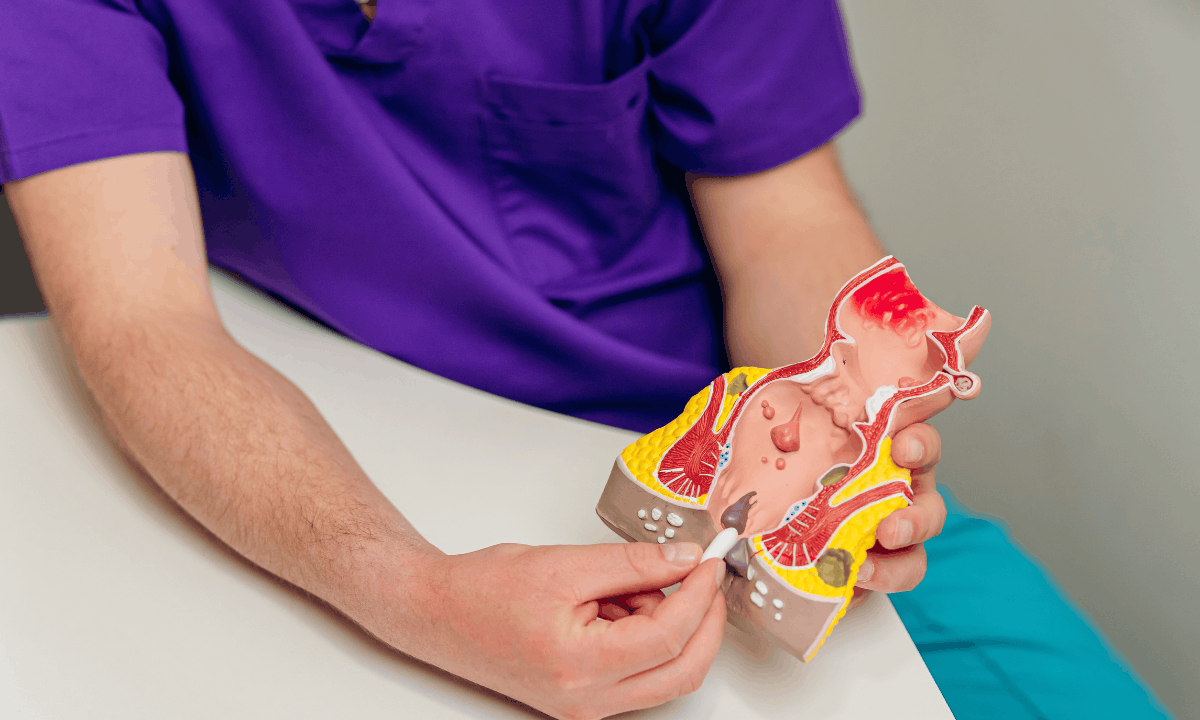
Treatment depends on the cause, how much you are bleeding, and whether the bleeding is persistent. Your doctor may recommend:
Medications:
Depending on the cause of rectal bleeding, your doctor may prescribe creams or ointments to ease anal symptoms, medicines that soften stools and reduce straining, or medicines to treat bowel inflammation or infection.
Colonoscopy:
During colonoscopy, a doctor may be able to treat certain bleeding sources using specialised instruments.
Emergency treatment:
Heavy or ongoing bleeding requires emergency assessment. The treatment may include intravenous fluids, blood transfusion, urgent endoscopy or imaging, and procedures or surgery to control the bleeding.
What can you do to lower the risk?
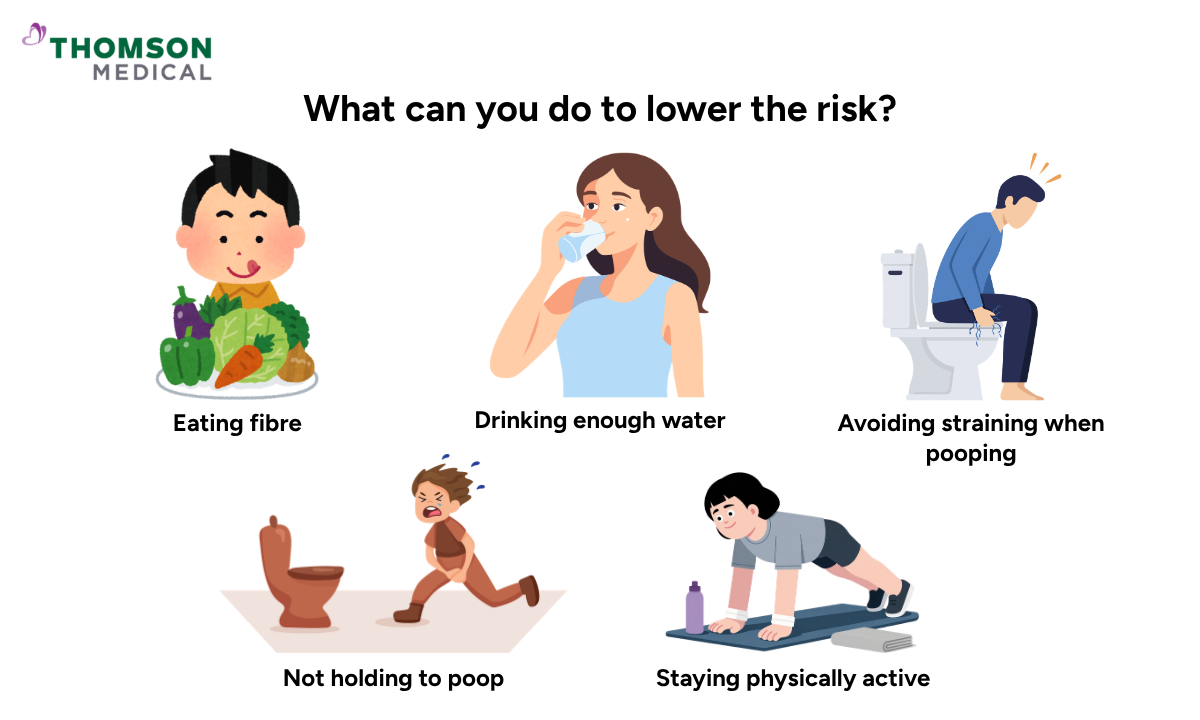
These habits may help lower the risk of rectal bleeding, especially if it’s related to haemorrhoids or anal fissures. Here’s what you can do:
Eating fibre-rich foods:
Eating fibre-rich foods such as vegetables, fruit, whole grains, beans, lentils, nuts and seeds, which helps make stools softer and easier to pass.
Drinking enough water:
Staying well hydrated can help prevent hard stools and constipation.
Avoid straining during bowel movements:
Avoid pushing forcefully when passing stool. This is because straining can increase pressure on the veins around the anus and may worsen causes of rectal bleeding, such as haemorrhoids.
Not holding poop:
Try not to delay going to the toilet when you have the urge. Delaying it can make stools harder and more difficult to pass.
Staying physically active:
Regular activity can support regular bowel movements and help reduce constipation.
If you have taken all measures to lower your risk of rectal bleeding but it still happens, consider a consultation with a doctor who can give advice about your condition. Schedule an appointment with Thomson Medical.
FAQ
Can intense exercise cause rectal bleeding?
Intense exercise may be related to rectal bleeding but cannot directly cause it. Rectal bleeding after an intense exercise may occur when blood flow is temporarily redirected away from the bowel, which may contribute to ischaemic colitis.
Can rectal bleeding go away on its own?
A small amount of rectal bleeding may stop on its own, especially when the cause is a minor anal fissure or haemorrhoids. However, it is advisable to see a doctor if you notice rectal bleeding, rather than waiting for it to stop on its own.
What can you do to ease the pain from rectal bleeding?
Easing the pain from rectal bleeding depends on what causes it. If your doctor has confirmed that pain is due to a minor anal fissure or haemorrhoids, the following measures may help:
- Take a warm bath to soothe the anal area.
- Drink enough fluids and eat fibre-rich foods to help keep stools soft.
- Avoid straining, delaying bowel movements, and sitting on the toilet longer than necessary.
- Cleaning gently with water or damp, unperfumed toilet paper after a bowel movement.
However, if the pain is not related to a minor anal fissure or haemorrhoids, remedies may not be sufficient. In this case, you should seek medical advice so that the underlying cause can be assessed and treated.
Why do you have rectal bleeding during pregnancy?
Rectal bleeding during pregnancy is often caused by haemorrhoids or anal fissures. Pregnancy can increase pressure on the veins around the anus. Meanwhile, the hormonal changes during pregnancy may slow bowel movements and make constipation more likely.
Passing the hard stools or straining can then worsen haemorrhoids or cause small tears in the anal lining.
The information provided is intended for general guidance only and should not be considered medical advice. For personalised advice based on your unique conditions, schedule an appointment with Thomson Medical.
For more information, contact us:
Thomson Medical Concierge
- 8.30am - 5.30pm
- WhatsApp: 9147 2051
Need help finding the right specialist or booking for a group?
Our Medical Concierge is here to help you. Simply fill in our form, and we'll check and connect you with the right specialist promptly.
Notice:
The range of services may vary between Thomson clinic locations. Please contact your preferred branch directly to enquire about the current availability.
Get In Touch