

Pregnancy brings many remarkable changes to your body – including differences in your skin and hair. Many women feel surprised or even a little unsettled when these changes appear, especially if they happen suddenly.
If you are experiencing this issue, you are certainly not alone. Most of these changes are harmless, temporary, and a reflection of your body adapting to support your growing baby.
Understanding why these changes happen can help you feel more reassured and know when it may be helpful to seek medical advice.
Why pregnancy affects your skin and hair
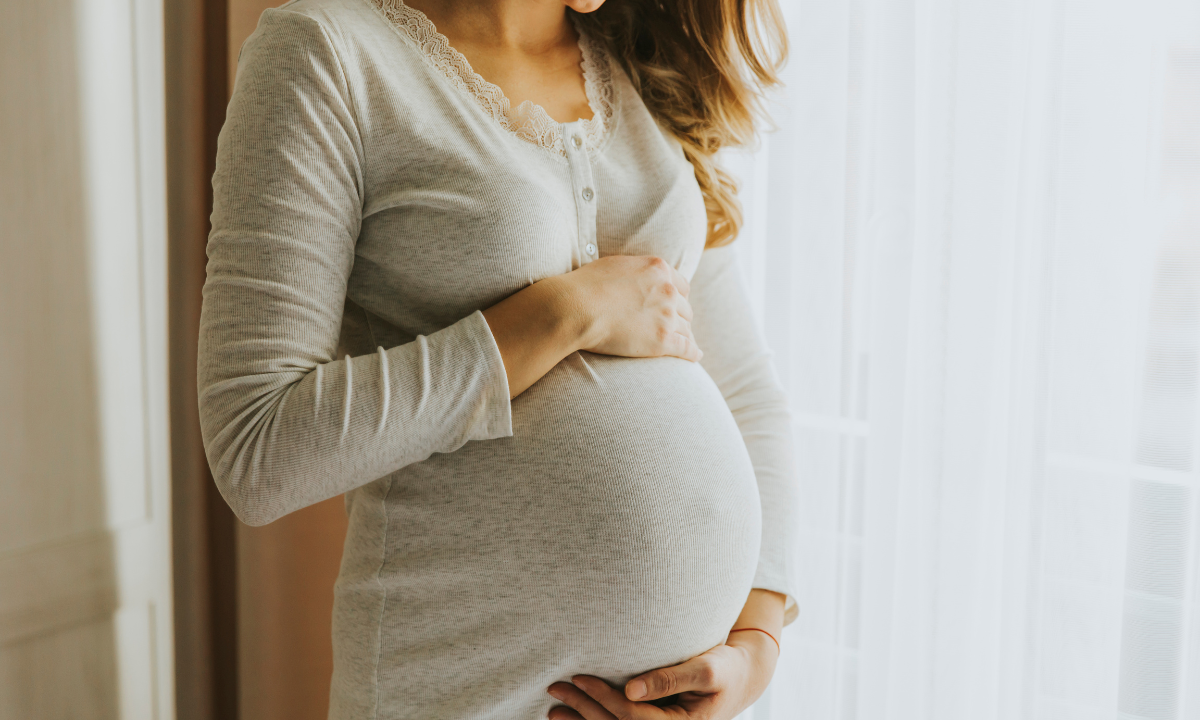
During pregnancy, your hormones shift constantly, and these natural changes can influence almost every part of your skin and hair. They affect:
How your skin barrier functions
How much oil your glands produce
How active your pigmentation cells become
How long your hair stays in its growth phase
Increased blood volume and changes in circulation also play a role, often making the skin feel warmer, more sensitive, or more reactive than usual.
Every woman responds differently to these internal shifts, which is why experiences can vary so widely. Some notice a healthy glow and fuller hair, while others experience breakouts, pigmentation, dryness, or itchiness.
Common skin changes during pregnancy
Hyperpigmentation
As hormone levels rise, melanocytes, the cells responsible for pigmentation, become more active. This can cause dark spots on the:
Face (melasma, which causes darker, patchy pigmentation on the cheeks, forehead or upper lip)
Nipples and areolas
Underarms
Inner thighs
Abdomen, forming the linea nigra (a dark vertical line that commonly appears during pregnancy)
Many women find melasma particularly noticeable because it tends to darken with sun exposure. Although this can be frustrating, especially if it affects your confidence, it usually fades on its own after delivery. The fading process may be gradual, sometimes taking several months.
If these skin changes feel concerning or are affecting your confidence, consider scheduling an appointment at Thomson Medical. A personalised assessment can help you understand what’s normal and explore safe ways to care for your skin during pregnancy.
Stretch marks
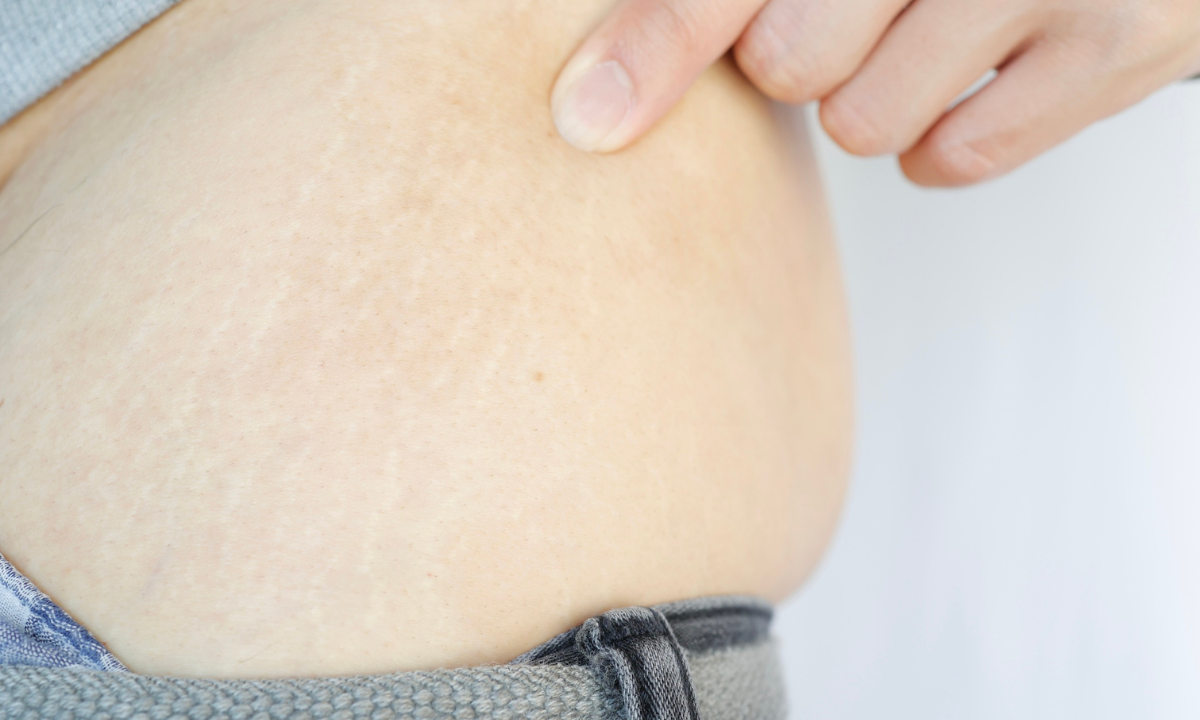
Stretch marks are extremely common and appear when the skin stretches more quickly than its natural elasticity can accommodate. They may start as reddish or purple streaks and gradually become lighter and less visible.
You may be more likely to develop stretch marks if you have:
A family history of stretch marks
Rapid growth during pregnancy
Younger skin with stronger elasticity
Moisturising your skin regularly can help keep it supple and ease any tightness or itching. While no treatment can fully prevent stretch marks from appearing, looking after your skin can make the changes feel more manageable and comfortable as your body grows.
Acne or oiliness
Some women notice that their skin becomes oilier than usual. This is due to hormones stimulating the oil glands, leading to breakouts similar to those experienced during adolescence.
While acne can feel discouraging, particularly if you had clear skin before pregnancy, it is usually a temporary issue that naturally fades away after childbirth.
Dry or itchy skin
As your abdomen grows, the skin can stretch faster than it can stay hydrated, leading to dryness and itchiness.
Many women report that they are more likely to feel dry skin at night. Using gentle, fragrance-free moisturisers can soothe the discomfort, but if the itching becomes persistent or unusually intense, it’s worth having it checked for your peace of mind.
Skin growths
Hormonal shifts during pregnancy can also bring about small, harmless skin conditions, and it’s very common to notice new little growths appearing.
Skin tags:
Soft, tiny bumps that often appear in areas where the skin folds. They’re common in pregnancy and usually nothing to worry about.
Cherry angiomas (small red bumps):
Small, bright red spots form from tiny blood vessels and are completely harmless, even though they can look a little surprising at first.
Darkening of existing moles or freckles:
Many women notice their moles or freckles becoming slightly darker during pregnancy. This is usually a normal response to hormonal changes.
Most of these changes are benign, but if you ever notice a mole growing quickly or changing in shape or colour, it’s best to have it checked for reassurance.
Varicose veins
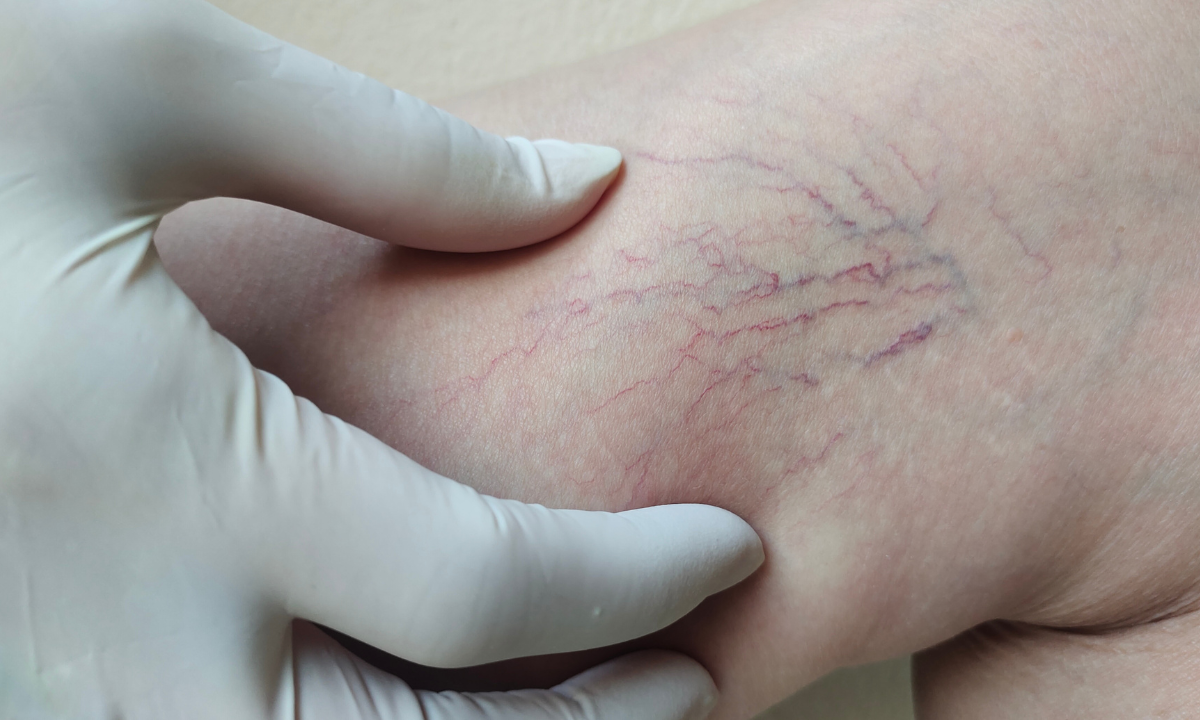
With increased blood volume and added pressure on the veins, some women develop varicose veins in the legs or vulva. Common symptoms include:
A heavy, aching or tired feeling in the legs
Swollen, raised or twisted veins that appear blue or purple
Mild swelling around the ankles
Itching or warmth over the affected area
Discomfort that tends to improve with rest or elevating the legs
If the veins become painful, very swollen, or suddenly change, it’s a good idea to have them checked with your doctor.
Our dermatologist
Loading...
Common hair changes during pregnancy
Thicker, fuller hair
Many women notice their hair becoming shinier, denser, and healthier during pregnancy. This happens because pregnancy hormones keep more strands in the growth phase for longer, which naturally reduces everyday shedding.
Reduced hair fall
You may also see fewer hairs coming out when brushing or washing. This can feel like a lovely change, and it’s completely normal. Just keep in mind that this phase is temporary and simply part of your body’s natural hair cycle.
Increased hair growth
Some women notice new or finer hair growing on areas such as the face, chest, or abdomen. Although this can feel unexpected, it is usually mild and harmless and tends to settle on its own once hormone levels return to normal after pregnancy.
Changes after delivery
A few months after giving birth, many women notice a sudden increase in hair shedding, sometimes described as hair loss or losing “clumps” of hair. This can feel unsettling, especially after enjoying fuller hair during pregnancy, but it is a completely normal response as hormone levels settle.
This phase, known as postpartum telogen effluvium, is temporary, and most women find their hair gradually returns to its usual pattern within 6 to 12 months.
When to seek medical advice

Although most skin and hair changes are normal during pregnancy, there are times when it is safer to seek guidance. You should speak to a doctor if you experience:
Severe or persistent itching, especially on the palms or soles
Yellowing of the skin or eyes
A sudden, widespread rash
Painful or swollen varicose veins
Any mole that changes rapidly in colour, shape, or size
These symptoms do not always indicate something serious, but they can sometimes signal conditions that need further assessment or treatment. Reaching out for professional advice can provide you with clarity and reassurance.
If you’re unsure whether your symptoms are part of normal pregnancy changes, schedule an appointment with Thomson Medical today. Speaking with our doctor can help you feel more confident and well-supported throughout your pregnancy journey.
Caring for your skin and hair safely during pregnancy
Maintaining a gentle routine can make a significant difference. During pregnancy, your skin may become more sensitive than usual, so choosing products that are kind to the skin can help you feel more comfortable and supported.
Consider the following tips:
Use mild, fragrance-free cleansers to avoid irritation
Moisturise regularly to ease dryness and discomfort
Apply sunscreen daily to prevent pigmentation from worsening
Avoid harsh peels, strong retinoids, or high-strength active ingredients
Choose acne treatments that are safe for pregnancy (your doctor can advise on suitable options)
Maintain a balanced diet and stay well hydrated
Follow medical guidance on healthy weight gain to support your skin and reduce unnecessary strai
If you are ever uncertain about an ingredient or treatment, your healthcare provider can guide you toward safe alternatives.
FAQ
Will my skin return to normal after pregnancy?
In most cases, yes. Many changes fade within a few months after childbirth. Pigmentation may take longer to lighten, but it typically improves gradually.
Can melasma be treated during pregnancy?
Options are limited during pregnancy for safety reasons. The best approach is consistent sun protection and gentle skincare. More targeted treatments can be considered after delivery or once breastfeeding has ended.
Are acids or exfoliants safe during pregnancy?
Mild acids such as lactic acid or azelaic acid are generally suitable for pregnancy. However, stronger chemical peels or products with retinoids should be avoided unless specifically advised by a doctor.
Can I prevent all skin and hair changes during pregnancy?
Not entirely. Many changes are driven by hormones and blood flow, which are natural and necessary. However, a gentle skincare routine, sun protection, and good hydration can help minimise discomfort and support healthy skin.
Is it normal for my skin to feel more sensitive than usual?
Yes. Pregnancy can make the skin reactive to products you previously tolerated well. If something stings, burns, or causes redness, it’s best to switch to gentler options.
When should I be concerned about a rash or itching?
Mild itching is common due to stretching skin. However, if itching becomes severe, especially on the hands or feet, or if it keeps you awake at night, you should have it checked to rule out conditions such as obstetric cholestasis.
When will my skin and hair return to normal after pregnancy?
Most skin changes begin to settle within the first few months after giving birth as your hormone levels gradually return to their pre-pregnancy state. Some changes, such as linea nigra or melasma, may take a little longer to fade.
Your hair typically returns to its usual growth and shedding pattern within 6 to 12 months postpartum.
The information provided is intended for general guidance only and should not be considered medical advice. For personalised recommendations and tailored advice based on your unique situations, please consult a specialist at Thomson Medical. Request an appointment with Thomson Medical today.
Dr Tan Hiok Hee
Dermatology (Skin)
Thomson Specialist Skin Centre (Novena Specialist Center)
English, Mandarin
.png%3Fbranch%3Dprod&w=640&q=75)