

Finding a lump on your body can feel worrying, and it’s natural to feel a little anxious. The good news is that most cysts are harmless. They are small sacs filled with fluid or other material, and while they can sometimes grow or become uncomfortable, they rarely pose a serious threat.
Understanding the common types of cysts, what they feel like, and when to seek help can help you feel more in control and less stressed.
What is a skin cyst?
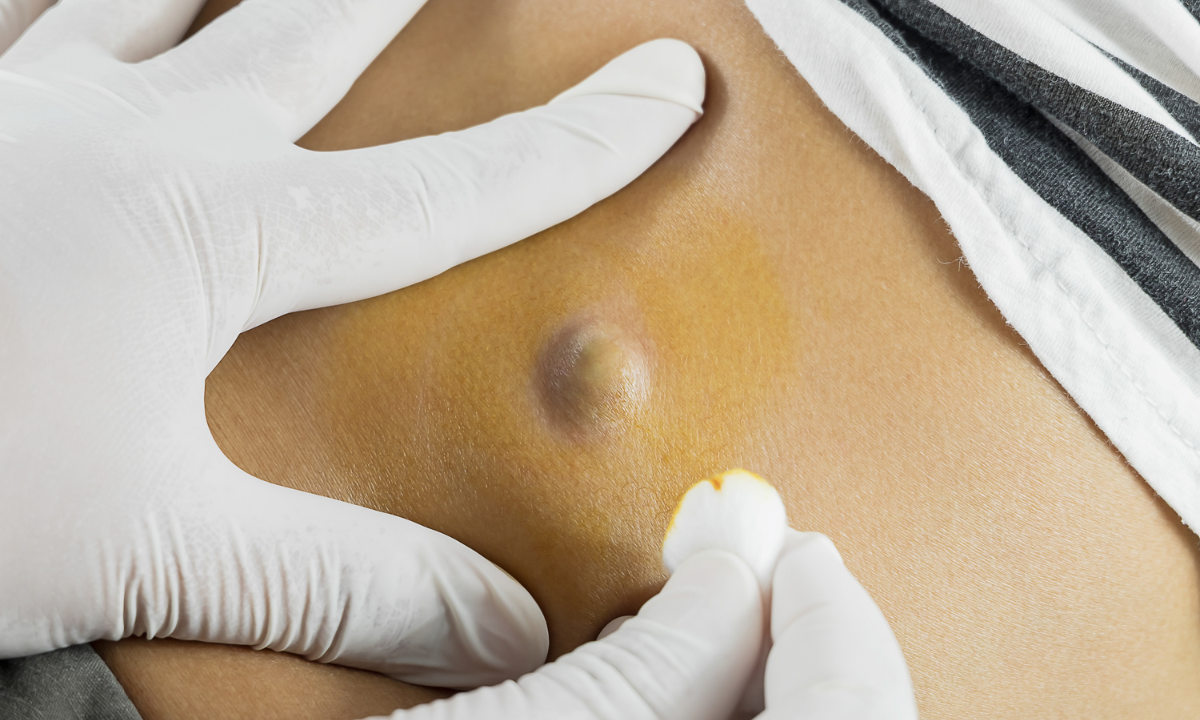
A skin cyst is a smooth, dome-shaped lump that forms when fluid, keratin, or other material becomes trapped in a small pocket beneath the skin. Depending on the type, a cyst may feel firm or soft, and you might notice the skin above it being pushed outward, creating a visible bump.
Skin cysts are very common and are usually benign, meaning they are not cancerous. Some appear suddenly, while others develop slowly over time. Their size and appearance can vary, depending on the type of cyst and where it forms.
You can find skin cysts almost anywhere on the body, but they tend to appear more often on the face, scalp, neck, upper arms, and back. They may also develop in more sensitive areas, such as the genital region. Although most cysts are harmless, recognising their features and understanding what causes them can help you decide when it may be sensible to seek medical advice.
Types of common skin cysts
Epidermoid cysts
Epidermoid cysts are among the most common skin cysts. They form when skin cells, which normally shed naturally, become trapped beneath the surface. These cells continue producing keratin, which gradually accumulates and forms a small lump.
Where they appear: Face, neck, chest, back
Symptoms:
Firm, round lump under the skin
Small black dot at the centre (punctum)
Usually painless
May become red, swollen, or tender if infected
Treatment
Most epidermoid cysts do not require treatment. If the cyst becomes painful, inflamed, or bothersome, your doctor can safely remove it.
Sebaceous cysts
Sebaceous cysts occur when an oil-producing gland in the skin becomes blocked, causing sebum to accumulate within a sac beneath the skin.
Where they appear: Scalp, face, chest, back
Symptoms:
Smooth, round, slightly movable lump
Soft to touch
May become red, swollen, or tender if inflamed
Treatment
Some small cysts may improve on their own. Warm compresses can help in minor cases, but if the cyst persists, becomes uncomfortable, or shows signs of infection, your doctor can remove it to prevent further problems.
Trichilemmal cysts
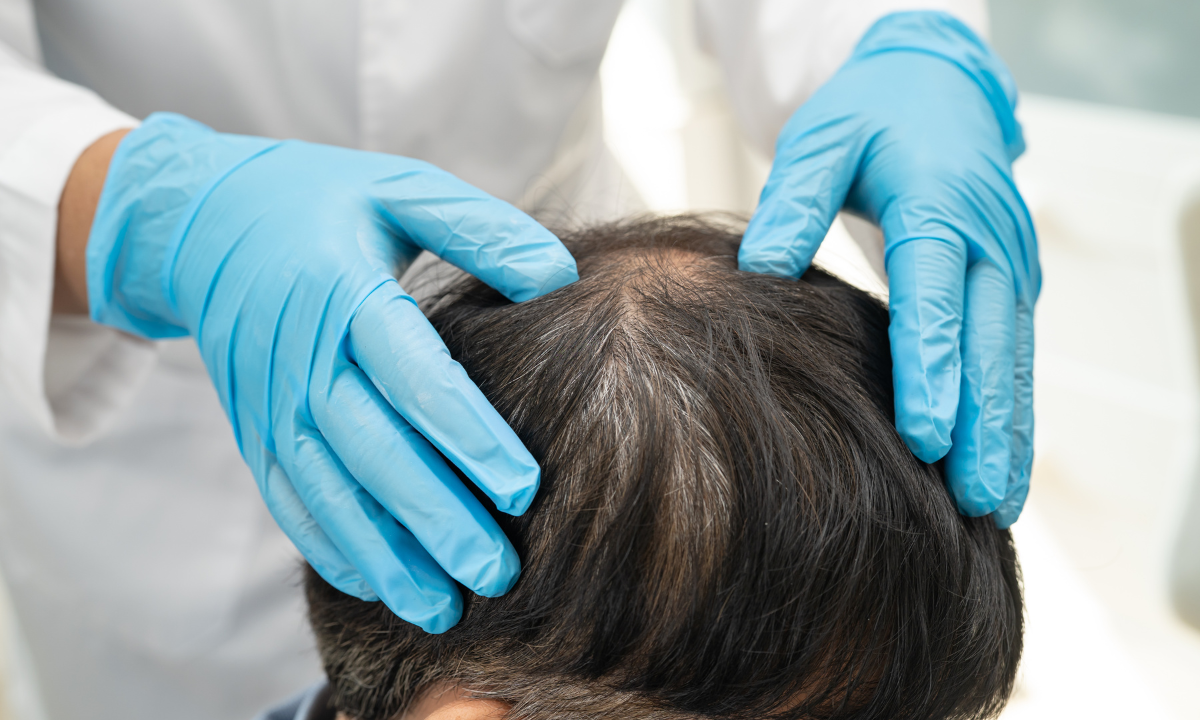
Pilar cysts develop from hair follicles and often have a familial tendency. They grow slowly and are usually harmless.
Where they appear: Scalp
Symptoms:
Firm, smooth lump under the skin
Usually painless
Can appear in clusters, especially if family members have them
Treatment
If the cyst grows, causes discomfort, or affects appearance, your doctor can surgically remove it. Complete removal usually prevents the cyst from returning.
If you’d like clarity on whether a scalp lump is a pilar cyst or need guidance on treatment options, you can schedule a consultation with Thomson Medical. Our doctor can examine it, explain what to expect, and help you decide on the best next step.
Ganglion cysts
Ganglion cysts are fluid-filled lumps that form near joints or tendons. They occur when joint fluid leaks into a small sac. The size of the cyst can change depending on activity.
Where they appear: Wrist, hand, ankle, foot
Symptoms:
Soft or firm round or oval lump
Size may fluctuate over time
Can cause tingling or mild pain if pressing on nearby nerves
May limit movement if large
Treatment
Many ganglion cysts disappear on their own. If the cyst causes pain or limits your movement, your doctor can drain it or surgically remove it.
Dermoid cysts
Dermoid cysts are present from birth and grow slowly over time, so you may not notice them until later in life. These cysts can contain skin, hair or other tissue, which can sound alarming, but they are usually harmless. They often remain painless unless they grow large or press on nearby structures.
Where they appear: Face, scalp, ovaries
Symptoms:
Slow-growing lump
Usually painless
May become noticeable if it grows large
Treatment
Your doctor may recommend surgical removal, especially if the cyst grows or begins to cause discomfort. Removing it fully helps prevent future problems.
Pilonidal cysts
Pilonidal cysts form when hairs become trapped beneath the skin, usually in the crease at the top of the buttocks. Friction, prolonged sitting, or ingrown hairs can contribute to their development.
While they may start as a small, painless pit, they can become uncomfortable if the area becomes irritated or infected. When infection occurs, the cyst may turn into a painful abscess that requires prompt treatment.
Where they appear: Top of the buttock crease (near the tailbone)
Symptoms:
Small dimple or pit in the skin
Redness, swelling or tenderness
Pain when sitting or walking
Drainage of pus or fluid if infected
Fever may occur in more severe infections
Treatment
Mild cases may improve with warm compresses and keeping the area clean and dry. If the cyst becomes infected or painful, your healthcare professional may recommend draining it to relieve symptoms.
For recurring or persistent pilonidal cysts, minor surgery may be advised to remove the cyst and prevent future flare-ups.
Our skin specialist
Loading...
How are skin cysts diagnosed?

When you find a new lump, it is natural to wonder what it is and whether it needs attention. A proper diagnosis can give you clarity and peace of mind. Your doctor will focus on understanding the nature of the lump so you can move forward confidently, knowing what steps (if any) are needed.
Most cysts can be diagnosed through a simple, straightforward examination. Here is what usually happens during assessment:
Medical history
Your doctor may ask when you first noticed the lump, whether it has changed in size, and if it causes any discomfort. Sharing any recent injuries, infections or hormonal changes can also help your doctor narrow down the cause.
Physical examination
Examining the lump helps your doctor assess its size, shape, texture and mobility. Many cysts have characteristic features, such as a central punctum or a smooth, round outline. This hands-on evaluation often provides enough information for an initial diagnosis.
Ultrasound
If more clarity is needed, your doctor may recommend an ultrasound. This painless scan helps determine whether the lump is filled with fluid, solid, or a mix of both. Ultrasound is especially helpful for breast cysts, ovarian cysts and cysts in deeper tissues.
Fine-needle aspiration
In some cases, your doctor may use a very thin needle to draw out a small amount of fluid from the lump. The appearance of the fluid often confirms the type of cyst. This also relieves pressure if the cyst is causing discomfort.
Imaging for specific cases
Occasionally, MRI or CT scans may be advised for cysts located in hard-to-assess areas, such as the pelvis or joints. These scans provide detailed images that help rule out other conditions and guide treatment decisions.
Biopsy (rare)
If a cyst looks unusual or does not behave as expected, your doctor may take a small tissue sample for examination. This step is uncommon but ensures that you receive the most accurate diagnosis possible.
Overall, most cysts are easy to identify and require minimal testing. The goal of diagnosis is not only to determine the type of cyst but also to offer you reassurance and a clear path forward.
If you’ve recently noticed a new lump and want clarity, arrange a consultation with Thomson Medical. Our doctor can assess it, explain what it means, and help you decide whether any follow-up is needed.
FAQ
Are cysts dangerous?
Most cysts are harmless and non-cancerous. They often grow slowly and cause minimal symptoms. However, if a cyst becomes painful, changes in size quickly, or shows signs of infection, it is best to have it checked by your doctor.
Can a cyst turn into cancer?
It is very rare for a typical skin cyst to become cancerous. Most remain benign cysts throughout their lifetime. If a lump changes rapidly, has unusual features, or does not behave like a typical cyst, your doctor may recommend further assessment to rule out other conditions.
Should I try to pop or squeeze a cyst at home?
No. Squeezing, popping, or cutting into a cyst at home can lead to infection, scarring, or the cyst returning. If a cyst needs treatment, your doctor can remove it safely under controlled conditions.
Do cysts go away on their own?
Some cysts, such as ganglion or functional ovarian cysts, may resolve naturally without treatment. Others tend to stay the same size or gradually grow over time. Your doctor can advise whether observation or active treatment is best for your situation.
What causes a cyst to become infected?
A cyst can become infected if bacteria enter the sac or if the cyst is irritated, squeezed, or ruptured. Signs of infection include redness, swelling, warmth, pain, or pus. If you notice these changes, seek medical care promptly.
When should I see a doctor about a cyst?
You should see a doctor if the cyst becomes painful, grows rapidly, interferes with movement, shows signs of infection, or affects your daily life. Cysts in sensitive areas, such as the breasts or genital region, should also be evaluated for reassurance and proper care.
Can cysts come back after removal?
Yes, some cysts can return if the entire sac is not removed. Surgical removal by your doctor greatly reduces the chance of recurrence, especially for epidermoid and pilar cysts.
The information provided is intended for general guidance only and should not be considered medical advice. For personalised recommendations and tailored advice based on your unique situations, please consult a specialist at Thomson Medical. Request an appointment with Thomson Medical today.
Dr Tan Hiok Hee
Dermatology (Skin)
Thomson Specialist Skin Centre (Novena Specialist Center)
English, Mandarin
.png%3Fbranch%3Dprod&w=640&q=75)