

Feeling pain or discomfort in your upper abdomen can be unsettling, especially when you are not sure what is causing it. You may notice a dull ache, pressure, or sharp pain beneath your ribs, and it is natural to worry because this area is home to important organs such as the stomach, liver, gallbladder, and pancreas.
In many cases, upper abdominal pain has a treatable cause and can improve with appropriate care. Still, some symptoms do need prompt medical attention. Understanding what might be behind your discomfort, recognising warning signs, and knowing when to seek help can give you greater peace of mind and help you get the right care at the right time.
What is upper abdominal pain?
Upper abdominal pain refers to discomfort in the area between your ribcage and belly button. This area houses many important organs, including your stomach, liver, gallbladder, pancreas, and part of your intestines.
Because of this, your upper abdominal pain can have different causes. The pain may also feel different, such as sharp, dull, burning, or cramping, depending on what’s causing it. You may notice the pain on your left side, right side, or in the centre of your upper abdomen.
Paying attention to these details gives your doctor helpful clues to diagnose what’s behind your pain. This allows them to recommend the most effective care plan to help you feel better soon.
Common causes of upper abdominal pain
Learning about the common causes can ease your worry. When you know the possible reasons behind your symptoms, you'll feel more confident about when to try home care and when it's time to reach out to your doctor.
Digestive system causes
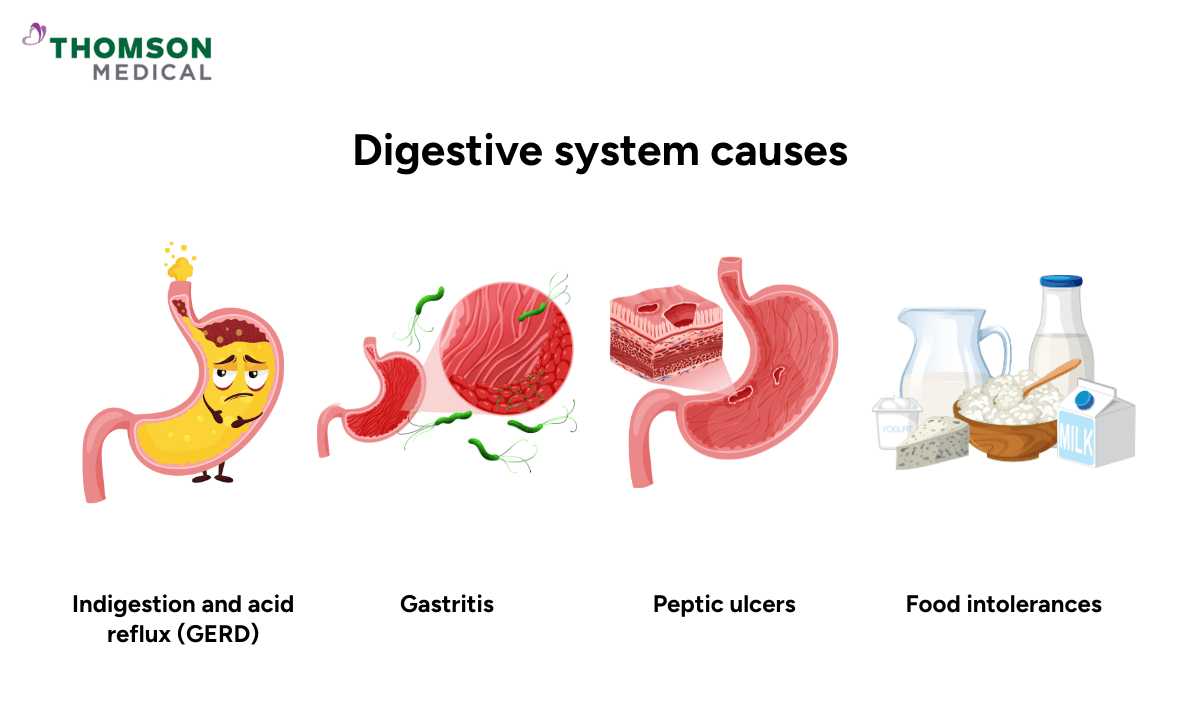
Your digestive system is often the main culprit behind your upper abdominal pain. Fortunately, many of these conditions respond well to treatment.
Some common digestive causes are:
Indigestion and acid reflux (GERD):
When you feel a burning sensation after a big meal or when lying down, it may be acid reflux. You may find relief with simple lifestyle changes and medication.
Gastritis:
Gastritis is inflammation of your stomach lining, which usually causes pain and nausea. It’s triggered by certain medications, alcohol, or bacterial infections.
Peptic ulcers:
These are open sores that develop on your stomach lining or small intestine. It can cause pain that may improve or worsen with eating. However, this condition is highly treatable with medication.
Food intolerances:
If you have trouble digesting lactose (milk and other dairy foods) or are sensitive to certain foods, it can trigger upper abdominal discomfort. This condition goes alongside bloating and digestive upset.
Our gastroenterology specialist in Singapore
Loading...
Liver and gallbladder-related pain
Your upper abdominal pain can also be related to your liver and gallbladder. These conditions can feel more serious, but they’re very treatable when caught early.
They are:
Gallstones:
These are small, hardened deposits that block your bile ducts. This condition often causes sudden and intense pain in your upper right abdomen. The pain may come and go, especially after eating fatty meals.
Cholecystitis (gallbladder inflammation):
When your gallbladder becomes inflamed, it’s often because of gallstones. You may feel persistent pain that may worsen over hours. Your doctor can treat this with antibiotics or, if needed, with a surgical procedure.
Liver conditions:
Liver inflammation (hepatitis) or fatty liver disease can cause discomfort. These conditions don’t usually cause sharp pain, but you may feel a dull ache or fullness.
Other organ-related causes
Upper abdominal pain doesn’t always come from your digestive system. Sometimes other parts of your body also send signals that something needs attention.
Your pain can be caused by:
Pancreatitis:
When your pancreas becomes inflamed, you may feel pain that spreads to your back. The pain can be of sudden onset or chronic.
Heart-related issues:
Sometimes, heart problems can cause upper abdominal pain, especially in the upper central area. This is more common than you may think, so if you notice it, don’t ignore it.
Kidney problems:
Kidney stones or infections can cause pain that radiates to your upper abdomen. This condition is often accompanied by pain in your back or side.
Muscle strain:
Sometimes, you might have strained your abdominal muscles during exercise or daily activities. This type of pain can worsen when you move or touch this area.
Stress and anxiety:
Your emotional well-being has a strong connection with your physical health. That’s why stress can cause or worsen your abdominal discomfort.
It's natural to feel overwhelmed when looking at this list of causes. Fortunately, most of them can improve with proper treatment.
If you’re experiencing pain and are unsure what’s causing it, schedule an appointment with your doctor as soon as possible. While many of these conditions are highly treatable, some may need urgent medical care. Checking with your doctor early can give you peace of mind and get you the right care at the right time.

Accompanying symptoms and what they indicate
Upper abdominal pain rarely happens alone. The symptoms that come with it can give your doctor valuable insights about what’s happening in your body.
Symptoms you can watch for include:
Digestive symptoms:
Nausea or vomiting
Bloating and excessive gas
Changes in your appetite
Heartburn or an acid taste in your mouth
Diarrhoea or constipation
Systemic symptoms:
Fever or chills
Unexplained weight loss
Fatigue or weakness
Visual changes:
Yellowing of your skin or eyes may mean that your liver or gallbladder needs attention.
Pain patterns:
Pain that spreads to your back, shoulder, or chest
Pain that gets better or worse after eating
Pain that changes when you move or change position
It’s normal if you’re experiencing some of these symptoms with your upper abdominal pain. Keeping track of how you’re feeling will help your doctor understand your situation better.
Red flag symptoms: When to seek urgent care
Most upper abdominal pain isn’t an emergency. However, some symptoms require prompt medical attention. If something feels wrong, it’s always best to seek help.
You should contact your doctor immediately if:
You experience severe, sudden pain
You have chest pain or difficulty breathing alongside abdominal pain
You're vomiting blood or notice blood in your stool
You have a high fever with severe abdominal pain
Your abdomen feels rigid or extremely tender to touch
If you're experiencing any of these symptoms, don’t hesitate to contact your doctor immediately. Early care makes all the difference. Many of the conditions that cause them are very treatable when addressed quickly.
Our urgent care centre specialist
Loading...
How is upper abdominal pain diagnosed?
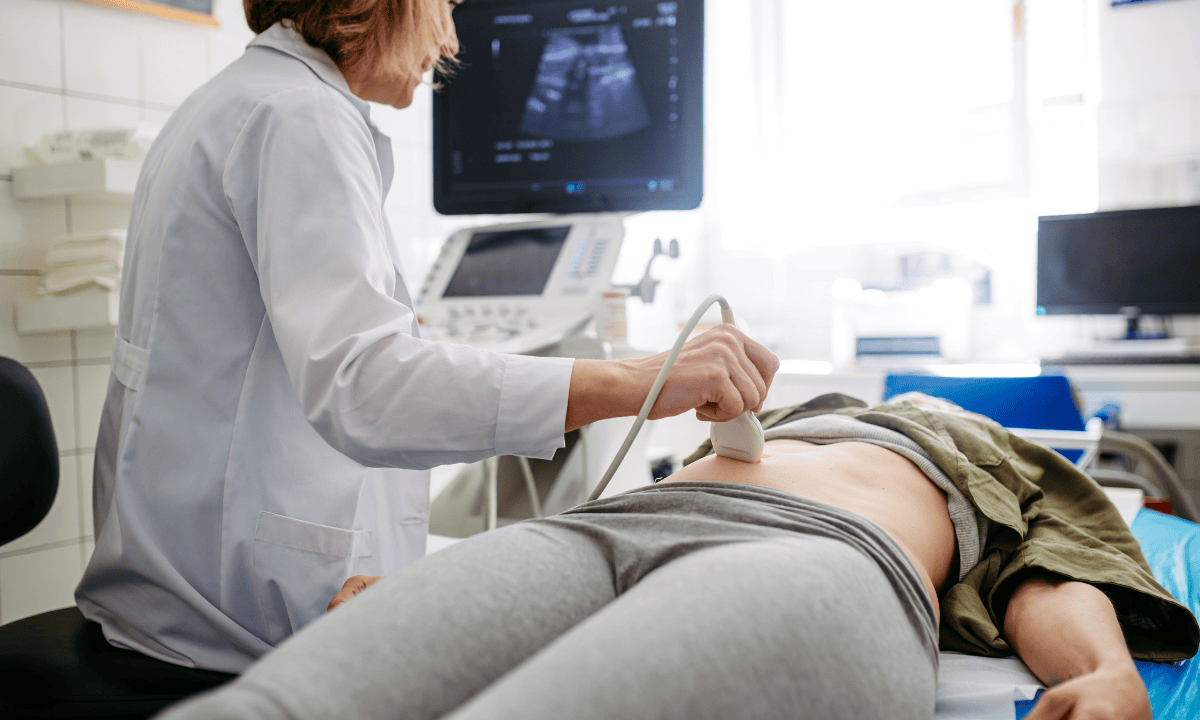
Your doctor will use different tests to help identify what’s causing your pain. This doesn’t mean you will need every test. Your doctor will only recommend the most suitable options for your situation.
Here’s what your doctor may suggest:
Blood tests:
These tests check for infections, inflammation, or organ function problems. You’ll get the results within a day or two.
Imaging tests:
Endoscopy procedures:
These allow your doctor to look directly into your upper digestive tract. Your doctor will perform these under sedation so you’ll feel comfortable.
Specialised tests:
Your doctor might recommend tests specific to your symptoms. These could include heart monitoring, urine tests, or other specialised scans.
The testing process might take some time, but each step helps you better understand what’s going on. Your doctor will explain your results and create the care plan that's right for you.
Treatment options
Once your doctor finds out what’s causing your pain, they’ll tailor your treatment plan to your specific situation.
Your treatment plan may include:
Medications:
Depending on the causes, your doctor may suggest the right medicines to treat and ease the pain so you can feel comfortable again.
Procedures or surgery:
In some cases, your doctor may recommend minimally invasive procedures with small incisions on your body.
Surgery may be recommended for issues like gallstones or severe ulcers.
Your doctor will discuss all options with you beforehand to help you know more about their benefits and risks. They will also monitor you closely to make sure the treatment is working for you and adjust it if needed.
If you're experiencing upper abdominal pain, reaching out to your doctor is the first step toward feeling better. With the right diagnosis and treatment plan, you can soon get back to your daily activities without discomfort.

FAQ
How to get relief from upper abdomen pain?
Relief depends on what's causing your pain. There are some approaches you can try at home before visiting your doctor:
Rest in a comfortable position
Apply a warm compress to your abdomen
Sip water or clear liquids slowly
Avoid solid foods temporarily if eating worsens your pain
Take over-the-counter antacids for suspected heartburn (check with your pharmacist first)
If your pain is severe or you're unsure about the cause, seek medical advice before trying home remedies.
How long should I wait before seeing a doctor about upper abdominal pain?
You should see a doctor within 24 hours if:
Your pain is moderate to severe
You have a fever, vomiting, or unusual bowel changes
The pain interferes with daily activities
However, seek immediate care if:
You have any red flag symptoms
Your pain is sudden and severe
You have chest pain or difficulty breathing
When in doubt, call your doctor for more guidance.
Can upper abdominal pain be a sign of a heart attack?
Yes, it can be. Heart attacks don't always present with chest pain. You may also experience:
Upper abdominal discomfort with nausea
Shortness of breath
Unexplained fatigue
Pain radiating to the jaw, neck, or arm
If you experience these symptoms, especially with heart disease risk factors, seek emergency care immediately.
Is upper abdominal pain after eating normal?
Occasional mild discomfort after large or rich meals can be normal. However, if you experience regular or significant pain after eating, check with your doctor soon.
Regular pain after eating may be a sign of acid reflux, ulcers, gallbladder problems, or food intolerances.
What does it mean if my upper abdominal pain comes and goes?
If your pain comes and goes, it may indicate:
Gallstones
Acid reflux
Food-related issues
Muscle-related discomfort
Pain that comes and goes can still be serious. If episodes are frequent, severe, or disruptive, discuss them with your doctor.
Can upper abdominal pain go away on its own?
Yes, mild upper abdominal pain often resolves on its own, especially if it's caused by:
Minor indigestion or overeating
Gas or bloating
Mild muscle strain
Temporary digestive upset
These usually improve within a few hours to a few days with rest and simple home care.
The information provided is intended for general guidance only and should not be considered medical advice. For personalised recommendations based on your medical conditions, request an appointment with Thomson Medical.
For more information, contact us:
Thomson Medical 24-Hour Urgent Care Centre (Novena)
- Call: 6350 8812
Notice:
The range of services, vaccinations, and tests may vary. Please contact us directly to enquire about the current availability.
Request an Appointment