

The room spins around you. You reach for something steady, but the dizziness won't stop. You've tried the usual treatments, yet these episodes keep coming back. What if there's another way to look at what's happening?
Traditional Chinese Medicine (TCM) approaches vertigo differently. Rather than seeing it as just an inner ear problem, TCM views vertigo as a signal. It's your body's way of telling you that something deeper needs attention. It's about understanding the whole picture of what's happening in your body.
What is vertigo in TCM?
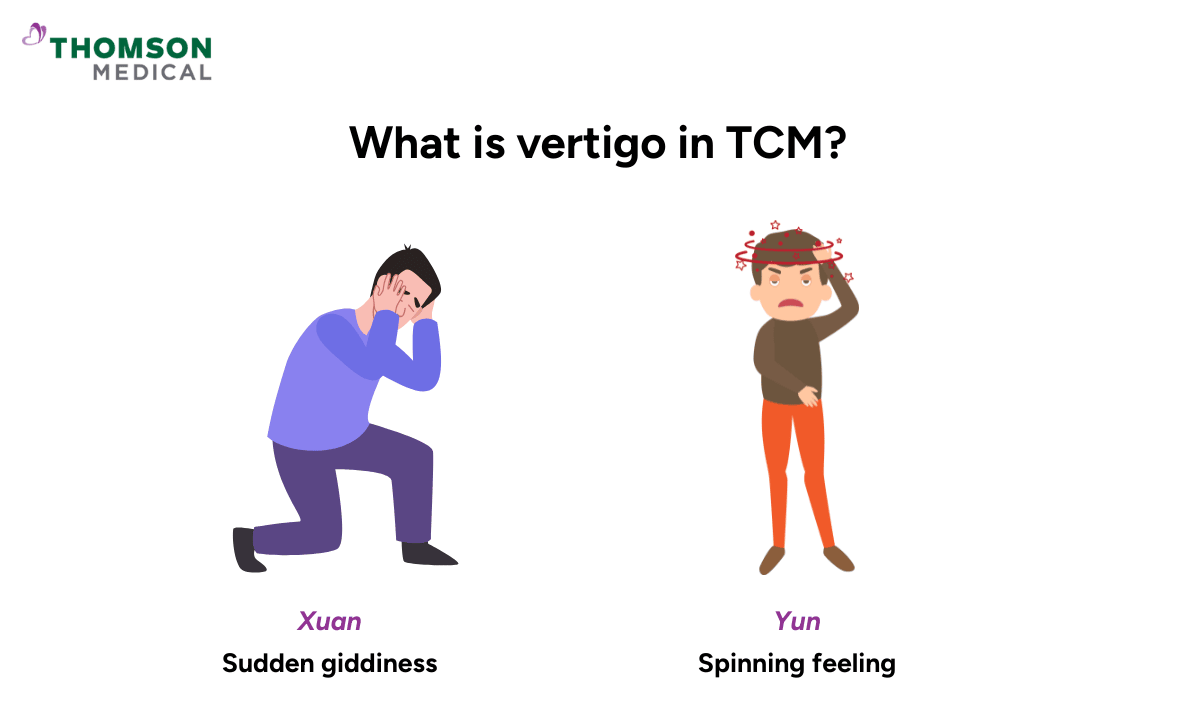
Vertigo is more than just feeling dizzy. It often involves a sensation that you or your surroundings are spinning, tilting or moving, even when you are standing or sitting still. Some people also feel light-headed, unsteady or close to fainting.
In TCM, vertigo is called Xuan Yun (眩晕). This describes two experiences you might recognise:
Xuanis that sudden giddiness, like you might faint
Yun is the spinning feeling, where you or the room seems to move
These aren't random symptoms. They're your body's way of saying something is out of balance.
TCM has recognised vertigo for over 2,000 years. Ancient texts noted it often connects to what they call the Liver system. This isn't just your physical liver. It's a whole network in your body that works together to keep you steady and balanced.
Why is vertigo common in Singapore?
If you live in Singapore, you might notice that vertigo seems particularly common here. There's a reason for that. The fast-paced work culture, humid climate, and easy availability of oil and processed foods create conditions where the body can easily fall out of balance. These are exactly the factors that TCM associates with vertigo.
What causes vertigo according to TCM?
TCM sees vertigo differently. It's not a standalone problem. It's your body telling you that something has shifted out of balance. Your TCM physician will look at whether something is blocking your natural flow or whether your body simply needs more support.
Excess patterns
Sometimes vertigo happens because something is accumulating or blocking your body's natural pathways. Here are the most common excess patterns:
Liver Yang rising:
Happens when stress, anger, or emotional tension builds up in your body
Causes excess energy to rise to your head
Brings dizziness, headaches, and irritability
Phlegm damp accumulation:
Comes from poor diet, especially oily or processed foods
Creates internal "dampness" that blocks your body's pathways
Leads to heaviness, nausea, and spinning sensations
Blood stasis:
Develops from previous injuries or poor circulation
These blockages prevent proper nourishment from reaching your brain
Deficiency patterns
These happen when your body lacks the resources it needs:
Qi and blood deficiency:
Occurs when you're run down, overworked, or recovering from illness
Your body may not produce enough energy or blood to properly nourish your brain
Results in lightheadedness and fatigue
Kidney Yin deficiency
Relates to your body's vital essence stored in the Kidneys
As you age or experience persistent stress, this essence can become depleted
Leads to continuing dizziness, ringing in the ears, and unsteadiness
These imbalances can happen for different reasons. Things like stress, ageing, recovering from an illness, your diet, or previous injuries may all play a part in how your body maintains balance.
Our physician
Loading...
How do I know if I have vertigo?
Vertigo feels different for everyone. You might struggle to describe what's happening, especially when they come and go.
You might have just one or several of these:
Sudden spinning sensations or feeling unsteady on your feet
Lightheadedness or feeling like you might faint
Nausea or vomiting during dizzy spells
Headaches or pressure around your temples
Ringing in your ears (tinnitus)
Blurred vision or difficulty concentrating
Continuing fatigue and mental fog
These symptoms can come on suddenly or build gradually over time. They might last just seconds or continue for hours. Vertigo can sometimes relate to ear conditions like Benign Paroxysmal Positional Vertigo (BPPV), inner ear inflammation, or Ménière's disease. If your symptoms are severe, it's important to see your doctor.
How does TCM treat vertigo?
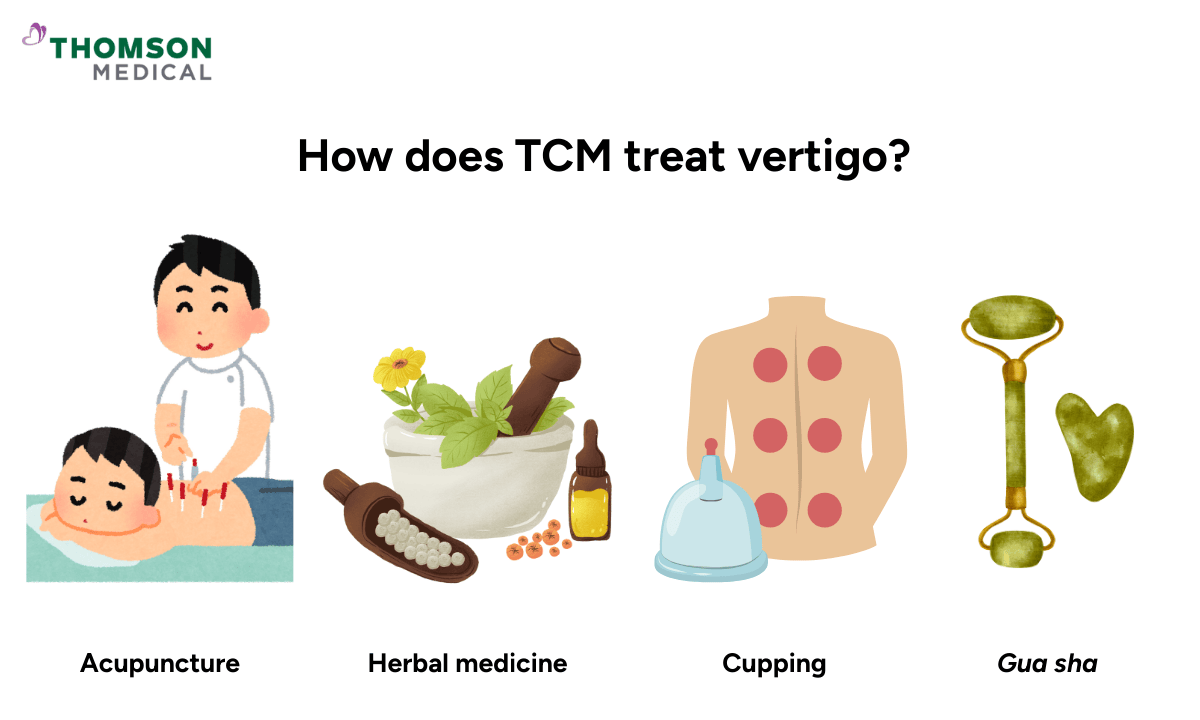
TCM treatment is tailored to your specific pattern of imbalance. Your physician will look at your symptoms, lifestyle, and overall health to address the root cause, not just mask what you're feeling.
Acupuncture
Acupuncture is one of the most common approaches for vertigo. Your physician places fine needles at specific points on your body to help regulate energy flow, improve circulation, and calm your nervous system. Most people find the experience relaxing, and many notice their dizzy spells becoming less frequent over time.
Herbal medicine
Chinese herbs offer another layer of support, working from within to help restore balance. Your physician may recommend a formula tailored to your specific pattern, whether that's calming stress-related energy or clearing internal blockages. These come as powders, tablets, or teas.
Cupping and gua sha
Cupping and gua sha may be recommended to improve circulation. They can clear blockages contributing to your vertigo and headaches.
If you have vertigo and would like to explore TCM treatment, request an appointment with Thomson Chinese Medicine. Our physicians can assess your condition and recommend a personalised plan to address the root cause of your symptoms.
What lifestyle changes can help prevent vertigo?
TCM believes that prevention is just as important as treatment. Your daily routine can support your body's natural balance and may reduce how often vertigo episodes occur.
Here are some routines that can help support your body's balance:
Limit greasy, oily, and processed foods while focusing on fresh, easily digestible meals
Find healthy ways to manage emotional tension through gentle exercise, meditation, or rest
Get adequate sleep to help your body maintain balance
Try gentle activities like tai chi, walking, or stretching to support your body's natural flow
These are general guidelines that work for many people. Your physician can advise you based on your specific pattern and what's driving your vertigo.
FAQ
How long does TCM treatment for vertigo take to work?
Response times vary depending on your condition's severity and root cause. Some people experience relief after just a few acupuncture sessions. Others with persistent imbalances may need several weeks of treatment. Your physician will discuss realistic expectations during your consultation.
Can I use TCM alongside my current vertigo medication?
Yes, TCM can complement conventional treatments. However, always inform both your TCM physician and doctor about all treatments you're receiving. This ensures coordinated care.
Is acupuncture painful for vertigo treatment?
Most people find acupuncture comfortable. You might feel a slight prick when needles are inserted. This is followed by sensations like warmth, tingling, or heaviness. These are all signs that your Qi is responding. The experience is often relaxing.
Will my vertigo come back after TCM treatment?
TCM aims to address root causes, which can reduce recurrence. However, maintaining the lifestyle changes your physician recommends helps ensure lasting results. Attending follow-up sessions as needed is also important.
What should I avoid eating if I have vertigo?
It's best to limit greasy, fried, and heavily processed foods. Reduce too much dairy, sugar, and cold or raw foods that can create dampness. Your physician may provide specific dietary guidance based on your pattern.
How is TCM diagnosis for vertigo different from Western medicine?
Western medicine often focuses on identifying structural or neurological causes. This is done through tests and scans. TCM diagnosis involves examining your pulse, tongue, and overall symptom pattern. This helps see which internal imbalances are contributing to your vertigo.
The information provided is intended for general guidance only and should not be considered medical advice. For personalised recommendations and advice based on your conditions, request an appointment with Thomson Chinese Medicine today.
Physician Seah Ai Wei
Traditional Chinese Medicine
Thomson Chinese Medicine (TCM United Square)
English, Mandarin
Alliance MediNet
