

Heavy periods, pelvic pressure, and bloating may make it difficult to live with, so it’s natural to wonder whether what you eat is making any difference. It’s one of the most common questions people ask after a fibroid diagnosis.
While food is not proven to remove or shrink fibroids, certain diet choices may affect hormone balance and inflammation in the body, which may impact these growths. Here's how a diet could help and what it cannot do for fibroids.
What are fibroids?
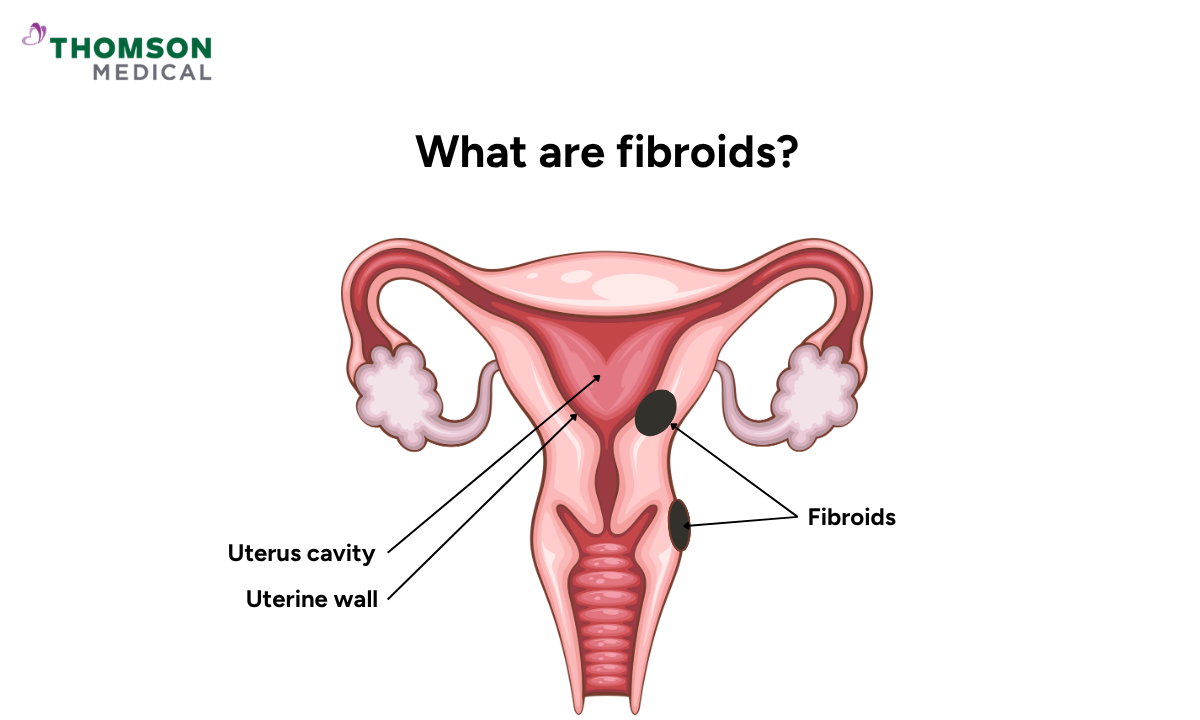
Fibroids are non-cancerous growths that develop in or around the uterus (womb). They are very common and affect many women, often during their reproductive years. Some women with fibroids have no symptoms at all, while others may experience:
Heavy or painful periods
Bloating or a feeling of fullness in the lower abdomen
Frequent urination
Discomfort during sexual intercourse
In most cases, fibroids are not cancerous and are rarely harmful on their own. However, they may significantly affect your quality of life.
How could food affect fibroids?
Fibroids are affected by oestrogen and inflammation, so what you eat may influence how your body produces and regulates hormones.
Eating well may help by:
Reducing inflammation
Supporting your liver, which helps break down excess oestrogen
Stabilising your blood sugar, which supports hormone balance
Maintaining a healthy weight, as excess body fat could increase oestrogen production
These changes may not bring immediate results, but they could make a difference to how your symptoms feel, especially around your period.
What food should you avoid if you have fibroids?
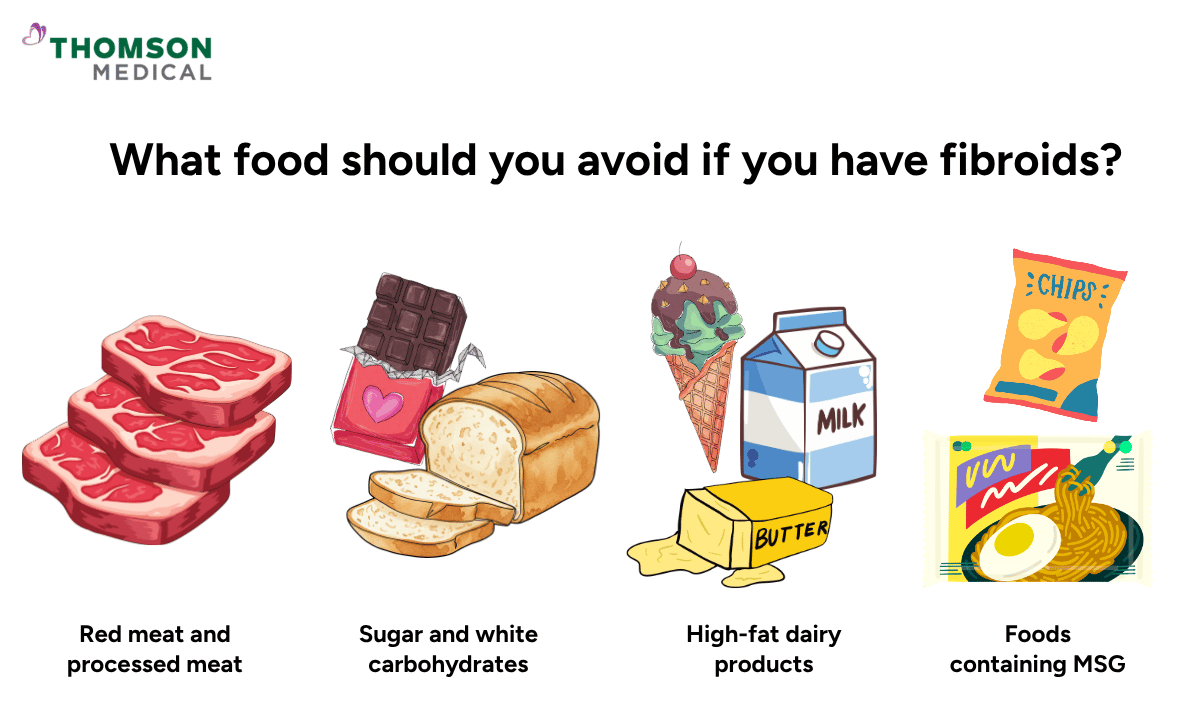
Certain foods may raise oestrogen levels or make it harder for your body to clear oestrogen efficiently. Over time, this may contribute to fibroid growth or worsen existing symptoms.
Red meat and processed meat
Eating a lot of red meat and processed meat may be linked to fibroid growth. As these foods are high in saturated fat, which may contribute to oestrogen imbalances and inflammation.
Foods to limit or avoid include:
Beef, pork, and lamb
Bacon, sausages, and hot dogs
Deli meats such as ham and salami
You do not need to cut these out entirely. Aiming for red meat once or twice a week, rather than most days, may help keep oestrogen levels in balance.
Sugar and white carbohydrates
Foods high in sugar and white carbohydrates may cause a rapid rise in blood sugar. When blood sugar spikes repeatedly, your body produces more insulin, which may also affect oestrogen production.
These include:
White bread and white rice
Pastries, cakes, and biscuits
Sweets and chocolates
Sugary cereals
Fizzy drinks and fruit juices with added sugar
Swapping these for wholegrains, fruit, and naturally sweet foods like dates or sweet potatoes could help keep your blood sugar steadier throughout the day. This may be helpful in the week before your period, when symptoms tend to peak.
High-fat dairy products
Dairy contains small amounts of natural hormones because it comes from cows. When a cow is pregnant, its oestrogen and progesterone hormone levels also rise, and some of these hormones pass into the milk. So, it may be worth reducing high-fat dairy if you have fibroids.
It may be worth reducing:
Whole milk
Hard cheeses
Butter
Ice cream and cream
Low-fat dairy products or plant-based alternatives, such as oat or almond milk, may be better for your hormone balance. If you rely on dairy for calcium, good alternatives include leafy greens, fortified oat milk and tinned fish with bones.
Salty and processed foods
Too much salt leads to bloating, fluid retention, and raised blood pressure. For women with fibroids, this may make pelvic pressure and discomfort worse, especially in the days leading up to your period.
High-salt foods to watch out for include:
Fast food
Packaged crisps and snacks
Tinned soups
Ready meals and frozen dinners
Checking the label for sodium content is a simple way to spot hidden salt. Anything above 1.5 g of salt per 100 g is considered high.
Foods containing MSG
Monosodium glutamate, known as MSG, is a flavour enhancer used in many processed foods. Some people find that eating foods with high MSG regularly causes bloating or discomfort.
The bloating or discomfort may happen because:
MSG is high in sodium, and salty foods may make your body hold on to a bit more water, which could feel like bloating
MSG may affect the nerves and movement in the gut, and in some people this may lead to gas and a “heavy” feeling in the stomach
You will often find it in:
Instant noodles and packet soups
Seasoning sachets and stock cubes
Packaged snacks
Some fast food meals
If you eat these foods regularly, cooking at home more often may help you cut down on salt and processed fats.
Soy products (in large amounts)
Soy contains plant-based compounds called phytoestrogens, which behave in a similar way to oestrogen in your body.
Whole soy foods such as tofu, tempeh, and firm beancurd are generally fine in moderate amounts and may even be helpful for some women. However, highly processed soy products may worsen your symptoms.
Dietary changes may help, but they are only one part of fibroid care. Request an appointment with Thomson Medical for a comprehensive approach to managing your symptoms.
Our O&G specialists
Loading...
What drinks should you avoid if you have fibroids?
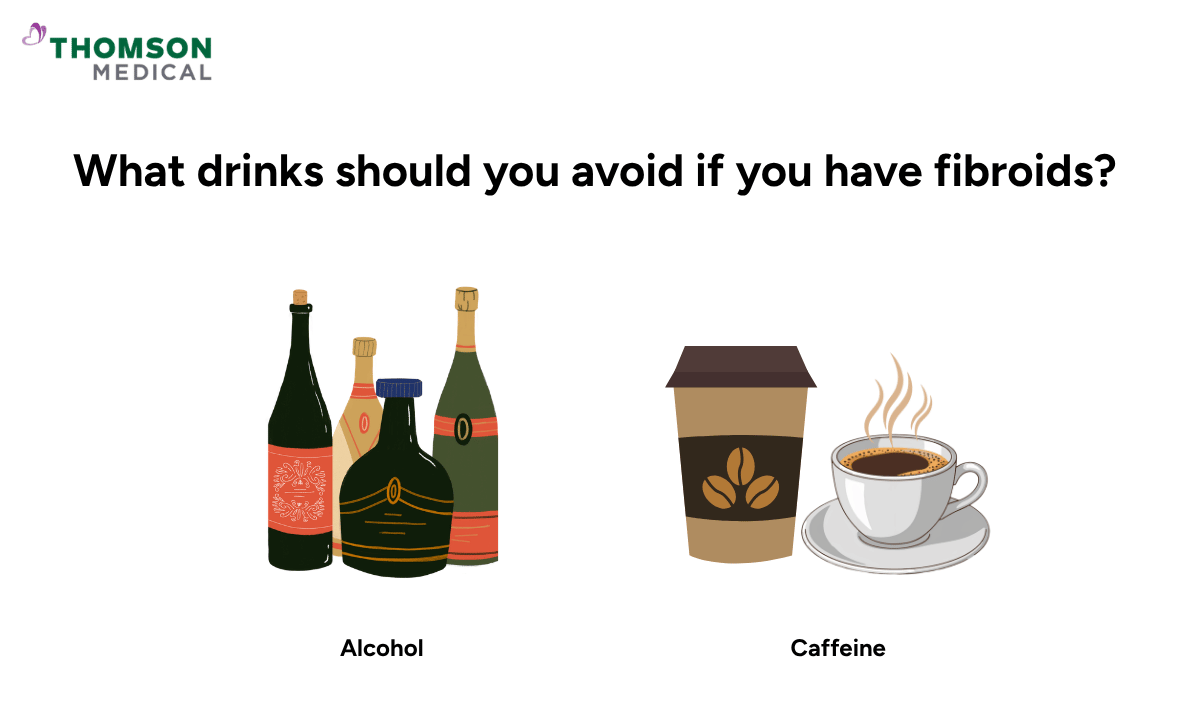
Food is not the only thing worth looking at. What you drink may also play a role in how your body manages oestrogen and your symptoms.
Alcohol
Alcohol could interfere with how your liver processes and clears oestrogen from your body. Drinking regularly may also be linked to increased inflammation and heavier periods over time. Reducing your intake, even slightly, may help support hormone balance.
Swapping a few drinks each week for alcohol-free options may give your body more capacity to manage oestrogen, which may ease symptoms like bloating and heavy periods.
Caffeine
High caffeine intake may put pressure on your liver, making it harder to break down oestrogen efficiently.
You may consider moderating your intake of:
Coffee and espresso-based drinks
Energy drinks
Very strong teas
If you rely on caffeine to manage fatigue related to heavy periods, it may help to check your iron levels with your doctor, as ongoing tiredness could sometimes be linked to anaemia.
What foods may support fibroid management?
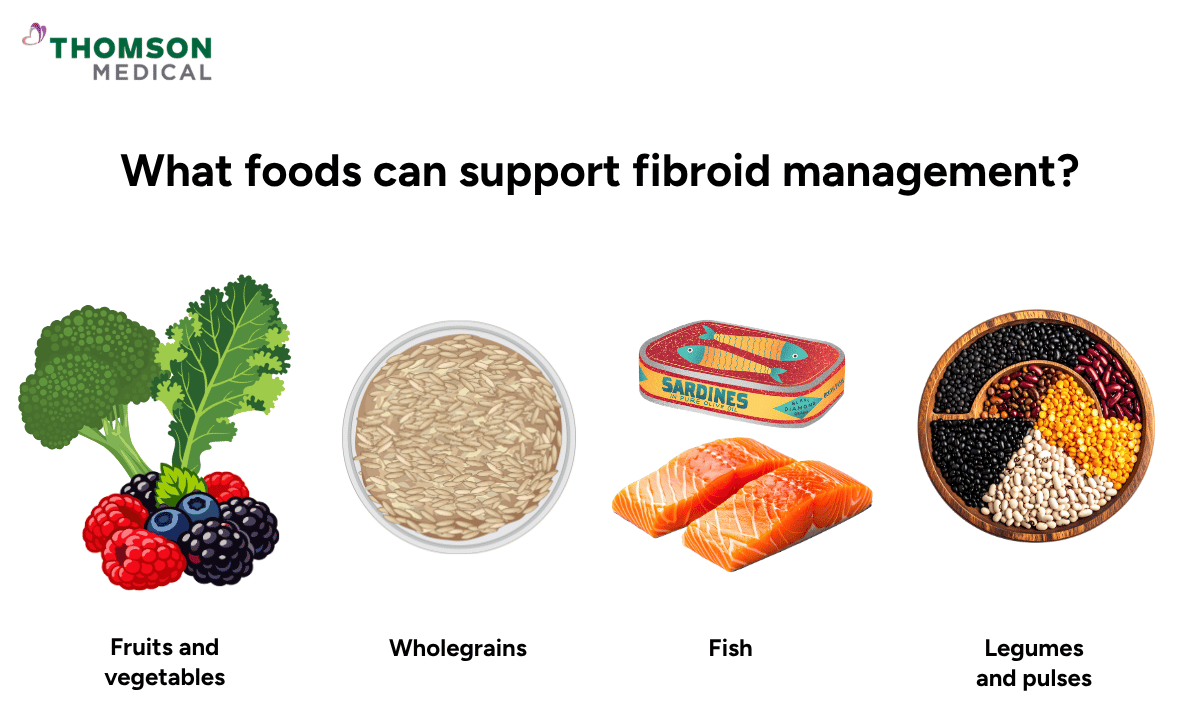
Some foods may support how your body manages oestrogen and inflammation, which may help with fibroid symptoms over time.
Fruits and vegetables:
Broccoli, kale, and berries support the liver in clearing excess oestrogen and help reduce inflammation.
Wholegrains:
Oats, brown rice, and wholemeal bread help keep blood sugar stable, which may support better hormone balance.
Fish:
Salmon, sardines, and mackerel are rich in omega-3, which may help reduce inflammation.
Legumes and pulses:
Lentils, chickpeas, and kidney beans are high in fibre, which may help your body clear excess oestrogen. They are also a good alternative to red meat.
You do not need to change everything at once. Even adding one or two of these foods regularly could be a useful step, especially alongside cutting back on the foods that may be making your symptoms worse.
When diet is not enough
Diet may be a helpful part of managing fibroids, but it has limits. If your fibroids are large or your symptoms are severe, dietary changes alone are unlikely to be enough.
You should speak to a doctor if you are experiencing:
Heavy or prolonged periods
Tiredness that does not improve with rest, which may be a sign of low iron levels
Persistent pelvic pain or pressure
Difficulty getting pregnant
Symptoms that are getting worse over time, or fibroids that appear to have grown since your last scan
There is a range of treatment options available, and your doctor could help you understand what is most appropriate for your situation.
Diet alone may not be enough to manage fibroids, especially if your symptoms are severe or worsening. Request an appointment with Thomson Medical to assess your condition, review your symptoms, and guide you on appropriate treatment options beyond dietary changes.
FAQ
What can I drink to help with fibroids?
No single drink can manage fibroids on its own, but some may offer general support. Herbal teas such as ginger or turmeric may help with inflammation, while staying well hydrated supports your body’s overall function.
What foods worsen fibroids?
Some foods are more often linked to fibroid symptoms, including red and processed meats, sugary foods, alcohol, high-fat dairy, and highly processed foods. These may influence oestrogen levels or inflammation over time.
Can I eat eggs if I have fibroids?
Yes. Eggs are a good source of protein and key nutrients, and there is no strong evidence that they worsen fibroids. Eating them as part of a balanced diet is generally fine.
Does caffeine affect fibroid symptoms?
Caffeine may affect symptoms in some women. As higher intake can place more demand on the liver, which helps process oestrogen, although responses vary. It may help to moderate coffee, energy drinks, and strong tea if you notice your symptoms change with intake.
Should I avoid eating late at night if I have fibroids?
Eating late at night may affect metabolism and contribute to weight changes, which can influence oestrogen levels. Having your last meal a few hours before bed may be a helpful habit, if it fits your routine.
Are processed snacks and fast food harmful for fibroids?
They may contribute to fibroid symptoms, as processed snacks and fast food are often high in refined carbohydrates and unhealthy fats, which can promote inflammation. Since inflammation is linked to fibroid symptoms, limiting these foods may help support overall health.
The information provided is intended for general guidance only and should not be considered medical advice. For personalised recommendations and tailored advice based on your unique conditions, request a consultation with Thomson Medical.
For more information, contact us:
Thomson Specialists (Women's Health)
Thomson Women's Clinic (TWC)
- Novena:
6592 6686 (Call), 8611 8986 (WA) - Bukit Batok:
6569 0668 (Call), 8686 3525 (WA) - Choa Chu Kang:
6893 1227 (Call), 8282 1796 (WA) Jurong:
6262 8588 (Call), 6262 8588 (WA)- Katong (female doctor):
6970 2272 (Call), 8611 9020 (WA) - Punggol:
6243 6843 (Call), 8811 0328 (WA) - Sembawang: 6753 5228
- Sengkang: 6388 8125
- Serangoon (female doctor): 6382 3313
- Tampines: 6857 6266
- Tiong Bahru: 6276 1525