

Pain is one of the biggest concerns when choosing between IUI and IVF, and it's completely natural to want to know what to expect. Both treatment options are generally well-tolerated, and knowing what each feels like can help you move forward with confidence.
What is IUI?
Intrauterine insemination (IUI) is a gentle, straightforward fertility treatment that aims to support your journey towards pregnancy with minimal discomfort. During IUI procedure, sperm from your partner or a donor is collected and carefully prepared in the laboratory through a process called sperm washing, which helps select the healthiest sperm. A clinician then places the prepared sample into your uterus using a very thin catheter, timed to coincide with your ovulation so the sperm have the best chance of reaching the egg naturally. This is usually coordinated with your menstrual cycle so the IUI is performed close to your most fertile days.
Many women and couples consider IUI as an early step when trying to conceive, particularly if they are navigating mild male-factor infertility, ovulation issues, unexplained infertility, or cervical mucus difficulties. While everyone’s fertility journey is unique, IUI offers a gentle, well-established approach that works in harmony with your body and provides a sense of clarity, support, and renewed confidence as you take the next step forward.
What is IVF?
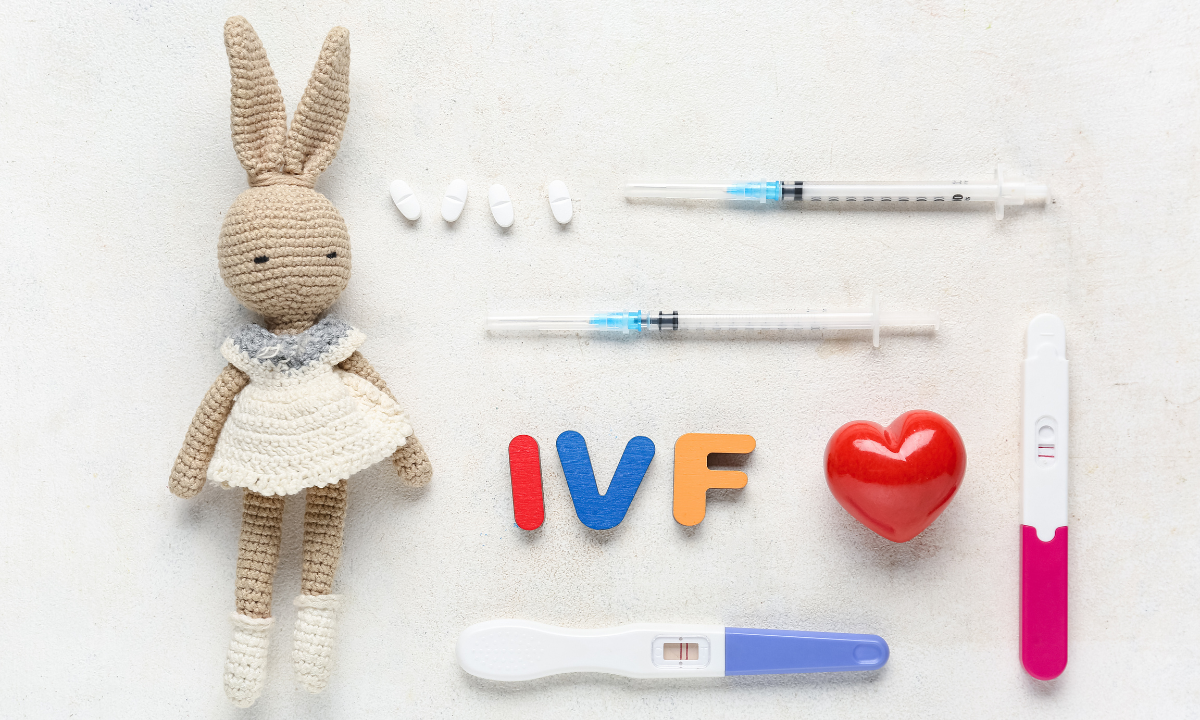
In vitro fertilisation (IVF) is a comprehensive fertility treatment that helps you achieve pregnancy when other approaches may not be suitable. The process involves stimulating your ovaries with hormone medication to develop multiple eggs, which are then retrieved through a minor procedure under light sedation. In the laboratory, the eggs are combined with sperm to allow fertilisation, and one or more healthy embryos are transferred into your uterus to implant naturally.
IVF may be recommended if you're navigating blocked or damaged fallopian tubes, significant male-factor infertility, endometriosis, advanced maternal age, multiple unsuccessful IUI attempts, or if genetic testing of embryos would provide reassurance for your family planning. While more involved than other treatments, IVF offers a well-established pathway that brings clarity and renewed confidence as you take this important step forward.
Which is more painful: IUI or IVF?
Is IUI painful?
Most women find IUI mildly uncomfortable rather than painful. You may feel a brief pinch, pressure, or light cramping when the catheter passes through your cervix, but the entire procedure typically takes just a few minutes. Afterwards, some women experience light cramping, spotting, or bloating, which usually settles within a few hours.
Is IVF painful?
IVF involves several steps, and while each may bring mild discomfort, knowing what to expect can help you feel more prepared and reassured.
Hormone injections (ovarian stimulation):
During the first phase, you'll take daily hormone injections for 8–14 days to encourage egg development. These are given with a small needle in your belly or thigh. Most women report only mild discomfort or occasional bruising at the injection site.
As your hormone levels rise, you may also notice bloating, breast tenderness, or mood changes, and all normal responses as your body prepares for egg retrieval.
Egg retrieval:
This procedure is performed under sedation or light anaesthesia, so you won't feel pain during the process itself.
Afterwards, some cramping, abdominal soreness, or bloating is common and typically settles within 1–3 days. Most women return to their usual activities within 24–48 hours.
Embryo transfer:
This step is very similar to IUI. A thin catheter is used to gently place the embryo into your uterus. It's generally painless or only mildly uncomfortable, with no anaesthesia needed and minimal cramping.
Throughout your IVF journey, our care team is here to support you and address any concerns about discomfort or side effects.
IUI vs IVF: Comparing discomfort levels
Both IUI and IVF are well-tolerated procedures, but they differ in complexity and the type of discomfort you may experience. Knowing what to expect at each stage can help you feel more prepared and confident as you move forward.
Aspect | IUI | IVF |
Hormone Medications | Optional or mild oral medications | Daily hormone injections required |
Injections | Occasionally needed (e.g., trigger shot) | Yes, daily injections for 8–14 days |
Procedure type | Catheter insertion into uterus | Egg retrieval under sedation + embryo transfer |
Procedure pain | Mild cramping or pressure | No pain during retrieval; some soreness afterwards |
Cramping | Mild and short-term | Possible after egg retrieval and transfer |
Overall discomfort | Minimal to mild | Moderate, particularly during stimulation and retrieval |
If you are unsure which treatment approach may be more suitable for your situation, you may request an appointment with Thomson Medical, where our fertility specialists can provide individualised guidance and help you understand your options clearly and safely.
Our fertility specialists
Loading...
Pain management tips for both
While discomfort during IUI and IVF is generally manageable, there are simple steps you can take to feel more comfortable throughout your treatment. Here are some gentle strategies to support your body and ease any soreness along the way:
Pain management for IUI | Pain management for IVF |
Take a mild pain reliever (e.g., paracetamol) if you experience cramps after IUI – but only with your doctor's approval. | Rotate injection sites to reduce bruising and soreness. |
Rest for 10–30 minutes after the procedure to ease any cramping or bloating. | Use ice before injections and a warm compress afterwards to ease pain. |
Avoid strenuous activity on the day of the procedure. | Ask your nurse about numbing creams or alcohol wipes to reduce injection discomfort. |
Use a heating pad on the lower abdomen if needed. | Stay hydrated and avoid salty foods to reduce bloating during stimulation. |
Keep the bladder partially full if advised, as it can help with proper uterine positioning. | Take prescribed medications after egg retrieval to relieve cramping or discomfort. |
Avoid high-impact activity post-retrieval to prevent ovarian torsion. |
FAQ
Is IVF worth the extra discomfort?
IVF is more physically and emotionally involved than IUI, requiring daily hormone injections, regular monitoring, egg retrieval under sedation, and embryo transfer. However, it offers higher success rates, particularly for women over 35 or those with complex fertility challenges. IVF may be the right choice if:
You've had several unsuccessful IUI cycles
You have blocked fallopian tubes, significant male-factor infertility, or advanced maternal age
You want genetic testing of embryos before transfer (PGT-A or PGD)
You need higher success chances within a limited timeframe
Do all women experience pain with IUI or IVF?
Not everyone experiences pain, and discomfort varies from person to person. IUI is usually mildly uncomfortable, similar to a smear test, with some women feeling brief cramping while others feel nothing at all. IVF can involve more discomfort from injections, bloating during stimulation, and mild soreness after egg retrieval, but this is typically temporary and manageable with medication or rest. Most women tolerate both procedures well, and neither is usually described as severely painful.
Can IUI or IVF affect future periods?
Yes, both treatments can temporarily affect your cycle, especially when fertility medications are used. You may notice a delayed, heavier, or lighter period, or some spotting, due to progesterone supplements, hormonal changes, or shifted ovulation timing. If you become pregnant, your period will stop naturally. If not, your cycle typically returns to normal within a month. These changes are temporary and don't affect your long-term fertility or menstrual health.
Can stress really affect IUI success?
Chronic or intense stress can impact fertility by affecting hormonal balance, ovulation, and uterine receptivity. While stress alone doesn't usually prevent pregnancy, it may lower your chances slightly or make the process feel more challenging. It can also disrupt sleep, affect intimacy, and contribute to emotional exhaustion. Finding gentle ways to manage stress, whether through rest, support, or seeking help from a specialist can help you feel more balanced throughout your journey.
Why do people choose IUI over IVF?
Many people start with IUI because it's less invasive, with no need for egg retrieval or anaesthesia. It's also more affordable, often requires only oral medications or a trigger shot, and involves a shorter treatment cycle, which typically just a few days from ovulation to the procedure itself.
How do I know which procedure is right for me?
A fertility specialist will help guide you based on factors like your age, ovarian reserve, sperm quality, previous treatment outcomes, and your medical history. Here's a general guide to help you understand which approach may be more suitable:
Factor | IUI may be best if... | IVF may be best if... |
Female age | Under 35 | Over 35 or diminished ovarian reserve |
Male fertility | Mild sperm issues | Moderate to severe sperm issues |
Ovulation | Occurs regularly or responds to medication | Doesn't respond to medication or PCOS is severe |
Fallopian tubes | At least one is open | Both tubes are blocked or damaged |
Previous attempts | You're early in your journey | You've had several unsuccessful IUIs |
Cost | Budget is limited | You're ready to invest more for higher success |
The information provided is intended for general guidance only and should not be considered medical advice. For personalised recommendations and tailored advice based on your unique situations, please consult a specialist at Thomson Medical. Request an appointment with Thomson Medical today.
For more information, contact us:
Thomson Fertility
- Paragon: 6252 7766
- Novena: 6399 3758, 8811 0358 (WA)
Thomson Specialists (Women's Health)
Request an Appointment