

You may already be familiar with acupuncture, but if you’ve gone through this treatment before, you might also have noticed practitioners using warmth as part of the process. Moxibustion is a traditional therapy that involves gently heating specific points on the body using dried mugwort, creating a comforting and soothing sensation.
Used in Traditional Chinese Medicine (TCM) for centuries, moxibustion is commonly explored to help ease discomfort, encourage circulation, and support overall wellbeing, including fertility care. If you are curious about whether this approach may be suitable for you, understanding how it works and what it can offer can help you make a more informed choice.
What is moxibustion?
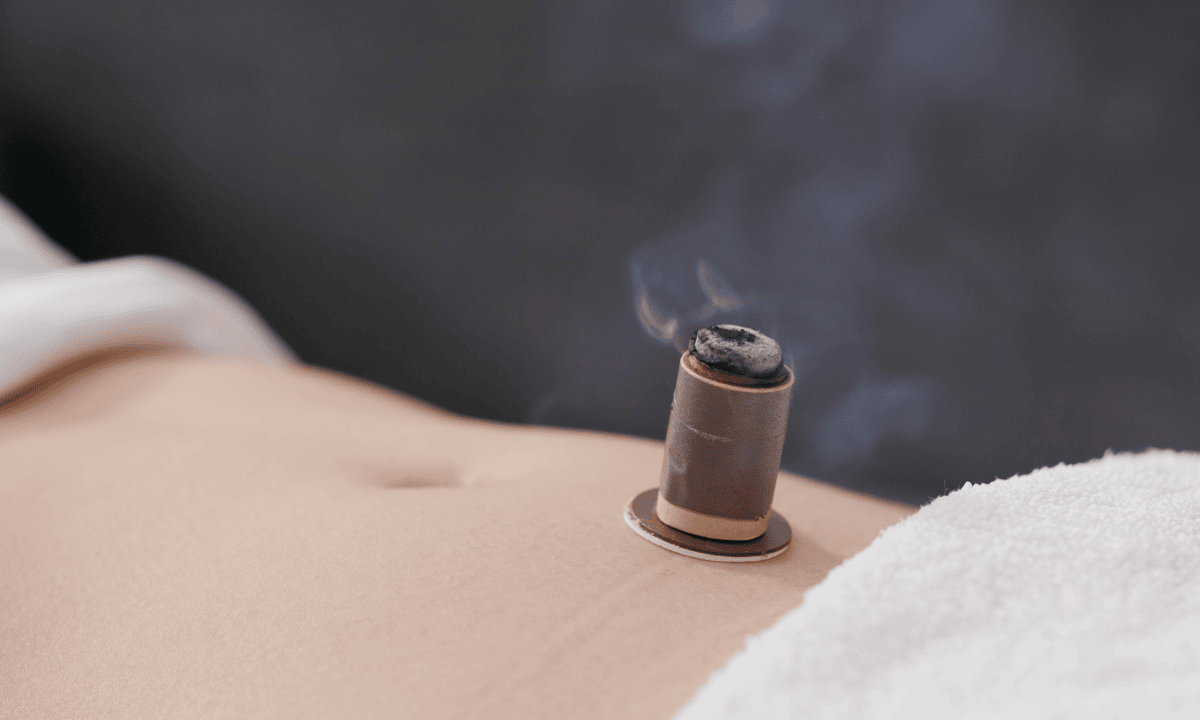
Moxibustion is a traditional therapy that uses burning mugwort leaves to promote healing. It helps improve blood circulation, stimulate Qi (your body energy), and address various health concerns through warming. If you’re someone who feels cold most of the time or gets tired easily, moxibustion’s warming effect can feel really soothing.
How is moxibustion performed?
During a moxibustion session, dried mugwort leaves, or Ai Ye (艾叶), are ground into small sticks or cones known as moxa. Your physician will then burn the moxa near or on specific points on your body. There are two main methods of moxibustion.
Direct moxibustion
For this method, your physician carefully places a small moxa cone on the skin and lights it briefly to create a gentle warmth. The cone is removed as soon as the area feels warm and slightly flushed without any burning or blistering.
Indirect moxibustion
This method is commonly used alongside acupuncture, but it can also be performed on its own. Your physician may:
Hold a moxa stick about an inch away from the skin (no needles)
Place moxa on acupuncture needles that are inserted into the skin
Use moxa with insulating materials like ginger, salt, or a bamboo moxa box
With indirect moxibustion, the warmth is delivered without the moxa touching your skin, making it a more comfortable option.
Our TCM physician in Singapore
Loading...
What are the different uses of moxibustion?
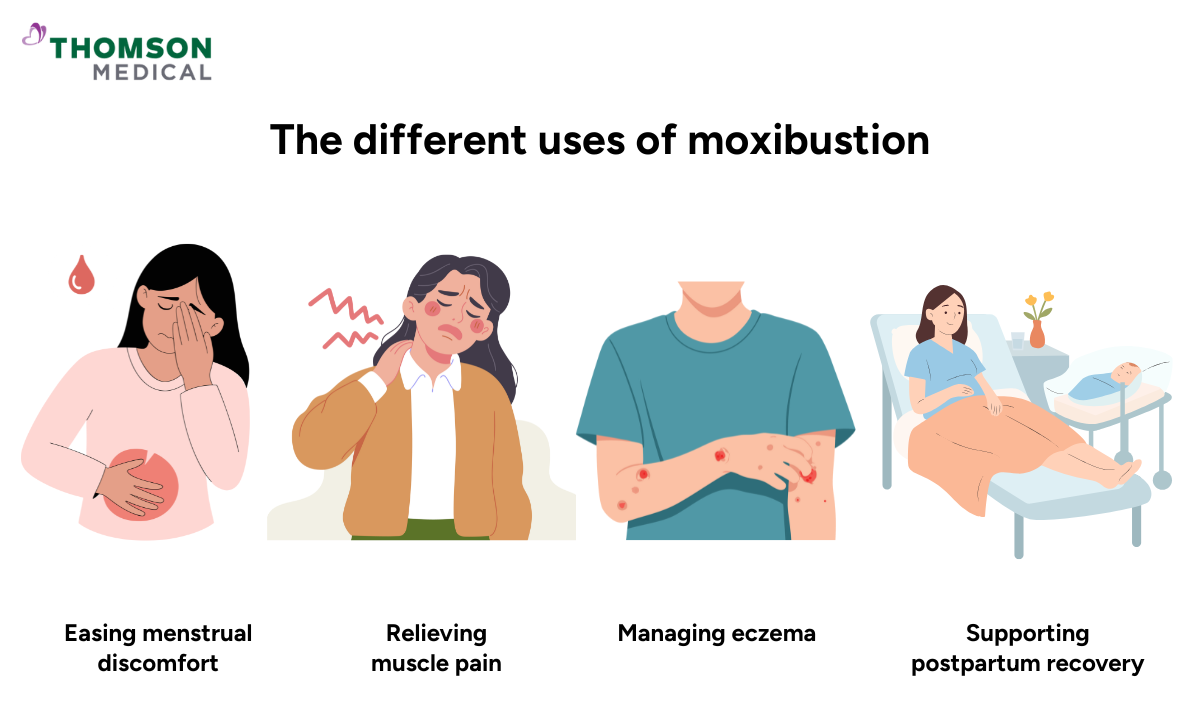
Moxibustion is used in different ways depending on what you're dealing with. Here are some of the most common applications:
Fertility support
In TCM, a warm uterus is seen as essential for optimal fertility. Moxibustion helps by:
Keeping the uterus 'warm' to nourish a fertilised egg
Encouraging blood flow to the ovaries for follicle growth and ovulation
Supporting the growth of a thick, healthy uterine lining
It's often used for women with a cold body constitution or irregular periods. If you're undergoing IVF, you might also consider moxibustion.
Easing menstrual discomfort
Moxibustion strengthens Kidney Yang(the body's warming and functional energy), which in Chinese medicine is linked to reproductive vitality and hormonal balance. The warming effects are helped by:
Dispersing cold from the lower abdomen and pelvic region that can cause cramps
Addressing stagnation that shows up as pain, bloating, and mood changes
Promoting smooth Qi and blood flow for a more comfortable cycle
Relieving muscle pain
Moxibustion can help with muscle pain, especially in the shoulders and knees. The warmth penetrates deep into ligaments and tendons, improving circulation and relieving tension. It also triggers endorphins (the body's natural painkillers) for further pain relief.
Encouraging breech babies to turn
During pregnancy, babies sometimes lie bottom-first or feet-first instead of head-first, which can make delivery more challenging. Moxibustion offers an alternative treatment to encourage the baby to turn head-down, reducing the likelihood of needing a caesarean section.
This is typically recommended before the 35th week of pregnancy, when the baby is still small enough to move while being sufficiently developed to stay head-down.
Supporting postpartum recovery
Many new mothers find postpartum recovery challenging. Moxibustion supports recovery through 'mother warming', usually done after the one-month confinement period. The gentle heat:
Warms the lower abdomen and back, easing pain and discomfort
Reduces stress and calms the mind and body
Boosts energy and improves overall wellbeing
Whether you’re considering moxibustion for fertility support, pain relief, skin concerns, or postpartum recovery, a personalised assessment is important to ensure it’s suitable for your condition. Request an appointment with Thomson Chinese Medicine to evaluate your needs and determine whether moxibustion is appropriate for your treatment plan.
What should you do after moxibustion?
After your session, it helps to take a few simple steps to maintain the therapeutic effects. To get the most from your treatment:
Avoid cold drinks, icy foods, or cool environments immediately afterwards to maintain the therapeutic warmth
Rest and allow your body time to absorb the benefits
Avoid an aggressive activity for the rest of the day
Your body continues working even after the session ends, so give it the support it needs.
FAQ
What does moxibustion do?
In TCM practice, moxibustion warms specific regions and acupuncture points to stimulate what practitioners describe as energy circulation and encourage smoother Qi flow throughout your body. The mugwort herb is traditionally believed to promote blood circulation according to TCM principles.
Is moxibustion painful?
Moxibustion shouldn't hurt when performed correctly. With indirect moxibustion, the moxa never touches your skin, so you'll only feel warmth. Even with direct application, you should only experience comfortable heat, as your physician will remove the moxa before it causes any burning or blistering.
Are there any risks with moxibustion?
When performed by a qualified physician, moxibustion is generally considered safe. However, possible risks include allergic reactions to mugwort, minor burns if not performed properly, and occasional nausea. Pregnant women should only receive treatment after consulting their doctors.
Can moxibustion replace acupuncture?
Not necessarily. They serve different purposes in TCM practice and are often used together. Your physician can recommend the most suitable approach based on your individual needs. Moxibustion should be considered as part of your overall healthcare plan rather than as a standalone treatment.
What should I avoid after a moxibustion session?
Try to avoid very cold drinks, icy foods, and chilly environments immediately after treatment. It's also best to skip intense exercise and allow yourself time to rest so your body can benefit from the treatment.
How many sessions might I need?
This varies depending on your individual situation and health goals. Some people notice changes after several sessions, whilst others may require ongoing treatment. Your TCM physician will create a personalised treatment plan based on your specific needs and response to therapy.
The information provided is intended for general guidance only and should not be considered medical advice. For personalised recommendations and advice based on your unique situation, request an appointment with Thomson Chinese Medicine today.
Physician Jun Negoro
Traditional Chinese Medicine
Thomson Chinese Medicine (TCM Paragon Medical Centre) and 1 other
English, Mandarin
Alliance MediNet
