

As your due date approaches, finding out that your baby is in a breech position is understandably concerning. Typically, western medicine offers options such as external cephalic version or a planned caesarean section.
However, to address this issue, you could also consider moxibustion, a Traditional Chinese Medicine (TCM) technique involving the application of gentle heat to specific acupuncture points, which can encourage the baby to turn naturally and potentially increase the chances of a vaginal delivery.
What is a breech baby?
A baby is considered to be in the breech position if they’re positioned bottom- or feet-first in the womb rather than head-down. This is relatively common in the early stages of pregnancy, but most babies naturally turn head-down by the third trimester.
However, in around 3 to 5% of pregnancies, breech presentation still occurs. When this happens, a western medicine doctor usually discusses monitoring, external cephalic version, or other delivery planning with you.
Types of breech positions include:
Frank breech:
The baby’s bottom is down with legs extended upward
Complete breech:
The baby sits cross-legged
Footling breech:
One or both feet are positioned to come out first
How can moxibustion support a breech baby?
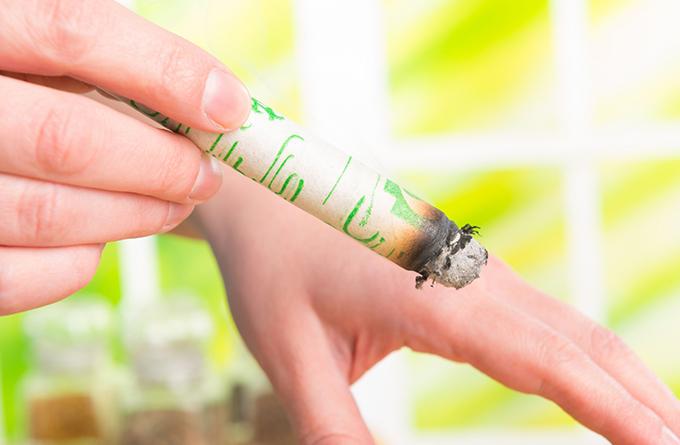
Moxibustion is a TCM therapy that uses gentle warmth from dried mugwort, known as artemisia argyi or Ai Ye. This warmth is typically delivered using a moxa stick and applied near specific acupuncture points. When used for a breech baby, the intention is to encourage your baby’s natural movements at a stage of pregnancy when there is still enough space in the womb for them to turn on their own.
Some clinics may also offer smokeless moxa for added comfort during pregnancy care. In some care plans, it may be combined with other supportive approaches such as postural exercises.
Stimulating the bladder meridian
In TCM, moxibustion for breech babies focuses on the last point of the bladder meridian, known as BL67 or Zhiyin.
This point is located:
On the outer edge of the little toe
Near the corner of the toenail
A registered TCM physician applies warmth to this point using moxibustion. From a Chinese medicine perspective, this stimulation helps activate the Kidney and Bladder channels, encouraging energy flow and movement within the pelvis and uterus (womb).
The goal is to gently support the baby in turning into a head-down position while also promoting balance in your body as you approach birth, potentially reducing the need for caesarean sections.
If you would like to learn whether moxibustion is suitable for your pregnancy, schedule a consultation at Thomson Chinese Medicine. A consultation with our qualified TCM practitioner can help you explore this option safely and in coordination with your obstetric care.
Supporting emotional calm and stress regulation
Pregnancy can feel especially overwhelming if you learn that your baby is in a complete or footling breech position. During times of stress, your body produces more cortisol, which can affect how you feel both emotionally and physically.
Moxibustion may help you relax and feel calmer, potentially reducing stress levels and encouraging greater foetal movement. Many mothers notice they feel more at ease during and after treatment, sometimes alongside increased baby movements that may help support the turning process.
Encouraging hormonal responses that support movement
From a Western medical viewpoint, the gentle heat used in moxibustion may encourage the release of pregnancy-related hormones, including placental oestrogen and prostaglandins.
These hormones play important roles in:
Supporting uterine readiness for labour
Promoting muscle responsiveness within the uterus
The mild stimulation associated with moxibustion may lead to subtle uterine activity, creating conditions that help the baby shift into a head-down position naturally. This process is gradual and supportive, not forceful, and may support future vaginal birth where clinically appropriate.
Our TCM specialists
Loading...
How is the treatment performed?
Moxibustion for breech babies is typically carried out by a trained TCM physician. In some cases, parents may be shown how to continue treatment at home, but only after proper instruction and approval by your physician.
A typical session involves:
The mother resting comfortably in a calm environment
A moxa stick being lit and held near BL67 on each foot
Careful monitoring to ensure the heat feels warm, not hot
Alternating between both feet during the session
Each session typically lasts about 15 to 20 minutes and is designed to help you feel relaxed. In some care plans, this may be paired with gentle postural exercises to further support optimal foetal positioning.
Important considerations before starting moxibustion
Every pregnancy is unique, and moxibustion may not be suitable for everyone. Thoughtful timing and professional guidance are essential, especially when managing breech presentation.
Timing matters
Moxibustion for breech presentation is most commonly recommended around 34 weeks of pregnancy. At this stage, your baby is developed enough to maintain a head-down position after turning, while there is still sufficient space in the uterus to allow movement.
A registered TCM physician will assess your individual situation and advise whether this timing is appropriate for you.
Seek professional care
Moxibustion should always be carried out by a trained and registered TCM physician or an experienced acupuncturist with pregnancy expertise.
Attempting moxibustion without proper guidance can increase the risk of:
Burns or skin irritation
Improper heat exposure
Ineffective or unsafe treatment
Your qualified practitioner ensures the therapy is applied safely, comfortably and in coordination with your medical care, including discussions around external cephalic version (ECV) if required.
If you’re considering moxibustion for a breech baby, schedule a consultation with Thomson Chinese Medicine to assess whether this approach is appropriate for your pregnancy and ensure it is carried out safely alongside your obstetric care.
Safety considerations and precautions
When you are pregnant, your safety and your baby’s wellbeing should always come first. Moxibustion may be gentle, but it is still a therapy that needs to be approached with proper guidance.
Before starting moxibustion, it’s important to:
Speak with your obstetrician before starting moxibustion
Ensure the treatment is performed by a qualified TCM practitioner
Follow professional instructions carefully, especially around distance, duration and heat levels
Make sure the heat used feels warm and comfortable, never intense or painful
Stop treatment if you feel unwell or uncomfortable
Moxibustion should always complement, not replace, your routine antenatal care
There are certain situations where moxibustion may not be recommended, as your pregnancy may require closer medical management. These include:
High-risk or medically complex pregnancies, where additional medical interventions may already be required
Placenta praevia or unexplained bleeding, as warmth and stimulation may increase risk and should be avoided until a doctor has assessed the cause
Multiple pregnancies, such as twins or triplets, where foetal positioning and monitoring are more complex
Certain uterine or placental conditions, such as uterine abnormalities or placental attachment issues, that may limit safe movement of the baby
Signs of foetal distress, for example reduced foetal movements or abnormal heart rate patterns, that require immediate medical attention
FAQ
Is moxibustion safe during pregnancy?
When performed by a trained TCM physician and with your O&G specialist’s approval, moxibustion is generally considered safe for suitable pregnancies. The technique is adapted specifically for pregnancy, using gentle warmth and careful timing to prioritise both your comfort and your baby’s wellbeing.
At what week should you start moxibustion for breech baby
Most practitioners recommend starting between 32 and 36 weeks of pregnancy. At this stage, your baby is developed enough while there is still sufficient space in the womb for natural movement and turning to occur.
Does moxibustion really turn a breech baby?
Moxibustion may increase the likelihood of a breech baby turning their head down by encouraging gentle foetal movement, but it cannot guarantee results. Every pregnancy is unique, and some babies may remain breech despite treatment.
Can moxibustion be done at home?
In some cases, you may be taught how to continue moxibustion at home after proper professional instruction. This should only be done with your obstetrician’s approval and clear guidance from a qualified TCM practitioner to ensure it is carried out safely.
How many sessions are usually needed?
Many women are advised to try daily sessions over one to two weeks. The exact number of sessions varies depending on how your baby responds, how far along you are in your pregnancy, and your practitioner’s assessment.
What does moxibustion feel like?
Most women describe moxibustion as a gentle, comforting warmth around the toes. It should feel soothing and relaxing, never hot, painful, or uncomfortable.
Should you still consider an ECV after moxibustion?
Yes. If your baby remains breech, your obstetrician may still recommend discussing ECV or other medical options. Moxibustion can be explored before or alongside these discussions, but it does not replace medical care or clinical decision-making.
The information provided is intended for general guidance only and should not be considered medical advice. For personalised recommendations and tailored advice based on your unique situations, schedule a consultation with Thomson Chinese Medicine today.
References:
Hamidzadeh, A., Tavakol, Z., Maleki, M., Kolahdozan, S., Khosravi, A., Kiani, M., & Vaismoradi, M. (2022). Effect of acupressure at the BL67 spot on the spontaneous rotation of fetus with breech presentation: A randomized controlled trial. Explore (New York, N.Y.), 18(5), 567–572. https://doi.org/10.1016/j.explore.2021.10.005