

Singapore’s climate may feel gentle, but your skin often tells a different story. The mix of persistent heat, intense humidity and drying air-con can trigger flares, sensitivity and breakouts that seem impossible to predict or fully settle.
Traditional Chinese Medicine (TCM) offers a different perspective. Rather than just treating visible skin concerns, it looks at the body as a whole, focusing on internal balance and circulation that can affect how the skin behaves over time. Working alongside dermatology, TCM offers a supportive approach that aligns with Singapore’s environment and your body’s rhythms, helping your skin feel more stable and comfortable day to day.
How TCM views skin problems
In TCM, your skin reflects the health of your internal organ networks and circulation pathways. External conditions such as Singapore’s humid weather are believed to influence the body’s fluid and heat balance, potentially aggravating inflammatory or congestive skin patterns.
TCM commonly associates the skin with:
Lungs:
Govern protective energy at the surface
Spleen:
Manages digestion and internal fluids
Kidneys:
Influence hormonal balance and endurance
Blood:
Nourishes the skin and supports repair
So when your skin becomes inflamed, dry, itchy, or reactive, TCM interprets this as a surface sign of an internal pattern. Treatments aim to support these internal systems so that your skin can gradually stabilise and become less flare-prone.
Common TCM patterns for skin conditions
TCM physicians categorise skin issues into identifiable clinical patterns. In Singapore, the following patterns are most frequently diagnosed for inflammatory, chronic, or recurrent skin conditions.
.png?branch=production)
When your skin feels hot, angry and aggravated by humidity or heat, it may be signalling a damp-heat pattern. In Singapore, this often appears during weather shifts, heavy meals or alcohol intake, and shows up as visible inflammation that feels uncomfortable to the touch.
Red, warm, itchy rashes, bumps or oozing irritation
Breakouts that are painful or deeply inflamed
Skin that becomes reactive when sweating or in hot weather
Symptoms worsened by alcohol, fried or spicy meals
If these symptoms feel familiar, schedule a consultation at Thomson Chinese Medicine to understand your skin’s TCM pattern with professional guidance.
Blood deficiency
If your skin feels dry, tight, dull or slow to heal, it may be asking for nourishment rather than suppression. This pattern is less about heat and more about the skin lacking the internal support it needs to repair, recover and reset after irritation.
Dryness, flaking, rough texture or dull skin tone
Lingering dark marks or slow fading of post-rash scars
Itch that intensifies at night
Possible fatigue, pale lips, hair thinning or disrupted sleep
Your skin may be reacting because it isn’t being replenished from within, making every flare harder to fully resolve.
Lung or Spleen imbalance
If your skin reacts fast, intensely and often without warning, it may be reflecting imbalance in your body’s barrier and regulation systems. In TCM, the Lung influences external defence, while the Spleen governs internal processing, and when either is disrupted, your skin may feel like it’s taking the hit.
Sudden reactions to products, sweat or weather shifts
Frequent colds, allergies or sinus sensitivity (Lung involvement)
Bloating, slow digestion or water retention (Spleen involvement)
If this feels familiar, your skin may be responding early because your body’s protective or digestive systems are struggling to regulate triggers before they surface.
Our physicians
Loading...
Skin concerns TCM may help with
Eczema and dermatitis
When your skin flares often and the itch feels impossible to settle, TCM interprets this as more than recurring symptoms. It may indicate that inflammation-linked heat or the body’s fluid balance has not fully reset after each episode, leaving the skin in a cycle of heightened reactivity.
TCM care aims to calm inflammation at the surface while supporting a steadier internal recovery between flares. This approach can be particularly helpful for those whose symptoms worsen with:
Humidity
Stress
Poor sleep
Frequent environmental changes
The focus is not only on easing discomfort in the moment, but on helping the skin regain more stable responses over time, so each flare resolves more smoothly and the periods in between feel more manageable.
Acne and breakouts
If your breakouts feel tied to hormones, cycles or your environment, TCM looks at the internal congestion or nourishment gaps influencing how your skin reacts.
Spots that are tender or cystic
Breakouts shaped by hormones or menstrual cycles
Food and stress acting as frequent tipping points
TCM support on acne-related problems centres on easing inflammation-linked heat and improving circulation where stagnation may be disrupting your skin’s natural rhythm.
The goal is to restore a steadier skin cycle over time, helping breakouts resolve more smoothly and reducing the likelihood of them returning at the same intensity.
If acne or frequent breakouts are affecting your confidence or comfort, schedule a consultation at Thomson Chinese Medicine to explore personalised TCM care that supports clearer, steadier skin from within.
Psoriasis
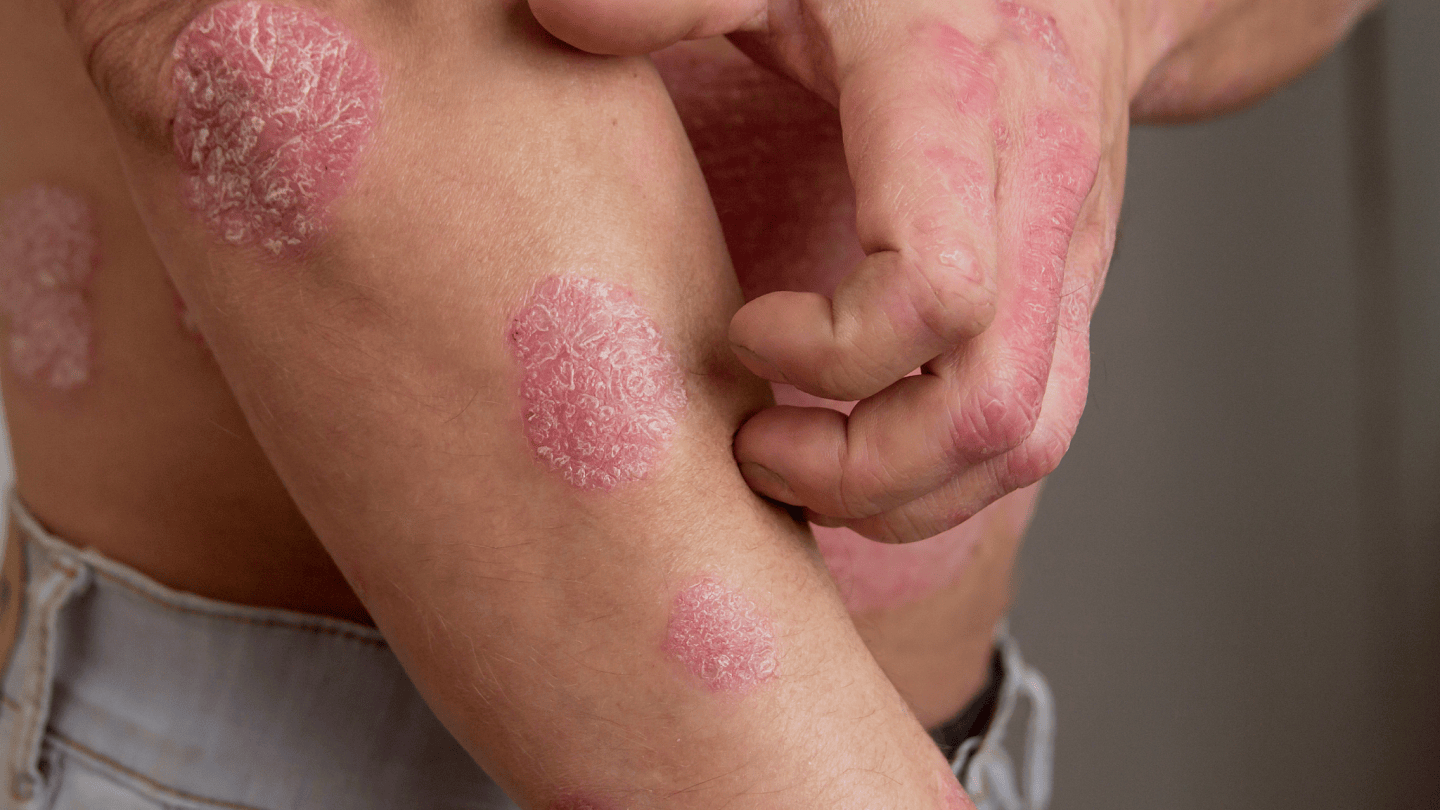
If your symptoms rise and fall in waves, especially after stress or infections, TCM sees this as inflammation and circulation struggling to stabilise.
Cyclical flare patterns
Stress lowering your skin’s threshold
Illness or infection triggering setbacks
Treatment in this pattern focuses on gently clearing internal heat and improving circulation so that inflammation settles and your immune system can stabilise over time.
Sensitive or inflamed skin
If your skin reacts before you can intervene, it may be reflecting lowered external defence or weakened internal regulation.
Easy redness, stinging, burning or sweat-triggered irritation
Sudden reactions to weather, temperature or product changes
In these cases, TCM care focuses on strengthening the body’s protective energy and supporting internal balance. By nourishing the skin from within, treatment aims to gradually reduce reactivity, reinforce the skin barrier and help it respond more steadily to everyday triggers over time.
TCM treatment approaches in Singapore
In Singapore’s well-regulated TCM system skin treatments are are provided by registered physicians trained in safety standards and clinical specialisation.
Acupuncture
Acupuncture for skin support is meant to feel gentle and reassuring, not overwhelming or stimulating. Your practitioner selects specific points to help your body regulate inflammation, stress, and circulation, all of which can influence how your skin flares, heals, or reacts.
If stress tends to show up on your skin, these sessions can help your body and skin recover more steadily over time.
Treatments usually last 20 to 30 minutes, shaped around your care plan and what your skin needs at that stage.
Herbal medicine
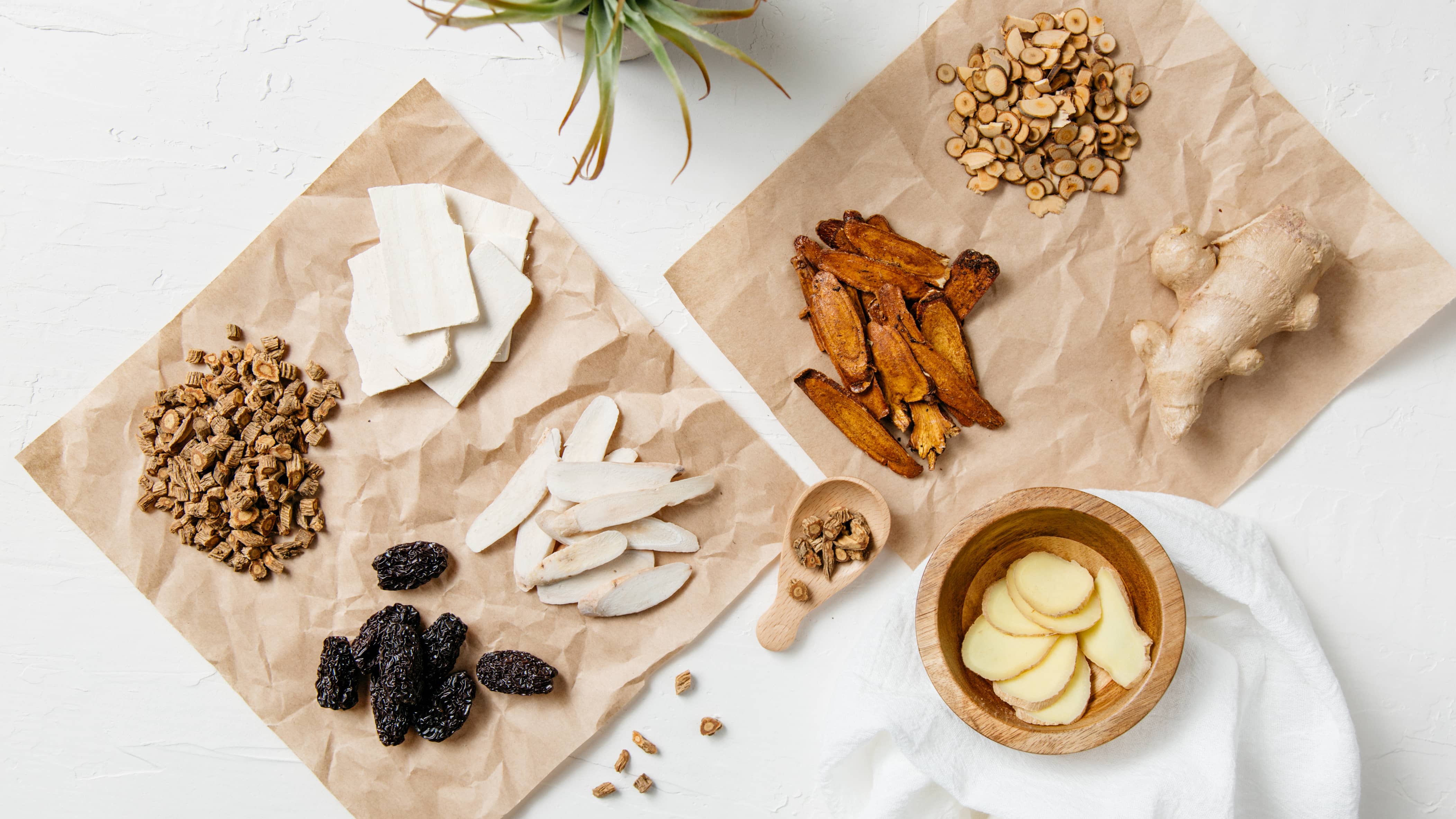
TCM herbs for skin support are personalised to what your body and skin are experiencing, not a one-formula-fits-all approach. Herbs can be recommended in two ways:
Internal herbal medicine:
Supports inflammation, dryness, or fluid imbalance
Topical herbal applications:
Formulated to feel gentle on sensitive or reactive skin
Some herbs often used for skin support include:
Ai Ye (mugwort):
Traditionally used to support circulation and soothe irritation
Jin Yin Hua (honeysuckle flower), Lian Qiao (forsythia fruit):
Used for patterns linked to inflammatory heat
Dang Gui (Angelica root):
Supports nourishment when the skin reflects deficient blood
Sheng Di Huang (rehmannia root):
Used to cool and hydrate internal dryness that may be showing up on your skin
TCM care works gradually to support steadier, calmer, and more balanced skin responses over time, helping your skin recover more smoothly between episodes rather than targeting flare symptoms alone.
If you are looking for personalised skin support that considers your internal balance, schedule a consultation at Thomson Chinese Medicine. A qualified TCM physician can assess your unique patterns and guide you on safe, targeted herbal care for long-term skin stability.
Dietary and lifestyle support
TCM care doesn’t stop at the clinic. Your physician may also share practical, everyday adjustments to help your skin recover more steadily and reinforce the effects of treatment.
Supportive habits may include:
Avoid iced drinks, alcohol, greasy and high-sugar foods
Keep regular sleep hours
Manage stress early, especially if it triggers flares
Choose warm, freshly cooked meals for easier digestion
The aim is to help you feel more in control of your skin day-to-day, with habits that support long-term stability, not short-term fixes alone.
When to seek professional care
You should seek urgent medical care if you notice any of the following:
Rash spreading rapidly
Yellow crusting or open skin areas
Bleeding or signs of infection
Fever or chills
Swollen lymph nodes
Sudden, severe pain or sharp symptom worsening
TCM can be a valuable support if you’re managing chronic or recurrent skin flares, but if infection or systemic symptoms appear, your first step should always be immediate evaluation by a dermatologist, GP or emergency doctor.
FAQ
Can TCM help chronic skin flare-ups?
Yes. If your flares keep returning and feel tied to stress, hormones, food, heat or humidity, TCM is often used in Singapore clinics to support better regulation between episodes, not just during them. It aims to make the calm stretches longer and the flares less disruptive.
Are TCM herbs safe for sensitive or steroid-weakened skin?
Yes, when prescribed by a registered TCM physician. Your herbal formula and any topical application can be adjusted to suit reactive, thin or barrier-weakened skin, focusing on support without overstimulation.
Can TCM help acne that shifts with hormones or menstrual cycles?
Yes. Instead of treating each breakout as the problem, TCM looks at the internal environment influencing when and how intensely you break out. Care plans are tailored to your inflammation level, circulation, sleep and digestion patterns that often shift alongside hormonal changes.
Can TCM improve your skin barrier in the long run?
Yes. If your skin feels like it reacts faster than you can manage, it may be working without enough internal reserves or external defence. TCM care aims to rebuild that buffer by supporting protective energy and nourishment your skin relies on to repair, defend and stabilise over time.
Can you use TCM alongside steroid creams or dermatology prescriptions?
Yes, with proper guidance. Many people combine both safely. TCM broadens support, but it doesn’t replace medications when they’re clinically necessary. The safest integrative care plans are coordinated, not substituted.
The information provided is intended for general guidance only and should not be considered medical advice. For personalised recommendations and tailored advice based on your unique situations, schedule a consultation with Thomson Chinese Medicine today.
Physician Jun Negoro
Traditional Chinese Medicine
Thomson Chinese Medicine (TCM Paragon Medical Centre) and 1 other
English, Mandarin
Alliance MediNet
