

Does your child struggle to sit still at the dinner table, or do you often lose your thoughts in the middle of a conversation? If you suspect that you or your child may have ADHD, Traditional Chinese Medicine (TCM) offers a gentle approach to restoring balance in the body and addressing the root causes of these behaviours.
What is ADHD?
ADHD, or attention-deficit/hyperactivity disorder, is a condition that affects the ability to focus, stay organised, and control impulsive actions. Some people with ADHD feel like they're constantly restless, as if they've got a motor running inside them that never switches off.
Why does someone develop ADHD?
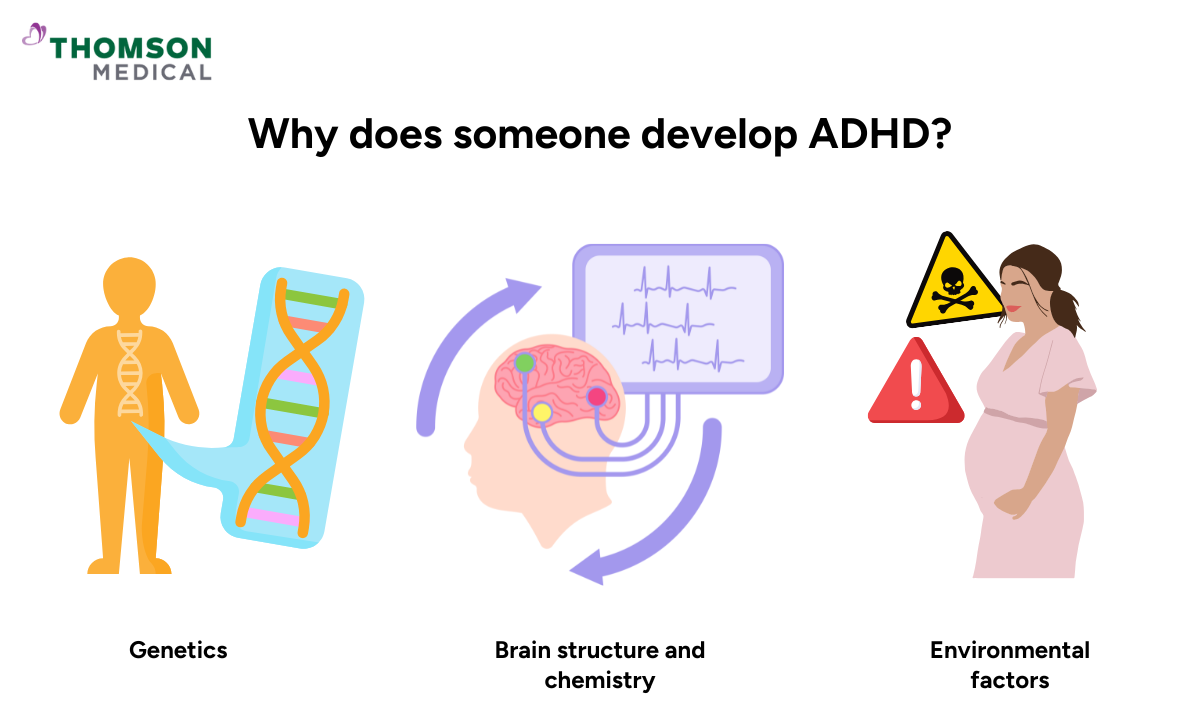
Although the cause of ADHD is not yet known, there’s a combination of factors that increases the chances of developing it, which include:
Genetics, which play a big role and often run in families.
Abnormality in the brain’s structure and chemistry, especially in dopamine pathways.
Environmental factors during pregnancy, such as premature birth or exposure to certain toxins.
It's important to know that ADHD isn't caused by poor parenting, too much screen time, or eating sugar.
What does ADHD actually look like?
ADHD can look different from person to person. These experiences are often grouped into a few main patterns, which can show up in everyday moments and situations.
Attention deficit disorder challenges may show up as losing track of conversations, misplacing things often, struggling to finish tasks, getting distracted easily, or finding multi-step instructions overwhelming.
Hyperactivity can feel like constant fidgeting, restlessness even when sitting still, talking a lot, or having an ongoing need to move or stay busy.
Impulsivity may appear as interrupting others, making hasty decisions, struggling to wait your turn, and acting on impulse.
ADHD also looks different in children and adults. Children often show obvious physical hyperactivity, like bouncing on the walls or being unable to sit still. Meanwhile, in adults it is depicted as chronic disorganisation or struggling with long-term projects.
The difference between occasional distraction and ADHD is that these challenges are constant, overwhelming, and significantly affect daily life.
If these patterns feel familiar and are affecting your work, relationships, or daily activities, consider requesting an appointment with a TCM specialist at Thomson Chinese Medicine. A proper evaluation can help clarify whether ADHD is present and what support options may help.
How does TCM view ADHD?
Western medicine looks at ADHD as a neurological condition involving brain chemistry. But TCM takes a completely different approach to understanding ADHD. In TCM, ADHD is understood as an imbalance in the body's natural energy systems, especiallyYin andYang imbalances of the Kidney and Liver. Think of your body as having rivers of energy called Qi flowing through it.
When these are out of balance, symptoms like poor memory, impatience, irritability, and learning difficulties appear. Thus, TCM therapies in Singapore aim to restore the Yin-Yang balance of the body to not just manage ADHD but also to improve overall well-being.
When these rivers flow smoothly, you feel healthy and energetic. But when there are blockages, or when certain organs aren't working in harmony, symptoms like restlessness, poor focus, and irritability can appear.
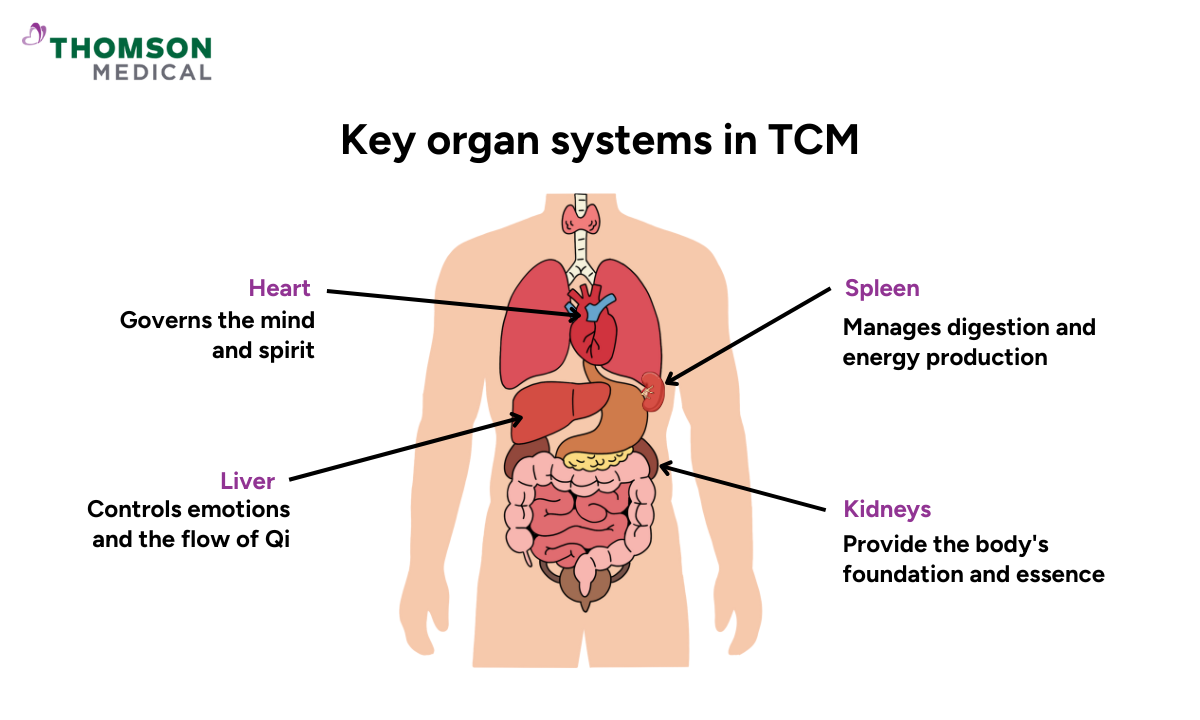
TCM physicians look at several key organ systems:
Heart governs the mind and spirit
Livercontrols emotions and the flow of Qi
Spleen manages digestion and energy production
Our physician
Loading...
How would a TCM physician assess ADHD?
A TCM physician will spend time getting to know you or your child. They'll ask about emotions like irritability, frustration, or anxiety, as well as sleep patterns, appetite, and digestive health. They'll observe behaviour and mannerisms.
They may also perform tongue diagnosis, because its colour, coating, and shape tell them a lot about what's happening inside your body. Then, they'll check your pulse to feel the signs of heat, dampness, or deficiency.
At the end of the assessment, the physician will put all these observations together to understand the balance of your body and mind. This helps them create a personalised treatment plan aimed at supporting focus, calmness, and overall well-being.
If you would like a personalised evaluation for ADHD from a TCM perspective, request an appointment at Thomson Chinese Medicine. Our physicians can help to assess the underlying imbalances and provide personalised care.
How can TCM help manage ADHD symptoms?
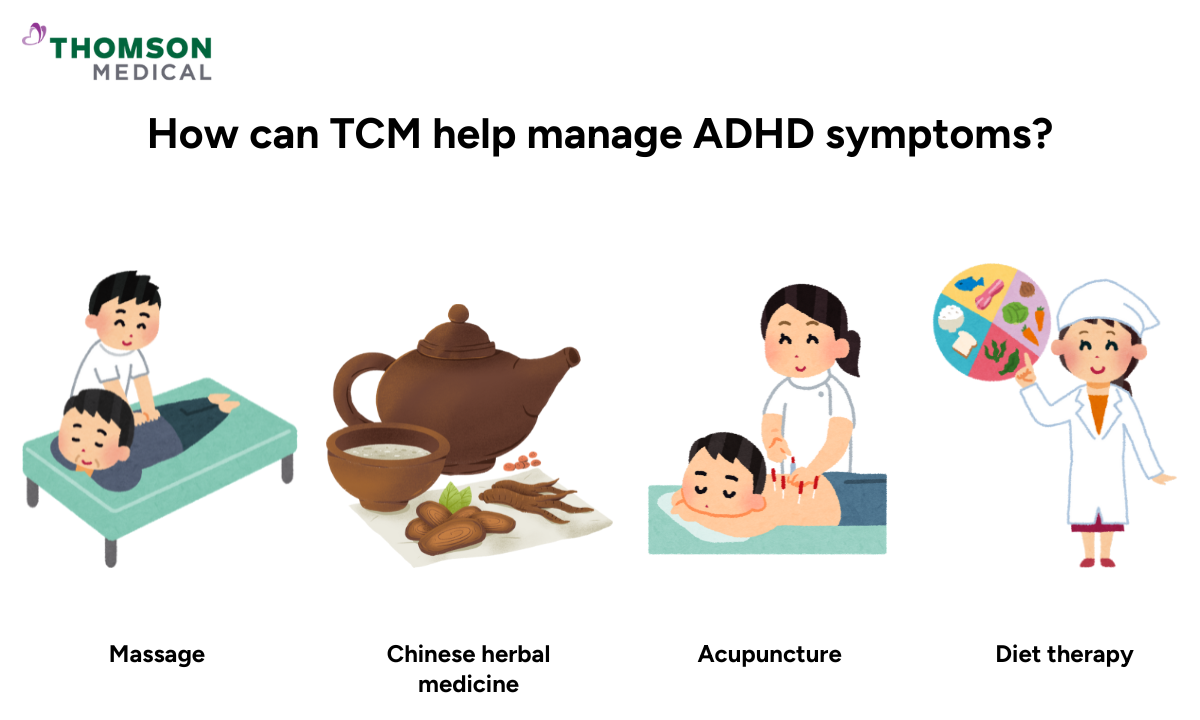
TCM offers several approaches that work by restoring balance to the body. These can be used alone or alongside conventional treatments.
Massage
If you have a young child, paediatric massage can be a good starting point. It's gentle and safe for children as young as six months old.
As for adults, a trained TCM physician uses specific techniques on acupoints (specific spots on your body) to help calm the nervous system, restore balance, and improve focus. Many people notice improvements in calmness and sleep quality after regular sessions.
Chinese herbal medicine
This is personalised medicine tailored just for you. A qualified TCM physician takes time to understand your pattern of imbalance and creates an herbal formula specifically for your needs.
You might hear about herbs like ginseng and ginkgo biloba, which are commonly used, but it's important never to self-prescribe. What works well for one person might not suit another, and a professional assessment ensures you get exactly what your body needs.
Acupuncture
Acupuncture works by improving energy flow and addressing imbalances in your body. There's also a technique called scalp acupuncture for improving memory, motor skills, and sensory processing.
You don’t need to worry about needles used in acupuncture, as they’re incredibly fine, much thinner than the ones used for injections.
Diet therapy
Diet therapy in TCM focuses on eating foods that support your specific individual needs. Your physician might recommend foods that calm excessive Yang energy or nourish Yin deficiency. Physical activity is also encouraged as part of a complete approach to managing ADHD symptoms.
What makes TCM different is that treatment is tailored to you as an individual. Rather than just managing symptoms on the surface, it addresses the underlying imbalances, helping your body find its natural balance again.
Can you use TCM alongside conventional treatment?
Yes, TCM doesn't have to be an either-or decision. Medication may help your child focus at school or help you perform at work, but if you'd like additional support for emotional regulation and sleep. Or maybe you want to try TCM first before considering medication. Both paths are valid, and you can adjust as you go.
The important part is to tell both your doctor and your TCM physician about everything you're using, including medications, supplements, and herbs. Some herbs can interact with medications, so transparency keeps you safe and ensures the most effective care.
TCM can be used alongside Western treatment when carefully coordinated. Request an appointment at Thomson Chinese Medicine to know whether TCM may be a suitable complementary option for you or your child’s ADHD care.
FAQ
Can TCM actually cure ADHD?
TCM doesn't cure ADHD, and neither does Western medicine. ADHD is a lifelong condition, but that doesn't mean it can't be managed effectively. Many people find that TCM therapies significantly improve symptoms, emotional regulation, and quality of life.
At what age can my child start paediatric massage?
Paediatric massage is safe and gentle enough for babies from six months old, and it's beneficial for children up to age 14. It's a good option if your child is anxious about needles or if you're looking for a non-invasive starting point.
Will acupuncture hurt?
The needles are thinner than a strand of hair, and most people, including children, find insertion barely noticeable. The most common side effects are minor bruising and feeling tired afterwards, both of which resolve quickly.
When is ADHD typically most challenging?
Many people find the middle school years through early adulthood the most difficult. This is when academic demands increase dramatically, social situations become more complex, and independence is expected. All of these are areas where ADHD creates challenges.
Can your child still try TCM if they’re already taking ADHD medication?
Yes. Many families successfully combine both approaches. Just make sure both your doctor and TCM physician know about all medications and treatments. This ensures safety and helps them work together to support your child most effectively.
How do you know if TCM is the right treatment?
If you're drawn to a holistic approach, if you're concerned about medication side effects, or if conventional treatments haven't given you the results you hoped for, TCM might be worth exploring. Start with a consultation. A TCM physician will take time to address your situation and answer your questions. You'll get a sense of whether it feels right for your family.
Are the herbs safe?
When prescribed by a qualified and registered TCM physician, Chinese herbs are generally safe. However, the quality of the herb matters, and self-prescribing isn’t recommended. Always work with a certified physician who can assess your individual needs and ensure you're getting high-quality herbs at the right dosages.
The information provided is intended for general guidance only and should not be considered medical advice. For personalised recommendations and advice based on your conditions, request an appointment with Thomson Chinese Medicine today.
References:
Greenwood, M. T. (2019). Acupuncture, attention-deficit hyperactivity disorder, and the energetics of stimulants. Medical Acupuncture, 32(1), 8–15. https://doi.org/10.1089/acu.2019.1395
Zhou, C., & Wang, J. (2024). Traditional Chinese medicine research on attention deficit hyperactivity disorder: theory, treatment and mechanism. Brain Behavior and Immunity Integrative, 5, 100049.
Physician Seah Ai Wei
Traditional Chinese Medicine
Thomson Chinese Medicine (TCM United Square) and 1 other
English, Mandarin
Alliance MediNet
