

Waking up to find one side of your face feeling weak, drooping, or difficult to control can be deeply unsettling. If you are experiencing sudden facial weakness, you may be dealing with Bell’s palsy, a temporary condition that affects the facial nerve and can leave you feeling worried and unsure of what comes next.
While Bell's palsy often improves naturally over time, Traditional Chinese Medicine (TCM) offers gentle, proven approaches that may help support your recovery and restore facial function.
What is Bell's palsy and how does it affect you?
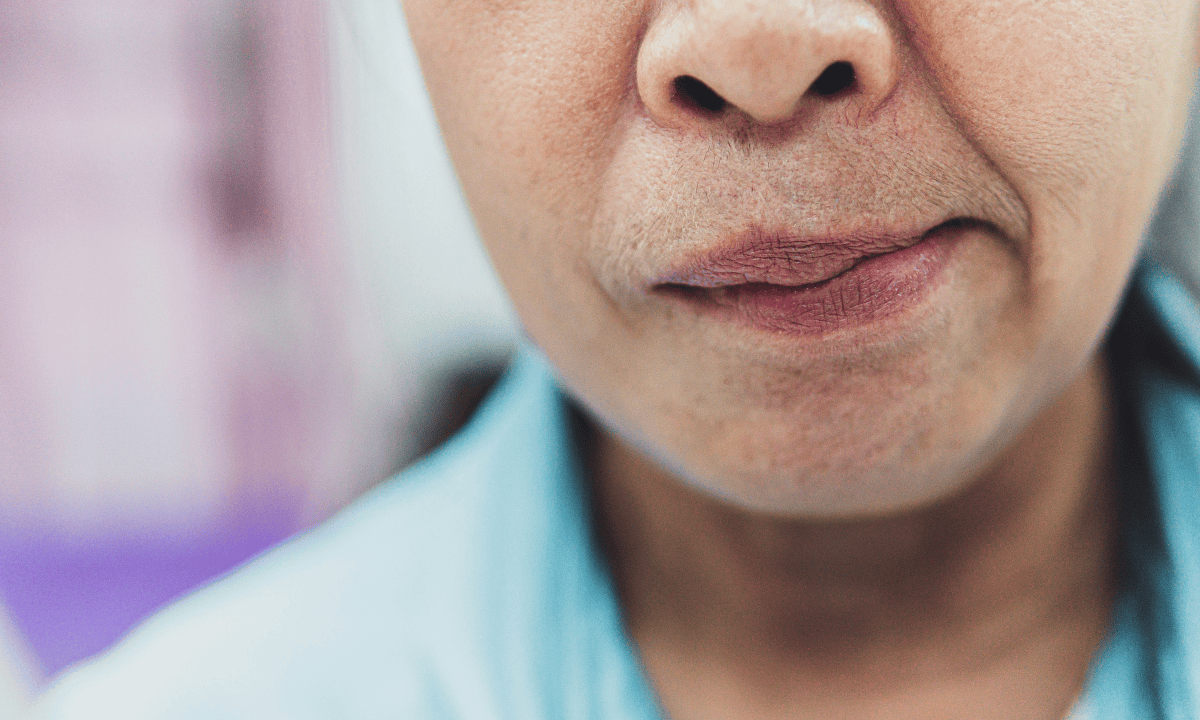
Bell's palsy happens when inflammation affects the facial nerve, causing temporary weakness or paralysis on one side of your face. It develops quickly – usually within a day or two – which is part of what makes it feel so overwhelming.
You might notice these common symptoms:
One side of your face drooping, especially around your mouth
Struggling to close one eye completely
Food tasting different than usual
Sounds seeming louder in one ear
Drooling from the affected side
Aching around your jaw or behind your ear
While the exact cause isn't always clear, viral infections (like the herpes simplex virus) are often behind the inflammation. What matters most is that most people make a full recovery within three to six months.
Your body knows how to heal from this, and there are ways to support that healing journey. You're not alone in this, and with gentle care, your face can regain its natural movement and expression.
Bell's palsy treatment in traditional Chinese medicine
TCM looks at Bell's palsy through a different lens, one that focuses on restoring balance and supporting your body's natural ability to heal. Rather than just treating symptoms, TCM works to address the underlying cause that's affecting your facial nerve.
How TCM views Bell's palsy
In TCM, your practitioners might refer to Bell's palsy as "facial wind stroke" or "Wai Feng".
From this perspective, external wind and cold have invaded the meridians (energy pathways) in your face, blocking the flow of Qi (your body's vital energy) and blood. When this flow is blocked, your facial muscles and nerves don't receive the nourishment they need to function properly. If you also have underlying Qi and blood weakness, this can further slow your facial muscle recovery.
The encouraging part is that TCM views this issue as a temporary disruption rather than something severe or permanent. Think of it as energy channels that have been temporarily blocked – once proper circulation, balance, and Qi-blood strength are restored, your face can begin to heal.
TCM treatment approaches for facial paralysis
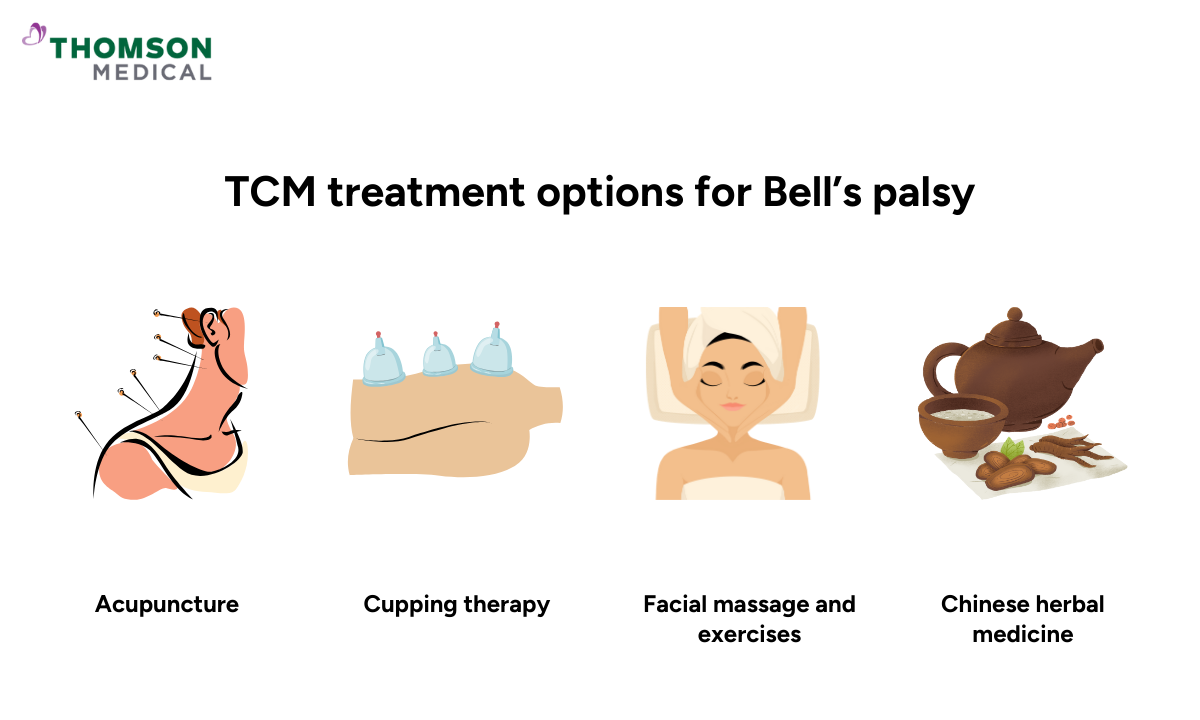
Your TCM practitioner may use several gentle approaches to help restore movement to your face, including:
Acupuncture, which stimulates specific points along the affected facial meridians, reopens blocked pathways and encourages healing.
Chinese herbal medicine, which works from within to release wind, promote blood circulation, and calm inflammation in the facial nerve.
Facial massage and exercises that help maintain muscle tone and prevent stiffness while you're recovering.
Cupping therapy, which enhances circulation in the affected area, brings fresh blood flow to support healing.
These approaches work together, each supporting the others to help restore the natural flow of Qi and blood. Your practitioner will tailor the combination to your specific needs, adjusting as you progress through your recovery.
Our TCM physicians in Singapore
Loading...
Acupuncture for Bell's palsy recovery
Acupuncture is one of the most widely used TCM treatments for Bell's palsy, and many people find it both calming and restorative. During treatment, thin needles are gently inserted into specific points on your face and body to stimulate the facial nerve, improve blood circulation, and ease inflammation in the affected area.
You might start noticing subtle improvements in facial movement and less stiffness after a few sessions. While acupuncture works gradually rather than overnight, it can be a powerful support for your body's natural healing process.
Which acupuncture points are used for Bell's palsy?
Your practitioner will choose acupuncture points based on what signs you're experiencing and where you are in your recovery. Treatment is personalised to you, not a one-size-fits-all approach.
Commonly used points include:
Areas along the affected side of your face – near your eyebrow, cheek, and jawline
Points on your hands and feet that connect to facial meridians through your body's energy pathways
Points on your neck and shoulder to improve overall circulation
As your recovery progresses, your practitioner will adjust which points are used, responding to the changes in your facial movement and how you're feeling.
How many acupuncture sessions do you need?
The number of sessions depends on your individual situation – how severe your symptoms are and how your body responds. Every person's journey is different.
Your typical treatment journey looks like this:
Two to three sessions per week during active treatment
A course lasting four to eight weeks
Gradual improvements after the first few sessions
Occasional maintenance sessions after significant recovery for ongoing support
If you start treatment within the first two weeks when your symptoms appear, you tend to see better outcomes. But if you're further along in your journey, know that acupuncture can still support your healing – it's never too late to seek help.
If you're unsure whether acupuncture is right for your Bell's palsy recovery, schedule a consultation with Thomson Chinese Medicine. Our practitioners can assess your condition, explain your options, and recommend the most suitable treatment approach for your situation.
Chinese herbal medicine for Bell's palsy
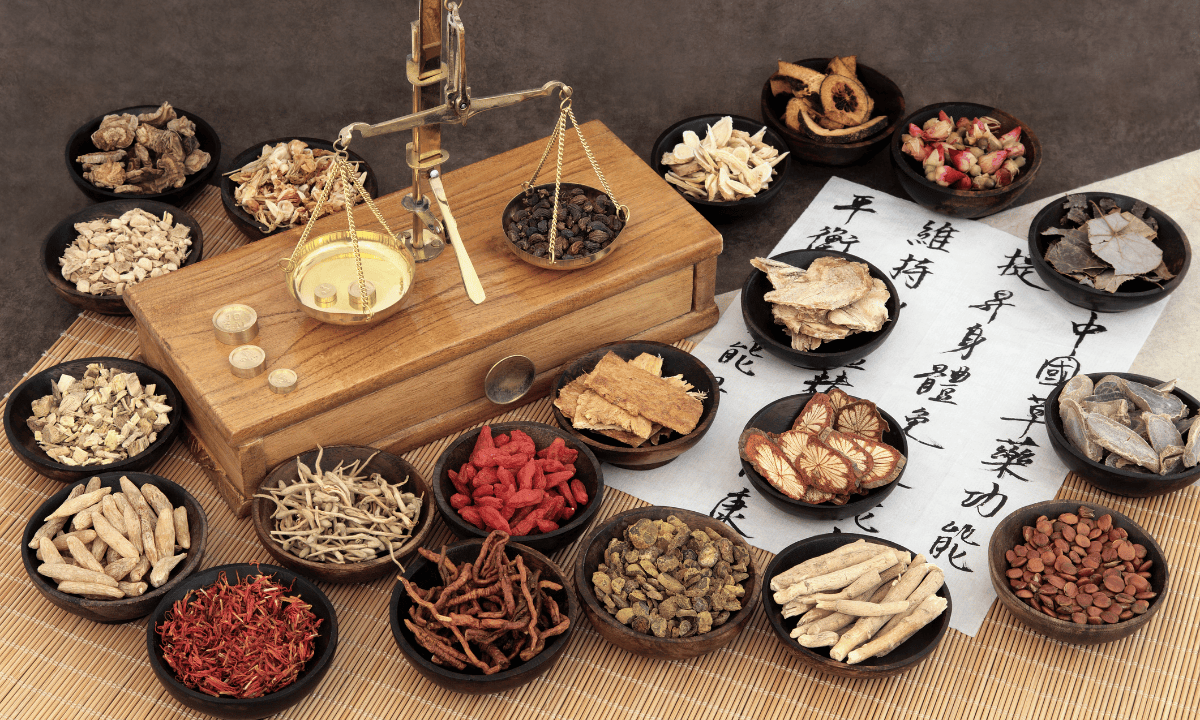
Alongside acupuncture, your TCM practitioner may prescribe Chinese herbal medicine to support your recovery from within. These carefully selected herbs work to clear wind and cold, calm inflammation, and nourish the facial nerves that need healing.
Your practitioner will create a personalised formula based on your symptoms and what your body needs. Commonly used herbal formulas include:
Qian Zheng San, which helps clear wind and relax facial muscles
Modified versions of classic formulas adjusted to your specific pattern of imbalance
Herbs that promote blood circulation and reduce swelling
The herbs are often taken as a decoction (a gently boiled tea), powder, or capsules, usually twice daily. Taking them consistently as prescribed helps you maximise their healing benefits.
If you're taking other medications, let your practitioner know so they can ensure there are no interactions. This open communication helps keep your treatment safe and effective.
Bell's palsy recovery time with TCM treatment
We know waiting for your face to heal can feel uncertain, especially when every day matters to you. Recovery looks different for everyone, and TCM treatment works alongside your body's natural healing ability to support and potentially speed up the process.
Most people see improvement within three to six months, and TCM may help you get there more comfortably. Recovery timelines with TCM treatment usually look like this:
Mild cases show noticeable improvement within two to four weeks
Moderate to severe cases may take two to three months for significant progress
Some lingering weakness might persist for several months but continues improving gradually
Starting Bell’s palsy treatment early (within the first two weeks) tends to support better outcomes
Your personal timeline depends on several factors, such as how much your facial nerve has been affected, when you begin treatment, and your overall health. You might notice subtle improvements within the first few weeks, or your body might need a bit more time. Both are completely normal.
Using TCM alongside your conventional treatment can give your body fuller support as it heals. This integrated approach also brings you peace of mind knowing you're doing everything you can.
If you're uncertain about your recovery timeline or want to combine TCM with your current treatment, schedule a consultation with Thomson Chinese Medicine. Our practitioners will work with you to create a comprehensive plan that supports your healing journey.
FAQ
Can TCM cure Bell's palsy completely?
Most people with Bell's palsy recover fully, even without treatment. TCM supports your body's natural healing process and may help speed things along. Your individual outcome depends on how severe your condition is and when you start treatment, but most patients see significant improvement within a few months.
How soon should TCM treatment begin after the appearance of symptoms of Bell's palsy?
Starting early gives you the best advantage. TCM works most effectively when begun within the first 10 days of symptoms appearing, ideally within the first week.
Research shows that early treatment can help shorten recovery time and reduce the chance of lasting effects. However, TCM can still be helpful even if you begin treatment later.
Is acupuncture painful for Bell's palsy treatment?
Most people find acupuncture quite comfortable. You might feel a slight pinch or tingling when the needles are inserted, but the treatment is generally relaxing.
How much does TCM treatment for Bell's palsy cost in Singapore?
Treatment costs vary depending on your clinic and individual plan. Acupuncture sessions usually range from SGD 80 to SGD 150, and you'll likely attend two to three sessions weekly for several weeks. Chinese herbal medicine will add to this. For a clearer sense of costs based on your specific needs, it's best to speak directly with your TCM practitioner.
Can I claim insurance or Medisave for Bell's palsy TCM treatment?
Coverage depends on your specific insurance policy. Some private insurance plans in Singapore include TCM treatments, though Medisave usually doesn't cover TCM services. It's worth checking with your insurance provider before you start treatment to see what's available to you.
Are there any side effects from TCM treatment for Bell's palsy?
TCM treatment for Bell's palsy is generally safe when you're working with a qualified practitioner.
Acupuncture has minimal side effects, though you might notice minor bruising or slight soreness where needles were placed – these are temporary and usually fade quickly. Chinese herbs are safe when prescribed properly, but do let your practitioner know about any other medications you're taking so they can ensure everything works well together.
What should I avoid eating during Bell's palsy TCM treatment?
Your TCM practitioner may suggest avoiding cold and raw foods, dairy, fried foods, and cold drinks during your treatment. Soft, easy-to-chew foods are usually best, and staying well-hydrated supports your recovery. Your practitioner will give you dietary guidance tailored to your specific condition and TCM needs.
The information provided is intended for general guidance only and should not be considered medical advice. For personalised recommendations and advice based on your unique situation, schedule a consultation with Thomson Chinese Medicine today.
Citations
Warner, M. J., Hutchison, J., & Varacallo, M. (2023, August 17). Bell’s Palsy. PubMed; StatPearls Publishing. https://www.ncbi.nlm.nih.gov/books/NBK482290/
Wang, Z., Zhang, J., Zhang, Z., Liu, Y., Ren, S., Sun, H., Meng, D., Liu, R., & Zhang, Y. (2024). Effects of acupuncture for Bell’s palsy patients in the acute phase and its impact on facial nerve edema: a study protocol for a randomized, controlled trial. Frontiers in Neurology, 15, 1327206. https://doi.org/10.3389/fneur.2024.1327206
Physician Seah Ai Wei
Traditional Chinese Medicine
Thomson Chinese Medicine (TCM United Square)
English, Mandarin
Alliance MediNet
