

Noticing blood after a bowel movement can be unsettling. When there is no pain, it can feel even more confusing, leaving you unsure what might be causing it or whether it is something to worry about. It is also very common to feel embarrassed about this symptom and to hope it will simply go away on its own.
If this is happening to you, you are not overreacting. Painless rectal bleeding (also known as per rectal bleeding) can have several possible causes. Many are minor and straightforward to treat, while others are best checked earlier for reassurance and safety.
Understanding what may be behind this symptom and when to seek medical advice can help you feel more confident about your next steps.
What is painless rectal bleeding?
Painless rectal bleeding means you notice blood coming from the back passage, anal canal or anus, but you do not feel pain at the time. It is most often seen during or after a bowel movement, and it can look different from person to person.
You might notice:
Bright red blood on toilet paper after wiping
A few drops of blood in the toilet bowl
Blood on the surface of the stool
Darker blood mixed within the stool
Occasionally, small blood clots in the stool
Even a small amount of blood in your stool can look like a lot once it hits the toilet water, which can be very unsettling. It is also common to feel unsure whether it "counts" as a real medical concern when there is no pain.
In fact, some conditions cause blood in stools without discomfort, especially when the bleeding comes from delicate blood vessels inside the rectum or lower bowel.
Why bleeding can happen without pain
It can feel confusing to see blood when nothing hurts, but it is more common than many people realise. Pain is not always a reliable guide because bleeding and pain do not always come from the same place or process.
Therefore, pooping blood can happen without pain because:
The rectum has a delicate lining and many small blood vessels that can bleed easily
Some bleeding occurs inside the rectum, where there may be fewer pain-sensitive nerves
Mild irritation or inflammation can cause bleeding before any discomfort shows up
Even without pain, new or recurring rectal bleeding deserves a proper check because you deserve reassurance and the right care, especially if you have noticed any other changes.
Common causes of painless rectal bleeding
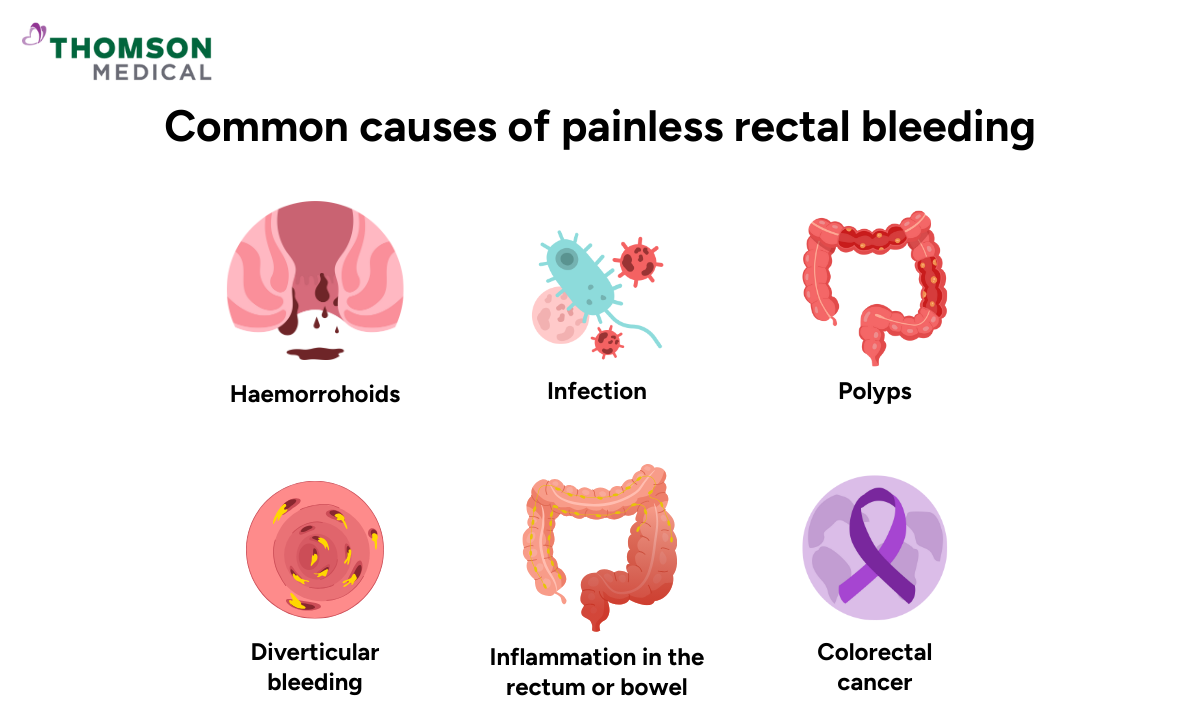
Noticing blood can be deeply unsettling, especially when there is no pain and you are left guessing what it might mean. If you have been experiencing bleeding from your anus, it is understandable to want a clear explanation.
While only a clinician can confirm the cause, the possibilities below are among the more common reasons this can happen.
Haemorrhoids (piles)
Haemorrhoids are swollen blood vessels around the anus or lower rectum.
Internal haemorrhoids, which develop inside the rectum, often cause bright red blood, usually seen on wiping or in the toilet bowl.
External haemorrhoids may be felt as lumps around the anal opening.
Some people have itching or a feeling of fullness, but others have little to no discomfort. Haemorrhoidal bleeding is one of the most common causes of blood in the stool.
Anal fissures
Anal fissures are small tears in the lining of the anus. Whilst these often cause pain, they can sometimes produce bleeding with minimal discomfort, particularly if they've become chronic.
Diverticular bleeding
Diverticula are small pouches that can form in the bowel wall, especially as we get older. They may bleed suddenly and noticeably, and it is often painless. Diverticular disease is more common in people over 50.
Polyps
Colon polyps are growths in the bowel. Many are harmless, but some can change over time. They can cause intermittent bleeding and may not cause pain.
Inflammation in the rectum or bowel
Conditions that inflame the bowel lining, including inflammatory bowel disease (such as ulcerative colitis or Crohn's disease) or proctitis, can lead to bleeding. You might also notice mucus, looser stools, urgency, or a change in bowel habits.
Bleeding from the upper GI tract
Bleeding from further up the digestive system or gastrointestinal tract, including from the stomach (stomach ulcer or peptic ulcers), small intestine, or large intestine, can sometimes present as rectal bleeding, particularly if the bleeding is significant or the transit time through the intestines is relatively quick.
Infection
Some gut infections can irritate the bowel lining and cause bleeding. This is more likely if there is also diarrhoea, fever, or recent exposure to contaminated food or illness, although symptoms can vary.
Gastroenterological bleeding
Bleeding from further up the digestive tract can sometimes present as rectal bleeding, especially if the bleeding is significant or the transit time through the intestines is relatively quick.
Colorectal cancer and bowel cancer
Blood in the stool can be a sign of colorectal cancer or bowel cancer, and it does not always cause pain, particularly in the early stages.
The risk increases with age and if you have a family history of bowel cancer, but new bleeding at any age should be assessed, especially if it persists or occurs alongside other changes.
If you are experiencing painless rectal bleeding, you do not need to figure it out alone. Getting it checked is a sensible step, both to rule out anything serious and to help you feel reassured and supported.

When you should seek urgent care
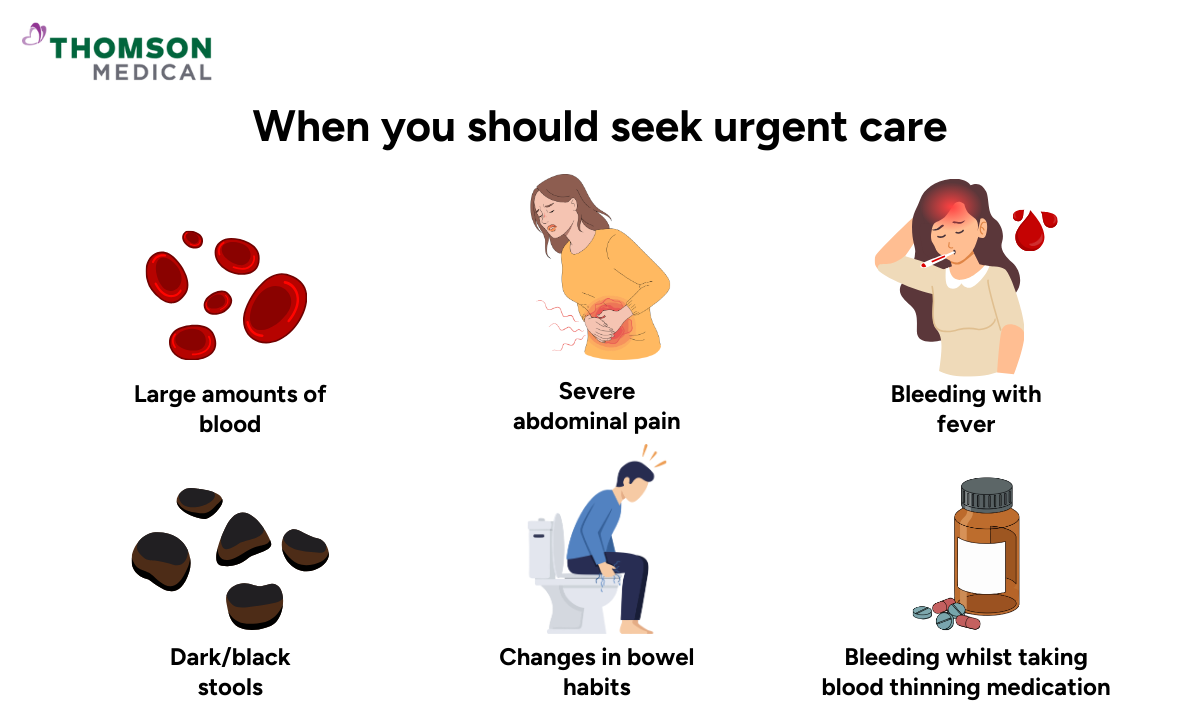
Noticing blood can be deeply unsettling, and you might be wondering whether your symptoms need immediate attention. Your wellbeing is important, and whilst not all rectal bleeding is an emergency, certain situations do require prompt medical care.
Please don't hesitate to visit an Urgent Care Centre (UCC) or emergency department straight away if you experience:
Large amounts of blood:
Bleeding that doesn't stop after a few minutes, or blood loss heavy enough to make you feel dizzy, weak, or faint, might indicate significant blood loss that requires immediate assessment.
Rectal bleeding with severe abdominal pain:
Bleeding accompanied by intense pain, cramping that doesn't ease, or a rigid, tender abdomen could signal a serious condition requiring urgent intervention.
Bleeding with fever, chills, or feeling generally unwell:
When bleeding occurs alongside these symptoms, it might suggest an infection or inflammatory process that needs prompt treatment.
Very dark, tarry, or black stools:
These colours often indicate bleeding from higher in the digestive tract and require immediate evaluation.
Bleeding alongside sudden changes in bowel habits:
When bleeding occurs with unexplained weight loss, persistent fatigue, or noticeable changes in how your bowels function, these combinations of symptoms need thorough investigation.
Any rectal bleeding whilst taking blood-thinning medication:
Even if the bleeding seems minor, these medications can complicate bleeding issues and require prompt medical assessment.
If you're experiencing any of these symptoms, please trust your instincts and seek care. Medical professionals are here to help you, and there's no need to feel embarrassed or worry that you're overreacting. Your health and peace of mind matter, and getting timely care is always the right choice.
Urgent care options in Singapore
If you're looking for urgent care, several hospitals and clinics across Singapore offer walk-in services for non-emergency medical concerns. Most provide consultations without appointments, on-site laboratory and imaging services, and quick assessments for conditions that require prompt attention.
When choosing a UCC, consider proximity to your location and whether they specialise in particular types of care relevant to your needs.
Thomson Medical Centre operates a 24-hour urgent care centre for gastrointestinal concerns. The centre can manage conditions that require assessment but don't necessitate emergency services, such as:
Rectal bleeding that concerns you and requires urgent evaluation
Abdominal symptoms that need prompt medical attention
Conditions that can't wait for your next scheduled appointment but aren't life-threatening
Health concerns outside regular clinic hours when your usual doctor isn't available
If you're unsure whether to visit urgent care, A&E, your GP, or a 24-hour clinic, you can compare urgent care options in Singapore to help you decide which option may be most appropriate for your situation.

What to expect during your visit
When you visit a UCC for rectal bleeding, the healthcare team will approach your care with sensitivity and professionalism while ensuring you receive thorough care.
Here is what to expect during your visit:
Medical history review:
Your doctor will ask about your symptoms, when the bleeding started, how much blood you've seen, your family history of bowel conditions, current medications, and bowel habits.
Physical examination:
A digital rectal examination may be necessary to feel for any abnormalities. While this can feel uncomfortable, it's brief and performed with your dignity and comfort in mind.
Diagnostic tests (if needed):
Blood tests can check for anaemia or infection, a stool sample may be collected to check for hidden blood or infection, and procedures such as sigmoidoscopy or colonoscopy might be recommended to visualise your rectum and colon directly.
Each step of the evaluation is designed to help your doctor understand what's causing your symptoms and determine the best course of care for you.
Taking care of yourself
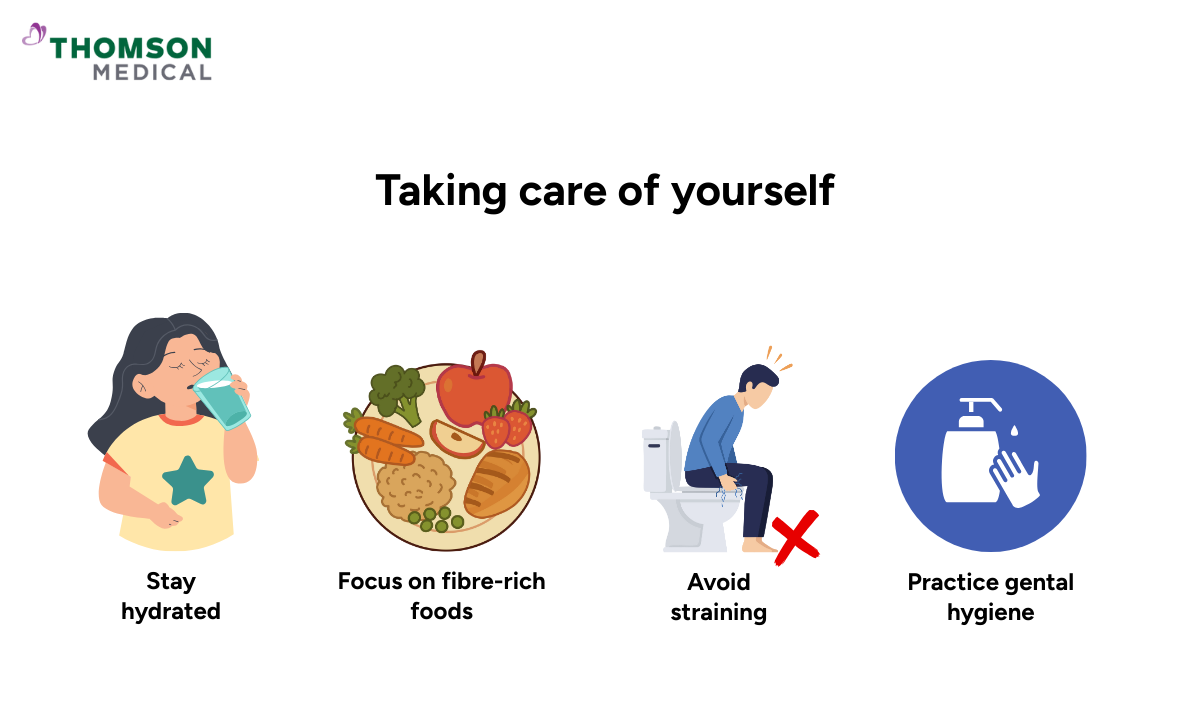
Sometimes, waiting for an appointment or recovering after treatment can feel uncertain, and you might be looking for ways to feel more in control of your situation. There are many gentle, supportive steps you can take to care for your body during this time.
These simple measures can help promote healing and provide comfort while you're on your journey to feeling better:
Stay well hydrated:
Drink plenty of water throughout the day, as adequate hydration helps maintain healthy bowel function and can support your body's natural healing processes.
Focus on fibre-rich foods:
Eat a diet rich in fibre from fruits, vegetables, and whole grains to help keep stools soft and regular, reducing strain during bowel movements. However, if you're experiencing active bleeding, your doctor might provide specific dietary guidance tailored to your situation.
Avoid straining during bowel movements:
If you're experiencing constipation, speak with a healthcare professional about safe ways to improve your bowel regularity. Pushing hard and trying to force it can potentially worsen your rectal bleeding.
Practice gentle hygiene:
Clean the area carefully with soft, unscented wipes or plain water after bowel movements, and pat dry gently rather than rubbing to avoid further irritation.
Remember, these self-care measures are here to support you, but they don't replace professional medical advice. Be patient and kind to yourself as your body heals, and don't hesitate to reach out to your healthcare provider if you have any questions or concerns along the way.
Our urgent care specialist
Loading...
FAQ
Is painless rectal bleeding always serious?
Not always. Painless rectal bleeding can range from minor issues like haemorrhoids to conditions that need more attention.
The absence of pain doesn't tell us how serious it is, which is why a medical evaluation is so important. Many causes are very treatable, especially when addressed early.
Should I worry about a haemorrhoid if it doesn't hurt?
Internal haemorrhoids often cause bleeding without pain because the tissue inside the rectum has fewer pain-sensing nerves, so this is quite common.
However, it's important not to assume that painless bleeding is definitely from a haemorrhoid without proper evaluation, as other conditions can also cause similar symptoms.
A medical assessment can confirm the cause and provide you with appropriate guidance, giving you peace of mind and helping you feel more comfortable moving forward.
Should I feel embarrassed about seeking help for rectal bleeding?
Please don't feel embarrassed. Healthcare professionals see patients with rectal bleeding regularly, and they understand this is a sensitive concern. Your doctor is there to help you, not to judge you.
Seeking care for rectal bleeding is a responsible step, and medical teams are trained to handle these situations with compassion and professionalism while respecting your dignity.
Can rectal bleeding stop on its own, or do I always need treatment?
Whilst some minor bleeding might stop without intervention, it's important to understand why it happened in the first place. Even if bleeding stops, the underlying cause may still need attention. Getting a proper diagnosis helps ensure you receive appropriate care and can prevent potential complications, giving you peace of mind about your health.
I'm pregnant and noticed rectal bleeding. Is this normal?
Rectal bleeding during pregnancy can occur due to haemorrhoids or constipation, which are common during pregnancy due to hormonal changes and pressure from your growing baby.
However, any bleeding during pregnancy should be evaluated by a healthcare professional to ensure both you and your baby are well. Please don't hesitate to contact your doctor or visit an urgent care centre for reassurance and proper assessment.
Will the examination be uncomfortable or painful?
We understand that the thought of an examination can feel daunting. While a rectal examination might feel uncomfortable, it's usually brief and shouldn't be painful.
Your doctor will explain what they're doing and work to make you as comfortable as possible. Remember, this examination provides valuable information that helps your doctor care for you effectively.
The information is intended for general guidance only and should not be considered medical advice. For personalised recommendations and advice based on your unique situation, please consult a specialist at Thomson Medical. Request an appointment with Thomson Medical today.
For more information, contact us:
Thomson Medical 24-Hour Urgent Care Centre (Novena)
- Call: 6350 8812
Notice:
The range of services, vaccinations, and tests may vary. Please contact us directly to enquire about the current availability.
Request an Appointment