

A few days after your laparoscopic surgery, you may find yourself asking why your stomach feels so tight and swollen. Is this bloating just part of the recovery process, or is it a sign that something has gone wrong? Let's take a look at what causes a bloated stomach after laparoscopic surgery, how long it tends to last, and what you can do to ease it.
Is a bloated stomach after laparoscopic surgery normal?
Laparoscopic surgery is a minimally invasive procedure that allows your surgeon to assess your internal organs and complete the operation through small incisions. They insert a thin tube equipped with a camera (the laparoscope) and specialised surgical tools through these incisions. During the procedure, your doctor also pumps carbon dioxide into the abdominal cavity to create space for a clearer visual of your organs.
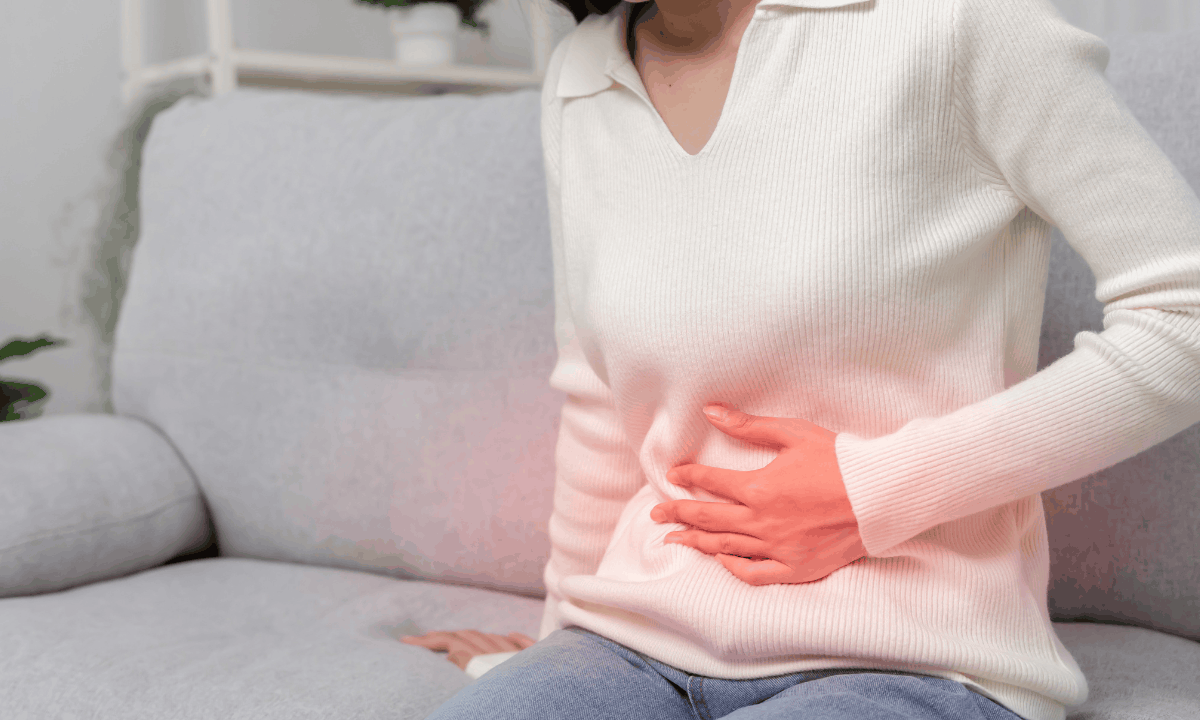
After a laparoscopic surgery, it is normal to experience a bloated stomach. This happens because a small amount of carbon dioxide may remain in the abdominal cavity after the procedure and is gradually absorbed by the body through time. This trapped gas can make your stomach feel tight, swollen, and uncomfortable.
What causes it?
Besides carbon dioxide, there are other reasons why you may experience a bloated stomach after laparoscopic surgery:
Anaesthesia: a medication used during surgery to keep you unconscious and reduce bodily movement. However, it can also slow down your bowels, making it harder to pass gas and stool afterwards.
The procedure itself: this can lead to a small amount of tissue damage, causing your body to respond by sending extra fluid and immune cells to the affected area for healing, leading to swelling and bloating.
Intravenous (IV) fluids given during surgery: may sometimes cause temporary fluid retention, which could also make your stomach feel bloated.
How long does the bloating last?
Bloating after laparoscopic surgery usually peaks around 48 hours after the procedure. Most of the carbon dioxide gas is absorbed by your body within a few days, and any remaining trapped gas usually settles within 3 to 4 days.
You may notice a gradual improvement over the following 1 to 2 weeks. However, for some people, mild bloating can last for about a month or even slightly longer before it fully goes away.
Our keyhole surgeon in Singapore
Loading...
What helps to relieve bloating after laparoscopic surgery?
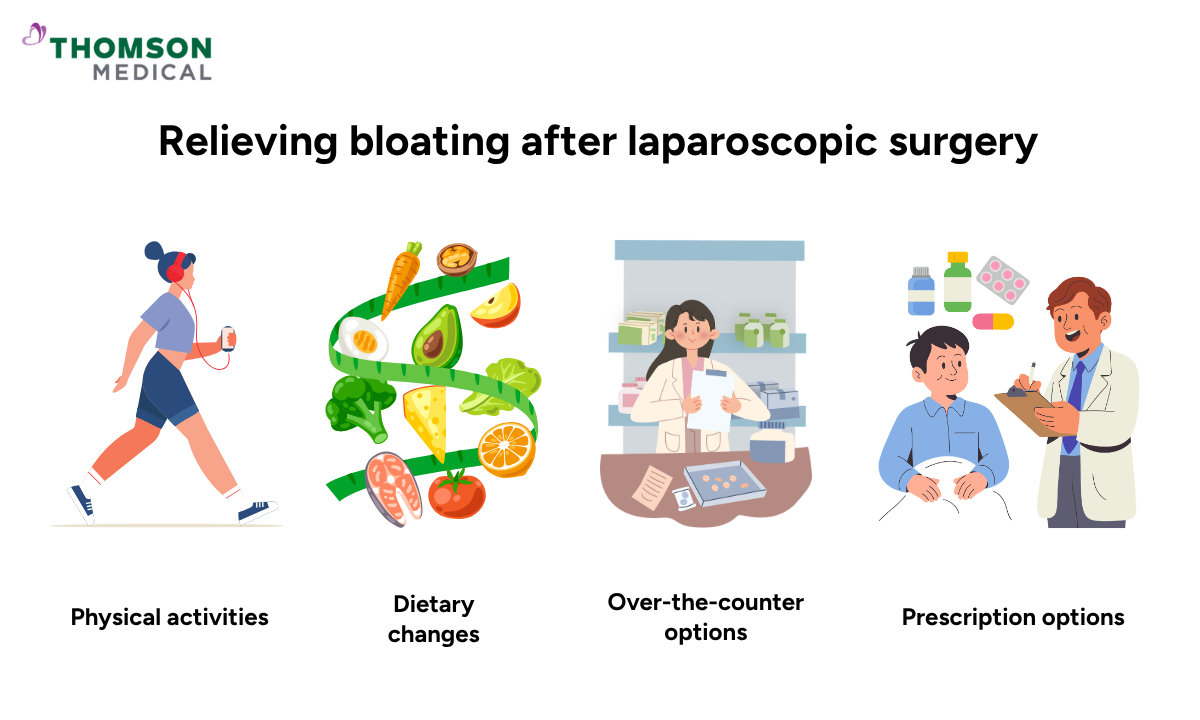
To ease bloating, relief usually comes from a mix of physical activities, small changes to your diet, and, if needed, medication. Here are some approaches that may help:
Physical activities
Physical activities can help relieve bloating after laparoscopic surgery by encouraging your bowels to start moving, which pushes out any gas left in your abdomen. To help you relieve your bloated stomach, you can consider these light activities:
Frequent and short walks: they help stimulate bowel movement, improve blood flow, and reduce trapped gas.
Gentle bed stretches: pelvic tilts or bending your knees while lying in bed can help shift trapped gas without putting strain on the surgical site. Only do these stretches after your surgeon has confirmed that they are safe for you.
Paying attention to your posture: sitting upright or lying on your side with bent knees can help the gas move; avoid lying completely flat, as this can make your pain worse.
Dietary changes
Dietary changes may also help relieve your bloated stomach. Here are some recommendations that may help you:
Herbal teas: such as peppermint, ginger, and chamomile teas, may help ease bloating and discomfort.
Warm and clear liquids: like clear broths, as these can keep you hydrated and are easier on your stomach.
Soft and easy-to-digest foods: as they provide necessary nutrients without forcing your stomach to work too hard. For the first few days, you can eat simple foods like plain rice, oats, boiled chicken, apple sauce, and well-cooked vegetables.
Fibre: as it can help relieve bloating without causing extra gas. Once you can tolerate soft foods, you can slowly eat fibre-rich foods like bananas and melons.
Over-the-counter options
To help manage a bloated stomach after laparoscopic surgery, there are also some over-the-counter drug options that can help break up gas bubbles in the stomach and intestines, making it easier to pass gas naturally.
Other options your doctor may recommend that you can use, such as:
Stool softeners: make stools easier to pass and ease the pressure, adding to the bloating.
Mild laxatives: which can help if constipation is making the bloating worse.
While these over-the-counter options may help, you need to check with your doctor before starting any new medication, especially since you are recovering from surgery.
Prescription options
In most cases, over-the-counter remedies are suitable to treat bloating. If these are ineffective, your doctor may consider prescribing:
Stronger stool softeners or laxatives.
Non-opioid pain relief, which manages pain without the bowel-slowing effect from opioid pain medication.
When to see your doctor
While some degree of stomach bloating is normal after laparoscopic surgery, certain symptoms may suggest a more serious problem. Visit a doctor if you have a bloated stomach that is accompanied by these symptoms:
Severe or worsening pain
Fever and chills
Persistent nausea and vomiting
Persistent constipation
Persistent diarrhoea
Abnormal stool colour (bright red, dark black, pale, or clay-coloured)
Difficulty urinating, dark urine, or blood in the urine
Changes in wound appearance (unusually red, increasingly painful, swollen, or starting to ooze pus)
If your bloated stomach is not improving and seems to be getting worse, you may consider consulting a doctor to have your condition reviewed. Schedule an appointment at Thomson Medical today.
FAQ
Why does a bloated stomach after laparoscopic surgery settle and then come back?
A bloated stomach can settle and then come back because recovery happens in stages. Your body will usually absorb the carbon dioxide gas from the surgery within a few days, but your digestive system may still be sluggish and sensitive after that.
As you start eating more solid foods and moving around, your gut may have to adjust again, which can lead to another wave of gas and bloating.
Why is my stomach still bloated after a month or more?
If your stomach is still bloated more than a month after laparoscopic surgery, it is usually because your body is still going through the internal healing process. While your skin incisions may heal fairly quickly, the tissues inside your abdomen take longer to recover.
As a part of healing, your body may also form scar tissue inside, which can sometimes make it harder to pass gas normally. In addition, your digestive system may still be sensitive, so heavier or more normal foods may trigger new bloating as your stomach continues to settle.
Which foods should I avoid if I have a bloated stomach after laparoscopic surgery?
It’s best to avoid these foods if you have a bloated stomach after the surgery:
- Vegetables that produce excess gas in the digestive tract, such as broccoli, cabbage, and cauliflower.
- Fatty, fried, or highly processed foods, because they are difficult to digest in a recovering stomach.
- Carbonated drinks, because they add air directly into the stomach, which can worsen your bloated stomach.
- Spicy foods, because they can irritate your digestive tract and make discomfort feel worse.
Why does the bloated stomach feel worse when you sit down?
After laparoscopic surgery, a bloated stomach can feel worse when you sit down because sitting compresses your abdomen, making the tight, full sensation more noticeable.
The information provided is intended for general guidance only and should not be considered medical advice. For personalised advice based on your unique conditions,schedule an appointmentwith Thomson Medical.
For more information, contact us:
Thomson Medical Concierge
- 8.30am - 5.30pm
- WhatsApp: 9147 2051
Need help finding the right specialist or booking for a group?
Our Medical Concierge is here to help you. Simply fill in our form, and we'll check and connect you with the right specialist promptly.
Notice:
The range of services may vary between Thomson clinic locations. Please contact your preferred branch directly to enquire about the current availability.
Get In TouchDr Melvin Look Chee Meng
Surgery
English, Mandarin, Bahasa Indonesia
AIA, Great Eastern, Prudential x TMC, Income and 2 others
