

CA 125 is a protein that can be raised when there’s inflammation or irritation in the abdomen. Cancer is one cause of that, but so are endometriosis, fibroids, pelvic infection, and even menstruation, which is why the test is used alongside imaging and other findings rather than on its own.
That’s the part worth holding onto if you’re looking at a raised result. On its own, it can’t diagnose or rule out cancer. Here’s what the CA 125 test measures, what a high result may or may not indicate, and what usually happens next.
What is a CA 125 blood test?
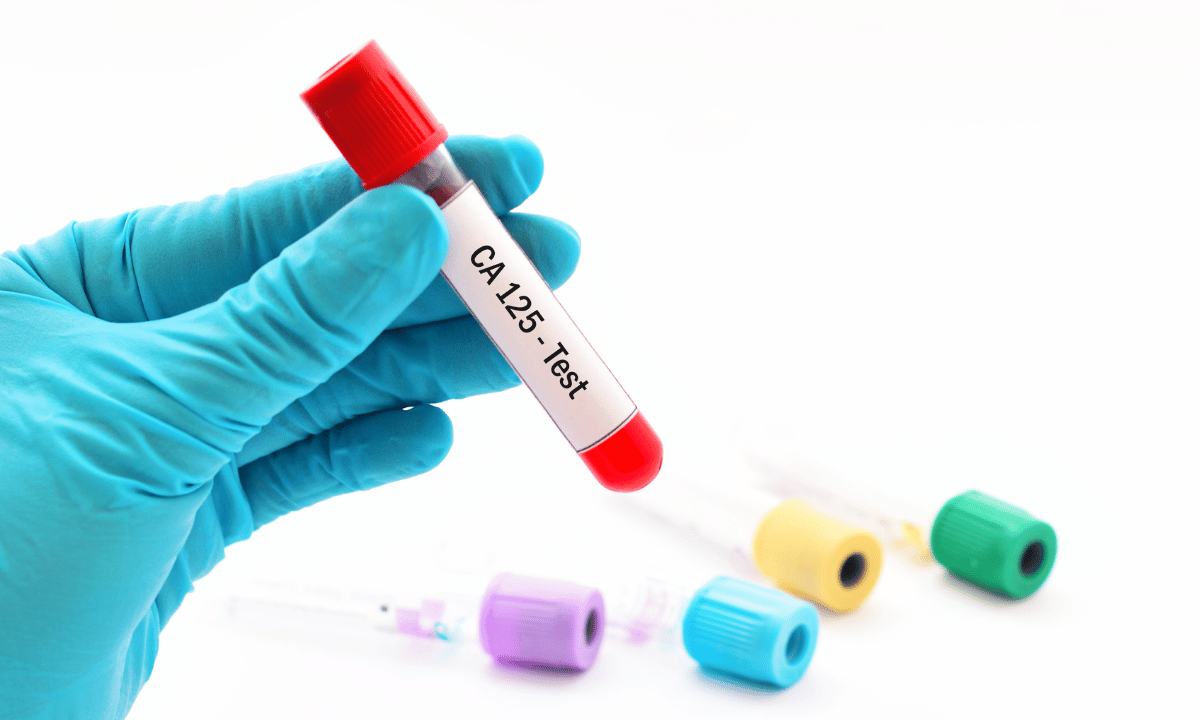
A CA 125 (cancer antigen 125 or carcinoma antigen 125) blood test measures the amount of cancer antigen 125, a specific protein found in the blood. Doctors may use this support for staging and follow-up after the diagnosis of endometrial cancer.
The CA 125 test is a standard blood test that could be done in a clinic, hospital, or laboratory. During the test, your doctor will clean a small area of skin on your arm with an antiseptic. They will then wrap a tight band around your upper arm to help them find your veins.
After that, your doctor will insert a small needle into your vein to collect a blood sample. Then they remove the band and needle and put on a bandage and send the sample to a laboratory for analysis.
What is endometrial cancer?
Endometrial cancer is a type of cancer that forms in the endometrium (inner lining of the uterus) and ranks as one of the most common types of uterine cancer. While the exact cause remains unknown, this uterine cancer is linked to having high levels of oestrogen without enough progesterone to balance it out.
There are several common signs of endometrial cancer, such as:
Unusual bleeding, such as spots during menopause or between periods
Abnormal vaginal bleeding (excessively long, heavy, or frequent) after the age of 40
Lower abdominal pain or ongoing pelvic pain
Although endometrial cancer could affect anyone, some factors are associated with a higher risk, including:
Obesity
Diabetes
Never having been pregnant
Taking tamoxifen (a breast cancer drug, which may slightly increase the risk of endometrial cancer over time)
Can CA 125 detect endometrial cancer?
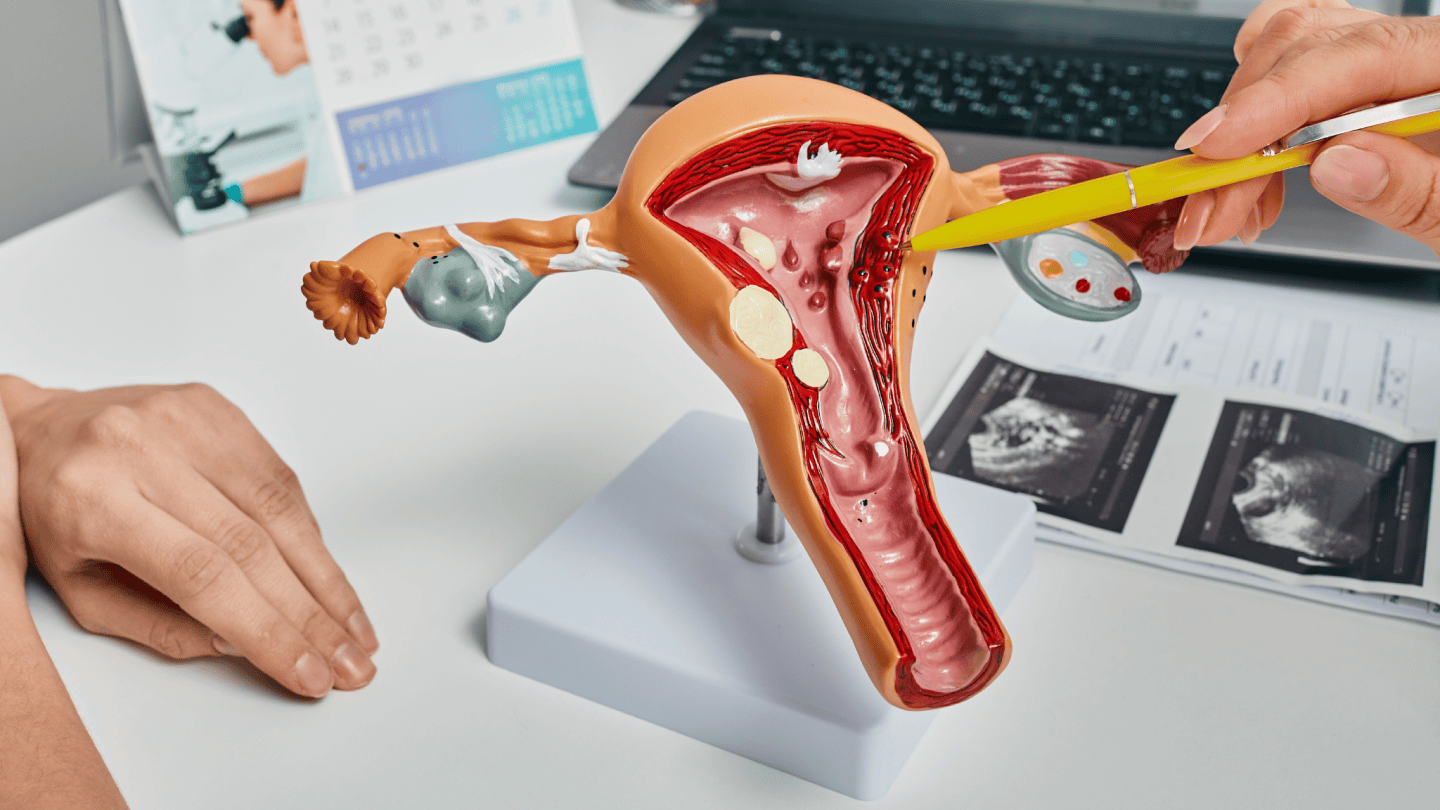
A CA 125 blood test could provide valuable information about endometrial cancer, but it cannot definitively diagnose the disease. Because endometrial tumour tissues contain the CA 125 protein, they may release this antigen into the bloodstream, where the test could measure it. However, doctors mainly use this test to monitor the cancer after a diagnosis has already been made, rather than as a primary way to screen for it.
If you are concerned about symptoms or risk factors that could indicate endometrial cancer, consulting a gynaecological oncologist may be worth considering. Schedule an appointment with Thomson Women's Clinic & Cancer Surgery to discuss your concerns and determine the next steps.
Our women's cancer specialists
Loading...
What do the results of a CA 125 blood test mean?
The results of this test may tell you how much of the protein cancer antigen 125 is in your blood. The normal range is usually between 0 and 35 units per millilitre (U/mL). But having a normal level doesn't automatically mean you're in the clear, because even if you have cancer, the level could be seemingly normal.
Your doctor will always interpret this result alongside your symptoms, medical history, and other test results.
What does a high-level CA 125 mean?
Doctors usually consider any CA 125 result above 35 U/mL to be high. In endometrial cancer, the level is more likely to be elevated when the tumour invades deeply into the uterine muscle or spreads beyond the uterus (womb). However, it is not a perfect indicator and could be normal or only mildly raised even when cancer is present.
What happens if your CA 125 levels are high?
If you receive a high CA 125 result before an endometrial cancer diagnosis, your doctor will not definitively conclude that you have cancer. Instead, they will investigate further using these steps:
Imaging tests:
Your doctor will likely order a transvaginal ultrasound or a pelvic MRI to visually check the womb, ovaries, and fallopian tubes for any abnormal growths, thick uterine lining, cysts, or fibroids.
Endometrial biopsy:
If your ultrasound result shows a suspiciously thickened endometrial lining or a mass, your doctor will perform an endometrial biopsy to definitively diagnose endometrial cancer.
How is the CA 125 used after an endometrial cancer diagnosis?
After your doctor has confirmed the diagnosis, they will usually do a staging procedure, which involves imaging scans and blood tests. The staging results will then determine what the next steps are.
These may include surgery to remove the womb (hysterectomy) or other treatments such as chemotherapy, depending on how far the cancer has spread.
After this treatment, you will need to have regular check-ups to see if the cancer has returned. The CA 125 test has a different role at each of these stages:
Before surgery
Before you undergo surgery, such as a hysterectomy, your doctor may order a CA 125 test. If the level is elevated, it raises the possibility that the cancer has reached the lymph nodes or abdominal cavity, which helps your doctor decide how extensive the procedure needs to be.
After surgery
After you have your hysterectomy, your doctors may check CA 125 levels again over time, especially if it was elevated at diagnosis. If they are lower, this shows that the surgery may have removed the cause of the high protein levels.
Monitoring for recurrence
When monitoring patients over a long period of time, CA 125 may be useful for monitoring recurrence, particularly when it was elevated before treatment.
If your CA 125 level rises again after treatment, which could indicate a possible recurrence, your doctor may perform a positron emission tomography, or PET scan, to supplement your CA 125 test results.
Differences between CA 125 and other tests
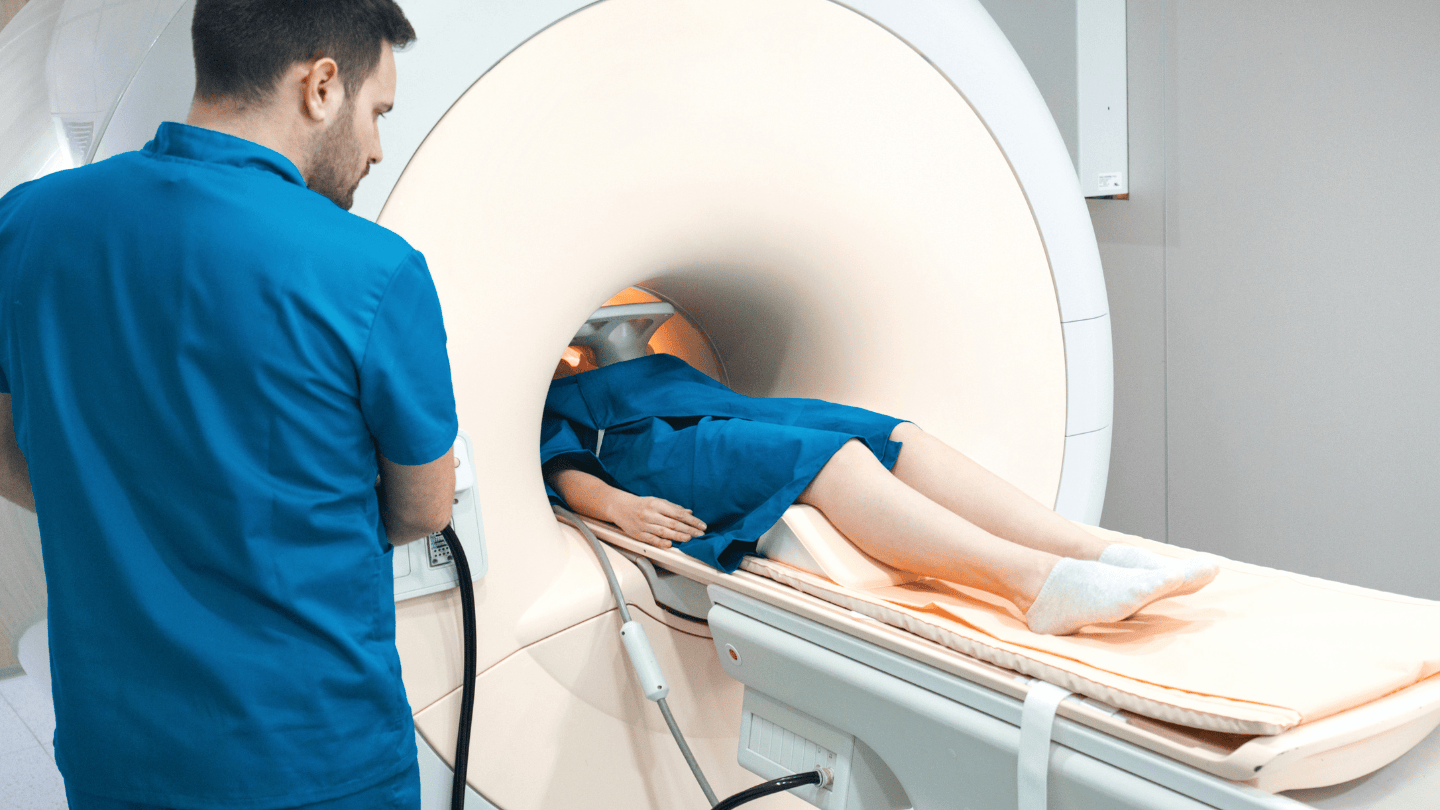
The CA 125 blood test is just one of several tools used in the diagnosis and management of endometrial cancer. When compared to other methods, each has distinct differences.
Imaging exams
Imaging exams such as transvaginal ultrasounds, CT scans, and magnetic resonance imaging (MRI) scans may provide information to the doctor about how the pelvic organs look.
Doctors use imaging exams to find tumours, check how thick the lining of the womb is, and see if the cancer has spread to the muscle of the womb or nearby organs. Meanwhile, CA 125 cannot show the tumour size and location. Instead, it provides a biochemical picture of the cancer's activity.
However, these methods could complement each other. For example, if imaging shows a mass but could not determine whether the endometrial cancer has spread outside the womb, an elevated CA 125 level helps your doctor to plan the most appropriate treatment approach.
Biopsy
An endometrial biopsy is a medical procedure where a doctor inserts a catheter (thin, flexible tube) through the cervix to remove a small tissue sample from the lining of the womb. This sample is then examined under a microscope to definitively check for cancerous or precancerous cells.
The main difference between an endometrial biopsy and a CA 125 test is their ability to diagnose the cancerous cells. An endometrial biopsy uses a physical tissue sample to definitively diagnose whether cancer is present in the lining of the womb. Meanwhile, the CA 125 blood tests only detect a specific protein level in the bloodstream, so they may not diagnose the cancer.
Human Epididymis Protein 4 (HE4)
New biomarkers (markers of disease) and algorithms have been developed to improve upon the limitations of CA 125, such as Human Epididymis Protein 4 (HE4). It is another blood biomarker that is often found to be higher in cases of gynaecologic cancers.
In contrast to the CA 125 blood test, the HE4 test tends to be more specific for certain gynaecological cancers and is less often elevated by benign gynaecological conditions compared with CA 125.
If you are unsure which test is right for you, schedule an appointment with Thomson Women's Clinic & Cancer Surgery.Our gynaecological oncologist could help provide an overview of your condition and provide recommendations on the appropriate tests.
FAQ
Will I need to do anything to prepare for the test?
No, you typically do not need to do anything to prepare for a CA 125 test. You do not need to fast or restrict your diet. However, there are a few minor considerations to keep in mind:
- If you're on your period, your doctor may suggest waiting a few days, since menstruation can temporarily raise CA 125 levels.
- Inform your doctor about any medications or supplements you are taking, as your overall health, hormone therapy, or recent procedures can affect how they interpret your CA 125 result.
- Inform your doctor about any recent illnesses or infections because they can cause internal inflammation that temporarily spikes your protein levels, and your doctor needs this context to avoid mistakenly diagnosing the high result as a sign of cancer.
Are there risks to a CA 125 blood test?
The test itself has minimal physical risks. However, as with any procedure involving a needle, minor side effects can occur, including:
- Feeling lightheaded or fainting
- Minor throbbing, stinging, or bruising at the puncture site
- Excessive bleeding
- Haematoma (blood accumulating under the skin)
- Slight risk of infection
How common are false results?
False results, such as false positives, are common because the CA 125 protein is also produced by normal tissues, everyday bodily functions like the menstrual cycle, or non-cancerous inflammation. That’s why this test is not recommended as a primary way to screen for endometrial cancer.
How to reduce the CA 125 level?
A high CA 125 level is a symptom of a disease. Therefore, the way to reduce it is to treat your medical condition that's causing your high CA 125 level. If the cause of your elevated levels is cancer, treatments like surgery or chemotherapy might be able to reduce the CA 125 numbers, as they destroy the cancer cells. Sometimes, if the levels are high because of your periods or an operation, they will go down by themselves over a few weeks.
Can stress cause CA 125 to rise?
There is currently no strong, direct medical evidence proving that psychological stress alone causes a significant rise in CA 125 levels. The level usually increases when there is direct physical inflammation or irritation of the tissues in your abdomen, reproductive organs, or chest.
The information provided is intended for general guidance only and should not be considered medical advice. For personalised advice based on your unique conditions, schedule an appointment with Thomson Medical today.
For more information, contact us:
Learn More About Our Health Screening Offerings
Notice:
The range of services and tests may vary. Please contact us directly to enquire about the current availability.
Book Your Health Screening