

Noticing changes in your body, especially unexpected weight gain, can feel worrying and confusing. It is natural to wonder whether something like an ovarian cyst could be affecting your health.
The good news is that most ovarian cysts are harmless and often disappear on their own. Understanding how ovarian cysts work, why weight changes may occur, and when symptoms may point to another condition can help you feel more informed and supported.
What is an ovarian cyst?
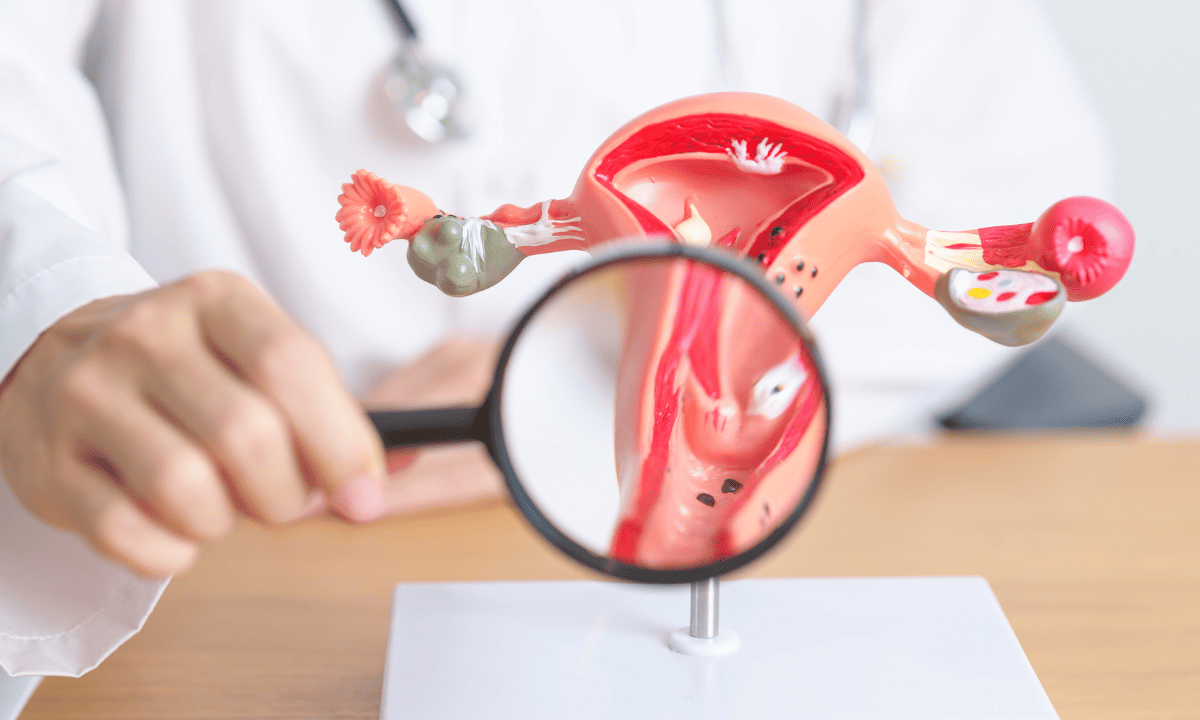
An ovarian cyst is a fluid-filled sac that forms on or inside an ovary. Your ovaries respond to hormonal changes each month as part of the menstrual cycle, which is why cysts can sometimes form naturally.
The most common type of ovarian cysts are functional cysts, which are usually temporary. These cysts form in response to monthly hormonal changes and often resolve on their own without treatment.
Follicular cysts occur when an egg is not released during ovulation.
Corpus luteum cysts form after ovulation.
Other cysts are known as complex cysts. These do not develop as part of the normal menstrual cycle and may contain solid tissue, blood, or other material. They are less common and may need closer monitoring.
Dermoid cysts may contain tissue such as fat, hair, or skin.
Chocolate cysts (endometriomas) are linked to endometriosis and are filled with old blood.
Many women do not experience any symptoms at all, and a cyst is often found by chance during a pelvic ultrasound or imaging procedure done for another reason. The good news is that ovarian cysts are very common, and most are not linked to ovarian cancer.
Can an ovarian cyst cause weight gain?
In most cases, a simple ovarian cyst does not cause true weight gain. However, some women may notice bloating or a feeling of abdominal fullness, which can make clothes feel tighter or the abdomen appear larger.
Here’s how an ovarian cyst may cause weight gain:
Bloating and fluid retention:
As fluid or blood collects within your cyst, it can stretch the tissue around it.
This swelling can mimic weight gain, making you feel heavier even if your actual weight hasn't changed.
Large cysts:
In rare cases, a cyst can grow large enough to cause visible distension in the abdomen.
However, if you experience persistent weight gain which is not resolved by healthy eating and regular exercise, it may indicate a different hormonal condition known as polycystic ovary syndrome (PCOS).
The link between PCOS and weight
If you are experiencing weight gain alongside irregular periods, this may be linked to PCOS. PCOS is a condition associated with hormonal imbalances that affect how the ovaries function.
PCOS may involve:
Hormonal imbalances:
Your body may produce higher levels of certain hormones, which can interfere with regular ovulation
Changes in the ovaries associated with PCOS:
Your ovaries may appear slightly enlarged on an ultrasound
Multiple small follicles may be seen, which is a common finding in PCOS
Insulin resistance:
Your body may find it harder to use sugar effectively for energy, making weight gain easier.
May also make weight loss more challenging despite healthy lifestyle efforts
If these symptoms feel familiar, it is important to know that PCOS is a common and manageable condition. A doctor can assess your symptoms, check your hormone levels, and recommend a personalised plan to help you manage your weight and answer your health concerns.
Our gynaecologists
Loading...
Other reasons for unexpected or unusual weight gain
While it is understandable to worry about ovarian cysts, several other factors can also influence your body weight.
Hormonal transitions:
Life stages such as pregnancy or menopause bring natural shifts in hormones that can alter your metabolism and how your body stores fat.
Ageing:
As you get older, your metabolism naturally slows, which may change how your body uses and stores energy over time.
Lifestyle factors:
Ongoing stress, poor-quality sleep, or recent changes such as quitting smoking can all influence your weight.
Sometimes, weight gain is not just about diet or exercise. Certain medical conditions can change how your body works, making weight gain happen even when you have not changed your daily habits.
PCOS:
If you have PCOS, hormone changes may make your body gain weight more easily and make weight loss feel harder.
Underactive thyroid (hypothyroidism):
When your thyroid is underactive, your metabolism may slow down.
This can leave you feeling tired and cause gradual weight gain.
Cushing syndrome:
This condition causes your body to produce too much cortisol, a hormone linked to stress.
Too much cortisol can lead to weight gain, especially around the tummy or face.
Acromegaly:
A rare condition where excess growth hormone can slowly change your body size and weight over time.
Fluid retention (oedema):
Extra fluid in your body can cause sudden swelling or rapid weight changes.
Medications:
Certain medicines, such as antidepressants or contraceptive pills, can affect your weight as a side effect.
If any of these situations sound familiar, a doctor can help identify what may be affecting your weight and work with you to find the right support for your health. You may schedule an appointment with Thomson Medical for further evaluation and discussion.
Managing weight and supporting your body
Because weight gain can have different causes, managing it starts with understanding what is happening in your body. Your doctor may carry out a physical examination, calculate your body mass index (BMI), and arrange blood tests to check your hormone levels.
Once the underlying cause is identified, your doctor can work with you to create a personalised plan that supports your health and long-term wellbeing.
Your doctor may recommend a few practical steps to help you manage and maintain weight loss in a sustainable way:
Set realistic goals and focus on small, sustainable changes rather than quick fixes
Use food tracking apps or a food diary to understand your eating habits
Be mindful of portions to support weight control without strict restrictions
Choose healthier snacks that keep you satisfied between meals
Be physically active for at least 150 minutes a week
With the right guidance and a plan tailored to your individual needs, weight management can feel more manageable and less overwhelming. Your doctor can support you in taking steady, informed steps towards better health and long-term wellbeing.
When to see a doctor

It is normal to feel unsure about what is happening with your body. However, you should contact a doctor right away if you notice any of the following persistent symptoms for more than two weeks:
Abdominal or pelvic pain that is severe or steadily getting worse
A sense of bloating or heavy pressure in your abdomen
Loss of appetite
Change in urinary or bowel habits
Additionally, if you have a family history of PCOS, endometriosis, or ovarian cancer, you should see a doctor for a proper evaluation.
Seeking medical advice early can help identify the cause of your symptoms and support appropriate care. You may consider scheduling an appointment with a doctor at Thomson Medical for further evaluation.
FAQ
Do ovarian cysts always require surgery?
No, not all ovarian cysts require surgery. Most ovarian cysts are functional cysts that resolve naturally within one or two menstrual cycles. In many cases, your doctor may recommend watchful waiting, which involves a follow-up ultrasound after a few weeks to check that the cyst is shrinking or disappearing.
When is surgery necessary?
Surgery is uncommon and usually only considered if a cyst is large, causes persistent pain, or appears complex on imaging. When surgery is needed, doctors often recommend laparoscopic surgery, which uses small incisions, causes less discomfort, and allows for a quicker recovery.
Can ovarian cysts come back after removal?
Yes, ovarian cysts can recur even after surgical removal, as new cysts may form on the same or the other ovary. This is more likely if there is an underlying hormonal imbalance or conditions such as endometriosis. Recurrence rates vary depending on the type of cyst.
How can I monitor my weight and health if I have ovarian cysts?
Regular follow-up with your doctor, including pelvic ultrasound scans, helps monitor how the cyst is changing over time. Keeping a simple record of weight changes can also help you notice patterns. Maintaining a healthy lifestyle, including a balanced diet and regular physical activity, supports overall health and may help manage weight and stress.
Will I lose weight when they remove an ovarian cyst?
If a cyst is large or causes bloating, removal may reduce abdominal distension and help you feel lighter. However, this change is usually due to reduced swelling rather than true fat loss.
How do you know if your cysts are related to PCOS?
You might suspect your cysts are related to PCOS if they appear alongside hormonal symptoms like:
Irregular periods
Excess hair
Acne
Weight gain
PCOS is usually confirmed through a combination of ultrasound findings showing multiple small follicles and blood tests that reveal hormonal imbalances.
The information provided is intended for general guidance only and should not be considered medical advice. For personalised recommendations and tailored advice based on your unique situations, please consult a specialist at Thomson Medical. Request an appointment with Thomson Medical today.
For more information, contact us:
Thomson Specialists (Women's Health)
Thomson Women's Clinic (TWC)
- Novena:
6592 6686 (Call), 8611 8986 (WA) - Bukit Batok:
6569 0668 (Call), 8686 3525 (WA) - Choa Chu Kang:
6893 1227 (Call), 8282 1796 (WA) - Jurong:
6262 8588 (Call), 6262 8588 (WA) - Katong (female doctor):
6970 2272 (Call), 8611 9020 (WA) - Punggol:
6243 6843 (Call), 8811 0328 (WA) - Sembawang: 6753 5228
- Sengkang: 6388 8125
- Serangoon (female doctor): 6382 3313
- Tampines: 6857 6266
- Tiong Bahru: 6276 1525
Notice
The range of services may vary between TWC/TS locations. Please contact your preferred branch directly to enquire about the current availability.
Request an Appointment