

Dealing with a constantly blocked nose can be frustrating. If you have been told you have nasal polyps, it is completely natural to feel a bit worried. You might notice your sense of smell fading, struggle to taste your favourite foods, or feel a constant, heavy pressure in your face.
You might be wondering whether natural remedies can help ease things at home. While they cannot cure nasal polyps on their own, certain home approaches may help you manage day-to-day symptoms more comfortably alongside your medical care. By learning about your options, you can take a more active role in your own care
What are nasal polyps?
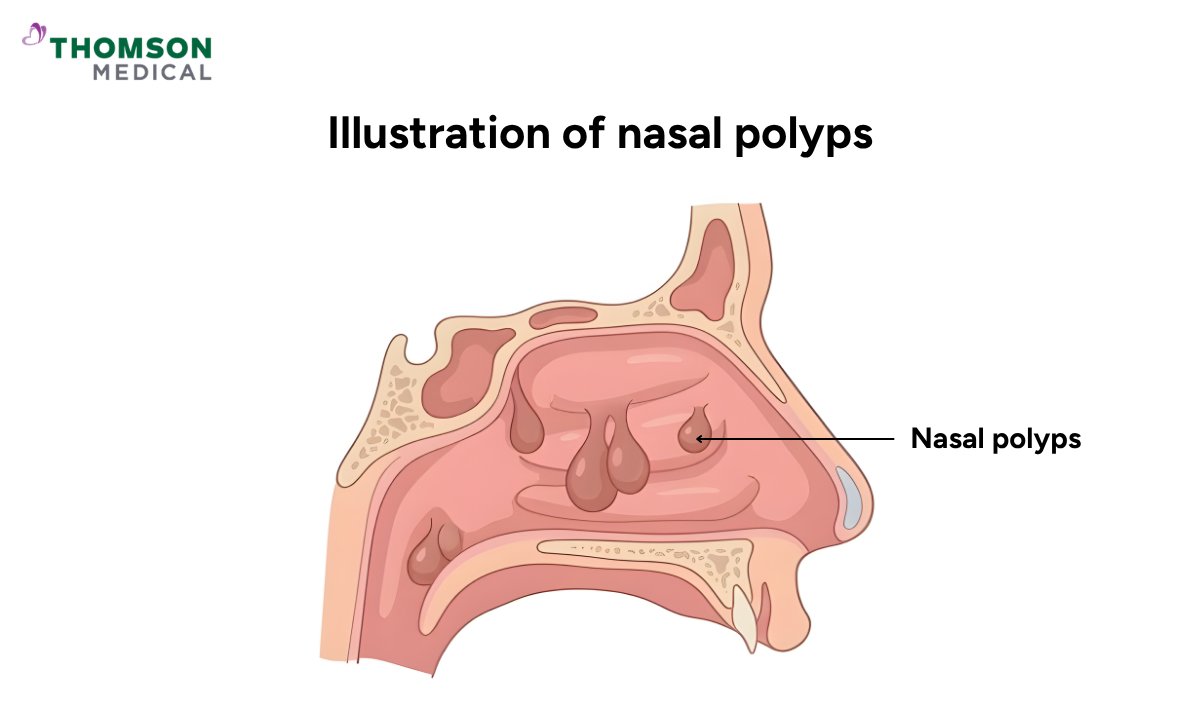
Nasal polyps are non-cancerous growths that develop in the lining of your nose and sinuses. They are usually caused by chronic inflammation resulting from conditions like allergies, asthma, or an ongoing infection. While they are not harmful or life-threatening, they can make your daily routine very uncomfortable.
When you have these small growths in your airways, you might experience symptoms such as:
Nasal congestion
A reduced ability to smell and taste
Facial pain or a feeling of heavy congestion
Frequent headaches
Postnasal drip, when mucus from your sinuses drips down the back of your throat
If you notice these signs lingering for more than a few weeks, it is a good idea to speak with a healthcare professional to get a clear diagnosis.
If left untreated, these polyps may lead to a chronic sinus infection. Because they block your airways, they can also increase your risk of severe asthma attacks and cause sleep disorders.
How to treat polyps in nose
When it comes to treating nasal polyps, your doctor will usually suggest a combination of medications and surgical intervention. The main goal is to reduce the size of the polyps or remove them completely so you can breathe freely again.
Medications
Medications are often the first step to reduce the chronic inflammation in your nose.
Your doctor may recommend:
Nasal sprays, specifically steroid sprays, to directly target the swelling in your nasal passages
Oral medications such as oral steroids for more severe inflammation
Biologic medications such as dupilumab, which are monoclonal antibodies designed to reduce the inflammation safely
Always consult your doctor before taking non-steroidal anti-inflammatory drugs (NSAIDs) like aspirin or ibuprofen. A small percentage of people with nasal polyps have aspirin-exacerbated respiratory disease (AERD), meaning these common painkillers can trigger severe asthma attacks and sudden polyp growth.
Finding the right medication can take a little time, but it is often effective for many patients at providing the relief you need to feel comfortable again.
Surgery
If medications do not provide enough relief, your doctor might discuss surgical intervention.
Common surgical options include:
Polypectomy:
A direct procedure to remove the nasal polyps from your airways.
Often suitable for smaller, isolated polyps
Balloon sinuplasty:
May be recommended if your main issue is blocked sinus passages without extensive tissue growth
Your doctor inflates a small balloon in your sinus openings to widen the passages and improve drainage.
This can help relieve the pressure and symptoms caused by nasal polyps.
Functional endoscopic sinus surgery (FESS):
Your doctor uses specialised endoscopic instruments to remove the polyps, damaged tissues, or anything causing an obstruction in your nasal cavity.
Applied for more severe or recurrent cases
Most people usually only need one procedure. Your doctor will recommend surgery based on how severe your symptoms are and how well medications have worked.

Our ENT specialist
Loading...
Can natural remedies treat nasal polyps?
You might be wondering if you can treat your condition without medical intervention. Natural remedies cannot treat nasal polyps directly, but they are known to relieve symptoms such as severe congestion. These home remedies can be a comforting addition to your overall care plan to help you manage daily discomfort.
How to manage nasal polyps naturally at home
While medical treatments are important, there are several ways you can manage your symptoms naturally at home. Here is a guide on how each remedy works and how you can use them effectively.
Tea tree oil
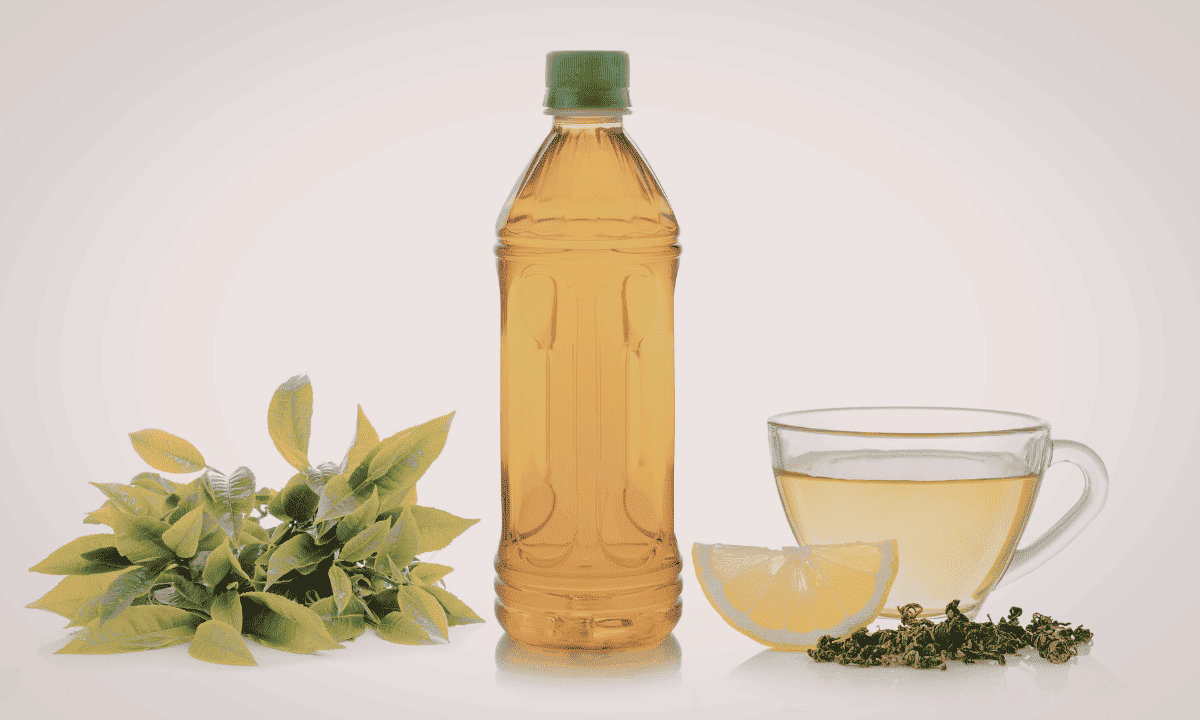
Tea tree oil has been used to help relieve nasal congestion, though evidence for its use in nasal polyps specifically is limited. Use with caution and consult your doctor before applying any essential oil near your nasal passages.
Here’s how you can use it:
You can add 3 to 5 drops of tea tree oil to a room diffuser.
You can also add a few drops into hot water for a soothing steam inhalation.
Avoid applying essential oils directly inside your nostrils with a cotton swab, as they can cause severe irritation.
Peppermint
Peppermint contains menthol, which creates a cooling sensation that may make your airways feel clearer.
Here’s how you can use it:
You can add 3 to 5 drops of peppermint essential oil to a room diffuser.
You can also add a few drops of peppermint oil into hot water for steam inhalation.
The menthol in peppermint may provide temporary relief from nasal congestion during a flare-up.
Turmeric
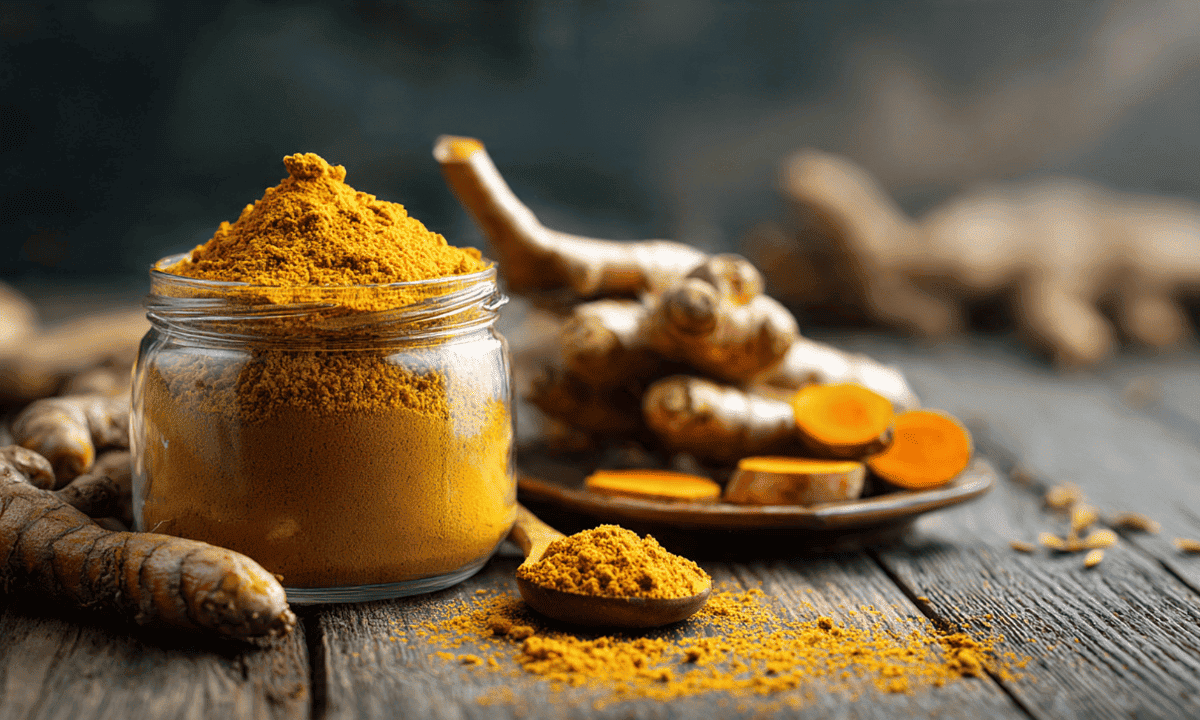
Turmeric is a powerful spice known for its strong anti-inflammatory properties.
Here’s how you can use it:
You can add 1 to 2 teaspoons of turmeric to your food daily to help calm inflammation from the inside out.
You can also make a hot turmeric tea by mixing 1 to 2 teaspoons of turmeric spice in 1 cup of boiling water. Add honey or other herbs to improve the flavour.
Adding this spice to your daily routine is a gentle, natural way to support your body's healing process.
Cayenne pepper
Cayenne pepper contains capsaicin, a natural compound that helps to clear congested sinuses.
Here’s how you can use it:
You can add 1 to 2 teaspoons of cayenne pepper spice to your food or daily recipes.
You can also make a hot cayenne tea by mixing 1 to 2 teaspoons of cayenne pepper spice in 1 cup of boiling water. Add honey or other herbs to improve the flavour.
While it brings a bit of heat, capsaicin in cayenne pepper may help temporarily relieve nasal congestion in some people. However, monitor your symptoms closely, as spicy foods can sometimes increase facial swelling for some individuals.
Chamomile
Chamomile is a calming type of tea flower often used to relieve the symptoms of chronic sinusitis.
Here’s how you can use it:
You can add 3 to 5 drops of chamomile essential oil to a room diffuser.
You can also add a few drops of chamomile into hot water for a relaxing steam inhalation.
This soothing flower not only helps calm your sinuses but also promotes a relaxing night of sleep when you are feeling congested.
Probiotics
Probiotics are beneficial bacteria that help to manage your body's internal balance and response to irritants.
Here’s how you can use it:
Include probiotic-rich foods such as yoghurt, kefir, kimchi, and sauerkraut in your daily diet
Consider a probiotic supplement if recommended by your doctor
Common benefits include:
They reduce inflammation throughout your body.
They balance your sinonasal microbiome.
They aid in regulating your immune system.
A healthy gut often leads to a healthier immune system, which is key to managing chronic inflammation over the long term.
If you are considering using probiotics or other remedies, it is helpful to speak with a doctor first.
Steam inhalation or humidifier

This is a commonly used method for providing symptomatic relief for nasal polyp blockage. By introducing warmth and moisture into your nasal passages, steam may help thin out thick mucus and gently ease congestion, making it a little easier to breathe and rest.
Here’s how you can use it:
You can inhale steam from a bowl of hot water, covering your head with a towel to trap the vapour.
You can also add a few drops of eucalyptus or peppermint oil to the hot water for extra relief.
Some people find steam inhalation in the evening helps ease nasal discomfort before sleep.
Nasal irrigation
Nasal irrigation is a simple method used to rinse your nasal passages with a saline (saltwater) solution.
Here’s how you can use it:
Fill a neti pot or squeeze bottle with a sterile saline solution.
Gently rinse each nostril, allowing the solution to flush through and drain out the other side.
Always use sterile or previously boiled water, never tap water directly, to avoid introducing bacteria into your nasal passages.
Nasal irrigation is a widely used, accessible method to help keep nasal passages clean and reduce irritant exposure.
If your symptoms persist despite dietary changes or natural remedies, you may arrange a consultation with Thomson Medical to discuss appropriate care for your health.
FAQ
Can nasal polyps be cured naturally?
The size of your polyps and the severity of your symptoms can change depending on your environment and levels of inflammation. However, nasal polyps rarely go away completely without medical treatment, such as steroid sprays or surgery.
Natural remedies can help manage day-to-day symptoms and keep your nasal passages comfortable, but they do not treat the underlying condition.
What foods shrink nasal polyps?
Some foods, particularly anti-inflammatory foods, help to shrink nasal polyps. Anti-inflammatory foods consist of vegetables, fresh fruits, fatty fish rich in omega-3 fatty acids, and plant-based dairy alternatives.
What triggers nasal polyps?
Constant inflammation from allergies, asthma, and recurring infections are the primary triggers for nasal polyps.
What should you avoid if you have nasal polyps?
Pro-inflammatory foods such as refined sugars and carbohydrates, deep-fried and processed foods, and dairy products will worsen nasal polyps. It is best to limit these items in your daily diet.
What medications are commonly used for nasal polyps?
The medicines available to treat nasal polyps are steroid medications, particularly intranasal steroid sprays. Steroid medication reduces inflammation, thus shrinking the nasal polyps effectively.
What vitamins are good for nasal polyps?
Some vitamins and minerals, including vitamins A, C, D, and E, and zinc, are associated with general immune support. Speak with your doctor before starting any supplement regimen.
The information provided is intended for general guidance only and should not be considered medical advice. For personalised recommendations and tailored advice based on your unique situations, please consult a specialist at Thomson Medical. Request an appointment with Thomson Medical today.
Reference
Lee, R. U., & Stevenson, D. D. (2011). Aspirin-exacerbated respiratory disease: evaluation and management. Allergy, asthma & immunology research, 3(1), 3–10. https://doi.org/10.4168/aair.2011.3.1.3
For more information, contact us:
Thomson Medical Concierge
- 8.30am - 5.30pm
- WhatsApp: 9147 2051
Need help finding the right specialist or booking for a group?
Our Medical Concierge is here to help you. Simply fill in our form, and we'll check and connect you with the right specialist promptly.
Notice:
The range of services may vary between Thomson clinic locations. Please contact your preferred branch directly to enquire about the current availability.
Get In Touch