

If you have been advised to undergo a hysterectomy, it is natural to wonder how the procedure might affect your ability to have children. Many women in this situation wonder whether pregnancy is still possible after the uterus is removed.
Understanding how hysterectomy affects fertility (and what alternatives may exist) can help you have more informed conversations with your doctor about your future plans.
What is a hysterectomy?
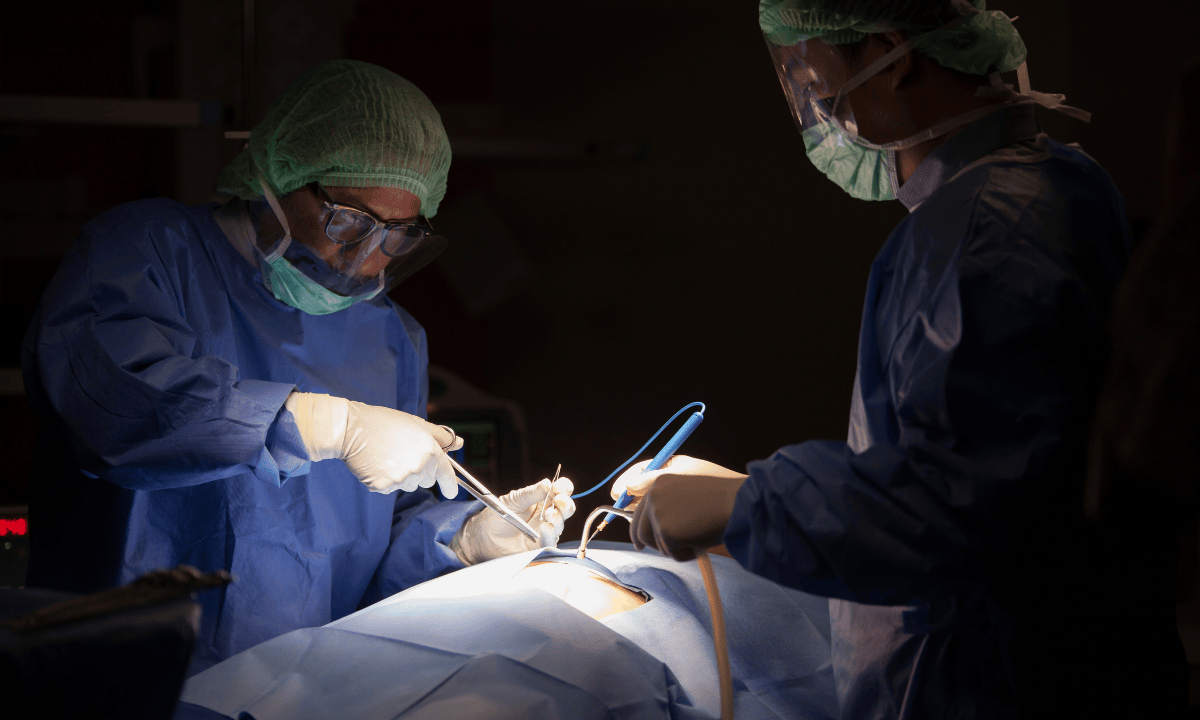
A hysterectomy is a surgical procedure to remove the uterus (womb). For many, it brings relief from conditions that have caused years of pain or disruption.
Your doctor may recommend a hysterectomy to treat:
Heavy or prolonged periods that haven't responded to other treatments
Uterine fibroids, which are non-cancerous growths in the womb
Endometriosis, where tissue similar to the womb lining grows outside it
Uterine prolapse, when the womb slips down from its normal position
Gynaecological cancers, including cancer of the uterus, cervix, or ovaries
Understanding what the procedure involves is the first step towards making a decision that feels right for you.
Types of hysterectomy
There are different types of hysterectomy, and the type you have matters, particularly when it comes to your hormones and fertility options:
Partial (subtotal) hysterectomy:
The upper part of the uterus is removed, but the cervix is kept
Total hysterectomy:
The entire uterus and cervix are removed
Radical hysterectomy:
The uterus, cervix, upper part of the vagina, and surrounding tissue are removed (usually for cancer)
It's also worth knowing whether your ovaries are removed at the same time. When both ovaries are removed alongside the uterus, this is called a hysterectomy with bilateral oophorectomy, which has a significant impact on your hormones.
If you're unsure which type of hysterectomy has been recommended for you, or what it means for your ovaries and hormones, schedule an appointment with Thomson Medical. Our doctors can explain your options and help you feel more prepared before making any decisions.
Can you get pregnant after a hysterectomy?
It is not possible to become pregnant naturally after a hysterectomy. Without a uterus, there is no womb for an embryo to implant and grow.
This can be a deeply emotional reality to sit with, especially if the surgery wasn't a choice you made lightly. It’s completely understandable to feel grief or uncertainty.
That said, a hysterectomy doesn't necessarily mean the end of every path to parenthood. If having children is something you're hoping for, speaking with a specialist before your surgery gives you a great chance of keeping your options open.
What happens to your hormones and ovaries after a hysterectomy?
This depends on whether your ovaries are removed during the procedure:
If your ovaries are kept, your hormone levels generally remain stable. You'll still produce oestrogen and progesterone, though you will no longer have periods.
If one or both ovaries are removed, oestrogen production drops significantly, bringing on surgical menopause. Unlike natural menopause, this happens immediately. You may experience:
Hot flushes and night sweats
Mood changes or low mood
Vaginal dryness and reduced libido
Bone density loss over time
These symptoms are manageable. Your doctor may recommend hormone replacement therapy (HRT) to ease the transition and support your long-term health. It's worth discussing what to expect with your specialist before surgery so you feel prepared and not caught off guard.
Gynaecologists at Thomson Medical
Loading...
Options for having a baby after a hysterectomy
A hysterectomy closes the door to natural pregnancy, but it doesn't mean that you cannot have kids at all. The options available to you depend largely on whether you still have your ovaries and whether you planned ahead before surgery.
Egg harvesting before surgery
If you still hope to have children, egg harvesting (also known as egg freezing or oocyte cryopreservation) might be one of the most important options to consider before your surgery date.
Your ovaries are stimulated to produce multiple eggs, which are collected and frozen for future use. These eggs can later be fertilised and carried by a gestational surrogate.
Timing is everything here. If this is something you're considering, raise it with your specialist as early as possible.
If you're facing a hysterectomy and want to understand whether egg harvesting is still an option for you, schedule an appointment with Thomson Medical. Our doctors can assess your situation and explain what's possible before your surgery, so you have time to explore the paths that matter to you.
Gestational surrogacy
If your ovaries are intact and you've harvested eggs before surgery, gestational surrogacy may be an option. A surrogate carries a pregnancy using your egg and your partner's (or a donor's) sperm, meaning the child is genetically yours.
It's a path that requires careful planning, medical coordination, and specialist guidance, so it's worth discussing early with your doctor to learn what's involved.
Adoption and fostering

Adoption and fostering offer another meaningful path to parenthood, one that doesn't depend on your medical history or the timing of your surgery.
If this is something you're open to, speaking with a social worker or family services organisation can help you understand the process and what to expect. Many women find it a deeply fulfilling way to build a family on their own terms.
FAQ
Can I still get pregnant if only part of my uterus was removed?
No. Even a partial hysterectomy removes enough of the uterus to make natural pregnancy impossible. The womb is no longer able to carry a pregnancy.
What happens if I still have my ovaries after a hysterectomy?
Your ovaries will continue to produce hormones and eggs. This means you won't experience surgical menopause, and it may open the door to options like gestational surrogacy.
Can I use my frozen eggs after a hysterectomy?
Yes. If you harvested and froze your eggs before surgery, they can be fertilised and carried by a gestational surrogate. This is why planning ahead before your surgery matters.
Will a hysterectomy trigger menopause?
Only if your ovaries are removed. If your ovaries are kept, your hormones remain largely unaffected, and you won't experience menopause as a direct result of the surgery.
How soon before my hysterectomy should I consider egg harvesting?
As early as possible. The egg harvesting process takes several weeks, so speak with a fertility specialist as soon as a hysterectomy is recommended.
Does a hysterectomy affect my sex drive or intimacy?
It can, particularly if your ovaries are removed and oestrogen levels drop. Many women find that symptoms like vaginal dryness or low mood affect intimacy. These are manageable – speak with your doctor about your options.
The information provided is intended for general guidance only and should not be considered medical advice. For personalised recommendations based on your medical conditions, request an appointment with Thomson Medical.
For more information, contact us:
Thomson Specialists (Women's Health)
Thomson Women's Clinic (TWC)
- Novena:
6592 6686 (Call), 8611 8986 (WA) - Bukit Batok:
6569 0668 (Call), 8686 3525 (WA) - Choa Chu Kang:
6893 1227 (Call), 8282 1796 (WA) - Jurong:
6262 8588 (Call), 6262 8588 (WA) - Katong (female doctor):
6970 2272 (Call), 8611 9020 (WA) - Punggol:
6243 6843 (Call), 8811 0328 (WA) - Sembawang: 6753 5228
- Sengkang: 6388 8125
- Serangoon (female doctor): 6382 3313
- Tampines: 6857 6266
- Tiong Bahru: 6276 1525
Notice
The range of services may vary between TWC/TS locations. Please contact your preferred branch directly to enquire about the current availability.
Request an Appointment