

You may have come across claims that certain teas, supplements, or diets can shrink fibroids naturally. While some lifestyle changes can ease symptoms like heavy bleeding or pelvic discomfort, no natural remedy on its own makes fibroids disappear.
So can you treat fibroids naturally? The honest answer is that lifestyle adjustments may ease how you feel day to day, but they work best alongside, not instead of, proper medical assessment.
What are fibroids?
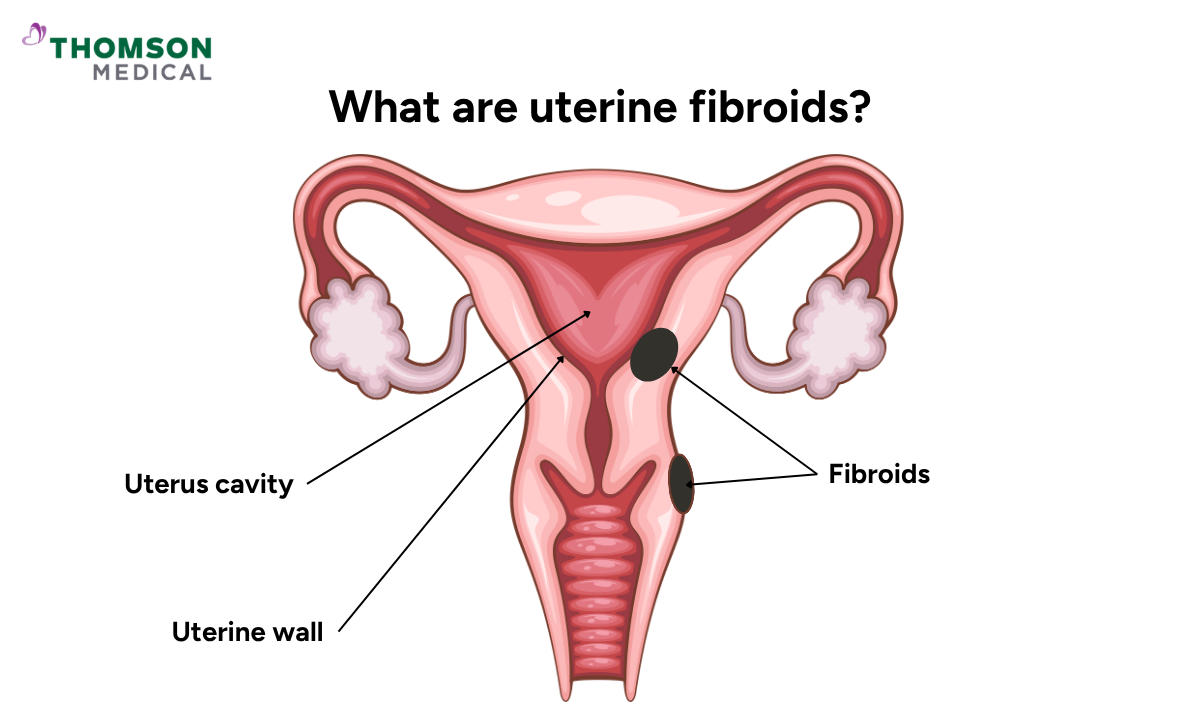
Uterine fibroids are benign (non-cancerous) growths that develop in or on the uterus. Made of muscle and fibrous tissue, they are very common during the reproductive years.
Fibroids are sensitive to oestrogen and progesterone, the hormones that influence how they develop and behave. They can range in size from very small to quite large, and you may have one fibroid or several at the same time.
Is it possible to shrink fibroids naturally?
Natural approaches will not make fibroids disappear, but they may support your body in ways that ease your symptoms day to day.
For some women, gentle, consistent changes may help to:
Calm inflammation in the body
Support a more balanced hormonal environment
Ease symptoms such as heavy bleeding and pelvic discomfort
Improve overall energy and daily wellbeing
Natural approaches tend to work best when fibroids are small to moderate in size or when symptoms are mild. They are also often used alongside medical treatment to support overall wellbeing.
How your diet affects your fibroids
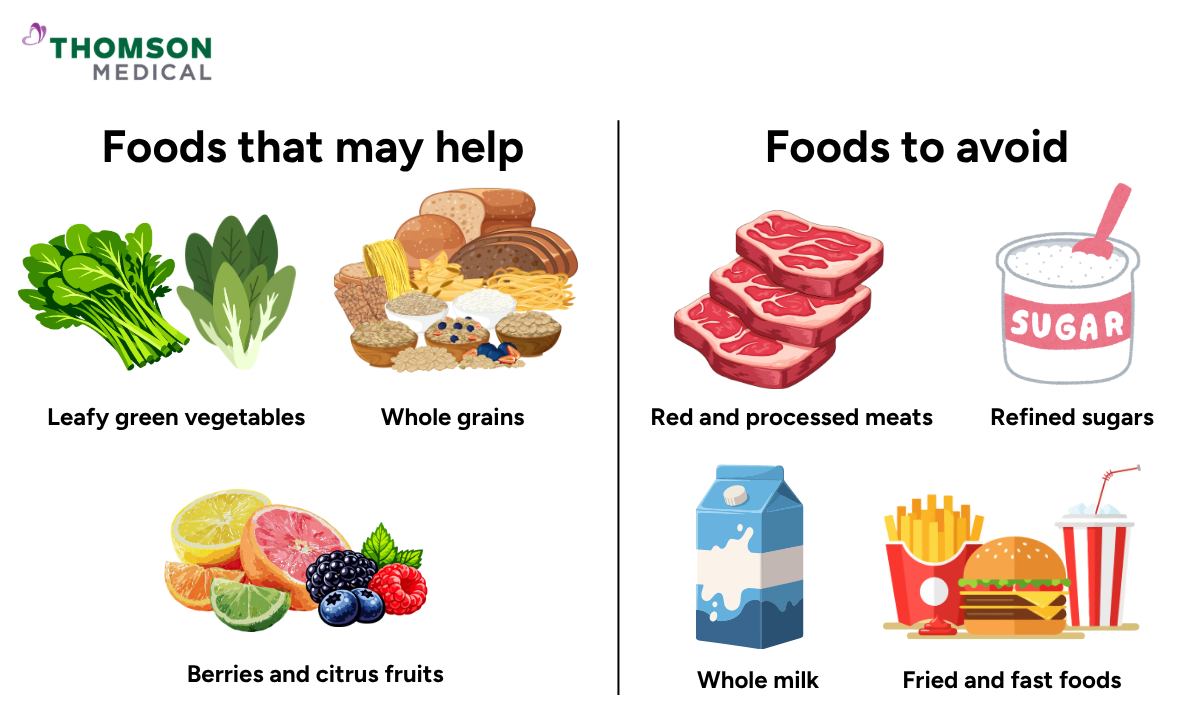
Food choices can influence two of the main factors linked to fibroid growth, particularly oestrogen levels and inflammation. Oestrogen is broken down by your liver and cleared through your digestive system, so the foods you choose can affect how well your body removes excess hormones.
Foods that may help
Certain foods support your body's ability to process oestrogen and calm inflammation. Fibre helps your digestive system clear excess oestrogen before it can be reabsorbed into the bloodstream.
Consider including more of:
Leafy green vegetables such as spinach, kale and broccoli
Berries and citrus fruits, which are rich in antioxidants
Whole grains such as oats, brown rice and quinoa
Legumes such as lentils and chickpeas, which are good sources of fibre
Fatty fish such as salmon and mackerel, which provide omega-3 fats that help ease inflammation
Nuts and seeds
Eating these foods regularly may help your body process oestrogen more efficiently.
Foods to avoid
Some foods may worsen fibroid symptoms by raising inflammation or affecting how your body handles hormones.
Try to limit or cut back on:
Red and processed meats, which may promote inflammation
Refined sugars and white carbohydrates, which can raise insulin levels and influence oestrogen
Whole milk and other fatty dairy products
Fried and fast foods
Alcohol and excess caffeine, both of which can affect liver function and hormone clearance
Alcohol and fatty foods are worth paying special attention to. Both places added strain on your liver, which is the main organ responsible for clearing excess oestrogen from your body.
Diet can support fibroid management, but it is not a replacement for medical care. Request an appointment with Thomson Medical to explore a plan that combines nutrition with the right treatment options.
How your daily routine affects your fibroids
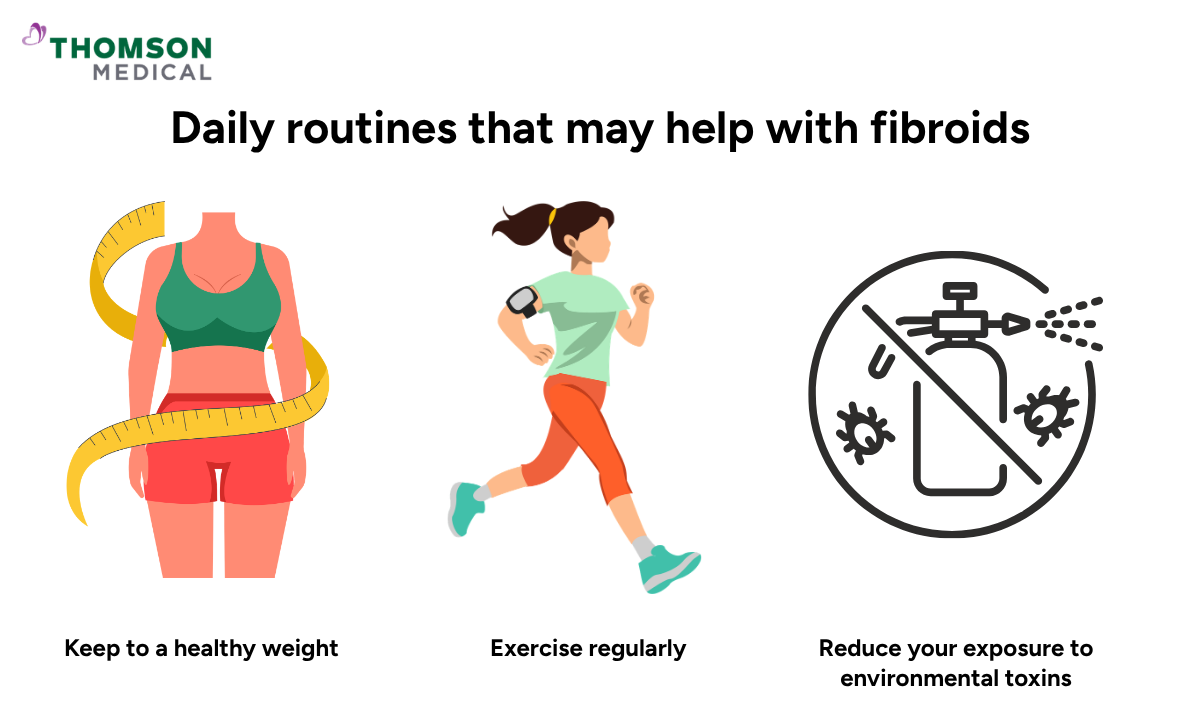
Beyond diet, the way you live can also support more stable hormone levels and help calm the inflammation linked to fibroid growth.
A few simple habits worth weaving into your routine:
Keep to a healthy weight:
Fat tissue produces oestrogen, so a balanced weight may help keep your hormone levels more stable.
Exercise regularly:
Aim for around 30 to 45 minutes of activity most days. Walking, swimming, and cycling are all gentle on your body and easy to maintain.
These habits can help create a calmer, more balanced internal environment, which some women find eases their symptoms over time.
Can supplements help with fibroids?
Some women find that certain herbs and supplements can offer added support for hormone balance and inflammation. Research in this area is still growing, but for many, these form a gentle complement to their other efforts.
Herbs
Several herbs have been studied for their potential role in supporting hormone balance and calming inflammation. None of these replace medical treatment, but some women find they offer relief alongside their treatment care.
Speak with your doctor before taking supplements, especially if you are pregnant, trying to conceive, or taking medication.
Nutritional support
A balanced diet rich in fruits, vegetables, whole grains and lean proteins may support general health.
Certain nutrient deficiencies may worsen fibroid symptoms or contribute to conditions that allow fibroids to grow. Restoring these nutrients through your diet or, where appropriate, supplementation can support your body's hormonal balance.
Nutrients worth paying attention to include:
Vitamin D:
Low levels of vitamin D have been linked to fibroid growth, and many women are deficient without realising it, especially if they spend limited time outdoors.
Iron:
This becomes important when heavy periods cause ongoing blood loss, which can lead to anaemia and leave you feeling persistently tired.
Magnesium:
This may help ease cramping and pelvic discomfort and supports your body's stress response.
B complex vitamins:
These are involved in hormone metabolism and help your liver process oestrogen efficiently.
Supplements are not suitable for every woman, and some can interact with medications. Speak with your doctor before adding anything new to your routine. A simple blood test can also help identify any deficiencies that may be worth addressing.
Our gynaecologists
Loading...
How stress affects your fibroids
Stress can affect your hormones in ways that may show up in your symptoms. When you are under sustained pressure, your body produces more cortisol (a hormone released in response to stress).
Persistently high cortisol levels can disturb the balance between oestrogen and progesterone, which some women find makes their fibroid symptoms feel worse.
These practices may help:
Meditation or mindfulness:
Even 10 minutes a day may help calm your stress response.
Yoga:
Combines movement and breathwork, which can ease both physical tension and emotional stress.
Deep breathing exercises:
A simple technique you can use anywhere to settle your nervous system.
Prioritising sleep:
Aim for seven to nine hours each night, as poor sleep can raise cortisol and unsettle your hormone balance.
When natural approaches are not enough for fibroids
Natural approaches can offer real support, but they have their limits. Certain signs suggest your fibroids may need medical attention rather than lifestyle changes alone.
Speak to your doctor if you notice any of the following:
Very heavy or prolonged periods that are affecting your daily life
Symptoms of anaemia such as persistent fatigue, breathlessness or dizziness
Rapid changes in fibroid size
Severe pelvic pain or pressure
Difficulty conceiving
If any of these apply, your doctor can help you explore options such as medication, minimally invasive procedures, or surgery.
Natural approaches work best when you stick with them and use them alongside medical care. Start with one or two changes that feel manageable, and build from there as you find what works for you.
If you are experiencing heavy bleeding, persistent fatigue, or worsening symptoms, request an appointment with Thomson Medical for timely assessment and care.
FAQ
What makes fibroids stop growing?
Fibroids often slow down or stop growing when your hormone levels shift, particularly when oestrogen drops. This is why many women notice their fibroids becoming less of a concern around menopause. Improved hormonal balance and lower levels of inflammation may also play a part in keeping growth steady.
What are the signs of fibroids shrinking?
You may notice lighter periods, less pelvic pressure, reduced pain, and an improvement in your energy levels. That said, the only way to confirm a true reduction in size is through imaging, such as an ultrasound or MRI scan.
How are fibroids treated during pregnancy?
During pregnancy, treatment is usually focused on keeping you comfortable and well monitored. This may include pain relief with pregnancy-safe medications, adequate rest, staying well hydrated, and regular check-ins with your obstetrician.
Surgery is generally avoided unless a complication makes it necessary, in which case your specialist will guide you through the safest approach.
What size fibroids require surgery?
There is no single size that automatically calls for surgery. The decision depends on a number of factors, including how much your symptoms are affecting your daily life, where the fibroids are located, how quickly they are growing, and whether you are hoping to conceive in the future.
Even smaller fibroids may need treatment if they are causing significant symptoms, while larger ones can sometimes be managed without surgery. Your gynaecologist can help you weigh up the right approach for your situation.
How can I help stop fibroids from growing?
Fibroid growth cannot always be prevented, but certain habits may help slow it down for some women.
These include keeping to a healthy weight, eating a diet rich in anti-inflammatory foods, managing stress, and addressing vitamin D deficiency if your levels are low. Reducing exposure to chemicals that may affect hormone balance, such as those found in some plastics, may also be worth considering.
What exercises should be avoided with fibroids?
Most forms of exercise are safe and beneficial. However, if your symptoms are flaring up, it is best to ease back from activities that trigger pelvic pain or involve heavy abdominal pressure. This may include heavy weightlifting or high-impact workouts during a difficult patch. Walking, swimming, yoga and gentle cycling are usually well tolerated and easy to maintain.
The information provided is intended for general guidance only and should not be considered medical advice. For personalised recommendations and tailored advice based on your unique situations, please consult a specialist at Thomson Medical. Request an appointment with Thomson Medical today.
For more information, contact us:
Thomson Specialists (Women's Health)
Thomson Women's Clinic (TWC)
- Novena:
6592 6686 (Call), 8611 8986 (WA) - Bukit Batok:
6569 0668 (Call), 8686 3525 (WA) - Choa Chu Kang:
6893 1227 (Call), 8282 1796 (WA) Jurong:
6262 8588 (Call), 6262 8588 (WA)- Katong (female doctor):
6970 2272 (Call), 8611 9020 (WA) - Punggol:
6243 6843 (Call), 8811 0328 (WA) - Sembawang: 6753 5228
- Sengkang: 6388 8125
- Serangoon (female doctor): 6382 3313
- Tampines: 6857 6266
- Tiong Bahru: 6276 1525