

When your doctor mentions a carotid ultrasound, it's natural to feel a mix of emotions. Perhaps you're worried about what they might find, or maybe you're frustrated by another medical appointment to schedule. You might even be concerned about the cost or whether the test will be uncomfortable.
If you've been experiencing symptoms like dizziness, sudden weakness, or vision changes, the uncertainty can feel overwhelming. Knowing what a carotid ultrasound involves, why it matters for your health, and what you can expect every step of the way.
What is a carotid ultrasound?

A carotid ultrasound is a safe, non-invasive imaging test that uses high-frequency sound waves to create detailed images of your carotid arteries. You have two carotid arteries, one on each side of your neck. They're responsible for carrying blood from your heart to your brain, face, and neck.
This diagnostic method helps your doctor see how well blood flows through these arteries. It can detect blockages, narrowing (stenosis), or plaque buildup (fatty deposits made of cholesterol and other substances) that could increase your risk of stroke.
The procedure combines two types of advanced ultrasound technology:
Conventional ultrasound (B-mode):
Creates images of your artery structure using sound waves that bounce off blood vessel walls
Carotid Doppler ultrasound:
Tracks how blood moves through your arteries, allowing your doctor to spot any flow problems and measure blood flow velocity
Why might you need a carotid ultrasound?

Your doctor may recommend this test if they suspect problems with blood flow to your brain. Here are common reasons:
You've had stroke symptoms:
If you've experienced sudden weakness, numbness on one side of your body, difficulty speaking, vision changes, or dizziness, these could be warning signs of a stroke or mini-stroke (transient ischemic attack).
You have stroke risk factors:
Certain conditions like diabetes, high blood pressure, and high cholesterol can put you at higher risk for carotid artery disease and stroke.
Your doctor detected unusual sounds:
During a regular check-up, your doctor might hear an abnormal sound called a carotid bruit through their stethoscope. This ‘whooshing’ sound can indicate turbulent blood flow caused by narrowed arteries.
Follow-up after surgery:
If you've had surgery to clear blocked arteries or a stent placed to keep arteries open, your doctor will use carotid ultrasound to make sure blood flow has been restored and check for any new narrowing.
Carotid ultrasound helps detect narrowing or plaque buildup in the carotid arteries, which can increase stroke risk. However, routine screening for people without symptoms or major risk factors is not generally recommended. Always discuss with your healthcare provider whether this test is appropriate for you.
If you have any of these risk factors or want to better understand your stroke risk, request an appointment with Thomson Medical. Our specialists can assess your condition, recommend appropriate screenings like carotid ultrasound, and help you take proactive steps toward protecting your heart and brain health.
What happens during a carotid ultrasound?
The entire process is quick and comfortable, typically divided into three stages which are before, during, and after the test.
Before the test
There's no special preparation needed. Unlike some ultrasound scans that require you to drink glasses of water beforehand, carotid ultrasound requires no fasting or special dietary preparation. However, you'll want to:
Wear a comfortable shirt with an open collar or loose neckline
Remove any necklaces or accessories around your neck
Let your doctor know about any medications you're taking
If you have a medical concern about the procedure, discuss it with your healthcare provider beforehand to put your mind at ease.
During the procedure
The test is simple and painless. You'll lie on your back on an examination table. The technician (called a sonographer) may adjust your head position to get better access to the sides of your neck.
A gel will be applied to your neck to help the sound waves travel better through your skin. The technician will gently move a device called an ultrasound transducer along the sides of your neck. If you're having a carotid duplex, you might hear swishing or pulsing sounds. That's just the sound of your blood moving through your vessels.
The entire test usually takes about 30 minutes. Many modern facilities, including walk-in patient services, aim to minimize waiting times with minimal delays, ensuring you can complete your test efficiently.
After the test
Once the test is complete, you can wipe off the gel and get dressed. There's no recovery time needed, so you can go straight back to your normal activities. Some facilities offer an express report service, where preliminary results may be available quickly, though your full report will still need to be reviewed by a radiologist.
Cardiologists at Thomson Medical
Loading...
What your carotid ultrasound results mean
A radiologist, a doctor who specializes in reading imaging tests will review your ultrasound images. They may discuss the findings with you immediately, or they'll send a report to your doctor who will explain what everything means in the proper context.
Normal results
A healthy carotid ultrasound shows:
Smooth blood flow through your arteries without turbulence
No visible plaque buildup
Smooth artery walls
Normal blood flow speeds
Less than 50% narrowing of your arteries
Abnormal results
If your results show problems, don't panic. Many issues can be managed with lifestyle changes and medication. Abnormal findings might include:
Stenosis (narrowing) classified by how much of your artery is blocked:
Mild: less than 50%
Moderate: 50-69%
Severe: 70% or more
Total occlusion: 100% blocked
Atheromatous plaques:
Visible deposits on your artery walls
Turbulent blood flow:
Irregular flow patterns that show up on the Doppler scan
Elevated blood flow velocity:
Faster-than-normal blood flow can indicate narrowing
Thickened artery walls:
Early signs of atherosclerotic plaques (hardening of the arteries)
Your doctor will walk you through these findings and recommend the best next steps for your situation.
If you’re due for a vascular check or want to understand your carotid ultrasound results better, request an appointment with Thomson Medical’s radiology services. Our imaging specialists can provide clear explanations and guide you on the next steps for your heart and vascular health.
What treatments are available?
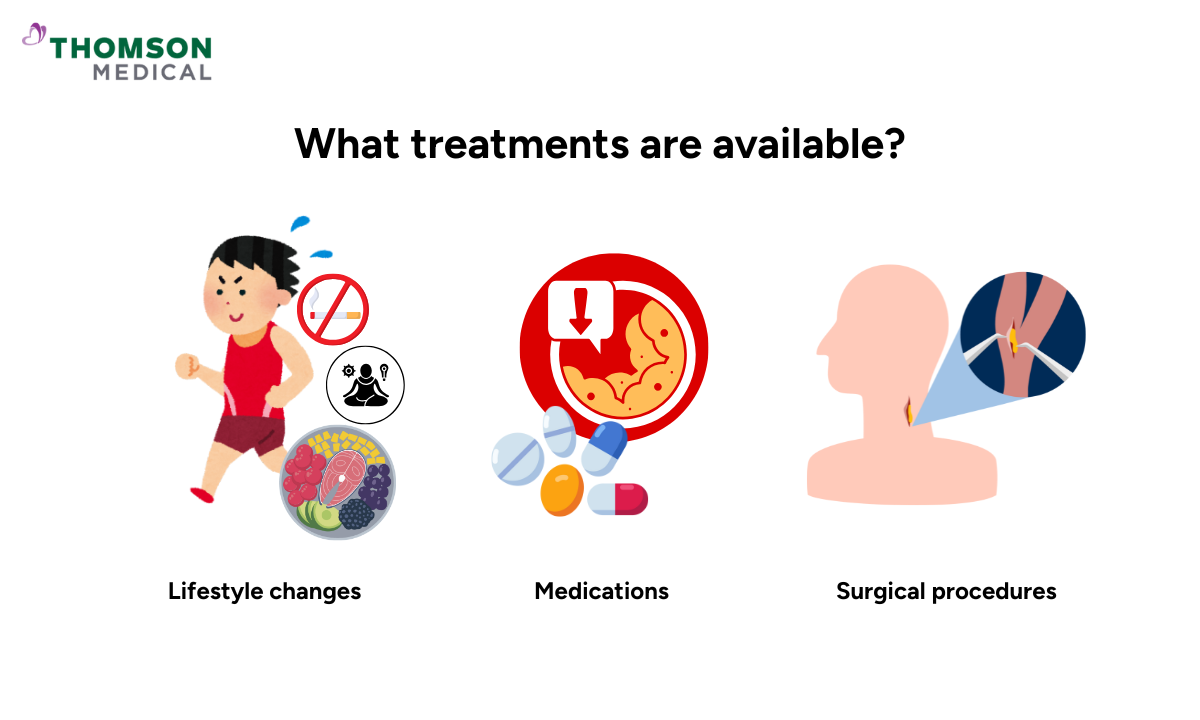
If your test shows some blockage, treatment depends on how severe it is:
Lifestyle changes:
If the narrowing is mild to moderate, your doctor may suggest living a heart-healthy lifestyle.
This includes eating plenty of fruits, vegetables, and whole grains, staying active, quitting smoking, and managing stress.
Medications:
Your doctor may prescribe cholesterol-lowering medications (statins), blood pressure medications, and blood thinners to prevent clots (antiplatelet agents or anticoagulants).
Surgical procedures:
For severe blockages, you might need carotid endarterectomy (a procedure where the surgeon removes plaque from your carotid artery) or carotid angioplasty and stenting (where a wire mesh tube or stent is placed in your artery to hold it open and improve blood flow).
Your doctor will discuss which option makes the most sense based on your unique situation and overall health.
Are there any risk factors?Carotid ultrasound is one of the safest medical tests available. Unlike X-rays or CT scans, ultrasound scans use no radiation, meaning they don't expose patients to radiation.
You might feel slight pressure when the ultrasound transducer presses against your neck, but you shouldn't feel pain. The test has no side effects, and you can resume all normal activities immediately after.
In rare cases, certain factors might affect image quality:
Obesity can make it harder to get clear images
Calcium deposits in artery walls may partially block the view
Recent neck surgery or wound dressings can interfere with the scan
If your results aren't clear, your doctor might recommend additional imaging tests like CT angiography or MRI scan.
What are the benefits of carotid ultrasound screening?
Choosing to have a carotid ultrasound offers several important advantages for your health and peace of mind:
Early detection saves lives:
Carotid artery disease often develops silently. By the time you notice symptoms, you may already be at significant risk for cerebrovascular events.
Completely safe and comfortable:
Unlike other imaging tests, carotid ultrasound involves no radiation exposure, no needles or injections, no contrast dye, zero pain, and no side effects.
Prevents strokes:
Identifying carotid artery disease early allows for timely intervention through medication, lifestyle changes, or surgery when necessary.
Provides comprehensive health insights:
The results give you and your doctor valuable information about your overall cardiovascular health. This often gives beneficial changes that improve your long-term wellbeing.
Other health screenings to know about
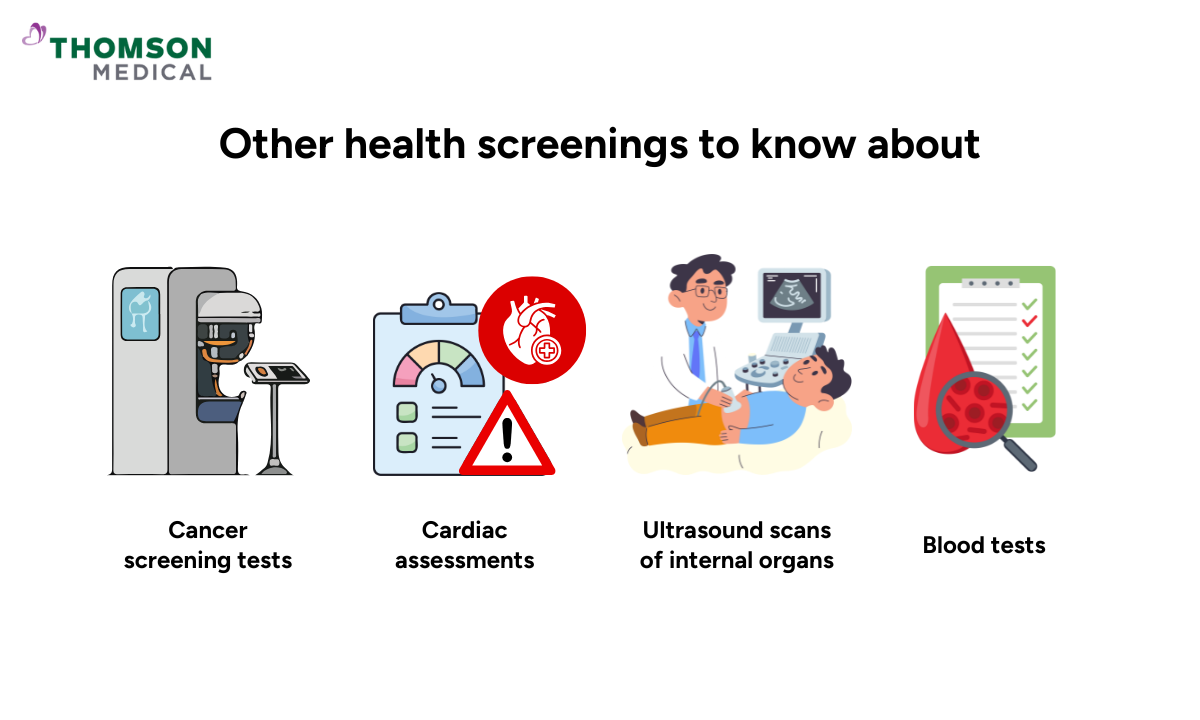
While a carotid ultrasound focuses on the arteries in your neck, many healthcare facilities offer comprehensive health screening packages that may include:
Cancer screening tests (such as mammograms and colonoscopies)
Cardiac assessments
Ultrasound scans of internal organs (like checking for liver abnormalities or kidney function)
Blood tests for cholesterol, diabetes, and other conditions
These comprehensive packages help provide a complete health assessment. Your doctor can advise which eligible scans are appropriate for your age, risk factors, and health history.
Regular screening is particularly important if you have multiple risk factors. Many medical facilities offer comprehensive health screening packages that include carotid ultrasound along with other preventive tests. Request an appointment with Thomson Medical services to schedule tests and get a clear picture of your vascular health from our specialists.
FAQ
What causes blocked carotid arteries?
Most carotid artery blockages result from atherosclerotic plaques or atheromatous plaques, where plaque builds up inside your arteries over time. This plaque consists of fat, cholesterol, calcium, and other substances in your blood. As we age, these deposits naturally accumulate, but lifestyle factors and medical conditions can speed up the process.
Can I naturally clear my carotid arteries?
While you can't completely reverse plaque buildup naturally, you can slow or even stop its progression. Focus on eating heart-healthy foods, exercising regularly, managing stress, avoiding smoking, and taking any medications your doctor prescribes. These changes can make a real difference.
At what age should I get a carotid ultrasound?
There's no universal age recommendation. However, if you're over 50 and have risk factors like high blood pressure, diabetes, or a family history of stroke, talk to your doctor about whether screening makes sense for you.
How much blockage is normal?
Less than 50% narrowing is considered mild and may not require immediate treatment beyond lifestyle changes and medication. However, your doctor will want to monitor it regularly to make sure it doesn't get worse.
What are the warning signs of a blocked carotid artery?
Watch for sudden weakness or numbness, especially on one side of your body, difficulty speaking or understanding speech, vision problems in one or both eyes, dizziness or loss of balance, and severe headache with no known cause. If you experience any of these symptoms, call emergency services immediately, even if they go away quickly.
Is a carotid ultrasound the same as a CIMT test?
Not exactly. A CIMT test (Carotid Intima-Media Thickness test) is a type of carotid ultrasound that measures how thick your artery walls are. This helps find early signs of heart disease. A regular carotid ultrasound checks how blood flows through your arteries and looks for blockages. Your doctor will decide which test is right for you.
The information provided is intended for general guidance only and should not be considered medical advice. For personalised recommendations and tailored advice based on your unique situations, please consult a specialist at Thomson Medical. Request an appointment with Thomson Medical today.
For more information, contact us:
Learn More About Our Health Screening Offerings
Notice:
The range of services and tests may vary. Please contact us directly to enquire about the current availability.
Book Your Health Screening