

Many women want to give themselves the best possible start before becoming pregnant, which often includes making sure they are fully vaccinated and in good health. If you’re planning for a baby, you may be wondering whether the HPV vaccine is something you should complete beforehand or if it’s safe to take during your pregnancy.
These are important questions, and you’re certainly not the only one asking them. We’ll walk through everything you need to know so you can feel informed, reassured, and confident as you prepare for your journey to motherhood.
What is the HPV vaccine for?
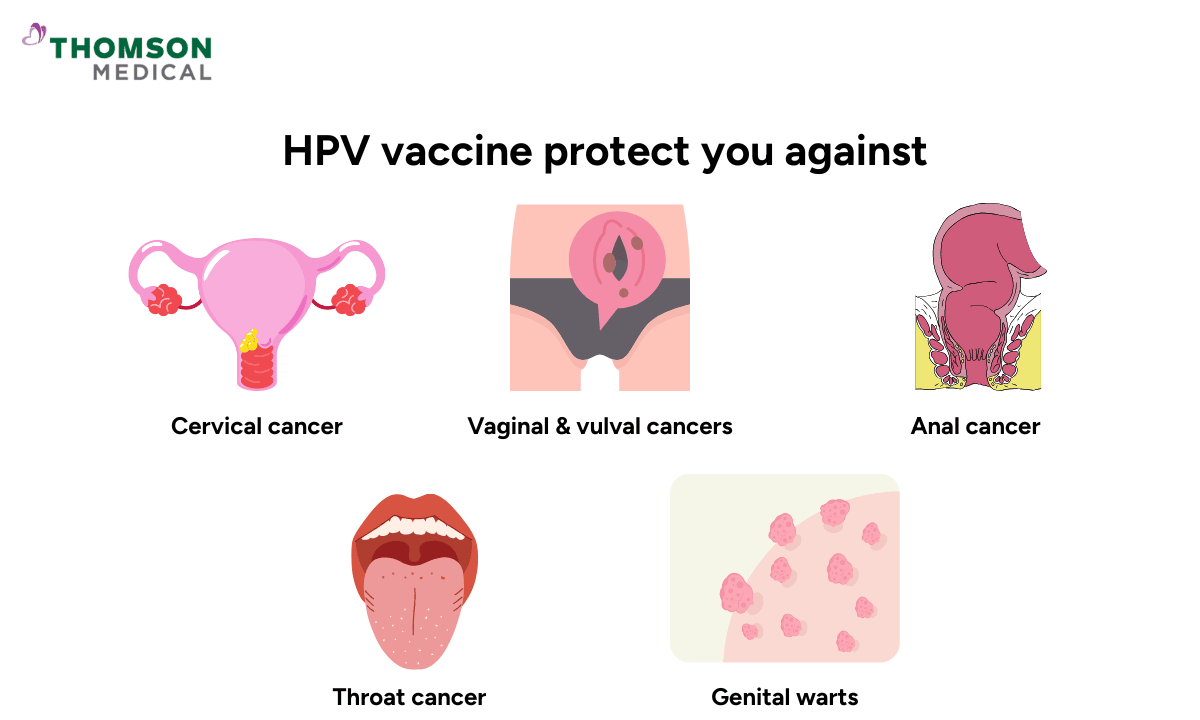
The HPV vaccine protects you against the human papillomavirus (HPV) – a very common virus passed through sexual contact.
In most cases, HPV infections clear on their own. However, some high-risk strains, such as HPV 16 and 18, can stay in the body for many years and, over time, lead to changes in the cells that may develop into cancer.
By preventing these high-risk infections from ever taking hold, the HPV vaccine stops this process right at the beginning. That’s why it is considered one of the most powerful and reliable tools for cancer prevention today.
Getting vaccinated helps protect you against:
Vaginal and vulval cancers
Anal cancer
Throat cancer
How does the HPV vaccine work?
The HPV vaccine does not contain any live virus. Instead, it uses tiny virus-like particles (VLPs) that look similar to the outer shell of HPV but cannot cause an infection. These particles are simply there to help your immune system recognise what HPV looks like.
Once the vaccine is given, your immune system immediately steps into action. It identifies these particles as “foreign”, creates antibodies to fight them, and stores this knowledge as long-term immune memory. Your immune system ‘remembers’ HPV so that if you ever encounter it in the future, your body can clear it quickly.
Should I receive the HPV vaccine while pregnant?
Although the HPV vaccine offers important long-term protection for your reproductive health, it is not recommended during pregnancy.
Because we don’t yet have enough research on vaccinating during pregnancy – and because the vaccine doesn’t provide any immediate benefit once you’re already expecting – doctors usually recommend completing the series beforehand.
This is simply a precaution to help you feel more at ease and keep both you and your baby as safe as possible.
If you’re unsure which vaccines you need before pregnancy or how to prepare your body for the healthiest start possible, schedule a consultation at Thomson Medical. Our gynaecologists will provide personalised guidance so you can embark on your motherhood journey with confidence and peace of mind.
Our cervical cancer specialist
Loading...
What are the risks if I get vaccinated during pregnancy?
Many women receive vaccines in the early weeks before they even know they’re expecting. Don’t worry. This situation is more common than you might think, and the evidence we have so far is very reassuring.
The HPV vaccine is not recommended during pregnancy, not because it's dangerous but because it has no immediate benefit. Research has shown no increased risk of pregnancy issues such as miscarriage, birth defects, or problems with the baby's growth.
If you received an HPV vaccine dose without knowing you were pregnant, you generally don’t need to panic or undergo extra tests. You just need to delay the remaining doses until after you give birth.
Once your baby arrives, you may continue the series, as the HPV vaccine is completely safe for breastfeeding mothers.
Our specialists are here to listen, support, and reassure you throughout your pregnancy. If you have any concerns or simply want clarity and expert advice, book an appointment with Thomson Medical. We’ll help you feel informed, comforted, and fully cared for every step of the way.
How long does protection from the HPV vaccine last?
For long-term planning, you may also be wondering how long the vaccine protects you. In most cases, the vaccine provides strong and long-lasting immunity for at least 10–15 years, and it may very well offer lifelong protection. At present, no booster doses are recommended.
This long duration of effectiveness is one of the reasons that doctors recommend vaccinating at a younger age – ideally before sexual activity begins – to receive the best protection.
FAQ
Does the HPV vaccine affect fertility?
Current research is very reassuring. There is no evidence that the HPV vaccine causes hormonal problems, affects the ovaries, or reduces your chances of becoming pregnant.
Can I get the HPV vaccine while pregnant?
The HPV vaccine is not recommended during pregnancy. This is not because the vaccine is harmful but simply because there is no urgent benefit to giving it during pregnancy, and research in pregnant women is still limited.
How long should I wait after the HPV vaccine before getting pregnant?
You do not need to delay pregnancy after receiving the HPV vaccine. The vaccine does not affect your ability to conceive, and there is no recommended waiting period.
Are there any serious side effects of the HPV vaccine during pregnancy?
Studies show no evidence of harm to your baby’s growth or development and no link to miscarriage, stillbirth, or birth defects. You may experience the usual mild side effects that are the same as those seen in non-pregnant adults, such as:
Soreness or redness in your arm
Feeling tired
Mild headache or slight fever
Are there any special precautions if I accidentally get a dose while pregnant?
You do not need any additional scans or monitoring. The only recommendation is to delay the remaining doses until after you give birth. Once your baby arrives, you can simply continue the vaccine schedule where you left off.
Should I wait until after breastfeeding to get the HPV vaccine?
No, you do not need to wait. The HPV vaccine is considered safe for breastfeeding mothers. You can begin or continue your vaccine series while breastfeeding without any concerns for your baby.
The information provided is intended for general guidance only and should not be considered medical advice. For personalised recommendations and advice based on your unique situation, please consult a specialist at Thomson Medical. Request an appointment with Thomson Medical today.
For more information, contact us:
Thomson Fertility
- Paragon: 6252 7766
- Novena: 6399 3758, 8811 0358 (WA)
Thomson Specialists (Women's Health)
Thomson Women's Clinic
- Novena:
6592 6686 (Call), 8611 8986 (WA) - Bukit Batok:
6569 0668 (Call), 8686 3525 (WA) - Choa Chu Kang:
6893 1227 (Call), 8282 1796 (WA) Jurong:
6262 8588 (Call), 6262 8588 (WA)- Katong (female doctor):
6970 2272 (Call), 8611 9020 (WA) - Punggol:
6243 6843 (Call), 8811 0328 (WA) - Sembawang: 6753 5228
- Sengkang: 6388 8125
- Serangoon (female doctor): 6382 3313
- Tampines: 6857 6266
- Tiong Bahru: 6276 1525