

Having small chips or cracks, minor gaps, or discolouration on your teeth can make you feel self-conscious and negatively affect your confidence. Luckily, cosmetic dentistry, especially dental bonding, can help you enhance your smile and address common aesthetic dental concerns effectively.
What is dental bonding?
Also known as composite bonding, tooth bonding, or adhesive dentistry, it is a non-invasive cosmetic dental procedure used to enhance your smile. This procedure involves applying a resin material directly to the tooth to create a strong bond between the tooth structure and the restorative material.
The composite resin is specially selected to match the shade of your natural teeth, blending seamlessly with the surrounding teeth when hardened. Unlike veneers or crowns, bonding usually doesn’t require the removal of natural tooth enamel, making it a conservative and reversible option.
When is dental bonding recommended?
Your dentist may recommend this procedure to address a variety of aesthetic and functional dental issues. Some common applications are the following:
Camouflaging tooth discolouration
Closing up the gaps between your teeth
Repairing chipped or cracked teeth
Adjusting the shape or colour of your teeth
Making your teeth appear longer
Replacing old silver dental fillings
Composite bonding can also be used to protect exposed root surfaces due to gum recession and to fill small cavities.
What to expect during dental bonding
Prior to the procedure, you can discuss with your dentist the best course of action for any dental concerns or cosmetic goals you may have. They will take dental X-rays and examine your teeth and gums to determine if you are eligible for the procedure.
For those who may suffer from severe tooth decay, gum disease or other serious oral health problems, your dentist will recommend you treat those issues first before undergoing a dental bonding procedure.
During the procedure, your dentist will first use a shade guide to select a composite resin material that matches the colour of your natural teeth. Afterwards, they will roughen the tooth surface and apply a conditioning liquid to help the bonding material adhere to your tooth properly. The tooth-coloured resin (which has a putty-like consistency) is then applied, moulded, and smoothed to achieve the desired shape.
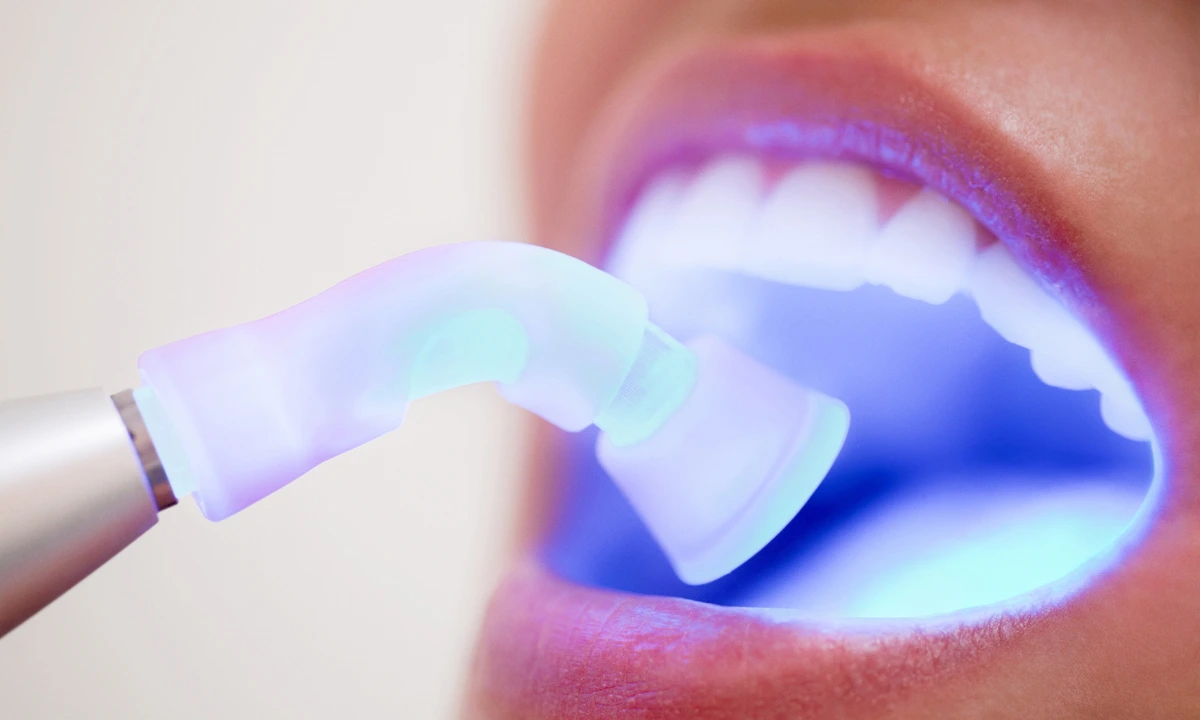
The composite resin is last hardened using a special curing light, after which your dentist will make any necessary final adjustments and polish it to match your surrounding teeth. Overall, the procedure will take around 30 minutes to 1 hour per tooth to complete.
If you have questions about your dental concerns or would like to discuss whether tooth bonding may be suitable for you, schedule an appointment with our dentist at Thomson Dental Centre.
Our dental specialists near you
Loading...
Dental bonding vs porcelain veneers
Dental bonding and porcelain veneers are both popular cosmetic dental procedures, but they differ in method, longevity, and suitability.
Composite bonding
Composite bonding may not require significant enamel removal and is completely reversible. Composite bonding lasts from around 3 to 10 years and is best for treating minor teeth damage.
Porcelain veneers
Porcelain veneers are custom-made ceramic shells that adhere to the front surfaces of your teeth, which will require some enamel removal. Porcelain veneers are not reversible and last from around 10 to 20 years, making them a more suitable treatment for extensive teeth damage.
Advantages of dental bonding
Dental bonding offers multiple advantages compared to other cosmetic dental procedures, as the procedure is:
Versatile:
Dental bonding can help treat a wide range of dental issues you may have, such as chips, cracks, gaps and discolouration.
Minimally invasive:
Dental bonding is one of the least invasive cosmetic dental procedures, as it does not require enamel removal as compared to porcelain veneers and dental crowns, which require significant enamel removal.
Cost-effective:
Dental bonding is one of the least expensive cosmetic dental procedures available.
Fast and convenient:
The procedure will take around 30 to 60 minutes per tooth and can be done within one visit to the dentist, whereas other procedures such as dental crowns or porcelain veneers will require multiple appointments to complete.
However, there are some limitations to dental bonding. The bonding materials used for dental bonding are not as durable as natural teeth and will typically last between 3 and 10 years before needing replacement. Moreover, they can get chipped or stained more easily than other cosmetic dental procedures, such as crowns or veneers.
Aftercare and maintenance of dental bonding

After your dental bonding procedure, you can immediately resume all activities as per normal. To ensure that you can maintain your dental bonding for as long as possible, remember to follow good oral hygiene practices and visit your dentist for regular check-ups.
It is also recommended to avoid habits like the following:
Biting on hard objects like your fingernails or chewing on pens
Consuming too much coffee or tea
Smoking and consuming other tobacco products
These will stain your teeth and potentially damage your bonded tooth. If you notice any sharp edges, changes to the bonded tooth, or general concerns about the way your teeth look, it is best to consult with your dentist as soon as possible for possible treatment options, if necessary.
When should I consider alternatives?
Though it is a relatively simple procedure, dental bonding offers a practical solution for many common dental concerns, helping patients achieve both functional and aesthetic improvements to their smiles. Dental bonding is an excellent choice if you suffer from minor dental injuries such as a chipped tooth or stained teeth.
However, if you have more extensive dental issues, you might be more suited to other forms of cosmetic dental treatments, such as dental veneers or dental crowns. Your dentist can help determine which is the most appropriate solution for your specific situation during your consultation.
Teeth Bonding Cost in Singapore
Teeth bonding in Singapore typically costs between SGD 160 and 350 per tooth, inclusive of GST. A consultation may cost between SGD 27 and 65, depending on the clinic. The final price depends on the complexity of the procedure, the materials used, and the clinic's location.
Because teeth bonding is generally classified as a cosmetic procedure, it is non-MediSave claimable and not eligible for CHAS subsidies. Most insurance plans do not cover cosmetic bonding; however, some policies may extend coverage if the procedure is carried out for restorative purposes or deemed medically necessary. Check your policy or speak with your insurer to confirm what your plan includes.
For further information about cost and whether your insurance plan covers the procedure, don't hesitate to consult with our medical concierge team, which can also help you choose a suitable dentist for you.
FAQ
How long does dental bonding last?
Dental bonding materials usually last between 3 to 10 years, but your bonded tooth’s lifespan will largely depend on how you maintain your own oral health and whether or not you have damaged the bonded tooth in any way.
Is teeth bonding painful?
No, teeth bonding is usually not painful, as it is a non-invasive procedure, meaning most people do not require anaesthesia during the procedure. However, there might be some temporary tooth sensitivity after the bonding is done. This can be managed with over-the-counter pain relievers.
What are the disadvantages of dental bonding?
Dental bonding is not as durable and is more susceptible to wear and tear compared to other cosmetic procedures like porcelain veneers. Porcelain veneers often last between 10 and 20 years, whereas dental bonding typically lasts between 3 and 10 years before needing a touch-up or replacement. The composite resin used for dental bonding can also stain more easily than porcelain veneers.
What is the recovery time after dental bonding?
Dental bonding typically requires no recovery time, meaning you can resume normal activities immediately after leaving the dentist's office. There is no downtime needed to heal, as the bonding material used for dental bonding cures completely during the procedure itself.
Are there any complications or risks related to teeth bonding?
There are no major risks or complications associated with teeth bonding. However, resin is not as strong as your natural teeth. Thus, it is possible for chipping or breaking to still happen after you have done your dental bonding procedure. When that happens, be extra careful not to swallow it, and consult with your dentist immediately on the next steps to be taken.
The information provided is intended for general guidance only and should not be considered medical advice. For personalised recommendations and tailored advice, don’t hesitate to schedule an appointment with a dentist at Thomson Dental Centre.