

If your doctor has suggested dilation and curettage or hysteroscopy to look into abnormal uterine bleeding, it is normal to wonder what each procedure involves and how they differ. Both are used to help diagnose and treat conditions affecting the uterus, but they are done in different ways and may be recommended for different reasons.
Understanding how each procedure works can help you feel more comfortable and ready to discuss your options at your next appointment.
What is dilation and curettage (D&C)?
Dilation and curettage, often called D&C, is a procedure used to remove tissue from the inner lining of your uterus (womb). During the procedure, your doctor gently opens the cervix using specialised instruments.
A thin spoon-shaped tool called a curette is then used to carefully remove tissue from the uterine lining. The procedure is usually quick and is performed to either treat a condition or help your doctor better understand what may be causing your symptoms.
A D&C can be recommended for several reasons. Your doctor may suggest it to:
Remove remaining tissue after a miscarriage, which helps reduce the risk of heavy vaginal bleeding or infection
Remove endometrial polyps, uterine fibroids, or other abnormal growths
Remove infected tissue from the uterus
Investigate the cause of abnormal uterine bleeding through endometrial sampling
Investigate bleeding that occurs after menopause
Check for possible signs of uterine cancer through tissue sampling
After the tissue is removed, it is sent to a laboratory for analysis. The test results can help your doctor confirm a diagnosis and guide any further treatment that may be needed, helping you better understand your condition and next steps.
What is a hysteroscopy?
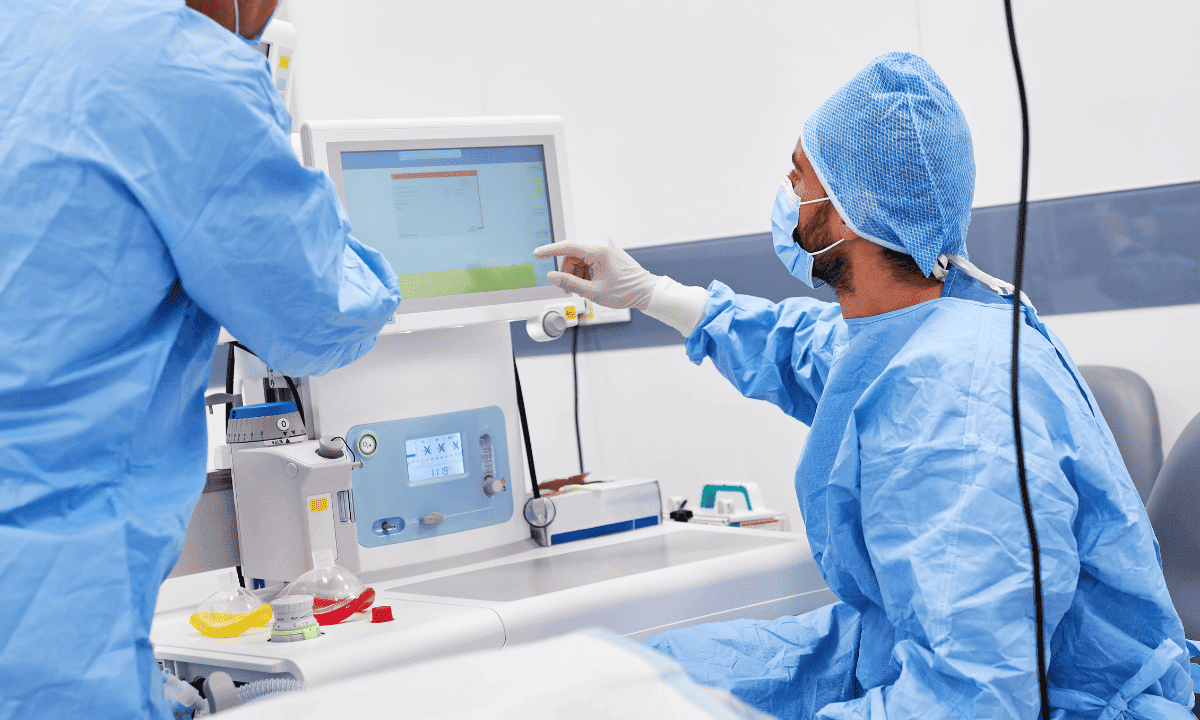
Hysteroscopy is a simple, minimally invasive procedure that lets your doctor look inside your uterus using a thin, lighted scope with a small camera, called a hysteroscope.
During the procedure, a small amount of sterile salt water (saline solution) is gently placed into the uterus to open it slightly. This process is called fluid distension and helps so your doctor can see the inside more clearly.
There are two main types of hysteroscopy:
Diagnostic hysteroscopy:
Helps your doctor find possible causes of abnormal uterine bleeding, heavy menstrual bleeding, or bleeding after menopause.
May also be used to investigate repeated miscarriages or fertility concerns.
Operative hysteroscopy:
Used to manage structural conditions inside your uterus, such as fibroids or polyps.
Can also remove uterine adhesions (scar tissue) or correct structural differences, such as a uterine septum (a thin wall of tissue that divides the uterus).
May also address concerns involving the uterine lining through procedures such as endometrial resection.
In many cases, diagnostic and operative hysteroscopy can be performed during the same session. This allows your doctor to identify and treat issues at the same time, which can help reduce the need for additional procedures and shorten your overall recovery journey.
Key differences between D&C and hysteroscopy
While both focus on treating or examining the uterus, the way they are performed and what you can expect afterwards can be quite different.
Procedure method
One of the main differences between these procedures is how they are performed and how clearly your doctor can see inside the uterus.
Feature | D&C | Hysteroscopy |
How the procedure is done | Your doctor gently opens the cervix and uses a curette to remove tissue from your uterine lining. | Your doctor places a hysteroscope through your cervix to look inside the uterus. |
Doctor’s visibility | The doctor cannot directly see inside the uterus during the procedure. | The doctor can directly see the uterine cavity in real time. |
Main purpose | To sample the entire lining (biopsy), remove abnormal tissue after miscarriage, or treat heavy bleeding. | To identify issues like polyps, fibroids, or adhesions, it allows for direct, targeted removal (operative hysteroscopy). |
Treatment approach | Less targeted. Tissue is removed more generally from the lining. | More targeted. Allows your doctor to treat or remove tissue from a specific area inside the uterus. |
Accuracy | Gives a general sample of the uterine lining. | Gives a clearer and more detailed view of the uterus. |
D&C provides a general sample, while hysteroscopy offers a detailed visual map of your uterine health. Knowing the differences helps explain why your doctor may recommend one procedure instead of the other. It can also help you understand what your doctor is looking for and how the procedure may help with your symptoms.
If you would like to understand which procedure may be suitable for your condition, you may schedule an appointment with our doctors at Thomson Medical for further assessment.
Recovery time

Recovery is often something many women think about when deciding on treatment. For both D&C and hysteroscopy, recovery is usually quite quick.
Most women feel well enough to return to their normal routine within 1 to 3 days after D&C and diagnostic hysteroscopy. Operative hysteroscopy may take closer to 1 to 2 weeks for full recovery, as it involves treating or removing growths inside the uterus.
During recovery, it is common to experience some spotting or light bleeding. Using sanitary pads instead of tampons during this time is recommended, as it makes it easier to monitor your symptoms and lowers the risk of infection.
Your doctor may also recommend avoiding heavy exercise and sexual intercourse for about 1 to 2 weeks to give your body time to heal properly.
Risks and complications
Both D&C and hysteroscopy are generally safe procedures, but like any medical treatment, they carry some risks.
Possible complications for both procedures may include:
Cramping
Light bleeding, but occasionally heavier bleeding can occur
Infection, along with fever, unusual discharge, or pelvic pain
Accidental injury to the uterus
Damage to nearby organs, such as the bowel, bladder, or blood vessels, which is rare
Minor injury to the cervix while it is being opened
Some risks are more specific to each procedure:
Dilation and curettage (D&C) | Hysteroscopy |
May cause uterine scarring, also known as Asherman’s syndrome, which can happen if too much tissue is removed. | May lead to fluid-related complications, such as fluid overload, fluid build-up in the lungs (pulmonary oedema), or electrolyte imbalance, as fluid is used to expand the uterus during the procedure. |
While these risks exist, serious complications like gastrointestinal toxicity or blood clots are rare. Your medical team will monitor you closely throughout the procedure, including carefully managing fluid levels during hysteroscopy, to help keep you safe and reduce risks.
If you have concerns about the risks of D&C or hysteroscopy, you may schedule an appointment with our doctors at Thomson Medical to discuss your condition and receive personalised advice.
Accuracy and diagnostic capability
Finding the exact cause of your symptoms is an important step in choosing the right treatment.
In many cases, hysteroscopy can give doctors a clearer and more accurate view of problems inside the uterus. It is often better at detecting specific conditions such as:
Polyps (small growths in the uterine lining)
Submucous fibroids (fibroids growing into the uterine cavity)
Thickening of the uterine lining (endometrial hyperplasia)
Endometrial cancer
This is because hysteroscopy allows your doctor to see inside the uterus and closely examine any areas that look unusual.
D&C can still be helpful, but it works differently. Instead of seeing inside the uterus, the procedure removes tissue from the lining for testing. Because it is done without direct visual guidance, it may sometimes miss small or localised problems.
Sometimes, your doctors combine hysteroscopy with D&C. This lets them look inside the uterus and remove tissue from specific areas, helping them check problem areas more accurately.
Cost comparison
The total amount you pay can vary depending on where the procedure is performed, the type of anaesthesia used, and whether you are eligible for insurance or MediSave claims.
D&C procedures can range from:
About SGD 1,200 for simpler cases.
About SGD 2,400 or more if the procedure is more complex or requires a hospital stay.
Hysteroscopy costs can range from:
Surgeon fees for diagnostic hysteroscopy typically range from SGD 2,000 to SGD 3,500.
Anaesthetist fees usually range from SGD 550 to SGD 900.
Actual costs can also vary depending on your condition, treatment needs, and the hospital or clinic you choose. Speaking with your healthcare provider or financial counsellor can help you better understand the expected costs and available subsidy or insurance support before your procedure.
Please note that these costs are based on the 2025 price list. Please schedule an appointment with Thomson Medical to learn more about the most up-to-date prices.
Our O&G specialist
Loading...
Choosing the right procedure for you

Hysteroscopy and D&C are sometimes performed together to help diagnose and treat uterine conditions more effectively. With hysteroscopy, your doctor can look directly inside your uterus, while D&C allows them to remove or collect tissue if needed. Having both procedures done together can make your treatment more precise and reduce the chance of missing abnormal areas.
This combined approach may be especially helpful if you have a more complex medical history, as it allows your doctor to examine and treat your uterus more thoroughly in a single procedure.
If you are unsure whether hysteroscopy, D&C, or a combined procedure may be suitable for your condition, you may schedule an appointment with our doctors at Thomson Medical for further evaluation and advice.
FAQ
Can both procedures be used for fertility investigations?
Yes. Your doctor may use hysteroscopy to look inside your uterus for structural problems, while D&C can help remove or sample tissue if needed.
How long does each procedure take?
Diagnostic hysteroscopy usually takes about 5 to 20 minutes. Operative hysteroscopy may take 30 minutes or longer, depending on the complexity. A D&C typically takes up to 30 minutes.
Will you need anaesthesia for a D&C or hysteroscopy?
Yes. You will usually need some form of anaesthesia, which may range from local anaesthesia to general anaesthesia, depending on your procedure and medical needs.
Can polyps or fibroids be treated during the procedure?
Yes. During hysteroscopy, your doctor can often find and remove polyps or fibroids in the same procedure.
Are there any long-term effects on menstruation?
Both procedures are generally safe and minimally invasive. Most women return to their normal menstrual cycle within 4 to 6 weeks. Temporary changes can happen, but long-term effects are uncommon.
How soon can you return to normal activities?
Most women can return to daily activities within 1 to 3 days. However, you may be advised to avoid heavy exercise and sexual intercourse for 1 to 2 weeks. Recovery is usually faster after diagnostic hysteroscopy and may take longer after operative hysteroscopy.
Can the procedures be repeated if needed?
Yes, both procedures can be repeated if medically necessary. However, repeated D&Cs are usually avoided when possible because of the small risk of uterine scarring, so hysteroscopy is often preferred for follow-up diagnosis or treatment.
The information provided is intended for general guidance only and should not be considered medical advice. For personalised recommendations and tailored advice based on your unique situations, please consult a specialist at Thomson Medical. Request an appointment with Thomson Medical today.
For more information, contact us:
Thomson Specialists (Women's Health)
Thomson Women's Clinic (TWC)
- Novena:
6592 6686 (Call), 8611 8986 (WA) - Bukit Batok:
6569 0668 (Call), 8686 3525 (WA) - Choa Chu Kang:
6893 1227 (Call), 8282 1796 (WA) - Jurong:
6262 8588 (Call), 6262 8588 (WA) - Katong (female doctor):
6970 2272 (Call), 8611 9020 (WA) - Punggol:
6243 6843 (Call), 8811 0328 (WA) - Sembawang: 6753 5228
- Sengkang: 6388 8125
- Serangoon (female doctor): 6382 3313
- Tampines: 6857 6266
- Tiong Bahru: 6276 1525
Notice
The range of services may vary between TWC/TS locations. Please contact your preferred branch directly to enquire about the current availability.
Request an Appointment