

When you think of fibroids, you probably picture heavy periods, pelvic pain, or fertility concerns. Bowel issues like constipation rarely come to mind, yet they can be one of the quieter signs that something is happening in your womb.
Because fibroids grow inside the womb, larger ones can press against nearby organs, including your bowel. This pressure slows things down and can lead to constipation, even when your diet and lifestyle haven't changed.
What are fibroids?
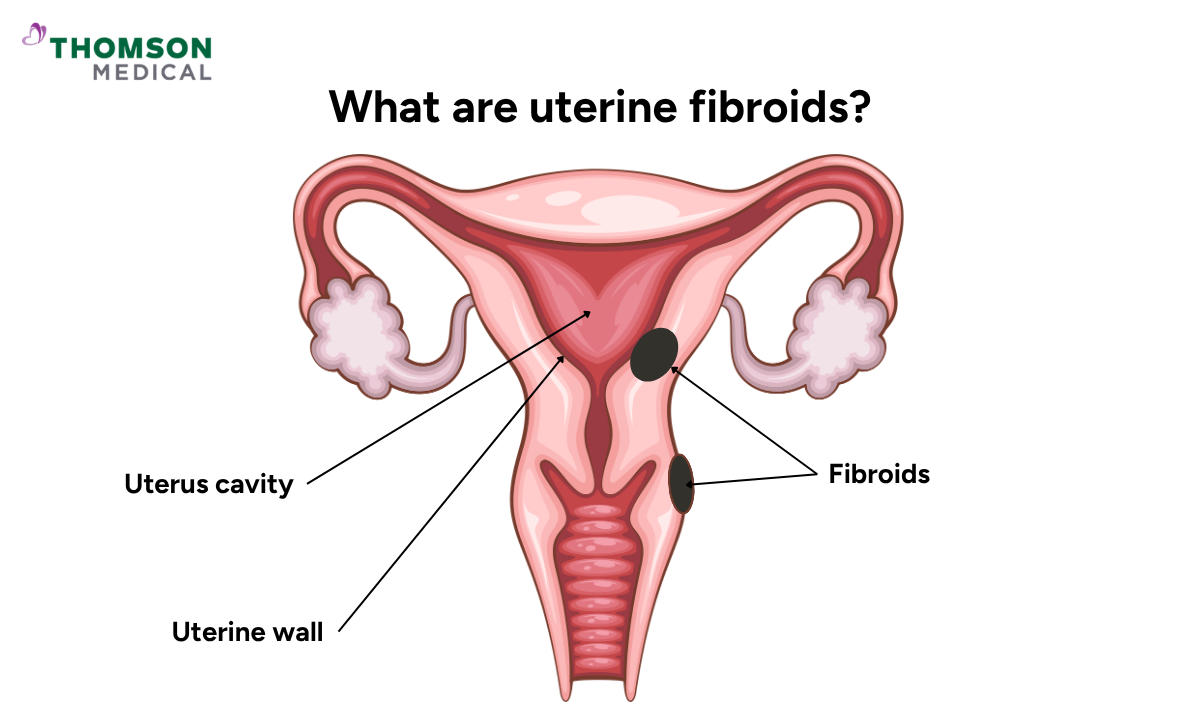
Uterine fibroids are benign (non-cancerous) growths made of muscle and fibrous tissue. They usually develop in or around your womb, often within its muscular wall. They are very common during the reproductive years, and their size can vary widely, from tiny growths only visible on a scan to larger ones that stretch the womb.
Some women have no symptoms at all. However, you may notice:
Pelvic pressure or fullness
Needing to pass urine more often than usual
Lower back ache
Changes in bowel habits, including constipation
How strongly you feel these symptoms often depends on the size, number, and position of your fibroids.
Why can constipation happen with fibroids?
Constipation can occur when fibroids grow large enough to press against nearby organs, particularly your rectum and lower bowel. This can slow the movement of stool and make your bowel movements more difficult or uncomfortable.
Hormonal changes may also play a role. Fluctuations in oestrogen and progesterone can affect how quickly food moves through your digestive system.
Direct pressure
Large fibroids can press on your bowel and reduce the space stool needs to move through. You may feel blocked or like you have not fully emptied your bowels even after going to the toilet.
Hormonal influence
Progesterone can slow the natural movement of the gut. Since fibroids respond to hormones, shifts in your hormone levels may make digestion feel slower than usual. This may make constipation feel worse at certain points in the cycle, even if fibroids are not the direct hormonal cause.
These causes can happen on their own, or they may overlap, which is why constipation from fibroids can be tricky to pinpoint.
If bowel changes are affecting your daily comfort, request an appointment with Thomson Medical. Our specialists can evaluate whether fibroids are contributing and recommend care based on your symptoms and fibroid size.
Which fibroids are most likely to cause constipation?
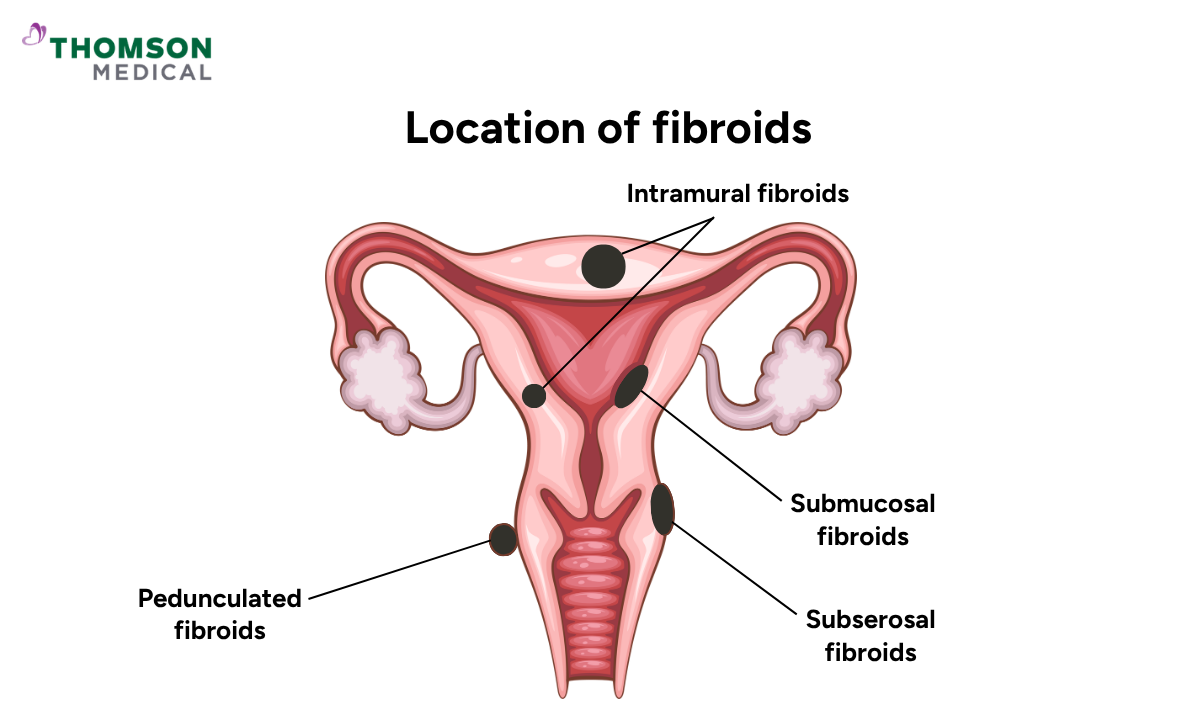
Not all fibroids affect your bowel in the same way. Fibroid location within or around your uterus has a significant effect on which symptoms develop.
The types of fibroids most likely to cause bowel symptoms include:
Subserosal fibroids:
These grow on the outer surface of your uterus.
If they develop on the posterior (back) wall, they are in close proximity to your rectum and are more likely to cause bowel pressure.
Intramural fibroids:
These sit within your muscular uterine wall.
When they grow large, they can significantly increase the size of your uterus, leading to external pressure on the bowel.
Pedunculated fibroids:
These are attached to your uterus by a thin stalk.
If a large pedunculated fibroid settles near the bowel, it can cause significant pressure symptoms.
Submucosal fibroids:
These grow inside your uterine cavity.
They are generally less likely to cause bowel issues, as their primary impact is typically on menstrual flow and fertility, unless they become large enough to significantly enlarge your entire uterus.
Smaller fibroids growing inside your womb are less likely to affect bowel habits on their own. However, if you have several fibroids together, they can still make the womb bigger and put enough pressure on the bowel to cause symptoms.
How is fibroid-related constipation diagnosed?
If you are experiencing constipation alongside other fibroid symptoms, your doctor will want to understand your symptoms in full.
Diagnosis typically includes:
A review of your symptom history
Diagnostic imaging tests, often beginning with a transvaginal ultrasound
Magnetic resonance imaging (MRI) in more complex cases
Your doctor may also rule out other causes, such as:
Dietary factors
Thyroid disorders
Irritable bowel syndrome (IBS)
Medication side effects
If your constipation eases when fibroid size reduces, this helps confirm that the fibroids are the likely cause. This pattern can help your doctor guide the right treatment options for you.
Our gynaecologists
Loading...
How can constipation related to fibroids be managed?
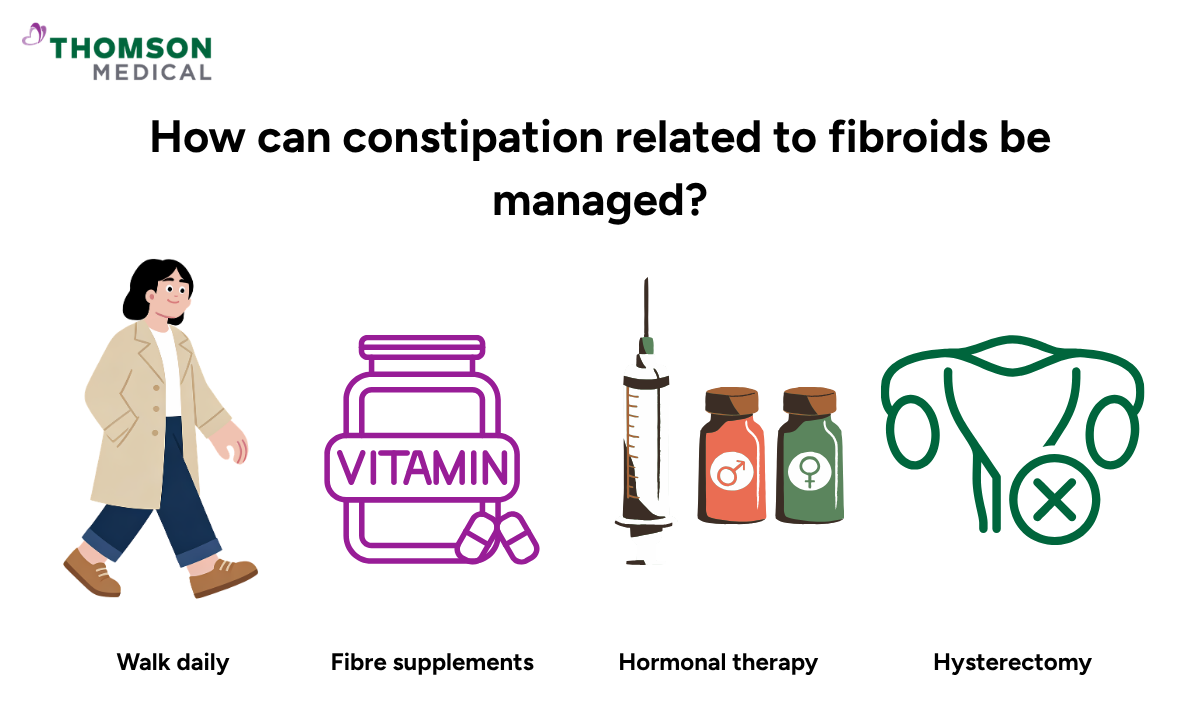
Managing fibroid-related constipation often involves a combination of approaches. You may find relief through simple daily changes, medicines, or treatment aimed at the fibroids themselves.
Lifestyle tips
Simple dietary and lifestyle changes can help ease symptoms, even if they do not treat the fibroids directly.
Simple steps that may help include:
Increase fibre gradually through fruits, vegetables, and whole grains
Drink plenty of water throughout the day
Walk daily to help stimulate bowel movement
Try not to delay when you feel the urge to use the toilet
Repeatedly delaying the urge to use the toilet can weaken the signals your body sends over time, making constipation harder to manage. Responding promptly when the urge arises supports better long-term bowel function.
Medicines
If lifestyle changes are not enough, medications may be used to provide short-term relief.
Your doctor may suggest:
Stool softeners
Osmotic laxatives (medicines that draw water into the bowel to soften stools)
Fibre supplements
These are generally used for short-term relief while the root cause is being looked into.
Treating the fibroids
If pressure from the fibroids is the main cause, treating them directly may offer more lasting relief.
Your doctor may discuss the following options with you:
Hormonal therapy, which can help regulate the hormones that influence fibroid growth
Uterine artery embolisation (UAE), which blocks the blood supply to fibroids, causing them to shrink
Minimally invasive surgery such as myomectomy, which removes fibroids while keeping the uterus intact
Hysterectomy, which removes the uterus entirely, preventing uterine fibroids from recurring in the future
When the pressure on your bowels is reduced, bowel function often improves as well.
It is worth tracking your bowel symptoms alongside your other fibroid-related symptoms. If constipation worsens at certain points in your cycle, this pattern can give your doctor useful information about how your fibroids are affecting surrounding structures.
When should you see a doctor?
Constipation linked to fibroids is worth raising with your doctor, especially if it is affecting your daily routine. Some symptoms, however, need prompt medical attention.
See your doctor promptly if you notice:
Severe or worsening constipation
Stools that are noticeably narrow or pencil-thin
Blood in your stool
Unintentional weight loss
Severe abdominal and pelvic pain
No bowel movement for several days despite treatment
These symptoms can sometimes point to other conditions that need proper assessment. Getting checked promptly means any other causes can be ruled out and the right care can be arranged.
Experiencing unusual symptoms such as blood in your stool or ongoing discomfort is worrying. If you are noticing these changes, request an appointment with Thomson Medical to ensure timely assessment and appropriate management.
FAQ
Can fibroids affect bowel movements even if they are small?
Small fibroids are less likely to cause constipation. However, fibroids positioned near or pressing against the rectum may still lead to bowel symptoms, even if they are not very large.
Are all fibroids likely to cause constipation?
No, most fibroids do not cause bowel problems. Constipation is more commonly associated with larger fibroids or those located at the back of your uterus, where they can press on the rectum.
How do doctors treat constipation caused by fibroids?
Treatment focuses on both relieving constipation and addressing the fibroids if needed. This may include:
- Increasing fibre intake
- Staying well hydrated
- Using medications such as laxatives
If fibroids are causing significant pressure, treatments to shrink or remove them may be recommended.
Can constipation improve after fibroid treatment?
Yes, many people notice improvement after fibroids are treated, especially if constipation was caused by pressure on the bowel. Reducing or removing the fibroids can help restore more normal bowel function.
How can I prevent constipation if I have fibroids?
Preventing constipation involves maintaining good daily habits, such as:
- Staying hydrated
- Keeping active
- Eating enough fibre (around 25 to 35 grams per day)
- Managing stress
- Limiting highly processed foods
Can hormonal changes from fibroids worsen constipation?
Fibroids themselves do not produce hormones, but they are influenced by oestrogen and progesterone. Hormonal fluctuations, particularly higher progesterone levels, can slow bowel movements, which may worsen constipation at certain times in the menstrual cycle.
The information provided is intended for general guidance only and should not be considered medical advice. For personalised recommendations and tailored advice based on your unique situations, please consult a specialist at Thomson Medical. Request an appointment with Thomson Medical today.
For more information, contact us:
Thomson Specialists (Women's Health)
Thomson Women's Clinic (TWC)
- Novena:
6592 6686 (Call), 8611 8986 (WA) - Bukit Batok:
6569 0668 (Call), 8686 3525 (WA) - Choa Chu Kang:
6893 1227 (Call), 8282 1796 (WA) Jurong:
6262 8588 (Call), 6262 8588 (WA)- Katong (female doctor):
6970 2272 (Call), 8611 9020 (WA) - Punggol:
6243 6843 (Call), 8811 0328 (WA) - Sembawang: 6753 5228
- Sengkang: 6388 8125
- Serangoon (female doctor): 6382 3313
- Tampines: 6857 6266
- Tiong Bahru: 6276 1525