

You have been meaning to book that Pap smear for a while, and somewhere in the back of your mind, the question lingers: does a Pap smear hurt? Maybe a previous experience left you uneasy, or you simply are not sure what to expect.
That hesitation makes complete sense, but it does not have to hold you back. Knowing what actually happens during a Pap smear and why certain sensations occur can shift the whole experience from something you dread to something you feel ready for.
What happens during a Pap smear?
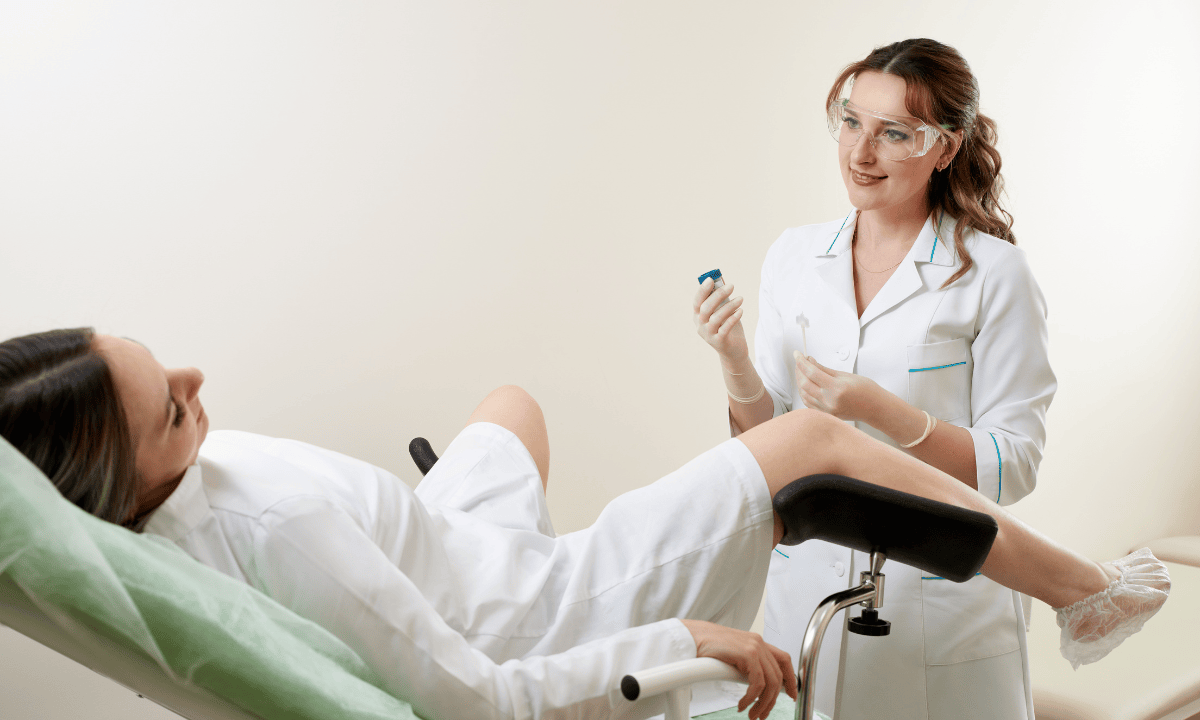
A Pap smear is a cervical screening test that looks for early changes in the cells of your cervix – the narrow, lower part of your womb that connects to the vagina. Catching these changes early is one of the effective ways to protect your cervical health.
The procedure tends to take around five minutes. Your doctor or nurse will talk you through each step as it happens.
The process generally looks like this:
You will lie on your back with your knees bent and feet resting on the examination table.
A small instrument called a speculum is gently inserted into your vagina, giving your doctor a clearer view of your cervix.
A soft brush collects a small sample of cells from the surface of your cervix. This part takes only a few seconds.
The sample is sent to a laboratory to be examined for any cell changes.
If anything feels uncomfortable along the way, your doctor or nurse is there to help you through it.
Does a Pap smear hurt?
If you have been putting off your Pap smear out of worry, it’s completely understandable.
That said, for many women, this procedure causes little to no pain. What is more commonly described is a brief sense of pressure or mild discomfort, rather than anything sharp or lasting.
That said, everybody is different, and your experience may not be the same as someone else's.
What does normal discomfort feel like?
It can be helpful to know what sensations are considered normal before you go in.
Typical discomfort during a Pap smear might feel like:
Mild pressure or fullness when the speculum is inserted
A brief, dull ache as the cervical brush collects cells
A temporary cramp, similar to a mild period pain
Pain that feels sharp or intense is less typical. If you do experience this, letting your doctor or nurse know means they can pause and adjust their approach. You can ask to stop at any point – there is no pressure to push through.
Factors that may affect your comfort during a Pap smear
Being aware of what can affect your comfort during a Pap smear can help you plan your appointment a little more thoughtfully.
Some of the more common factors:
Your menstrual cycle:
Your cervix can feel more tender around the time of your period, which may heighten sensitivity during the examination.
Muscle tension and anxiety:
Feeling nervous can cause the pelvic muscles to tighten involuntarily, making the speculum feel more uncomfortable.
Speculum size:
A speculum that is not well-suited to your anatomy can make insertion feel more noticeable.
Vaginal dryness:
Lower oestrogen levels during perimenopause or menopause can cause vaginal dryness, increasing sensitivity during the procedure.
Feeling rushed or unsettled:
Arriving feeling pressed for time can add unnecessary tension to the body, which may affect how the examination feels.
Understanding what may be contributing to your discomfort is a helpful first step. The next is knowing what you can do about it.
If one or more of these factors apply to you, schedule an appointment with Thomson Medical. Our doctors can discuss your concerns beforehand and adjust their approach to make the examination as comfortable as possible for you.
Gynaecologists at Thomson Medical
Loading...
Tips to make your Pap smear more comfortable
.png?branch=production)
A little preparation can help you feel more at ease before and during your appointment.
Try these simple steps:
Book at the right time:
Try to schedule your Pap smear mid-cycle, away from your period.
This tends to be when your cervix is least sensitive and the sample can be collected most clearly.
Let your doctor know beforehand:
If you have any concerns or conditions that may affect your comfort, sharing these ahead of time allows your doctor to approach the examination more carefully.
Breathe through it:
Inhale gently through your nose and exhale through your mouth. This helps ease any tension in your pelvic muscles.
Ask for what you need:
Whether it is a smaller speculum, a slower pace, or simply a moment to settle before things begin, it is always fine to ask.
Be gentle with yourself afterwards:
Give yourself a little time after the appointment, especially if you felt anxious going in.
A short rest or something comforting afterwards can help you decompress.
If you have had a difficult experience with a Pap smear before, it may be worth requesting a longer appointment slot. This gives you and your doctor a little more time to talk, to prepare, and to move at a pace that feels right for you.
What to expect after a Pap smear
Many women feel well enough after a Pap smear to carry on with their day as normal. Some may notice mild after-effects in the hours that follow, which are often temporary.
A small amount of spotting or light discharge after the procedure is fairly common. This is your cervix responding to the gentle contact of the brush and tends to settle within a day or two.
Some women also experience a dull, achy feeling in the lower abdomen afterwards, like a mild period cramp. This may ease on its own within a few hours.
While the symptoms above are considered typical, it is worth getting in touch with your doctor if you notice:
Bleeding that is heavier than light spotting or does not settle after a couple of days
Pelvic pain that worsens rather than improves
An unusual or strong-smelling vaginal discharge
These signs can sometimes point to an underlying cause that benefits from early attention. Getting them checked promptly can allow your doctor to rule it out and offer some peace of mind in the process.
Results are normally available within a few weeks. Your doctor will be in touch to walk you through what the findings mean for you and whether any follow-up is needed. For many women, results come back normal, which can bring a quiet sense of relief.
Your care continues when you leave the appointment. If something does not feel quite right in the days that follow, reaching out to your doctor early is always a reasonable step.
If you are experiencing symptoms after your Pap smear that do not seem to be settling, schedule an appointment with Thomson Medical. Our doctors can assess what you are experiencing and let you know whether any follow-up is needed.
FAQ
Does a Pap smear hurt the first time?
It can feel more noticeable the first time, simply because the sensation is unfamiliar. Many women find it more manageable than they expected, though experiences do vary.
Why did my Pap smear hurt more than usual?
A number of things can contribute, including where you are in your cycle, muscle tension on the day, or changes in vaginal tissue over time. If the discomfort felt significant, it is worth mentioning to your doctor at your next visit.
Is it normal to bleed a little after a Pap smear?
Light spotting afterwards is fairly common and tends to settle within a day or two. If bleeding is heavier or persists beyond that, it is worth checking in with your doctor.
Can I take a painkiller before a Pap smear to reduce discomfort?
Some women find this helpful. Consider speaking to your doctor beforehand to see whether it may be suitable for you.
Does a Pap smear hurt more if you're a virgin?
It may feel more unfamiliar if you have not had sexual intercourse before. Letting your doctor know ahead of time means they can use a smaller speculum and take extra care throughout.
How can I relax during a Pap smear?
Slow, steady breathing is one of the simplest and most effective ways to ease muscle tension during the examination. Letting your doctor know if you are feeling anxious can also help them adjust their pace.
The information provided is intended for general guidance only and should not be considered medical advice. For personalised recommendations and advice based on your unique situation, please consult a specialist at Thomson Medical. Request an appointment with Thomson Medical today.
For more information, contact us:
Thomson Specialists (Women's Health)
Thomson Women's Clinic (TWC)
- Novena:
6592 6686 (Call), 8611 8986 (WA) - Bukit Batok:
6569 0668 (Call), 8686 3525 (WA) - Choa Chu Kang:
6893 1227 (Call), 8282 1796 (WA) - Jurong:
6262 8588 (Call), 6262 8588 (WA) - Katong (female doctor):
6970 2272 (Call), 8611 9020 (WA) - Punggol:
6243 6843 (Call), 8811 0328 (WA) - Sembawang: 6753 5228
- Sengkang: 6388 8125
- Serangoon (female doctor): 6382 3313
- Tampines: 6857 6266
- Tiong Bahru: 6276 1525
Notice
The range of services may vary between TWC/TS locations. Please contact your preferred branch directly to enquire about the current availability.
Request an Appointment