

After a diagnosis of endometrial cancer, or once treatment is behind you, the question that tends to surface is what happens from here. It’s a difficult one to answer in general terms, because the outlook depends heavily on the stage at diagnosis, along with the type and grade of the cancer and your overall health.
What can be said is that endometrial cancer is more often found at an early stage than most gynaecological cancers, largely because abnormal bleeding prompts people to seek help. Here’s what shapes the outlook for endometrial cancer, how survival statistics should be read, and what follow-up care involves.
What does endometrial cancer survival rate mean?
When discussing endometrial cancer outcomes, you may come across the term survival rates. While the word “survival” can feel worrying, these figures are not meant to predict how long an individual person will live or what their outcome will be after diagnosis.
Rather, they provide the percentage of people with a particular cancer who are alive five years after diagnosis, compared to people of the same age in the general population without that cancer.
They can help doctors to understand the overall effectiveness of available treatments. The five-year period is also considered meaningful for assessing cancer outcomes, as recurrences are likely to occur within this timeframe.
Endometrial cancer outlook by stage
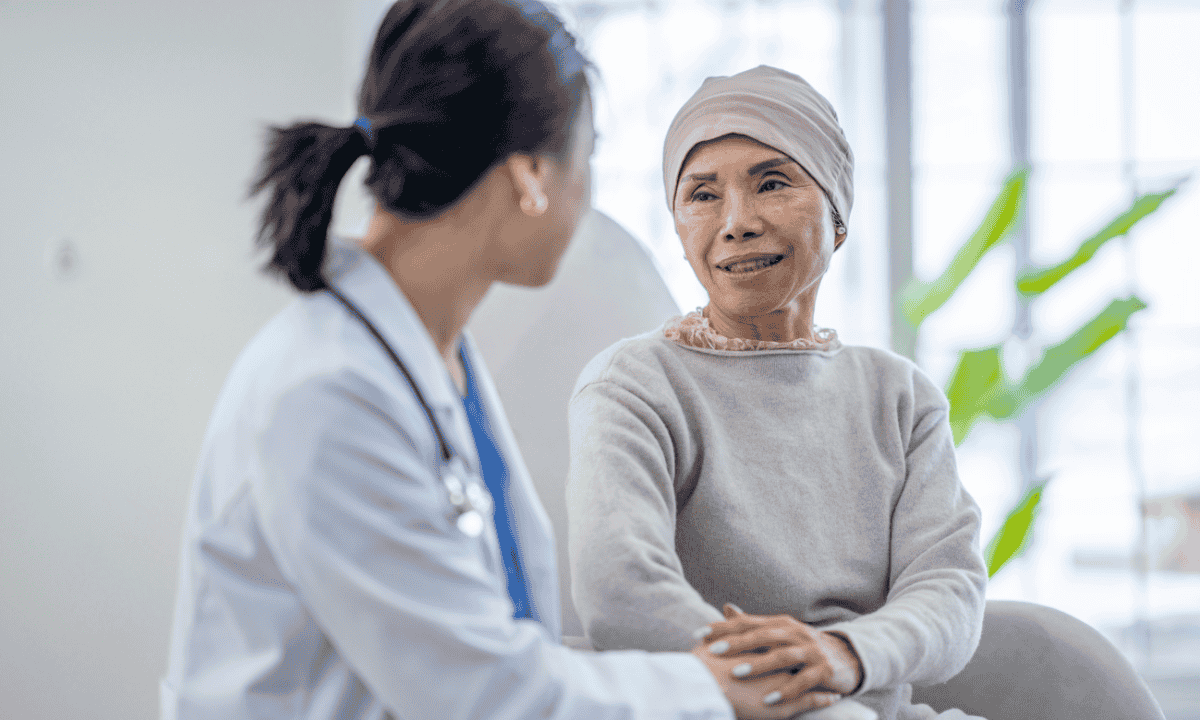
According to research in the US, which analysed over 129,000 patients using the FIGO 2023 staging of endometrial cancer, the estimated 5-year outlook varies according to the stage of cancer.
Stage 1
In stage 1 endometrial cancer, the cancer is confined to the uterus (womb) and has not spread to nearby lymph nodes or distant organs. The cancer may be limited to the endometrium, which is the inner lining of the uterus, or it may have grown deeper into the myometrium, the muscular layer of the uterine wall.
As the cancer remains within the uterus at this stage, it is generally associated with a more favourable outlook compared with later stages. The estimated 5-year outlook for stage 1 endometrial cancer is around 86% to 88%.
Stage 2
In stage 2 endometrial cancer, the cancer has spread from the uterus into the cervical stroma, which is the connective tissue within the cervix. However, it remains confined to the uterus and cervix and has not spread to distant parts of the body.
Since the cancer has extended beyond the uterine lining but remains within the reproductive organs, treatment may involve a combination of approaches depending on the cancer characteristics and individual health factors. The estimated 5-year outlook for stage 2 endometrial cancer is around 75% to 85%.
Stage 3
In stage 3 endometrial cancer, the cancer has spread beyond the uterus to nearby areas within the pelvis or abdomen. It may involve nearby structures such as the ovaries, fallopian tubes, vagina, surrounding tissues, or lymph nodes.
At this stage, the cancer has extended beyond the uterus, which may require more comprehensive treatment approaches. The estimated 5-year outlook for stage 3 endometrial cancer is approximately around 41% to 62%.
Stage 4
Stage 4 endometrial cancer means the cancer has spread outside the pelvis to nearby organs or distant areas of the body. Depending on the extent of the disease, it may involve the bladder, bowel, lungs, liver, bones, or distant lymph nodes.
As the cancer has spread more extensively, treatment focuses on managing the disease, controlling symptoms, and improving quality of life. The estimated 5-year outlook for stage 4 endometrial cancer is approximately 18% to 33%.
However, your individual outlook depends on more than the stage alone. Other factors that contribute to what a doctor can tell you about your situation include the type and grade of the cancer, the results of laboratory tests on the cancer cells, your overall health, and how the cancer responds to treatment.
If you have questions about a recent diagnosis or want to understand what the findings mean for your situation, a gynaecological oncologist can talk you through the options. Schedule an appointment with Thomson Women's Clinic & Cancer Surgery.
Our women's cancer specialist
Loading...
What factors can affect the endometrial cancer outlook?
The outlook for endometrial cancer can vary from person to person. While the cancer stage is one of the most important factors that doctors consider, other factors such as the cancer grade, tumour type, age, and overall health can also influence how the disease behaves and how well it responds to treatment.
Your doctor will assess these factors together with your treatment history to better understand your individual condition and recommend the most suitable care plan.
Patient-related factors
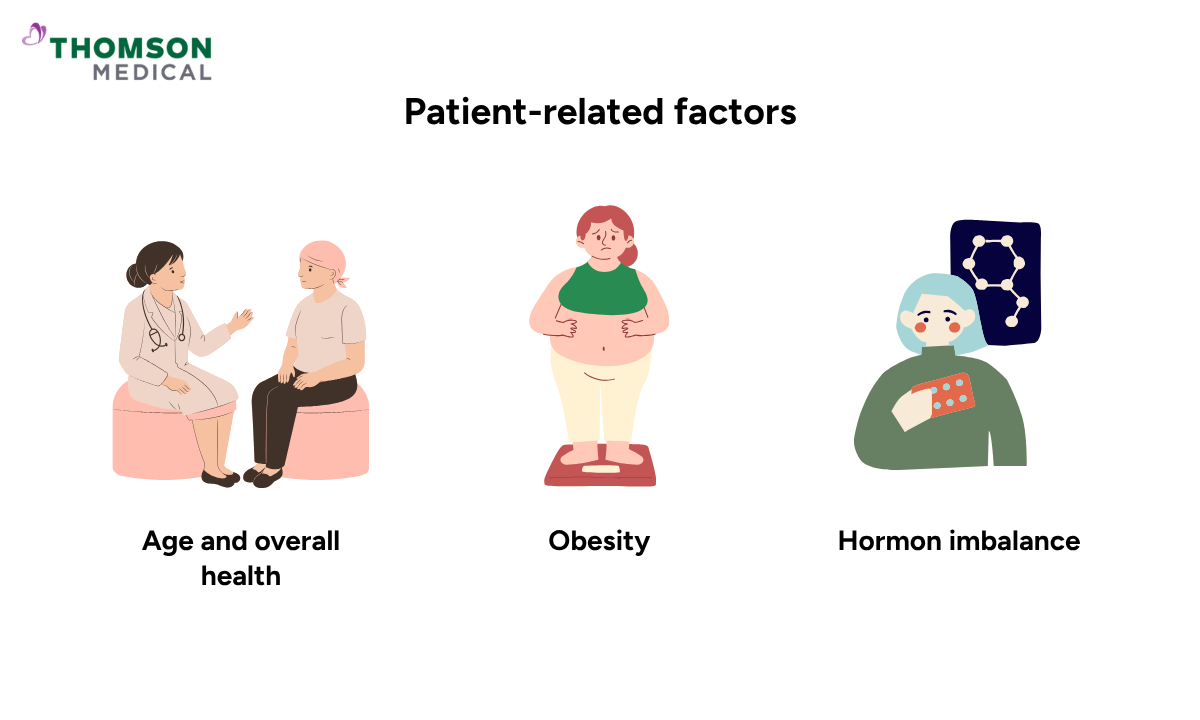
Apart from cancer characteristics, individual health factors can also influence how endometrial cancer progresses and how well someone responds to treatment.
Age and overall health:
Patient age can play a role in the outlook of endometrial cancer, particularly in more advanced cases. Older adults may be more likely to have aggressive cancer features or other health conditions that can affect treatment options and recovery.
A study involving postmenopausal women found that those aged 80 and above had a five-year outlook of around 45% to 46%, compared with around 76% to 77% among those younger than 80.
Obesity:
Obesity is a well-established risk factor for developing endometrial cancer, and it may also influence recurrence risk.
Excess body fat can increase oestrogen levels in the body through a process called aromatisation. This process happens because fat tissue can convert certain hormones into oestrogen.
When there is too much oestrogen over a long period, it can cause the lining of the uterus to continue growing without enough balance from progesterone. This ongoing stimulation may increase the risk of developing oestrogen-sensitive (type 1) endometrial cancer.
Hormone imbalance:
Hormonal factors, particularly an imbalance between oestrogen and progesterone, can influence the development and behaviour of some endometrial cancers.
Higher levels of oestrogen without enough progesterone can stimulate the growth of the endometrial lining, increasing the risk of certain cancers.
Cancer-related factors
Certain characteristics of the cancer itself can affect the endometrial cancer outlook, including how abnormal the cancer cells look, the type of cancer, and how aggressively it may grow or spread.
Cancer grade
Cancer grade describes how different the cancer cells look compared with normal cells. Doctors determine the grade by analysing a tissue sample from the tumour, usually collected during surgery or a biopsy.
Grade 1 (low-grade) cancers: cells look more similar to normal cells and usually grow and spread more slowly.
Grade 2 cancers: cells show more noticeable differences from normal cells and have an intermediate risk of behaving aggressively.
Grade 3 (high-grade) cancers: cells look less like normal cells and are more likely to grow and spread quickly.
Cancer type
Endometrial cancer can develop from different types of cells, and some types tend to behave more aggressively than others.
Type 1 cancer: usually lower-grade and less aggressive. It is the more common type of endometrial cancer and generally has a better outlook.
Type 2 cancer: tends to be more aggressive and may grow or spread more quickly. These cancers are associated with a higher risk of recurrence and may have a less favourable outlook.
How can endometrial cancer treatment affect your outlook?
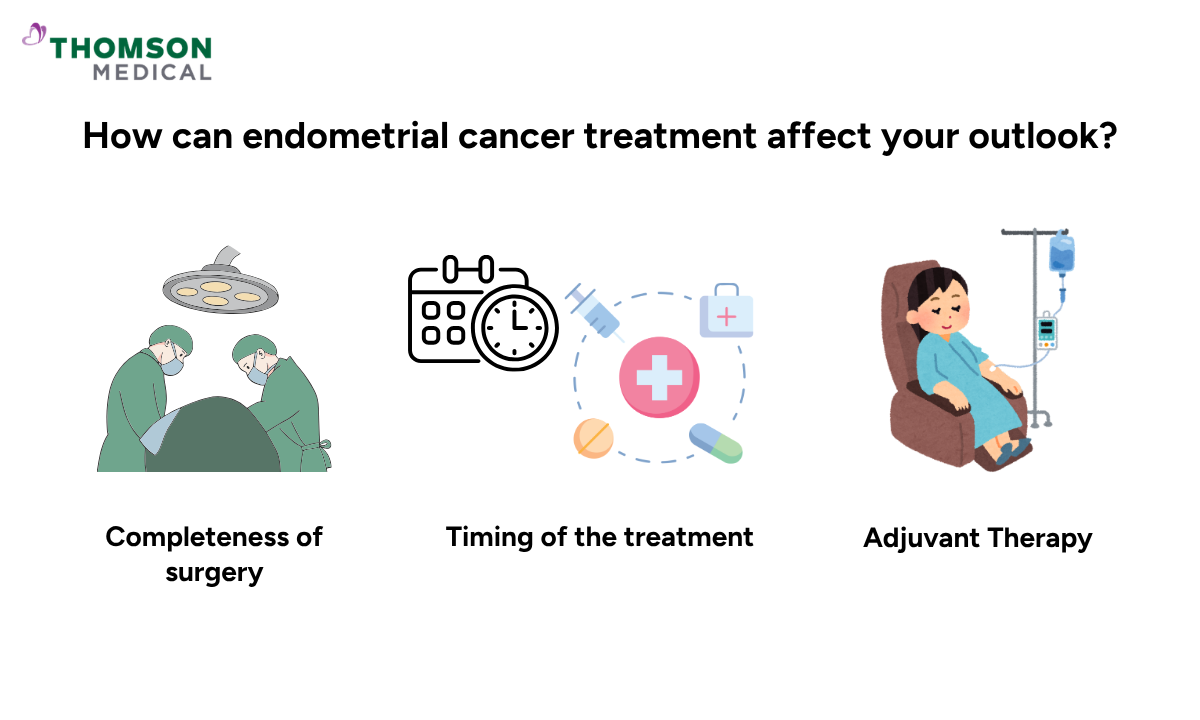
The type of treatment you receive and how well your cancer responds to treatment can also influence the outlook of endometrial cancer.
Type and completeness of surgery
Surgery is the main treatment for most people with endometrial cancer, especially when the cancer is diagnosed at an early stage. The procedure usually involves a total hysterectomy, which removes the uterus, and may also include removing the fallopian tubes and ovaries (bilateral salpingo-oophorectomy) depending on the individual case.
The completeness of surgery can influence the long-term outlook of endometrial cancer. When all visible cancer cells are removed, there are fewer remaining cancerous cells that could continue to grow or spread, which may be associated with better treatment outcomes.
However, if any cancer cells remain after surgery, or the cancer has already spread beyond the areas that can be removed, additional treatments may be needed to improve long-term results.
Timing of treatment
Receiving appropriate treatment at the right time can influence the long-term outlook of endometrial cancer. Starting treatment promptly after diagnosis allows doctors to manage the cancer before it has more time to grow or spread, which may be particularly important for cancers that are more aggressive or diagnosed at a later stage.
However, the impact of treatment timing can vary depending on factors such as the cancer stage, tumour characteristics, and the individual’s overall health.
Adjuvant therapy
Adjuvant therapy refers to additional treatment given after surgery to help target any remaining cancer cells that may not be visible on scans or during surgery. This treatment can help improve disease control and may contribute to better long-term outcomes.
For those with an intermediate risk of recurrence, treatments such as vaginal brachytherapy (a targeted form of radiation therapy) may be recommended to reduce the chance of cancer returning in the vaginal area. For higher-risk endometrial cancers, such as advanced-stage disease or more aggressive cancer types, doctors may recommend treatments such as pelvic radiotherapy, chemotherapy, or a combination of therapies.
If you would like to better understand your treatment options or whether additional treatments may be beneficial for your condition, consult a gynaecological oncologist for an assessment. Schedule an appointment with Thomson Women's Clinic & Cancer Surgery for guidance on your endometrial cancer care.
How to reduce the risk of endometrial cancer recurring?
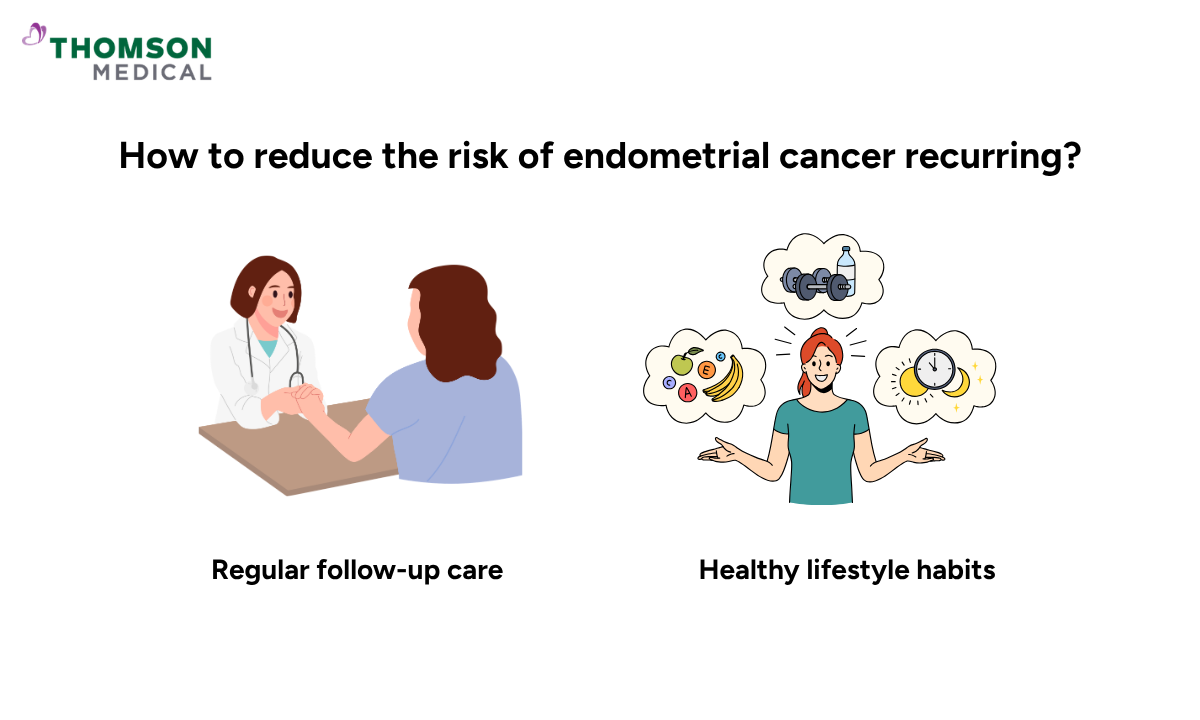
Although it is not always possible to prevent endometrial cancer from returning, there are several steps you can take to support your recovery and reduce the risk of recurrence.
Regular follow-up care
After completing treatment, your doctor will recommend a follow-up schedule based on your individual risk of recurrence. For women with early-stage, low-risk endometrial cancer who are not experiencing any symptoms, follow-up appointments are generally recommended as follows:
Years 1 to 2: every 3 to 6 months
Year 3: every 6 to 12 months
Years 4 to 5: once a year
During these visits, your doctor may review your symptoms, perform a physical or pelvic examination where appropriate, and recommend additional tests if recurrence is suspected. Attending these appointments is important, even if you feel well, as some recurrences may be detected before noticeable symptoms develop.
Healthy lifestyle habits
In addition to regular medical follow-up, maintaining a healthy lifestyle may help support your overall wellbeing after cancer treatment. This includes:
Eating a balanced and nutritious diet
Maintaining a healthy weight
Being physically active with regular exercise
Avoiding smoking or quitting if you currently smoke
Managing other long-term health conditions, such as diabetes or high blood pressure, as advised by your doctor
FAQ
How long is recovery from endometrial cancer?
The duration of endometrial cancer treatment varies depending on the stage of cancer and the treatment plan. Surgical treatment, such as hysterectomy, often involves a hospital stay of a few days followed by around 4 to 8 weeks of recovery before you can return to your daily activities. Non-surgical treatments such as chemotherapy are usually given in cycles, often once every 3 to 4 weeks, and may take several cycles to complete.
Overall, the active treatment phase, whether surgery alone or combined with non-surgical treatments, commonly lasts for several months, while follow-up care typically continues for several years. Follow-up visits are usually more frequent during the first 2 to 3 years to monitor your recovery and check for any signs of recurrence.
Can endometrial cancer be treated if it has spread?
Endometrial cancer is still treatable when it has spread beyond the uterus, particularly if the spread is limited and can be managed with surgery, radiotherapy, or systemic treatments such as chemotherapy or hormone therapy.
However, metastatic cancer that has spread to distant organs can be more difficult, and treatment may focus on controlling the cancer, relieving symptoms, and maintaining your quality of life.
How do you know if endometrial cancer has spread?
The symptoms of endometrial cancer spreading can vary depending on where the cancer has grown. If it remains in or near the uterus, you may experience abnormal vaginal bleeding, unusual discharge, pain during urination or intercourse, unexplained weight loss, pelvic pain, or persistent tiredness.
If the cancer spreads to other parts of the body, symptoms may depend on the affected organ. These can include changes in urination or bowel movements, abdominal pain, persistent cough or shortness of breath, ongoing bone pain, or headaches and changes in balance, speech, or memory.
However, as these symptoms can also have other causes, your doctor may recommend imaging tests or a biopsy to confirm whether the cancer has spread.
What are the possible complications of endometrial cancer?
When diagnosed and treated at an early stage, endometrial cancer generally responds well to treatment. However, if left untreated or diagnosed at a more advanced stage, complications may occur, including:
- Spread of the cancer to nearby organs or distant metastasis to other parts of the body.
- Anaemia, which may develop due to prolonged or heavy vaginal bleeding.
The information provided is intended for general guidance only and should not be considered medical advice. For personalised recommendations and advice based on your individual circumstances,schedule an appointmentwith Thomson Medical.
Reference
Hag-Yahia, N., Gemer, O., Eitan, R., Raban, O., Vaknin, Z., Levy, T., Leytes, S., Lavie, O., Ben-Arie, A., Amit, A., Namazov, A., Volodarsky, M., Ben-Shachar, I., Atlas, I., Bruchim, I., Kadan, Y., Helpman, L. (2021). Age is an independent predictor of outcome in endometrial cancer patients: An Israeli Gynecology Oncology Group cohort study. Acta obstetricia et gynecologica Scandinavica, 100(3), 444–452.https://doi.org/10.1111/aogs.14015
Mager, K. L., McLean, K. (2026). Endometrial cancer: A review. JAMA, 335(18), 1616-1627.https://doi.org/10.1001/jama.2026.2248
Berek, J. S., Matias-Guiu, X., Creutzberg, C., Fotopoulou, C., Gaffney, D., Kehoe, S., Lindemann, K., Mutch, D., Concin, N. (2023). FIGO staging of endometrial cancer: 2023. International Journal of Gynaecology Obstetrics, 162(2), 383–394.https://doi.org/10.1002/ijgo.14923
For more information, contact us:
Thomson Medical Concierge
- 8.30am - 5.30pm
- WhatsApp: 9147 2051
Need help finding the right specialist or booking for a group?
Our Medical Concierge is here to help you. Simply fill in our form, and we'll check and connect you with the right specialist promptly.
Notice:
The range of services may vary between Thomson clinic locations. Please contact your preferred branch directly to enquire about the current availability.
Get In Touch