

Living with endometriosis can leave you feeling worn down by pain that keeps returning, even when you are doing everything you can to manage it. When symptoms do not fit neatly into a box, it is natural to look for an approach that sees the whole picture.
Traditional Chinese Medicine (TCM) offers a different way of understanding endometriosis by focusing on the underlying imbalances in your body, rather than the condition alone, with the aim of supporting relief and long-term balance.
What is endometriosis?
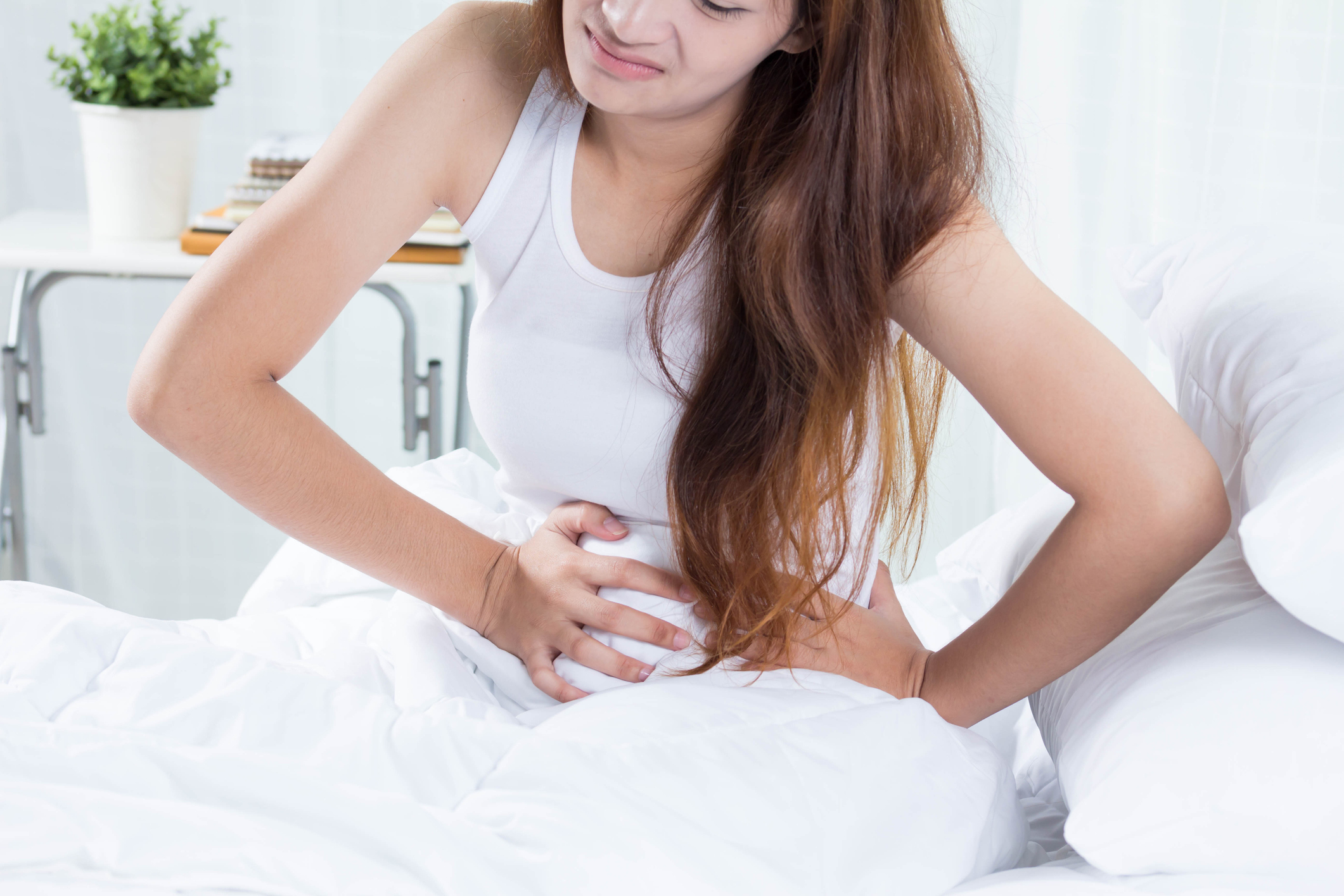
Endometriosis is a long term inflammatory condition where tissue similar to the uterine lining grows outside your womb. These growths can appear on your ovaries, fallopian tubes, pelvic lining, bowel or bladder. Because this tissue responds to hormonal changes during your menstrual cycle, it can lead to ongoing inflammation and pain.
You may experience symptoms such as
Pelvic pain or cramping
Painful or heavy periods
Digestive discomfort or bloating
Ongoing fatigue
Fertility challenges in some cases
It is important to know that symptoms can look very different from one person to another. The severity of pain does not always reflect how advanced the condition is.
How does TCM view endometriosis?
In TCM, endometriosis is not seen as a single disease. Instead, it is understood as a result of underlying imbalances within your body that disrupt the smooth flow of Qi, blood, and fluids in your pelvic region.
TCM places strong emphasis on the smooth circulation of Qi and blood, particularly in the pelvic region. When this flow is disrupted, or when cold or dampness accumulates in your uterus, discomfort and dysfunction can develop. Over time, these imbalances may contribute to ongoing pain, inflammation, and changes in your menstrual cycle.
Rather than focusing only on symptom relief, TCM takes a root-cause approach. Your practitioner looks at the underlying patterns contributing to your symptoms and works to restore balance, while supporting your body’s natural ability to regulate and heal itself.
If you are experiencing ongoing pelvic discomfort, painful periods, or menstrual changes, schedule a consultation with a TCM physician at Thomson Chinese Medicine today. Our TCM physician can assess your individual patterns and guide you with a personalised, root-focused approach to care.
Common TCM patterns linked to endometriosis
In clinical practice, most women with endometriosis experience a combination of TCM patterns rather than a single imbalance. Your practitioner will take time to understand your full picture, including your menstrual cycle, pain patterns, digestion, energy levels, emotional health, as well as your tongue and pulse, to identify which imbalances are most dominant for you.
Blood stasis
Blood stasis is one of the most common patterns seen in endometriosis. In TCM, it refers to blood that is not circulating smoothly, especially within the pelvic region.
This pattern is often linked to:
Sharp or stabbing pelvic pain
Pain that worsens before or during menstruation
Dark menstrual blood or clots
Pain in a fixed location
From a TCM perspective, pain arises when blood cannot circulate smoothly. Treatment focuses on improving blood flow, easing obstruction, and reducing pain over time.
Qi stagnation
Qi stagnation often occurs alongside blood stasis and is closely associated with ongoing stress or emotional tension.
You may notice:
Distension or cramping rather than sharp pain
Symptoms that worsen with stress
Breast tenderness before periods
Mood changes such as irritability or low mood
Supporting the smooth movement of Qi can help ease both physical discomfort and emotional strain, making this an important part of your treatment plan.
Coldness in the uterus
In TCM, coldness in the uterus describes a lack of warmth in your pelvic region. When your uterus is not adequately warm, circulation can slow down, making menstrual pain more likely to occur.
Common signs include:
Pain that improves with warmth
Sensitivity to cold
Delayed or scanty periods
Pale menstrual blood
In TCM, warmth is essential for healthy blood flow and normal menstrual function, which is why supporting uterine warmth is a key treatment focus in these cases.
Dampness and phlegm
In TCM, dampness and phlegm relate to how efficiently your body processes and moves fluids. When this system is not working optimally, excess dampness can accumulate in your pelvis and contribute to inflammation.
You may recognise this pattern if you experience:
Heaviness or bloating
Digestive discomfort
Sticky or prolonged bleeding
Ovarian cysts or masses
By addressing dampness and phlegm, TCM focuses on supporting your digestion, reducing inflammation, and helping your body restore smoother circulation to prevent further stagnation.
Our physicians
Loading...
TCM approaches for managing endometriosis
TCM treatment for endometriosis is highly personalised. Rather than following a fixed protocol, your care plan is adjusted over time as your symptoms, cycle, and overall health change. The aim is to support your body gently and consistently, while addressing the underlying patterns contributing to pain and inflammation.
Acupuncture
Acupuncture is commonly used to support women with endometriosis. During treatment, fine, sterile needles are placed at specific points to improve circulation, calm your nervous system, and help ease pain.
Acupuncture may help you by:
Improving blood flow in your pelvic region
Reducing inflammation and muscle tension
Modulating pain signals
Supporting hormonal balance and cycle regulation
Over time, many women notice reduced pain intensity, more regular cycles, and improved emotional resilience.
Herbal medicine
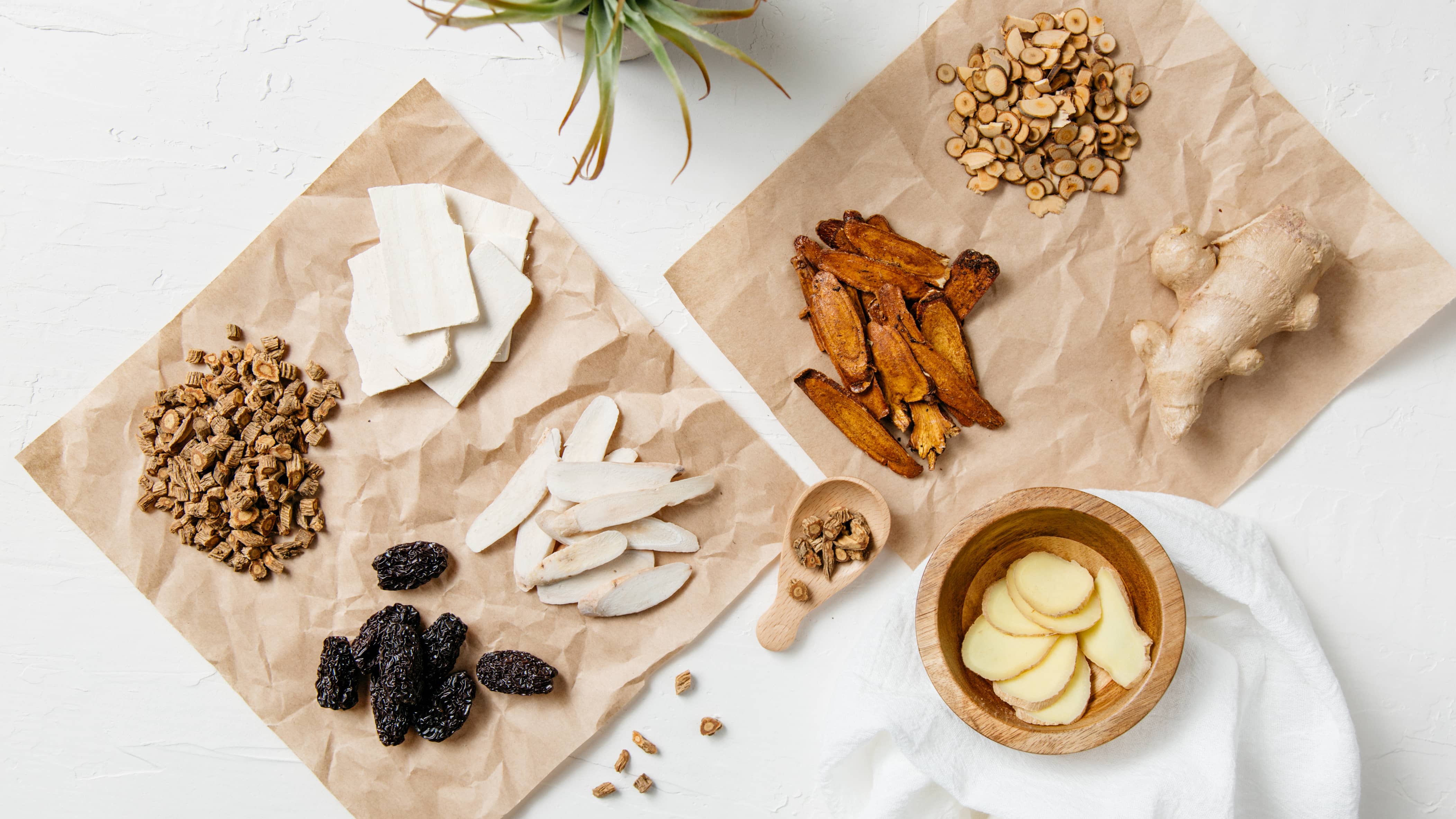
Chinese herbal medicine uses customised formulas tailored to your individual TCM syndrome. These formulas may change throughout your menstrual cycle and as your body responds to treatment.
Herbs may be selected to:
Move blood and relieve pain
Regulate the flow of Qi
Warm your uterus
Clear dampness and inflammation
Support energy levels and recovery
Herbal treatment works gradually and is most effective when taken consistently under professional guidance.
Dietary therapy
In TCM, food is viewed as a form of daily medicine. Your dietary recommendations are tailored to support circulation, digestion, and uterine warmth.
General guidance may include:
Choosing warm, freshly cooked meals
Reducing iced drinks and raw foods
Eating regular meals to support digestion
Limiting foods that contribute to dampness, such as excessive sugar or greasy foods
These practical, sustainable changes help strengthen and reinforce the effects of your acupuncture and herbal treatment.
If you want to support your fertility and overall wellbeing through nutrition, schedule a consultation at Thomson Chinese Medicine to receive personalised dietary guidance tailored to your body and treatment plan.
Lifestyle and stress management
When you are under ongoing stress, the flow of Qi in your body can become disrupted, making pain feel more intense. This is why TCM encourages gentle movement, emotional balance, and adequate rest to help support your recovery.
Support may include:
Gentle exercise such as walking, yoga, or tai chi
Breathing or mindfulness practices
Prioritising quality sleep and rest
Creating space for emotional expression
By addressing both physical and emotional factors, TCM aims to support not only symptom relief, but also your overall wellbeing and quality of life.
When to consult a TCM practitioner
When practised by a qualified and experienced practitioner, TCM is generally considered safe. Herbal formulas should be prescribed individually and sourced from reputable suppliers.
It is important to disclose all medications and supplements you are taking to avoid interactions. Self-prescribing herbs without guidance is not recommended.
You may consider consulting a TCM practitioner if:
Pain or symptoms persist despite conventional treatment
You prefer a holistic and individualised approach
You are planning for fertility and want additional support
Stress and fatigue are significantly affecting your wellbeing
If symptoms are worsening, severe, or suddenly change, medical evaluation should always come first.
FAQ
Can TCM cure endometriosis?
TCM does not claim to cure endometriosis. Instead, it focuses on managing symptoms, reducing flare-ups, and improving overall quality of life. Treatment aims to address underlying imbalances that may be contributing to pain, inflammation, and cycle irregularities, while supporting your body’s long-term resilience and wellbeing.
How long does TCM take to work for endometriosis?
Response time varies from person to person. Some women begin to notice improvements in pain, cycle regularity, or energy levels within a few menstrual cycles. For others, especially where symptoms have been present for many years, consistent treatment over several months may be needed. TCM works gradually, with the goal of sustainable change rather than quick suppression of symptoms.
Is acupuncture effective for endometriosis pain?
Clinical experience and research suggest that acupuncture may help reduce pelvic pain and cramps for many women with endometriosis. By supporting circulation, relaxing pelvic muscles, and calming the nervous system, acupuncture may also help improve daily functioning and reduce the emotional burden of chronic pain.
Are Chinese herbs safe for long-term use?
When prescribed by a qualified TCM practitioner and reviewed regularly, Chinese herbal medicine is generally considered safe for long-term use. Formulas are adjusted over time based on your symptoms, cycle, and overall health. It is important not to self-prescribe herbs and to inform your practitioner about any medications or supplements you are taking.
Can TCM help with fertility in endometriosis?
TCM may support fertility by improving pelvic blood flow, regulating your menstrual cycle, and supporting overall reproductive health. Many women use TCM alongside fertility treatments or while preparing for conception. While it cannot guarantee pregnancy, it may help create a more supportive internal environment.
Should I stop Western medication when starting TCM?
No. You should not stop or change prescribed medication unless advised by your doctor. TCM is most often used as complementary support alongside Western treatment. An integrated approach allows you to benefit from both systems while maintaining safety and continuity of care.
Who is a good candidate for TCM endometriosis treatment?
TCM may be suitable if you are seeking a holistic and individualised approach to managing endometriosis symptoms. It may be particularly helpful if pain, fatigue, stress, or digestive issues are affecting your quality of life, or if you are looking for additional support alongside conventional medical care.
The information provided is intended for general guidance only and should not be considered medical advice. For personalised recommendations and tailored advice based on your unique situations, schedule a consultation with Thomson Chinese Medicine today.
Physician Seah Ai Wei
Traditional Chinese Medicine
Thomson Chinese Medicine (TCM United Square) and 1 other
English, Mandarin
Alliance MediNet
